Quick answer
Clean galvanized eitech axles and metal parts with a soft, dry or barely damp cloth and mild soap only when needed. Avoid acidic, abrasive or ammonia-based cleaners, and dry every part completely before storing it. This keeps the zinc coating intact and prevents the white rust that forms when galvanized steel stays wet.
Galvanized eitech parts such as the Axle 4x95 mm profile are built to tolerate handling, but the zinc layer that protects them is thin. Most cleaning problems come from being too aggressive, not from dirt itself. A few minutes with the right cloth and a little patience will keep axles, plates and screws looking and working like new.
This guide walks through a safe cleaning routine step by step, including what to do when a part has fingerprints, dust in the threads or light surface grime. It also covers the mistakes that cause white rust and why drying matters more than scrubbing.
Why galvanized parts need gentle care
The Axle 4x95 mm profile, galvanized is a galvanized component intended for model-building and mechanical assembly projects, offered under the eitech brand as part of the Manufaktur line. Galvanizing means the steel is coated with zinc, which sacrifices itself to protect the steel underneath. That coating is durable but not indestructible: harsh chemicals, abrasive pads and prolonged moisture all wear it down faster than normal building does.
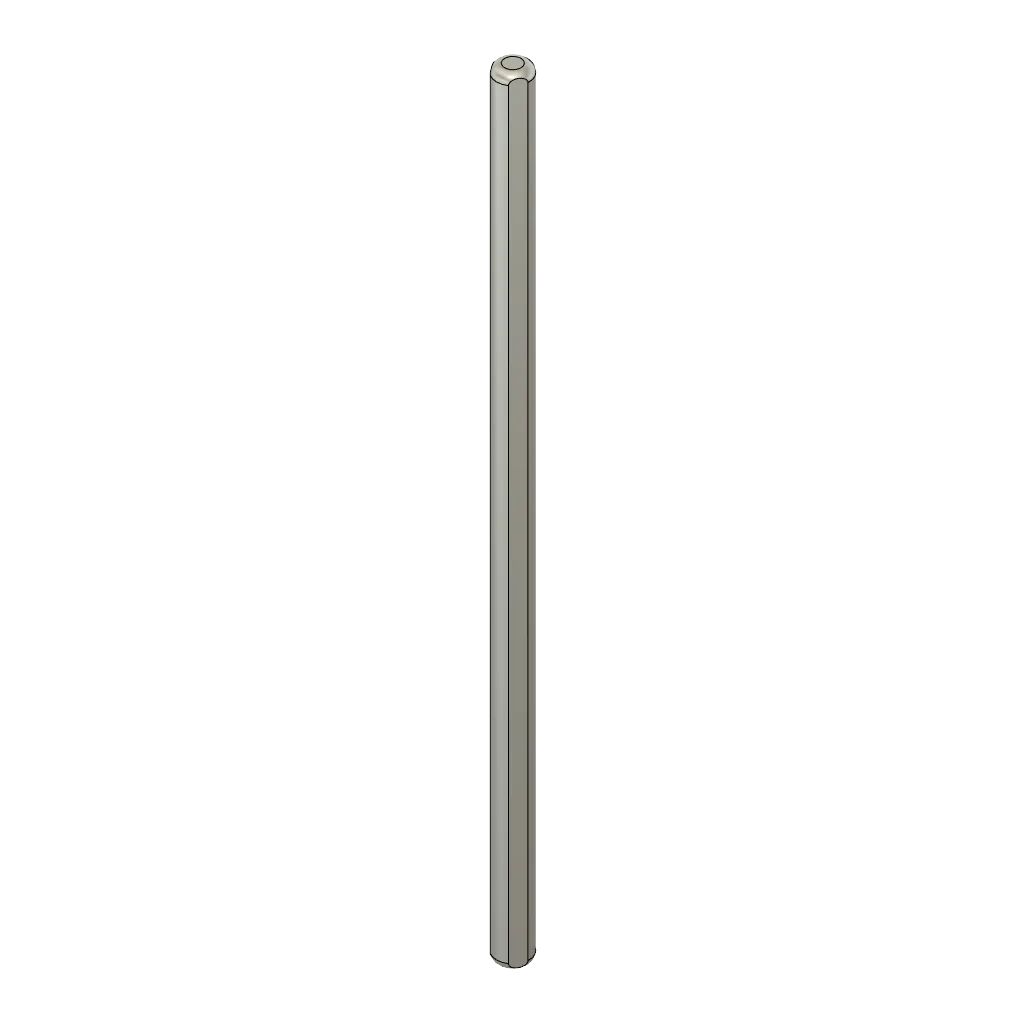
Axle 4x95 mm profile, galvanized
In practice, most eitech metal parts only need dust removal and an occasional wipe. Threads, axle ends and hole edges are the spots where grime collects and where rough treatment does the most harm. Treat those areas gently and the part keeps its fit and finish.
- Keep cleaning supplies separate from your building tools so abrasive pads never end up in the same box.
- If a part is only dusty, start with a dry cloth before reaching for water.
What you should and should not use
For routine cleaning, a soft microfiber cloth, lukewarm water and a drop of mild dish soap are enough. For dust alone, a dry cloth or a soft brush works without any liquid. If you need to reach inside a hole or thread, a dry toothbrush or a pipe cleaner does the job without scratching the zinc.
Skip acidic cleaners, ammonia-based glass sprays, scouring powders and steel wool. These attack or abrade the zinc coating. Avoid leaving parts soaking in water, and never store them damp. The same logic applies to any galvanized metal building parts in your collection, not just axles.
- One drop of mild soap in a bowl of lukewarm water is plenty; more soap means more residue to rinse.
- Test any new cleaner on a single less visible part before using it on a whole set.
How often should you clean eitech parts?
There is no fixed schedule. Clean when you can see or feel a problem: fingerprints after a long build session, dust after storage, or light grime from handling. A quick dry wipe after each project prevents most buildup and takes less time than a full cleaning later.
If you live in a humid climate or store parts in a basement or garage, check them more often. Galvanized steel resists rust well, but condensation on cold metal is the main enemy. A monthly visual check is a reasonable habit for stored sets.
- Wipe parts before storing them, not after you take them out again.
- Store in a dry box or bag with a little airflow rather than a sealed damp container.
Your step-by-step cleaning routine
- Step 1: Disassemble and sort: Take the model apart and separate metal parts from any plastic or painted pieces. Group axles, plates and screws together so you can work through them in one pass. Checkpoint: if a part is still attached to a plastic component, remove it first. Cleaners that are safe for galvanized steel may not be safe for plastic.
- Step 2: Remove loose dust dry: Wipe each part with a dry soft microfiber cloth or brush away dust with a soft brush. Do this before any water touches the metal, so you are not spreading grit around. Common mistake: skipping the dry pass and going straight to a wet cloth, which turns dust into a paste that can scratch the surface.
- Step 3: Wipe with mild soapy water if needed: Dampen a cloth in lukewarm water with a drop of mild dish soap. Wring it out so it is barely wet, then wipe the part. Do not soak or submerge galvanized parts. Checkpoint: the cloth should feel damp, not dripping. If water runs off the part, you are using too much.
- Step 4: Rinse with a clean damp cloth: Go over each part again with a cloth dampened in plain water to remove soap residue. Soap left on the surface can attract dust and hold moisture. Common mistake: skipping the rinse because the part looks clean. Residue is invisible but still there.
- Step 5: Dry completely before storage: Dry each part with a dry cloth and let it air out for a few minutes before putting it away. Pay attention to holes, threads and the ends of axles where water hides. Checkpoint: no visible moisture and no cool damp feel. Storing galvanized steel wet is the fastest way to get white rust.
- Step 6: Store dry and check periodically: Return parts to a dry box or bag. If you store sets for long periods, check them every month or two for condensation or spots and re-dry if needed. Next step: if you spot white powder rather than red rust, it is usually surface-level. Dry the part and wipe it gently; do not scrub with abrasives.
Parts this routine applies to
- Axle 4x95 mm profile, galvanized: The eitech Axle 4x95 mm profile is a galvanized component intended for use in model-building and mechanical assembly projects, offered under the eitech brand as part of the Manufaktur line. Because the axle is galvanized, it responds well to gentle wiping but poorly to acidic or abrasive cleaners. Clean the shaft and ends with a soft cloth, and keep the zinc layer intact so the axle keeps sliding smoothly through plates and bearings.
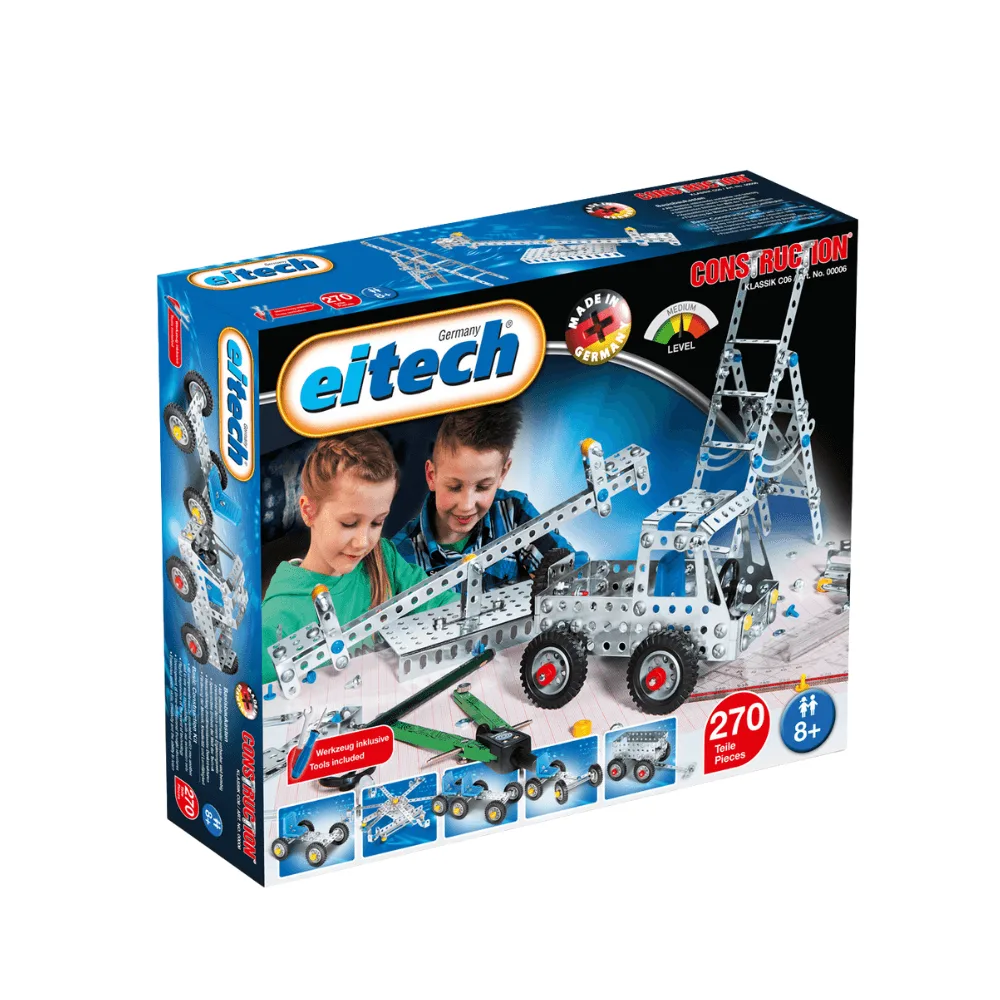
- Basic construction kit: The basic construction kit contains more than 270 components and includes the appropriate tools, with eight models described in illustrated instructions. A kit this size means many small galvanized parts to maintain. Cleaning them as a batch after a build session is faster than hunting down individual dirty pieces later, and the included tools should never be used as scrapers or cleaning implements.
Cleaning eitech axles and galvanized metal parts comes down to three habits: stay gentle, keep water to a minimum, and dry completely. Do that and your parts will keep their fit, finish and smooth movement for years of building.