Quick Answer
A cleansing balm is an excellent choice for dry and sensitive skin because it cleanses without stripping natural oils, often leaving skin feeling soft and hydrated. Look for balms with nourishing ingredients like shea butter and glycerin, and always follow with a gentle toner or moisturizer.
If you have dry or sensitive skin, you know the struggle of finding a cleanser that doesn't leave your face feeling tight and irritated. Many foaming cleansers can strip away natural oils, exacerbating dryness and triggering sensitivity. That's where cleansing balms come in – they offer a gentler, more nourishing way to remove dirt, makeup, and impurities.
In this article, we'll explore the specific benefits of cleansing balms for dry and sensitive skin, how to choose the right one, and how to use it effectively. We'll also look at some notable balm-style cleansers that are kind to your skin and the planet.
Why a Cleansing Balm Is Ideal for Dry Skin
Cleansing balms have a rich, buttery texture that melts into the skin on contact. Unlike gel or foam cleansers, they don't rely on harsh surfactants to lift away dirt. Instead, they use oils and emollients that dissolve impurities while leaving a protective layer of moisture behind. This makes them particularly effective for dry skin, which craves hydration and a strengthened skin barrier.
For sensitive skin, the lack of foaming agents and fragrances (in many balms) reduces the risk of irritation. Balms often contain soothing ingredients like shea butter, glycerin, and natural oils, which help calm redness and inflammation. They also provide a gentle massage experience that can improve circulation and promote relaxation.
- Look for balms with ingredients like shea butter, glycerin, and plant oils to boost hydration.
- Avoid balms with essential oils or artificial fragrances if you have very sensitive skin.
How to Use a Cleansing Balm for Best Results
Using a cleansing balm is simple, but a few steps can enhance its benefits. Start with dry hands and a dry face. Scoop a small amount of balm and warm it between your fingertips until it melts into an oil. Gently massage it onto your face in circular motions, focusing on areas with makeup or buildup. This helps dissolve impurities and stimulates blood flow.
After massaging for about a minute, add a little warm water to emulsify the balm into a milky texture. Rinse thoroughly with lukewarm water, then pat your skin dry with a soft towel. You can follow with a gentle toner and moisturizer to lock in hydration. For a deeper clean, you can use a damp cloth to wipe off the balm before rinsing.
- Always use lukewarm water; hot water can strip your skin's natural oils.
- Double cleanse in the evening if you wear heavy makeup or sunscreen.
Key Ingredients to Look For
When choosing a cleansing balm for dry and sensitive skin, pay attention to the ingredient list. Shea butter is a star ingredient for its intense moisturizing properties. Glycerin is a humectant that draws water into the skin, keeping it plump and hydrated. Natural oils like jojoba, almond, or apricot kernel oil provide nourishment and help maintain the skin's lipid barrier.
For sensitive skin, look for balms with soothing botanicals like chamomile or green tea extract, which can help reduce redness. Avoid balms with alcohol, sulfates, or high amounts of essential oils, as these can be irritating. Upcycled ingredients, like those used in some eco-conscious brands, offer the same benefits while supporting sustainability.
- Check for the absence of alcohol and sulfates in the ingredient list.
- Consider balms with upcycled ingredients for an eco-friendly choice.
Diagnosis: Is a Cleansing Balm Right for You?
- Symptom: Your skin feels tight, flaky, or itchy after cleansing with your current product. This indicates your cleanser may be stripping natural oils.
- Likely Cause: Foaming cleansers with sulfates or alcohol can disrupt the skin barrier, especially in dry or sensitive skin. Switching to a balm or balm-like cleanser can help.
- Corrective Action: Incorporate a cleansing balm into your routine, using the proper technique. Look for nourishing ingredients like shea butter and glycerin. If your skin feels comfortable and hydrated after a week, continue use.
- Stop or Choose Another Option: If you notice increased breakouts or irritation after using a balm, it may be too heavy for your skin. Consider a lighter gel or cream cleanser instead. Always patch test new products and consult a dermatologist if issues persist.
Product Facts
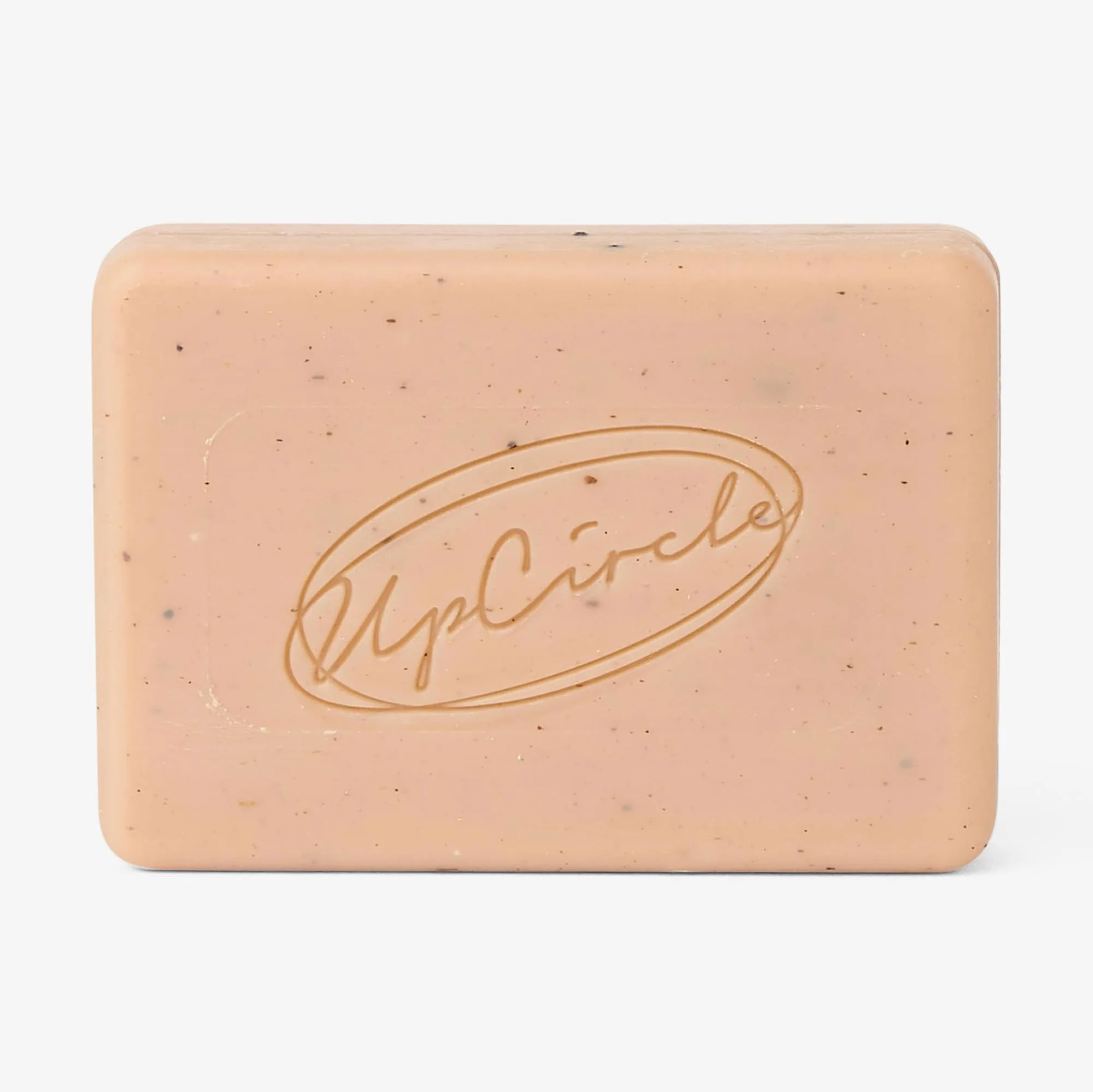
- Cinnamon + Ginger Chai Cleansing Bar: An award-winning gently exfoliating cleansing bar to purify and energise. Pink clay reduces redness and irritation, whilst organic cinnamon and ginger oils give skin a reviving energy boost. Glycerin hydrates and moisturises the skin. This bar offers a similar gentle cleansing experience to a balm, with the added benefit of pink clay to calm redness and glycerin to hydrate, making it suitable for sensitive skin.
- Fennel + Cardamom Chai Cleansing Bar: Gently exfoliating cardamom & fennel chai cleansing bar to cleanse and moisturise. Green clay draws toxins from pores, helping combat acne and breakouts. While shea butter leaves skin hydrated and smooth. With shea butter and green clay, this bar provides moisture and deep cleansing, ideal for dry skin that also needs help with breakouts.
A cleansing balm can be a game-changer for dry and sensitive skin, offering gentle yet effective cleansing that leaves your skin feeling soft and nourished. By choosing the right ingredients and using it correctly, you can maintain a healthy skin barrier and avoid the discomfort of tight, irritated skin. For a sustainable and skin-friendly option, consider balm-like bars from UpCircle that upcycle ingredients and provide similar benefits.