How a Cleansing Balm and an Oil Cleanser Compare for Removing Makeup
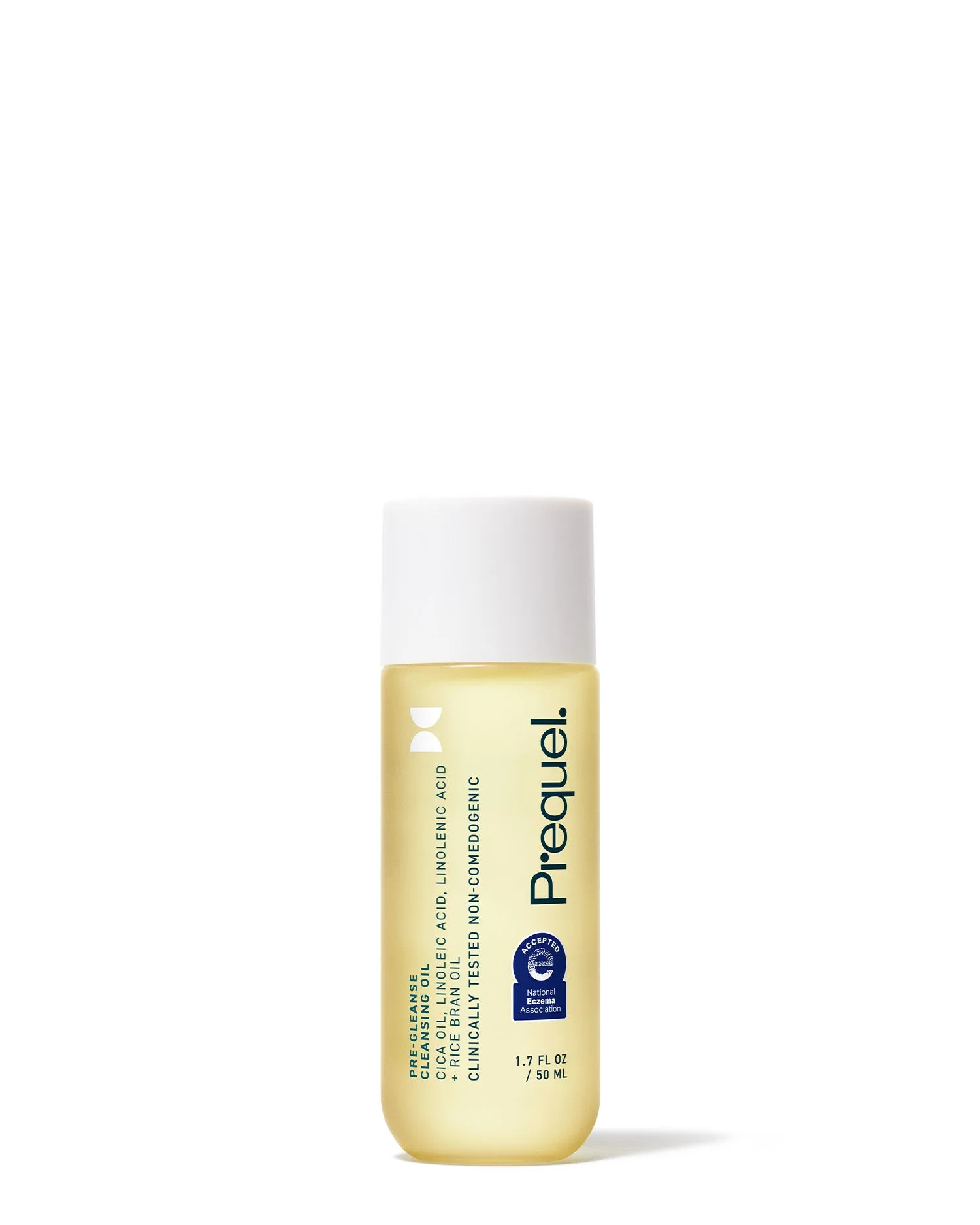
Both cleansing balms and oil cleansers use oil-based formulas to dissolve makeup, sunscreen, and sebum. The main difference is texture: a balm starts as a solid or sorbet-like consistency and melts into an oil on contact with skin, while a traditional oil cleanser is liquid from the start. For makeup removal, the key factor is how well each format coats and breaks down long-wearing or waterproof products.
The Living Cleansing Balm is a sorbet-soft oil cleanser designed as the first step of a double cleanse. It melts away oil-based impurities such as sunscreen, makeup, and excess sebum. Because it transforms from a balm into an oil, it can cling to makeup more thoroughly before rinsing, which some people find helpful for heavy or layered makeup.
Cleansing Balm vs. Oil Cleanser: Key Differences for Makeup Removal
Both formats share the same cleansing mechanism—oil dissolves oil—but the texture and application differ. The table below highlights how each format affects the makeup removal experience.
- Texture and application: A balm (like the Living Cleansing Balm) is a solid or semi-solid that melts into oil when massaged. An oil cleanser is liquid and may drip more easily. Balms can be easier to control and spread precisely over dry skin.
- Makeup breakdown: Both effectively dissolve oil-based impurities. The balm's thicker initial consistency may help it cling to heavy makeup or waterproof products before fully melting.
- Rinsing and residue: Both require warm water to emulsify and rinse away. Some oil cleansers leave a slight film if not rinsed thoroughly; balms typically rinse cleanly when emulsified properly.
- Portability: A balm in a jar is spill-proof and TSA-friendly (the Living Cleansing Balm is available in a 90 g / 3.17 oz size). Liquid oil cleansers need a pump bottle and can leak in transit.
How the Living Cleansing Balm Works for Makeup Removal
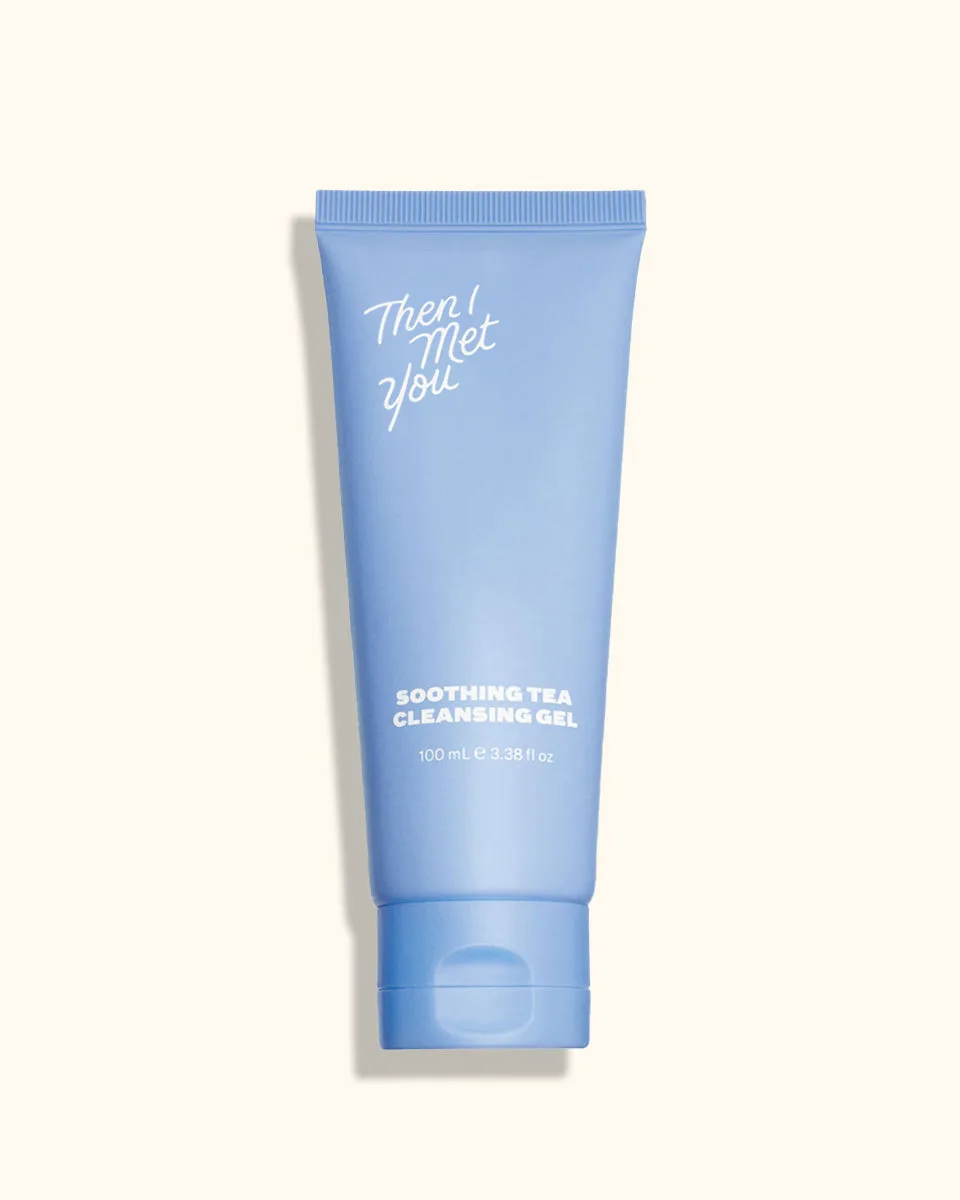
The Living Cleansing Balm is formulated with antioxidants, essential fatty acids, and vitamin E to nourish skin while cleansing. It is intended as the first step of a double cleanse: massage the balm onto dry skin to melt makeup, sunscreen, and sebum, then follow with a water-based cleanser (the brand recommends the Soothing Tea Cleansing Gel) to remove water-based impurities.
Because it is a balm, it can be scooped out and massaged directly onto dry skin without dripping. This makes it practical for targeting eye makeup or layered foundation before rinsing. The formula contains natural seaberry coloring and citrus fragrance notes, which may cause slight variances in scent and color between batches.
Product Evidence: Living Cleansing Balm
-
Living Cleansing Balm ™: As the first step of your double cleanse, massage this luxurious, sorbet-soft oil cleanser into the skin to melt away oil-based impurities such as sunscreen, makeup and excess sebum while nourishing the skin with antioxidants, essential fatty acids and vitamin E. This confirms the balm is designed specifically to remove makeup and sunscreen, and that it nourishes skin during the process—a benefit not all oil cleansers provide.
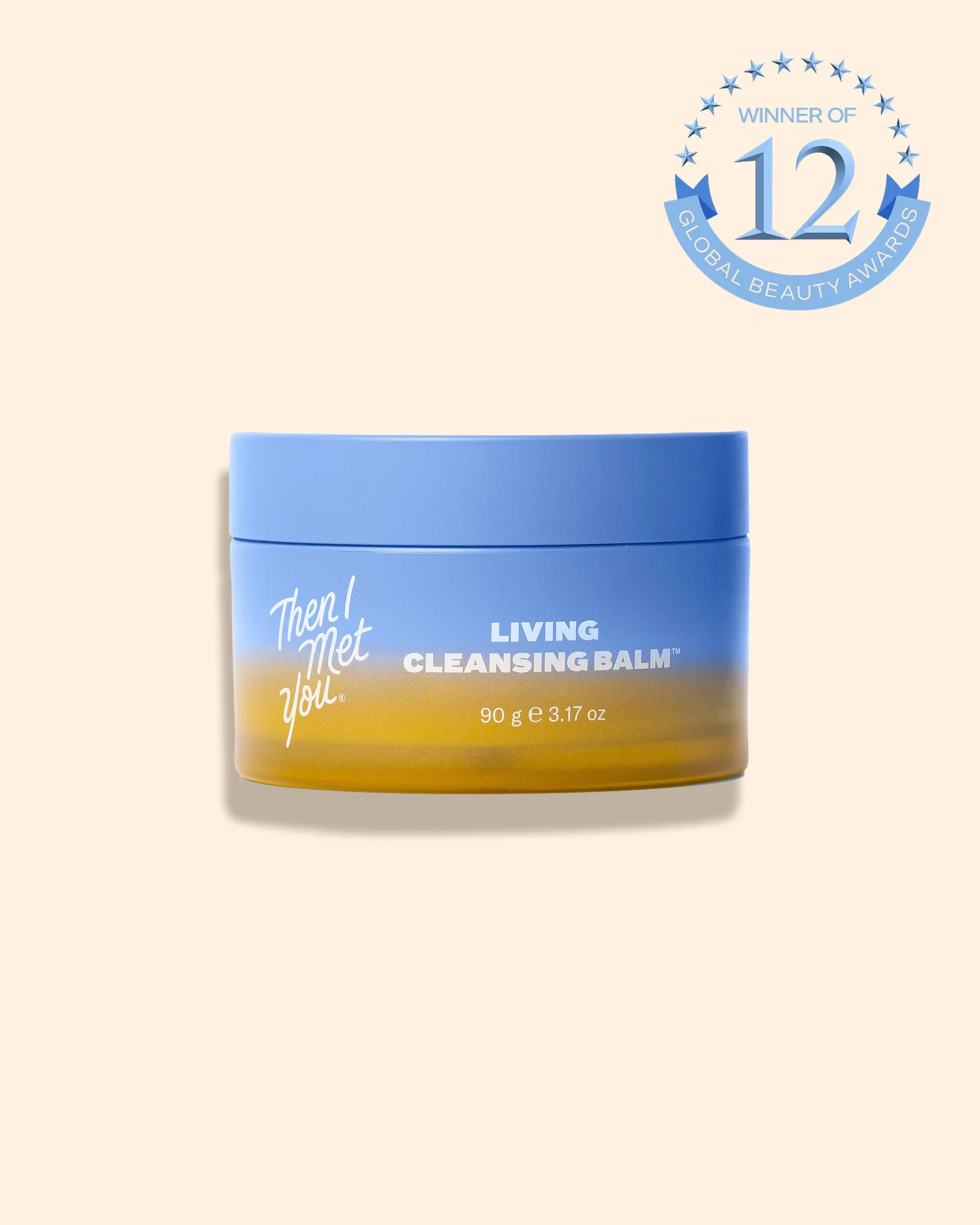
Living Cleansing Balm ™
-
Living Cleansing Balm ™: Winner of the 2024 Vogue Thailand Beauty Award for Best Cleansing Balm and included in WWD Beauty Inc.'s 2021 Top 100 Greatest Skincare Products of All Time List. Industry awards and recognition indicate the formula has been tested and appreciated by beauty experts, which can help you trust its makeup removal performance.
-
Living Cleansing Balm ™: Available in Full Size (90 g / 3.17 oz, TSA friendly) and Travel Size (20 g). The TSA-friendly size makes it convenient for travel without sacrificing makeup removal effectiveness.
Which Should You Choose for Makeup Removal?
If you prefer a no-drip, controlled application that melts into an oil, a cleansing balm like the Living Cleansing Balm is a strong choice. It is especially useful for heavy or waterproof makeup because the balm texture can adhere to makeup before it turns into oil. If you already use a liquid oil cleanser and are happy with it, the difference in removal effectiveness is minimal—both formats dissolve oil-based impurities equally well when used correctly.
The deciding factor may be texture preference and portability. A balm is spill-proof and easy to travel with, while an oil cleanser may feel more familiar if you are used to pump bottles. Either way, follow with a water-based cleanser to complete the double cleanse and remove any residue.