When it comes to washing your face, the simplest method—using your hands—has been the go-to for generations. But as skincare technology evolves, cleansing brushes have become a popular tool for achieving a deeper clean. The question is: does a cleansing brush really outperform your hands? In this comparison, we'll dive into the benefits of using a cleansing brush over your hands, examining effectiveness, hygiene, and skin health to help you make an informed choice.
Your cleansing routine is the foundation of healthy skin. Whether you're removing makeup, sweat, or daily grime, the method you choose can impact your skin's texture, clarity, and overall appearance. Let's explore the key differences between a cleansing brush and manual hand washing to see which one deserves a spot in your daily regimen.
Why Cleansing Brushes Offer a Deeper Clean
One of the primary benefits of using a cleansing brush is its ability to provide a deeper clean compared to your hands. The bristles of a brush, such as the Alder Cleansing Facial Brush, are designed to gently exfoliate the skin's surface, removing dead skin cells, excess oil, and impurities that can accumulate throughout the day. This mechanical exfoliation helps unclog pores, reducing the likelihood of blackheads and breakouts.
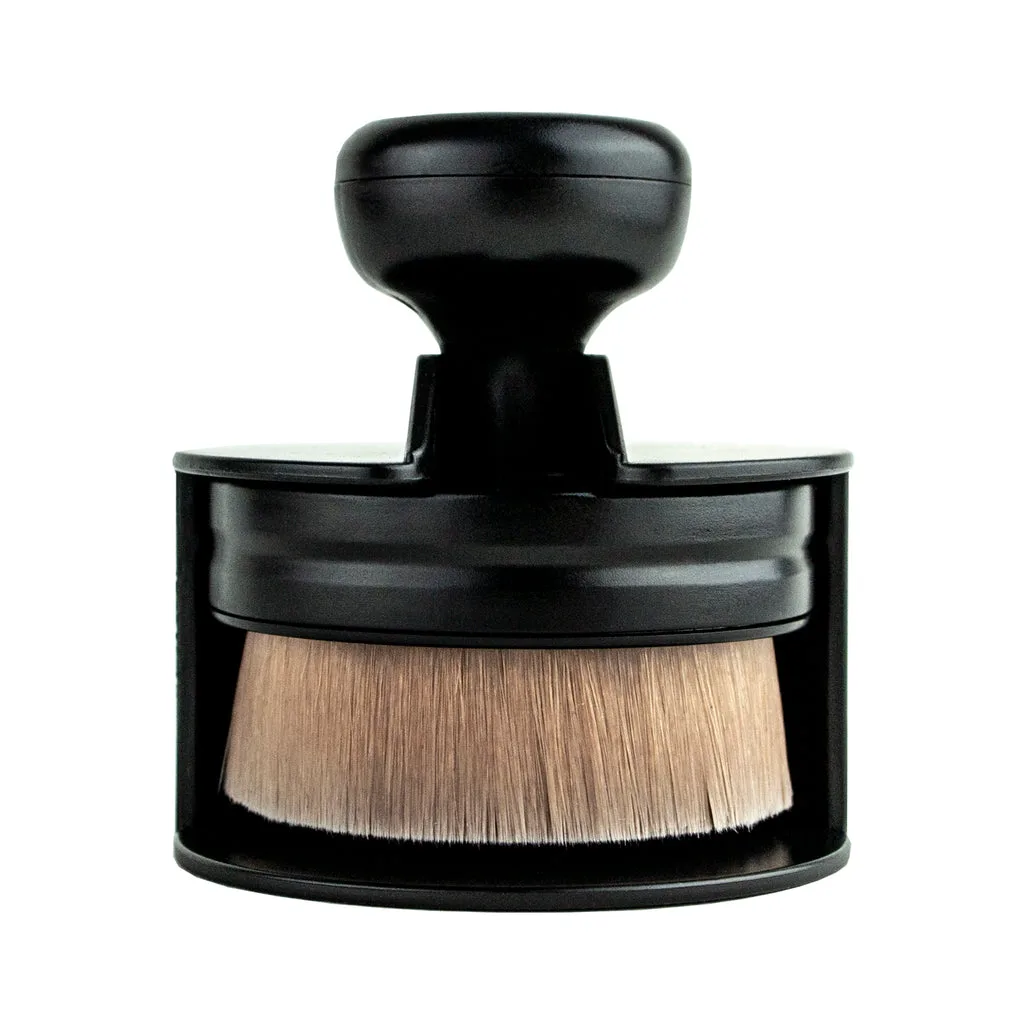
Alder Cleansing Facial Brush
Your hands, while effective at spreading cleanser, lack the exfoliating power needed to thoroughly remove stubborn residue. A cleansing brush's oscillating or spinning motion works to dislodge dirt from deep within pores, leaving your skin feeling noticeably smoother and looking more radiant. Over time, this deeper clean can improve skin texture and promote a more even complexion.
- Use gentle pressure when using a cleansing brush to avoid over-exfoliating sensitive skin.
Hygiene and Bacteria: Why a Brush May Be Better
Your hands come into contact with countless surfaces throughout the day, making them a breeding ground for bacteria. Even after washing, residual germs can transfer to your face during cleansing, potentially leading to breakouts or irritation. A cleansing brush, on the other hand, is a dedicated tool that can be cleaned and maintained to minimize bacterial buildup.
To keep your brush hygienic, it's essential to rinse it thoroughly after each use and allow it to air dry. Some brushes, like the Alder Cleansing Facial Brush, are designed with antimicrobial bristles or are easy to sanitize. By using a brush, you reduce the risk of introducing unwanted bacteria to your skin, making it a more sanitary option for facial cleansing.
Exfoliation Benefits: Smoother, Brighter Skin
Manual cleansing with your hands offers little to no exfoliation, leaving dead skin cells to accumulate and dull your complexion. A cleansing brush provides consistent, gentle exfoliation that helps reveal fresh, new skin cells. This is particularly beneficial for those with dry or flaky skin, as the brush helps slough away rough patches, allowing moisturizers and serums to penetrate more effectively.
Regular use of a cleansing brush can also stimulate circulation, giving your skin a healthy glow. The massaging action of the bristles promotes blood flow, which can reduce puffiness and improve overall skin tone. For a spa-like experience at home, incorporating a brush into your routine can elevate your skincare game.
Choosing the Right Cleansing Brush for Your Skin
Not all cleansing brushes are created equal. When selecting a brush, consider your skin type and concerns. For sensitive skin, look for a brush with ultra-soft bristles and adjustable speed settings. The Alder Cleansing Facial Brush is a versatile option that offers gentle yet effective cleansing, suitable for most skin types.
If you're looking to enhance your routine further, pair your brush with a high-quality cleanser like the Alder Everyday Cleanser. This combination ensures that your skin is thoroughly cleansed without stripping away essential moisture. Additionally, using a brush with a built-in timer can help you avoid over-cleansing, which can lead to irritation.
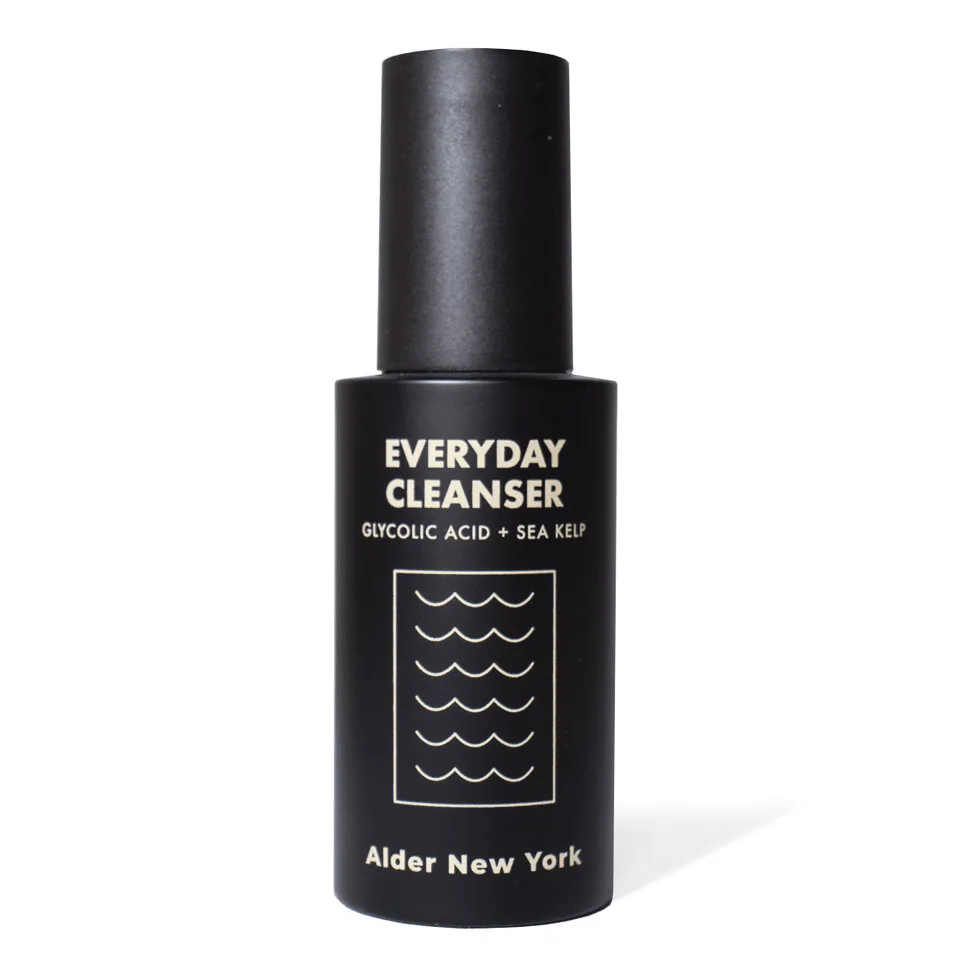
Alder Everyday Cleanser
- Start by using your cleansing brush 2-3 times per week to see how your skin responds, then adjust frequency as needed.
Potential Drawbacks of Cleansing Brushes
While cleansing brushes offer numerous benefits, they aren't without potential downsides. Overuse or applying too much pressure can cause micro-tears in the skin, leading to redness and sensitivity. It's crucial to use a light touch and let the brush do the work. Additionally, brushes require regular cleaning and replacement of brush heads (every 3-4 months) to maintain hygiene and effectiveness.
For those with severe acne or active breakouts, a cleansing brush may exacerbate irritation. In such cases, it's best to consult a dermatologist before incorporating a brush into your routine. However, for most people, a cleansing brush can be a safe and effective addition to their skincare arsenal.
Ultimately, the choice between a cleansing brush and your hands depends on your skin's needs and your personal preferences. If you're looking for a deeper clean, improved exfoliation, and better hygiene, a cleansing brush like the Alder Cleansing Facial Brush is a worthwhile investment. Remember to use it gently and consistently to achieve the best results. Ready to elevate your cleansing routine? Explore the Alder Cleansing Facial Brush today and experience the difference for yourself.