The myths that make people avoid cleansing oil
Cleansing oil has a reputation problem. Some people worry it will clog pores, leave a greasy film, or make oily skin worse. Others assume it's just a fancy extra step that a regular face wash already covers. Those concerns are worth taking seriously, but they don't tell the whole story. The key is separating what a cleansing oil is formulated to do from assumptions about all oils.
Meow Meow Tweet's Cleansing Oil is built around lightweight coconut oil, purifying hazelnut oil, and skin-soothing jojoba oil. The formula is described as cleansing without stripping skin of its natural oils. That description is the best starting point for evaluating the common myths below.
Myth 1: Cleansing oil always clogs pores
This is the most common fear, and it's understandable. But the claim that any cleansing oil will clog pores is too broad to be useful. What matters is the specific blend and how you use it.
- What the evidence supports: The Cleansing Oil combines coconut, hazelnut, and jojoba oils. The formula is described as lightweight and designed to cleanse without stripping natural oils. The supplied information does not make a pore-clogging claim in either direction.
- What remains uncertain: The catalog does not include comedogenicity ratings or clinical testing for this product. If you have a history of easily congested skin, patch test first and watch how your skin responds.
Myth 2: Oily skin should skip cleansing oil
The logic seems simple: oil on oily skin equals more oil. In practice, the relationship between cleansing and oiliness is more about how a product affects the skin barrier than about the word 'oil' on the label.
- What the evidence supports: The Cleansing Oil is described as not stripping skin of its natural oils. Harsh cleansing can leave skin feeling tight, and this formula is positioned as a gentler alternative.
- What remains uncertain: The supplied information does not include oiliness ratings, sebum-control claims, or instructions for specific skin types. Oily skin is not a reason to avoid the product automatically, but it is a reason to introduce it gradually.
Myth 3: Cleansing oil can't handle real makeup
This one is directly contradicted by the product information. The Cleansing Oil is described as the perfect solution for stubborn face and eye makeup. That doesn't mean every waterproof formula will dissolve the same way, but it does mean makeup removal is a core intended use, not an afterthought.
If you wear eye makeup, the silky texture and lemon rose geranium scent are worth noting. The scent is fresh and floral, which some people love and others prefer to avoid near the eyes. The supplied information does not confirm whether the formula is fragrance-free or ophthalmologist-tested, so treat eye use as a personal preference decision.
Myth 4: Cleansing oil and face wash do the same job
They overlap, but they are not identical. A face wash typically relies on surfactants to lift debris, while a cleansing oil is designed to dissolve oils and makeup. The Cleansing Oil's blend of coconut, hazelnut, and jojoba oils points to a formula built for dissolving rather than foaming.
- Cleansing Oil: Lightweight oil blend described as removing stubborn face and eye makeup while not stripping natural oils. Silky texture, lemon rose geranium scent. Available in 3.8 oz full size, 9.25 oz bulk size, and 5 ml mini.
- Typical face wash: Usually water-based and surfactant-driven. The supplied catalog does not include a specific face wash for direct comparison, so treat this as a general category difference rather than a product-versus-product claim.
How double cleansing with oil actually works
Double cleansing with oil means using an oil-based cleanser first to dissolve makeup and surface oils, then following with a second cleanser if you choose. The supplied information does not include a full step-by-step routine or a recommended second cleanser, so the exact sequence is yours to adapt.
What the product information does support is the role of the oil step: the Cleansing Oil is described as removing stubborn face and eye makeup and cleansing without stripping skin. If you try double cleansing, start with the oil step alone on a few days to see how your skin feels before adding a second cleanse every night.
What the Cleansing Oil formula actually contains
-
Cleansing Oil: A blend of lightweight coconut oil, purifying hazelnut oil, and skin-soothing jojoba oil. These are the three named oils. Knowing them helps you compare the formula against your own skin history rather than reacting to the word 'oil' alone.
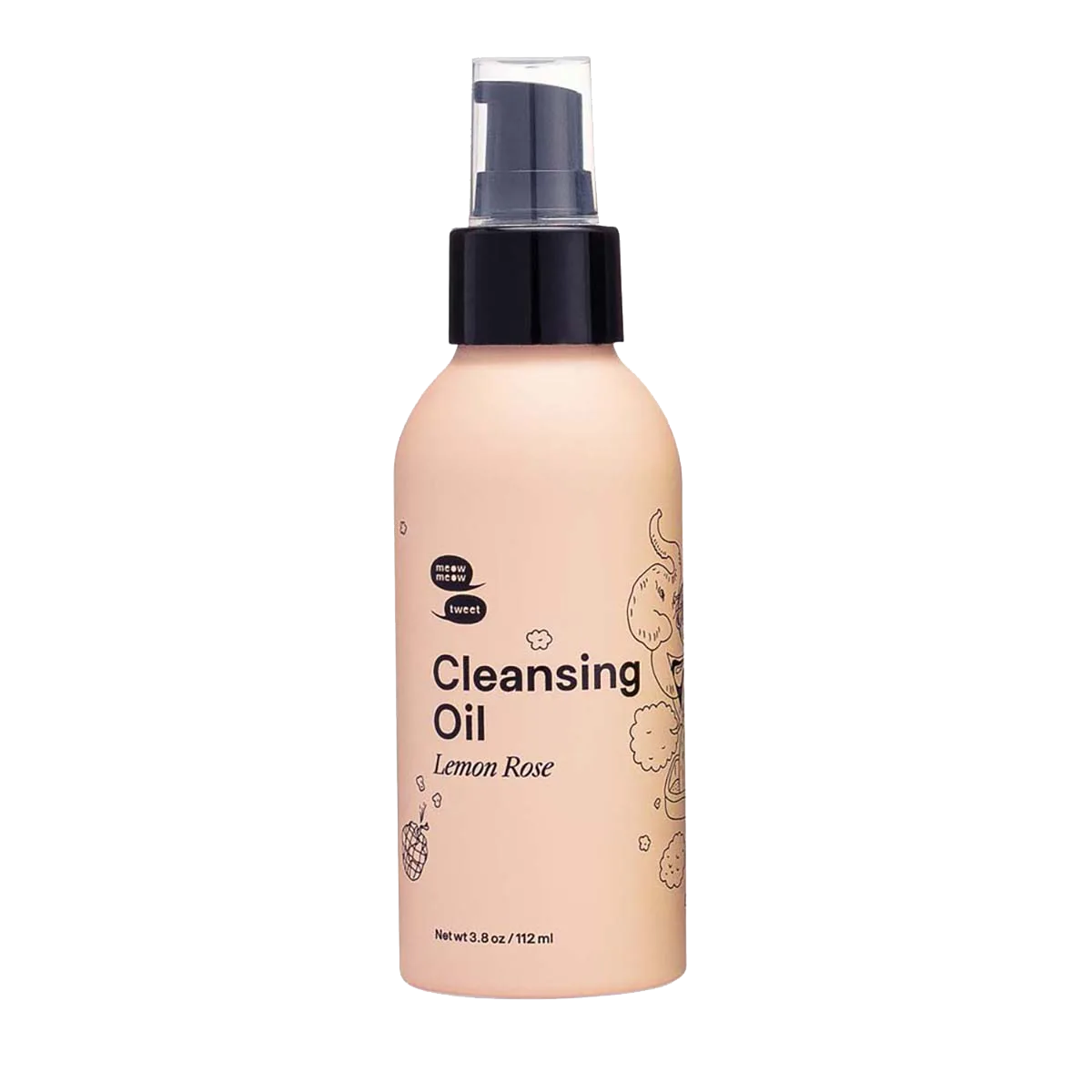
Cleansing Oil
-
Cleansing Oil: Described as cleansing without stripping skin of its natural oils. This is the central claim to weigh against the stripping myth. It is a product description, not a clinical result, so your own experience is the real test.
-
Cleansing Oil: Described as the perfect solution for stubborn face and eye makeup. Makeup removal is an intended use, which directly addresses the myth that cleansing oil is only for bare skin.
-
Cleansing Oil: Fresh and floral lemon and rose geranium scent with a silky texture. Scent and texture affect whether you will actually use the product consistently, especially around the eyes.
Choosing a size without overcommitting
If you are unsure whether cleansing oil suits your skin, the mini size is the lowest-commitment way to test the myth for yourself. The full and bulk sizes make more sense once you know you like the formula.
- Mini Size (5 ml): A small trial size for testing how the formula feels on your skin and whether you like the lemon rose geranium scent.
- Full Size (3.8 oz): A standard size for regular use, including makeup removal.
- Bulk Size (9.25 oz): A larger format for people who already know the formula works for them and use it consistently.
What to watch for in your first week
The supplied information does not include a patch-test protocol or a recommended frequency, so use your own judgment. Start with a small amount and pay attention to how your skin feels after cleansing. If it feels tight or irritated, reduce frequency or stop. If makeup comes off easily and your skin feels comfortable, the myths may not apply to you.
One honest limitation: the catalog does not list full ingredients, comedogenicity testing, or specific instructions for eye-area use beyond the makeup-removal claim. If you have known sensitivities to coconut oil, hazelnut oil, jojoba oil, or fragrance, review the full ingredient list before buying.