Why timing a caffeinated protein bar is a personal call
CLIF BUILDERS + Caffeine Chocolate Chip Cookie Dough Flavor Protein Bars are designed to help sustain hardworking bodies after tough workouts. That post-workout purpose is the clearest anchor the catalog gives you, and it should shape how you use the bar rather than a generic pre-workout rule.
The label also includes caffeine, but the supplied product record does not list a milligram amount, ingredient order, or preparation instructions. That absence matters: you cannot calculate a precise dose or a universal cutoff time from this page alone. Instead, use the bar as one part of a routine you test on yourself, starting with the label on the package you receive.
What the catalog confirms about this bar
-
CLIF BUILDERS + Caffeine Chocolate Chip Cookie Dough Flavor Plant Based Protein Bars: CLIF BUILDERS + Caffeine Chocolate Chip Cookie Dough Flavor Protein Bars are designed to help sustain hardworking bodies after tough workouts. This is the stated use case. It makes the bar a natural post-workout option, and it means any pre-workout use is an extension of that purpose rather than a manufacturer claim.
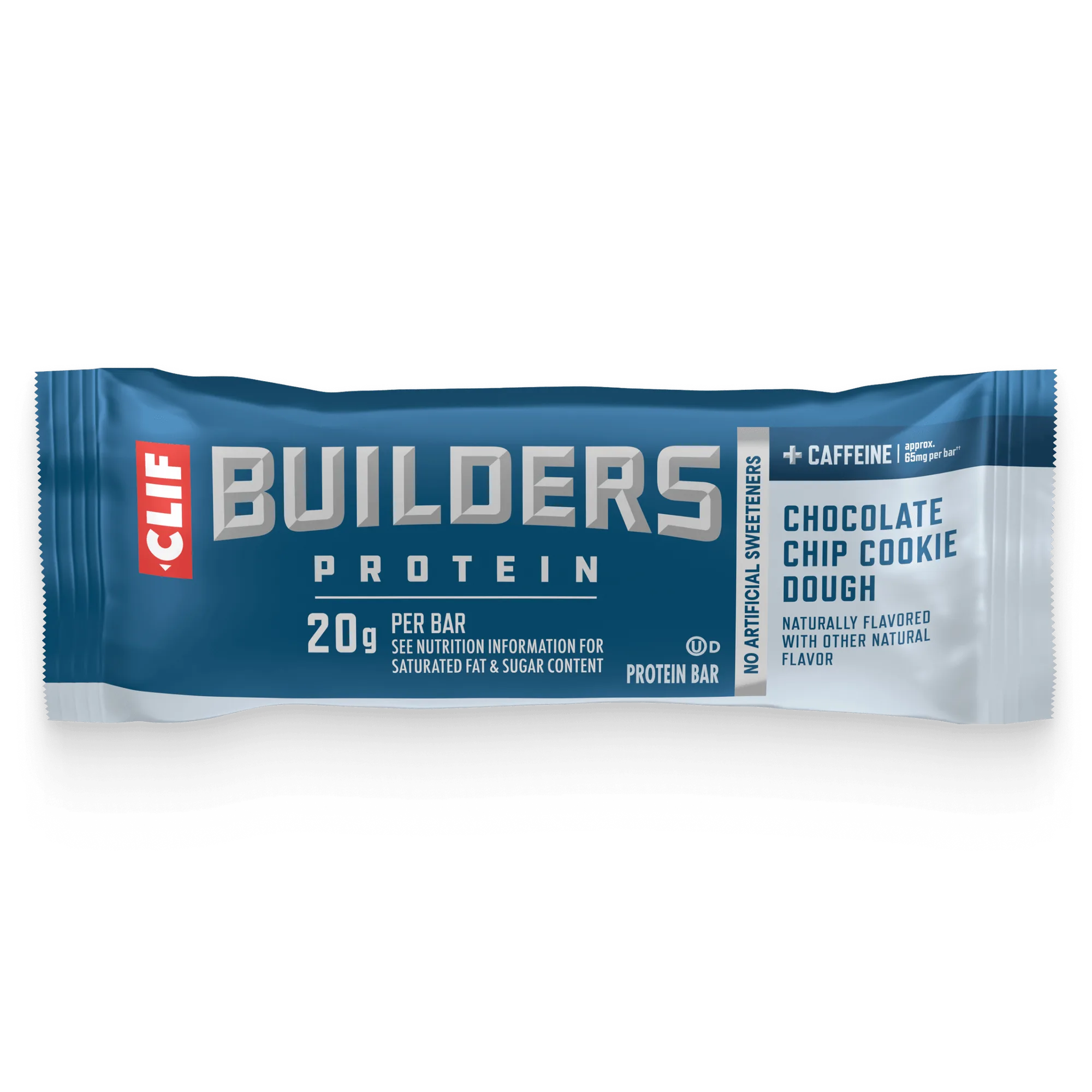
CLIF BUILDERS + Caffeine Chocolate Chip Cookie Dough Flavor Plant Based Protein Bars
-
CLIF BUILDERS + Caffeine Chocolate Chip Cookie Dough Flavor Plant Based Protein Bars: The catalog lists a Standard variant with no additional attributes. There is one option to choose, so your decision is about when to eat the bar, not which version to buy.
A practical way to test the bar before a workout
Because the caffeine content and ingredient list are not in the supplied evidence, treat the first few uses as a personal trial. The checkpoints below keep the experiment simple and reversible.
- 1. Read the package label first: Check the caffeine declaration, serving size, and allergen statement on the wrapper. The catalog does not confirm allergen-free status or dietary suitability, so the package is your source of truth.
- 2. Pick a low-stakes training day: Try the bar before a familiar, moderate session rather than a race or a heavy lifting day. That way, any unexpected effect on sleep, stomach comfort, or focus is easier to manage.
- 3. Note what you ate and how you felt: Record the time you ate the bar, what else you ate, and how you felt during and after training. Repeat with small changes rather than changing several things at once.
- 4. Keep late-day workouts cautious: Caffeine affects people differently. If you train in the evening, pay attention to how you sleep afterward. The catalog does not provide a caffeine amount, so there is no official cutoff to rely on.
Where this bar fits best in your routine
- After a tough workout: This is the use the catalog explicitly describes: a bar designed to help sustain hardworking bodies after tough workouts.
- As a pre-workout snack you have already tested: If you want caffeine before training, use the bar on sessions where you have already confirmed it sits well and does not disrupt sleep. Do not assume a specific lead time.
- As a convenient shelf-stable option: The catalog does not supply storage instructions, so follow the wrapper. Do not assume a shelf life beyond what the package states.
What the label does not tell you, and why that matters
The supplied record does not include caffeine milligrams, protein grams, calorie count, ingredient order, or preparation steps. It also does not confirm whether the bar is allergen-free or suitable for a particular diet. These are not small details for a pre-workout decision, because caffeine tolerance and food sensitivities vary widely.
Use the package label to fill those gaps before you build the bar into a training routine. If the label does not answer a question that matters to you, such as caffeine content or allergen risk, treat that as a reason to choose a different snack rather than to guess.
A simple decision rule for race day and hard sessions
On important training days, rely on foods and routines you have already tested. If you have not used CLIF BUILDERS + Caffeine Chocolate Chip Cookie Dough before a workout, save the first trial for a low-stakes session. If you have tested it and it works for you, keep the timing and portion consistent with what you practiced.
After the workout, the bar fits the purpose the catalog describes. Pair it with water and your normal recovery meal rather than treating it as a complete recovery plan. The catalog does not provide protein or calorie figures, so it cannot tell you how the bar fits a specific daily target.