Why a clicker works as a marker
A clicker is a training aid that produces a sharp, consistent sound to mark the exact moment your dog does something you want to reward. The sound itself is not a command or a cue; it is a marker that tells your dog a reward is coming. That clarity helps during clicker timing dog training because the click can happen faster and more consistently than a spoken word.
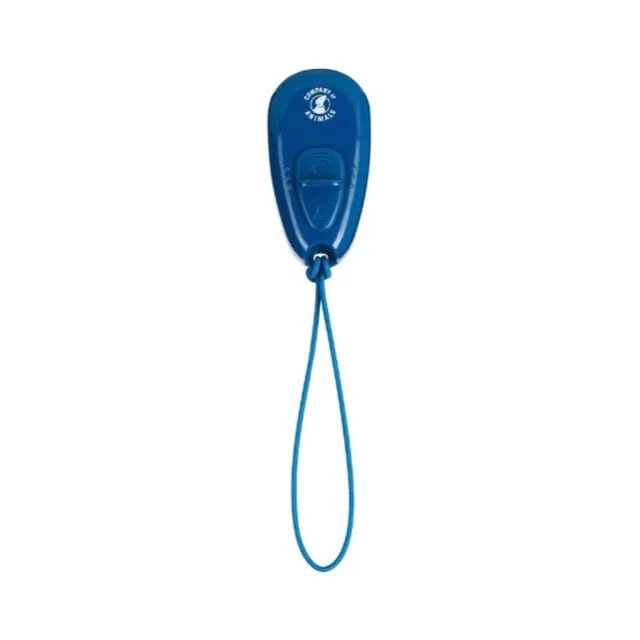
The COA Multi Clicker is designed for this kind of marking. It has a patented volume and tone control, so you can adjust how loud the click is to suit your dog. That matters if your dog is sensitive to noise or if you train in different environments.
What the COA Multi Clicker gives you
-
COA Multi Clicker: Patented volume/tone control lets you adjust the amount of noise the clicker makes to suit your dog’s needs. You can start with a softer click for a noise-sensitive dog or a new puppy, then adjust as your dog becomes comfortable.
COA Multi Clicker
-
COA Multi Clicker: Ergonomic thumb piece for ease of use. A comfortable thumb position helps you click quickly and consistently, which supports good timing.
-
COA Multi Clicker: Elasticated wrist band to ensure it’s always at hand on your walks. Keeping the clicker on your wrist means you are less likely to fumble for it when a training moment happens.
How to start clicker training with your dog
These steps assume you are using the COA Multi Clicker and a reward your dog already enjoys. The goal is to build a clear association between the click and the reward before you ask for specific behaviors.
- Set the volume before you begin: Use the patented volume/tone control to choose a click level that gets your dog’s attention without startling them. Start softer if you are unsure.
- Charge the clicker: Click once, then immediately give a small treat. Repeat several times in a quiet space. The click should predict the treat, not the other way around.
- Mark one behavior at a time: When your dog offers a behavior you want—such as sitting or making eye contact—click at the exact moment it happens, then reward. Keep sessions short and end on a success.
- Use the wrist band on walks: Slip the elasticated wrist band on before you head out so the clicker is always at hand. That makes it easier to mark good behavior during real-life moments.
Clicker timing: the skill that makes marking work
Clicker timing dog training is about clicking at the instant your dog does the right thing, not after they finish or while they are already moving away. The click marks the behavior; the treat follows. If you click late, you may accidentally mark the wrong action.
Practice your timing without your dog first. Say a simple behavior out loud, then click at the moment you would want to mark it. The ergonomic thumb piece on the COA Multi Clicker is designed to make that quick press easier, but timing still improves with repetition.
Clicker training a new puppy
Clicker training new puppy sessions should be very short and positive. Puppies have limited attention spans, so a few clicks and rewards at a time are plenty. Start in a low-distraction room and use the volume control to keep the click soft if your puppy seems worried by sound.
The COA Multi Clicker’s adjustable volume is useful here because you can match the sound to your puppy’s comfort level. If your puppy ignores the click or seems stressed, lower the volume or take a break. Never use the clicker to correct or startle; it should always predict something good.
Multi clicker vs single clicker: what changes in practice
A multi clicker like the COA Multi Clicker offers adjustable volume and tone, while a single clicker typically has a fixed sound. That difference matters if you train more than one dog with different sensitivities or if you want to adjust the click for different environments.
- Adjustability: Multi clicker: patented volume/tone control. Single clicker: fixed sound, so you cannot soften or change the click.
- Fit for noise-sensitive dogs: Multi clicker lets you reduce the noise to suit your dog’s needs. A single clicker may be too loud for some dogs.
- Handling: The COA Multi Clicker includes an ergonomic thumb piece and elasticated wrist band. Single clickers vary, but many lack these handling features.
- Best for: Multi clicker: households with multiple dogs or dogs that need a softer click. Single clicker: simple, consistent marking for one dog in quiet settings.
What the product record does not settle
The supplied information for the COA Multi Clicker does not include specific training protocols, recommended treat amounts, or a step-by-step desensitization plan. It also does not confirm battery type or replacement parts. Treat the steps above as general clicker training guidance, not a manufacturer’s instruction manual.
If your dog has a medical or behavioral condition, consult a qualified trainer or veterinarian before starting a new training method. The clicker is a training aid, not a treatment tool.