Quick answer
Choose cocoa butter when you want a dense, repair-focused butter for stretch marks, scars, and very dry or rough texture. Choose mango butter when you want a lighter, faster-absorbing butter that still moisturizes but feels less heavy on skin. If your main goal is stretch mark care, a cocoa butter formula like Tummy Butter is the more targeted pick; if you want a daily body butter that sinks in quickly, mango butter is the better fit.
How cocoa butter and mango butter differ on skin
Cocoa butter is solid at room temperature and melts on contact with skin, which is why it feels dense and occlusive. That density makes it useful for rough texture, scars, and stretch marks because it stays put and holds other oils and vitamins against the skin. Mango butter is also solid but has a lower melting point and a less waxy feel, so it spreads more easily and absorbs faster. The trade-off is simple: cocoa butter gives more cushion and staying power, mango butter gives more glide and a lighter finish.
Scent and skin sensitivity
Cocoa butter carries a natural chocolate-like aroma that some people love and others find too food-like for daily wear. Mango butter is nearly odorless, so it works well under fragrance or in unscented routines. If your skin is reactive, the butter itself is rarely the problem; added fragrance, essential oils, or exfoliating acids are more common triggers. That is why a low-grit scrub or a simple butter blend can be safer than a heavily scented product when your skin is already irritated.
Matching the butter to your goal
For stretch marks, the research is not strong enough to promise that any single butter erases them. What butters can do is keep the skin barrier hydrated and flexible, which may reduce the appearance of new or healing stretch marks over time. Cocoa butter is the traditional choice here because it is thick enough to massage in and stays on the skin longer. Mango butter is better for maintenance: daily all-over moisture, post-shower softness, and layering under sunscreen or clothing without a greasy wait.
Layering butters with soap and scrub
Butter works best on clean skin, so the soap you use matters. A gentle, low-scent bar like White Tea + Ginger cleanses without stripping, which means you need less butter afterward to feel comfortable. If you exfoliate first, use a low-grit scrub such as Brown Sugar X Sweet Almond Oil, then apply butter within a few minutes while skin is still slightly damp. That order traps water and makes either butter feel more effective. Skip scrubbing on active stretch marks, broken skin, or fresh scars; butter alone is enough there.
Trade-offs to weigh before you buy
- Richness vs. absorption speed: Cocoa butter feels thicker and stays on the skin longer, which helps very dry or rough areas but can feel heavy in humid weather. Mango butter spreads faster and disappears sooner, so it is easier for daytime or all-over use. Pick cocoa butter for targeted repair, mango butter for daily comfort.
- Stretch mark focus vs. everyday moisture: Cocoa butter is the traditional pick for stretch mark and scar care because it holds up to massage and stays put. Mango butter is better suited to maintaining soft, hydrated skin rather than treating a specific concern. Use cocoa butter where you want repair; use mango butter where you want maintenance.
- Scent preference: Cocoa butter has a natural chocolate-like scent, while mango butter is nearly neutral. If you wear fragrance or prefer unscented body care, mango butter is less likely to clash. Scent-sensitive? Start with mango butter or a lightly scented bar like White Tea + Ginger.
- Cost per use: A denser cocoa butter formula often needs less product per application, while a lighter mango butter may need more frequent reapplication on very dry skin. Neither is automatically cheaper; it depends on how much you use each time. Track how long a jar lasts before deciding which is the better value for you.
Products that show the difference
- Tummy Butter🧈 - Stretch Mark Minimizer/Skin Re-Inflater | Cocoa Butter X Red Raspberry: Tummy Butter is a cocoa butter and red raspberry blend described as ultra-rich and designed to deeply moisturize, strengthen, and rejuvenate skin, with shea and other natural butters, oils, and vitamins. This is the cocoa-butter side of the comparison: a dense, repair-focused formula aimed at stretch marks, scars, discoloration, and rough texture rather than a light daily lotion.
- White Tea + Ginger - Tres Butters™ Body Cleanser Soap Bar | Mango Butter X Cocoa Butter *Scent of the Year 2026*: White Tea + Ginger is a mango butter and cocoa butter soap bar described as a refined, modern cleanser with white tea and gentle ginger, named the 2026 Scent of the Year. It shows how mango butter appears in a lighter, rinse-off format and gives you a gentle cleansing step before applying either body butter.
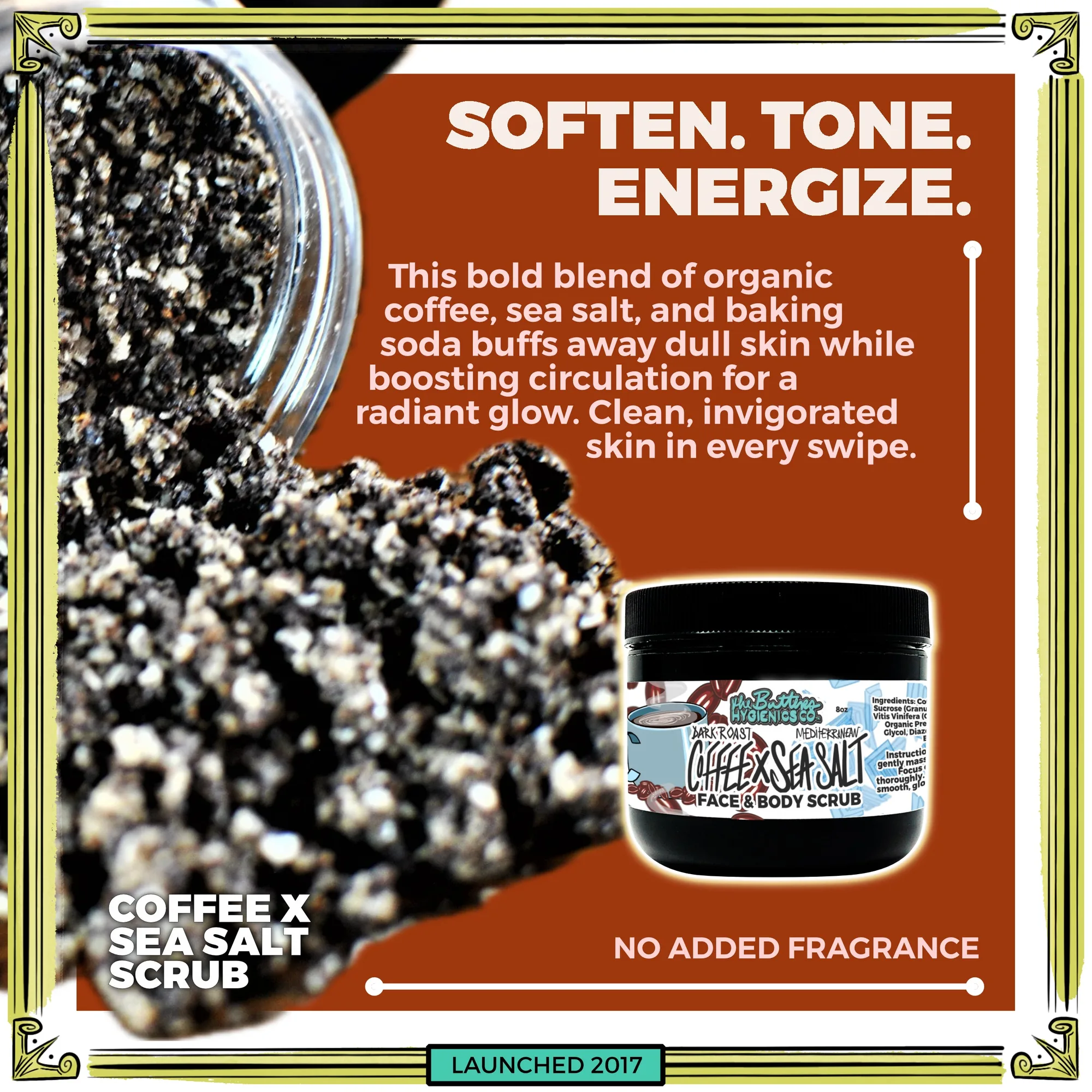
- Scrub: Brown Sugar X Sweet Almond Oil - Glow & Polish Skin: Brown Sugar X Sweet Almond Oil Scrub is a low 2/10 grit body scrub described as gently buffing away dull, dry skin while moisturizing deeply. Low-grit exfoliation before butter helps dry, flaky skin absorb moisture more evenly without the irritation a harsh scrub can cause.
Which butter fits you?
Best for
- Stretch mark, scar, or rough-texture care where you want a dense, massage-friendly butter
- Very dry skin that needs a heavier occlusive layer, especially in winter
- People who like a natural cocoa scent and do not mind a richer finish
Not for
- Anyone who dislikes heavy or slow-absorbing body products, who should choose mango butter instead
- Skin that is currently broken, freshly scarred, or actively irritated, where scrubbing and heavy massage should wait
- People who want a completely fragrance-free routine, since cocoa butter has a natural scent
![Anti-Aging Toning Body Moisturizer - Retinol X Hyaluronic Acid | Cocoa Butters [12%] Body Moisturizer](https://xilands.com/api/media/sync/61/617900dc9b91b26f46da87569cc3c283ee580c7d03ae20567823576f5bf5f9a9.webp)