Quick answer
Cleanse with an unscented cold process soap, pat skin until it is still slightly damp, then press a cocoa and shea moisturizer into the skin while it is damp. Do this once daily, or twice if your skin is very dry, and use the balm more generously on elbows, knees, and heels than on your back and chest.
Why this pairing works better than soap alone
Cold process soap and a rich butter balm do different jobs. The soap removes oil, sweat, and sunscreen; the balm puts fatty acids and vitamins back on the surface so skin does not feel tight afterward. Using an unscented soap keeps the routine simple because there is no fragrance or essential oil to react with the balm or with skin that is already irritated.
The order matters more than the products. If you moisturize dry skin, most of the balm sits on the surface. If you moisturize skin that is still damp from rinsing, the balm spreads further and feels less greasy, so you can use less per shower.
How much balm to use on each area
Start with a pea-sized amount for each arm and a slightly larger amount for each leg, then add more only where skin still feels rough after a minute. Cocoa and shea butter are dense, so a little goes further than a lotion. Warm the balm between your palms first; it spreads more evenly and absorbs faster than dabbing it straight from the jar.
For very dry patches, apply a second thin layer after the first has settled rather than one thick layer. Thick layers take longer to sink in and can transfer to clothing.
Timing, frequency, and what to skip
One full routine per day is enough for most people. If you shower twice daily, use soap on the whole body only once and rinse with water the second time, then reapply balm to hands, elbows, and any tight areas. Hot water and long showers strip more oil than the soap itself, so keep water warm rather than hot.
Skip exfoliating brushes, loofahs, and scrubs on the same day you start this routine. Give your skin a week to adjust before adding anything abrasive, and stop using the balm on broken or freshly shaved skin if it stings.
Your five-step routine
- 1. Rinse with warm water first: Let warm water run over your body for a minute before you pick up the soap. This softens skin and lifts surface oil so you need less soap overall. Checkpoint: water should feel comfortably warm, not hot.
- 2. Lather the unscented soap in your hands: Work the bar into a light lather in your hands, then wash from the top down. Use it on underarms, feet, and the back of the neck, and go lighter on arms, chest, and back. Common mistake: scrubbing the whole body hard with the bar. More lather is not cleaner skin.
- 3. Rinse and pat, do not rub: Rinse until the water runs clear, then pat with a towel until skin is damp but no longer dripping. Leave that thin layer of water on the skin. Checkpoint: skin should feel damp to the touch, not dry.
- 4. Press the cocoa and shea moisturizer into damp skin: Warm a pea-sized amount between your palms and press it into each area, starting with legs, then arms, then the rest of the body. Add a second thin layer only on rough patches. Common mistake: rubbing hard. Pressing lets the balm sit on the surface instead of dragging the skin.
- 5. Reapply to hands and heels before bed: At night, add a small amount to hands, elbows, knees, and heels, the areas that lose moisture fastest. Wash your hands first so you are not sealing in dirt. Next step: if skin still feels tight after a week, add a second full routine rather than a thicker layer.
Products used in this routine
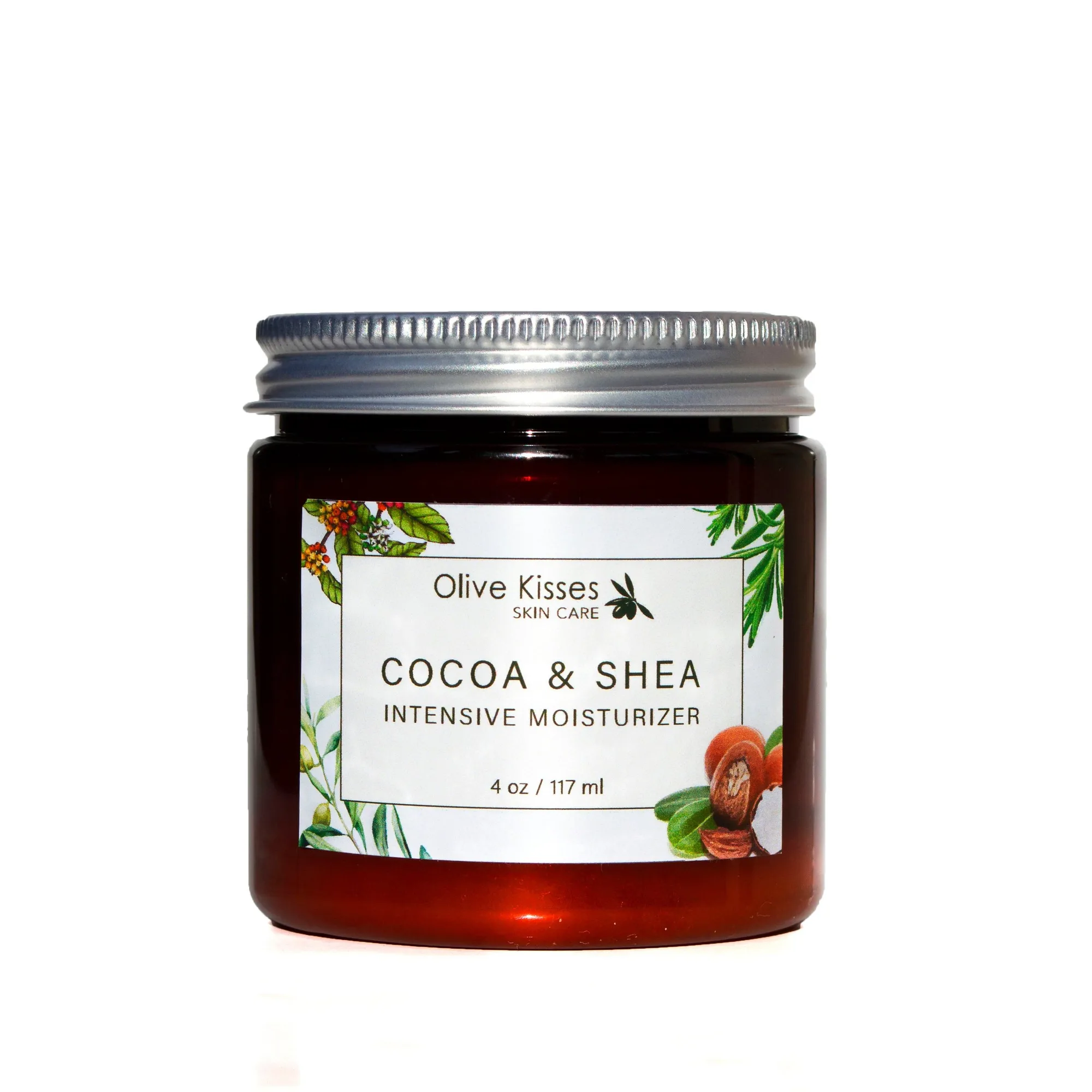
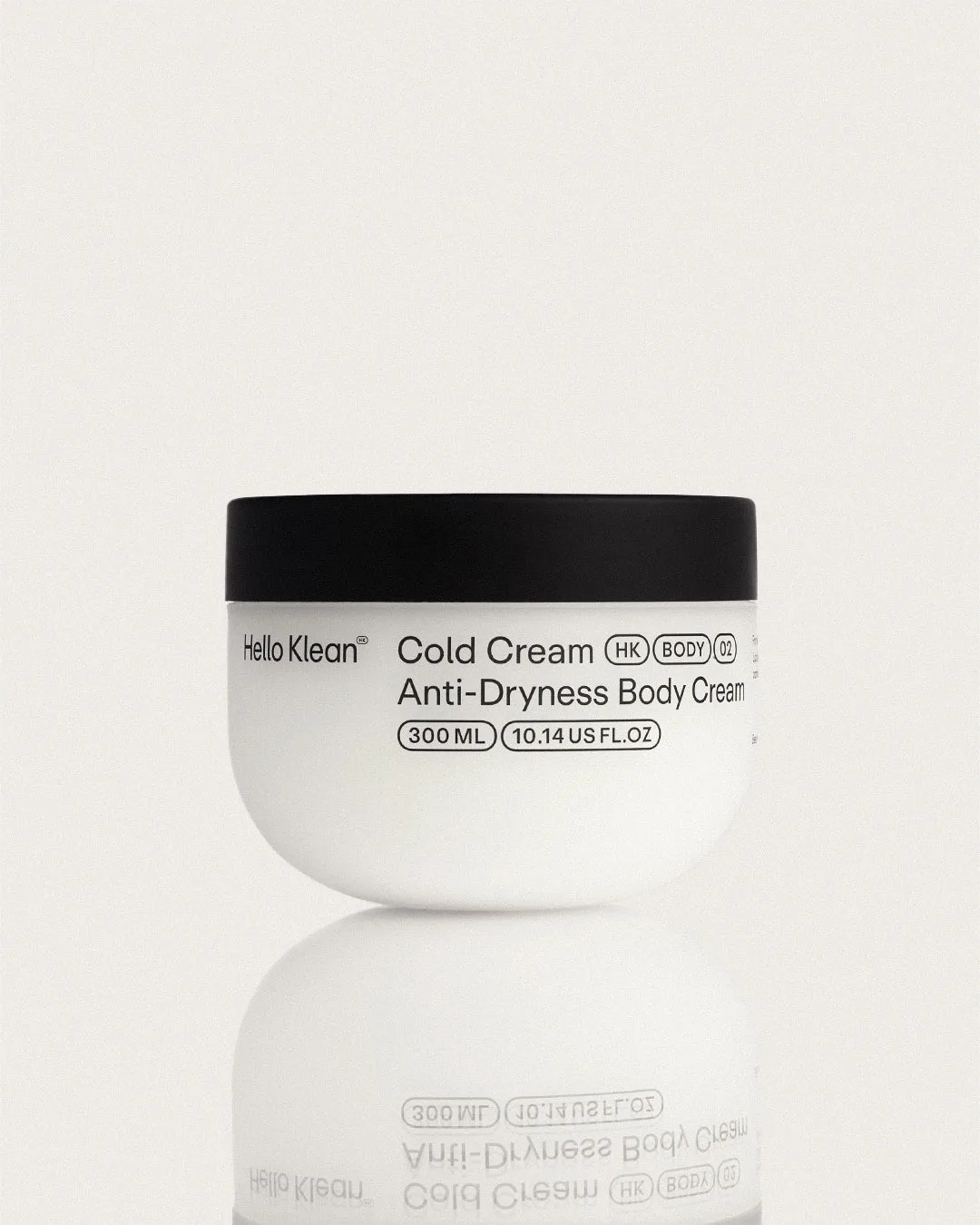
- Cocoa & Shea Moisturizer: A blend of nutrient-dense butters, including cocoa and shea, rich in essential vitamins and fatty acids. The butter blend is what makes this a balm rather than a lotion, so it is best pressed into damp skin in small amounts.
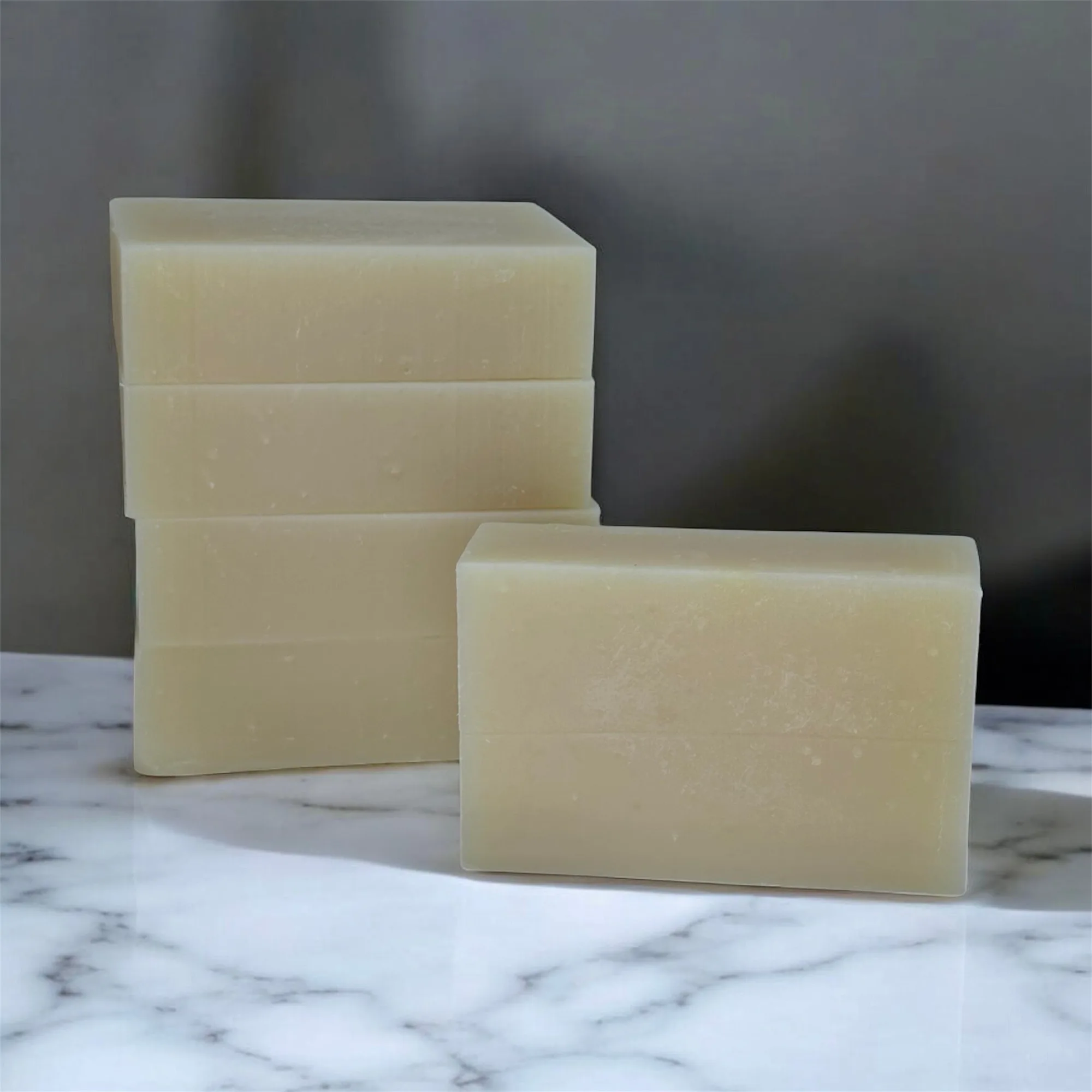
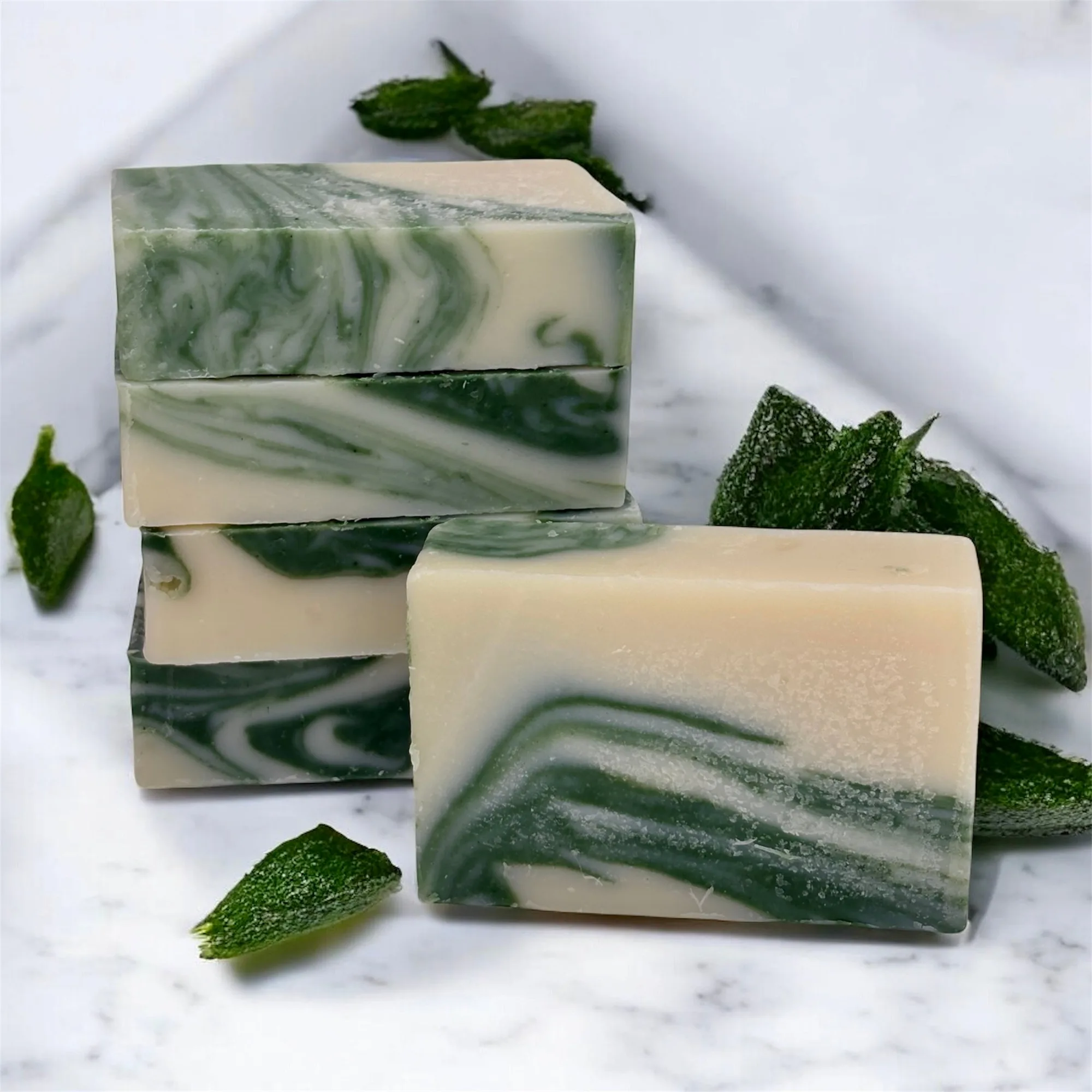
- Unscented Cold Process Soap: Contains raw soap ingredients only: no fragrance, no essential oil, no exfoliants. With nothing added for scent or scrub, it is the gentler first step for skin that reacts to fragranced cleansers.