Two different formats, not two versions of the same thing
A pulling rinse and a mouthwash are both liquids you swish, but they are built to do different jobs. The Coconut Oil Dual Phase Pulling Rinse is a dual-phase formula: a rich oil layer of Virgin Organic Coconut, Organic Sesame and Organic Sunflower Oil, plus a mouthwash layer with pure Australian Tea Tree, Wintergreen and Spearmint Oils. The Ultra Care Tea Tree Oil Mouthwash is a sugar- and alcohol-free blend of botanical extracts, including Chamomile, Myrrh and Aloe, with Australian Eco-Harvest Tea Tree Oil and Zinc Citrate.
That difference in base matters more than the shared tea tree note. One is oil-led and inspired by an Ayurvedic practice; the other is a conventional liquid mouthwash. Which you pick depends on whether you want an oil-based step or a rinse-first format.
Format and ingredients side by side
- Coconut Oil Dual Phase Pulling Rinse: Dual-phase formula with an oil layer (Virgin Organic Coconut, Organic Sesame, Organic Sunflower) and a mouthwash layer with Australian Tea Tree, Wintergreen and Spearmint Oils. The label describes cleansing teeth and gums in as little as three minutes.
- Ultra Care Tea Tree Oil Mouthwash: Sugar- and alcohol-free mouthwash with Chamomile, Myrrh and Aloe to soothe gums, plus Australian Eco-Harvest Tea Tree Oil and Zinc Citrate to fight plaque, bacteria and sugar acids. Peppermint and Spearmint freshen breath.
When the pulling rinse makes more sense
Choose the pulling rinse if you want an oil-based step that feels distinct from brushing and rinsing. The dual-phase design means you get both the oil layer and a tea tree mouthwash layer in one product, so it can serve as a standalone swish when you want something more substantial than a quick rinse. The label suggests using it as needed to help reduce buildup, brighten your smile and boost overall oral health, with a cleansing time as short as three minutes.
It is also the better fit if you prefer a formula built around organic, non-GMO plant oils and want a vegan option. The Wintergreen and Spearmint oils give it a fresh finish, though the oil base will feel different from a standard mouthwash.
When the tea tree mouthwash is the better pick
The Ultra Care Tea Tree Oil Mouthwash suits a conventional rinse routine: swish, spit, done. Because it is sugar- and alcohol-free, it avoids the drying feel some alcohol-based rinses leave. The Chamomile, Myrrh and Aloe are included to soothe irritated gums, while Zinc Citrate and tea tree oil target plaque and bacteria. If your main goal is a quick freshness boost with a soothing botanical blend, this is the more straightforward choice.
It also fits better if you dislike oil textures in your mouth or want a rinse you can use without thinking about layers. The peppermint and spearmint give it a strong fresh-breath profile.
What the labels actually say
-
Coconut Oil Dual Phase Pulling Rinse: Inspired by an ancient Ayurvedic practice, this vegan pulling rinse uses a signature blend of organic, non-GMO plant oils to cleanse teeth and gums in as little as three minutes. Sets a clear time expectation and explains the oil-led approach, which is the main reason to choose it over a standard mouthwash.
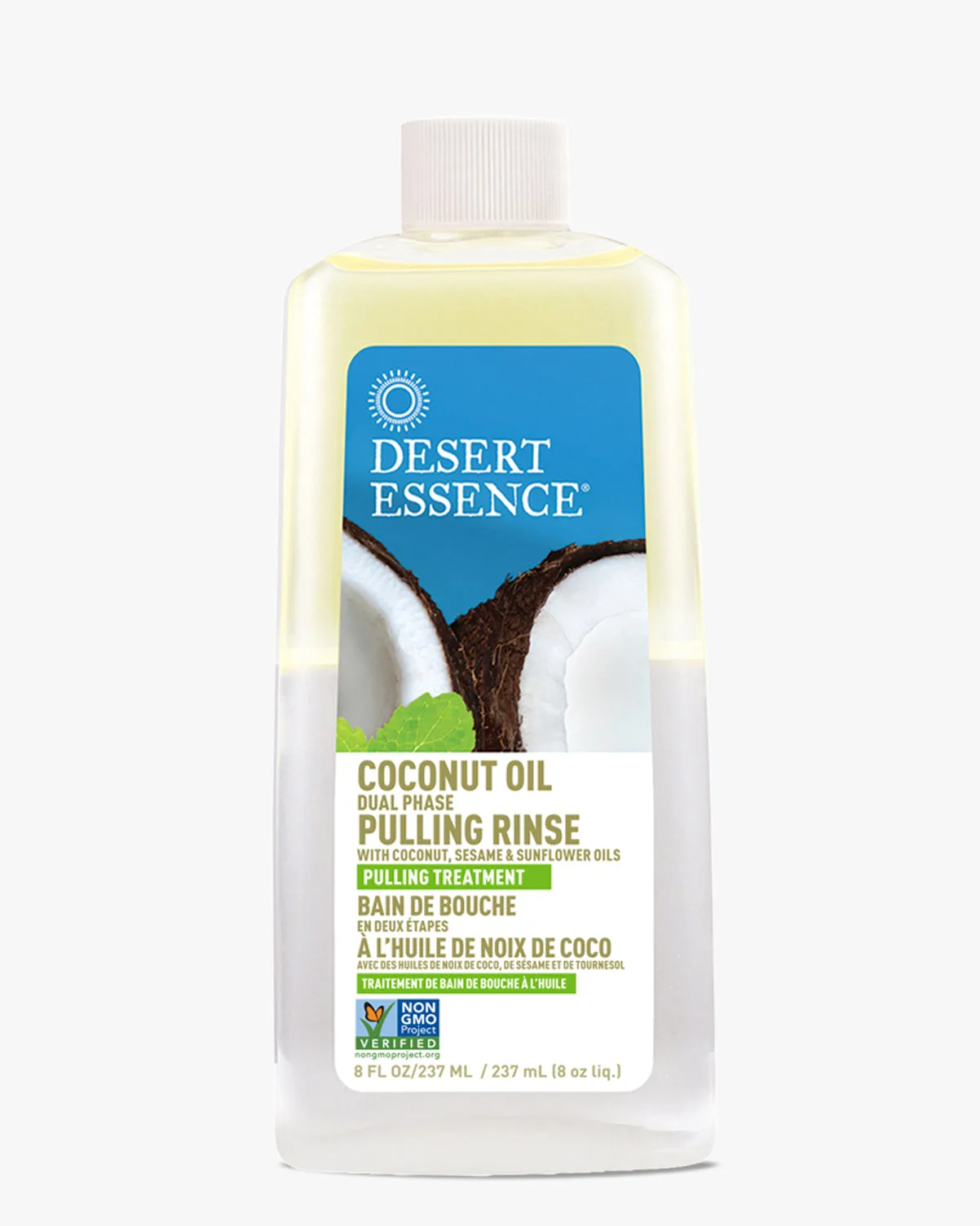
Coconut Oil Dual Phase Pulling Rinse
-
Coconut Oil Dual Phase Pulling Rinse: The dual-phase formula has a rich oil layer of Virgin Organic Coconut, Organic Sesame and Organic Sunflower Oil, plus a mouthwash layer with pure Australian Tea Tree, Wintergreen and Spearmint Oils. Shows that the product combines oil pulling and a mouthwash layer, so you get both formats in one bottle.
-
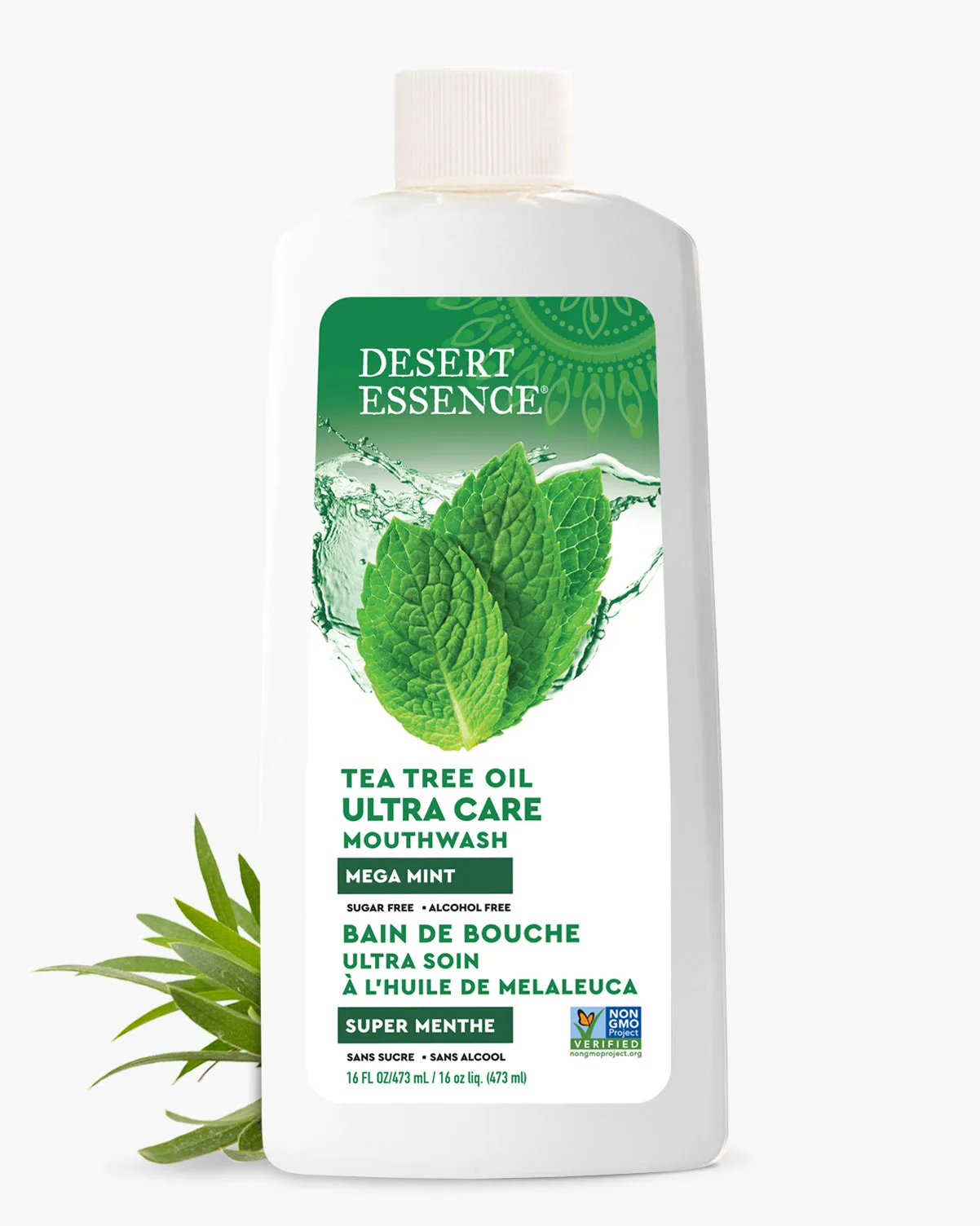
Ultra Care Tea Tree Oil Mouthwash: This sugar- and alcohol-free tea tree oil mouthwash contains Chamomile, Myrrh and Aloe to soothe irritated gums, and Australian Eco-Harvest Tea Tree Oil with Zinc Citrate to fight plaque, bacteria and sugar acids. Highlights the soothing and antibacterial focus of the mouthwash, which appeals to readers with sensitive gums or a preference for alcohol-free rinses.
Ultra Care Tea Tree Oil Mouthwash
-
Ultra Care Tea Tree Oil Mouthwash: Leaves breath fresh with a pure blast of Peppermint and Spearmint. Confirms the fresh-breath benefit, a common reason people reach for mouthwash over oil pulling.
What neither product can tell you
The supplied information does not include specific instructions on how often to use either product beyond the pulling rinse’s “as needed” guidance. It also does not list precautions for gum disease, pregnancy, or children. If you have a diagnosed oral condition or are unsure whether oil pulling or tea tree oil is right for you, check with a dentist or doctor. Neither product is a substitute for professional care.
Also note that the pulling rinse’s three-minute claim is a minimum cleansing time, not a guarantee of results. The mouthwash’s plaque-fighting claims are based on its ingredients, but individual results vary.
A simple way to decide
If you want an oil-based, dual-phase step that feels like a deliberate practice and includes a tea tree mouthwash layer, choose the Coconut Oil Dual Phase Pulling Rinse. If you want a quick, alcohol-free rinse with soothing botanicals and a strong mint finish, choose the Ultra Care Tea Tree Oil Mouthwash. You can also use both at different times: the pulling rinse when you have a few minutes, the mouthwash for a fast refresh. Just keep your regular brushing routine as the foundation.