Quick Answer
Coconut orange tea combines the tropical sweetness of coconut with bright citrus notes, offering a creamy, caffeine-free experience. Traditional orange tea, often made with black or green tea, delivers a sharper, more astringent citrus flavor with caffeine. Choose coconut orange for a soothing, dairy-free treat; choose traditional orange for a classic, energizing cup.
When you're craving a citrusy cup, you might wonder: what's the difference between coconut orange tea and traditional orange tea? Both promise bright, sunny flavors, but they deliver very different experiences. Coconut orange tea blends the richness of coconut with orange zest, creating a smooth, almost dessert-like brew. Traditional orange tea, on the other hand, typically pairs orange peel or oil with black or green tea, resulting in a brisk, tangy drink that's often enjoyed with breakfast.
Understanding these differences helps you pick the right tea for your mood, time of day, and dietary needs. In this comparison, we'll break down flavor profiles, caffeine content, and best uses, so you can make an informed choice—and maybe try both.
Flavor Profile: Creamy vs. Zesty
Coconut orange tea is all about balance. The natural sweetness of coconut softens the sharpness of orange, creating a mellow, rounded flavor that feels indulgent without being heavy. It's often caffeine-free, making it a great evening option. Traditional orange tea, especially when blended with black tea, has a more pronounced citrus bite and a brisk, astringent quality that pairs well with milk and sugar.
If you prefer a tea that feels like a warm dessert, coconut orange is your pick. If you want a bright, wake-up cup that cuts through the morning, traditional orange tea delivers that classic 'tea with a twist' experience.
- Coconut orange tea is naturally sweet—skip the sugar or add a touch of honey.
- Traditional orange black tea works well with a splash of milk.
Caffeine and Time of Day
Caffeine content is a major deciding factor. Coconut orange tea is typically caffeine-free, especially when made with herbal bases like rooibos or chamomile. That makes it a smart choice for late afternoon or evening sipping without disrupting sleep. Traditional orange tea, if it includes black or green tea leaves, contains caffeine and is better suited for mornings or early afternoons.
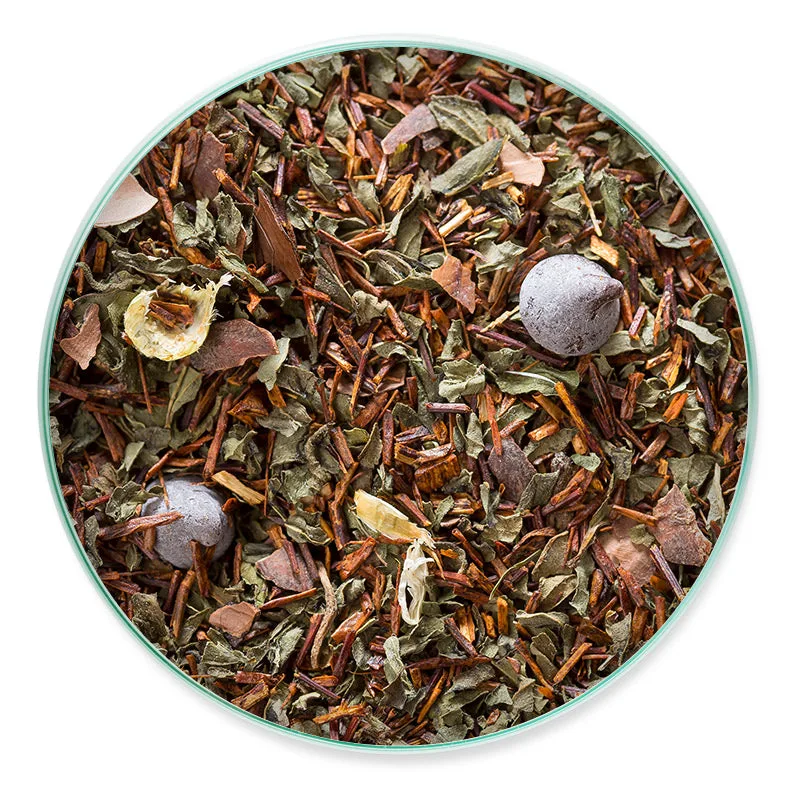
For a caffeine-free alternative that still offers a full-bodied, slightly sweet profile, consider rooibos-based blends. Rooibos is naturally caffeine-free and rich in minerals, making it a popular base for fruity infusions.
- Check the label: if it says 'herbal' or 'rooibos,' it's likely caffeine-free.
- If you're sensitive to caffeine, avoid orange teas with black or green tea leaves.
How to Brew Each Tea
Brewing methods differ slightly. Coconut orange tea, often sold as loose leaf or pyramid bags, benefits from water just off the boil (around 200°F) and a 3–5 minute steep. This allows the coconut and orange flavors to meld fully. Traditional orange black tea can handle boiling water and a shorter 2–3 minute steep to avoid bitterness.
For iced tea, both work well, but coconut orange shines when cold-brewed overnight for a smooth, refreshing drink. Traditional orange tea can be brewed hot and poured over ice, though you may want to sweeten it to balance the tannins.
- Use 1 teaspoon of loose leaf tea per 8 oz cup.
- Adjust steeping time to taste—longer for stronger coconut flavor, shorter for less bitterness.
Health Considerations
Coconut orange tea often contains ingredients like ginger or turmeric, which are known for their anti-inflammatory properties. These blends are typically caffeine-free and can be a soothing choice for digestion. Traditional orange tea, especially with black tea, provides antioxidants but also caffeine, which may not suit everyone.
If you're looking for a tea to support relaxation or evening routines, coconut orange is the better fit. For a morning pick-me-up with citrus notes, traditional orange tea is a classic.
- Always check the ingredient list for added sugars or artificial flavors.
- Coconut adds healthy fats, which can help you feel fuller longer.
Coconut Orange vs. Traditional Orange: The Tradeoffs
- Flavor: Coconut orange offers creamy sweetness; traditional orange is zesty and brisk. Pick coconut for dessert-like sips, traditional for a wake-up call.
- Caffeine: Coconut orange is usually caffeine-free; traditional orange often contains caffeine. Choose coconut for evening, traditional for morning.
- Brewing: Coconut orange steeps longer at lower temps; traditional orange needs shorter steep to avoid bitterness. Adjust time to match your tea type.
Related Products from Love Tea
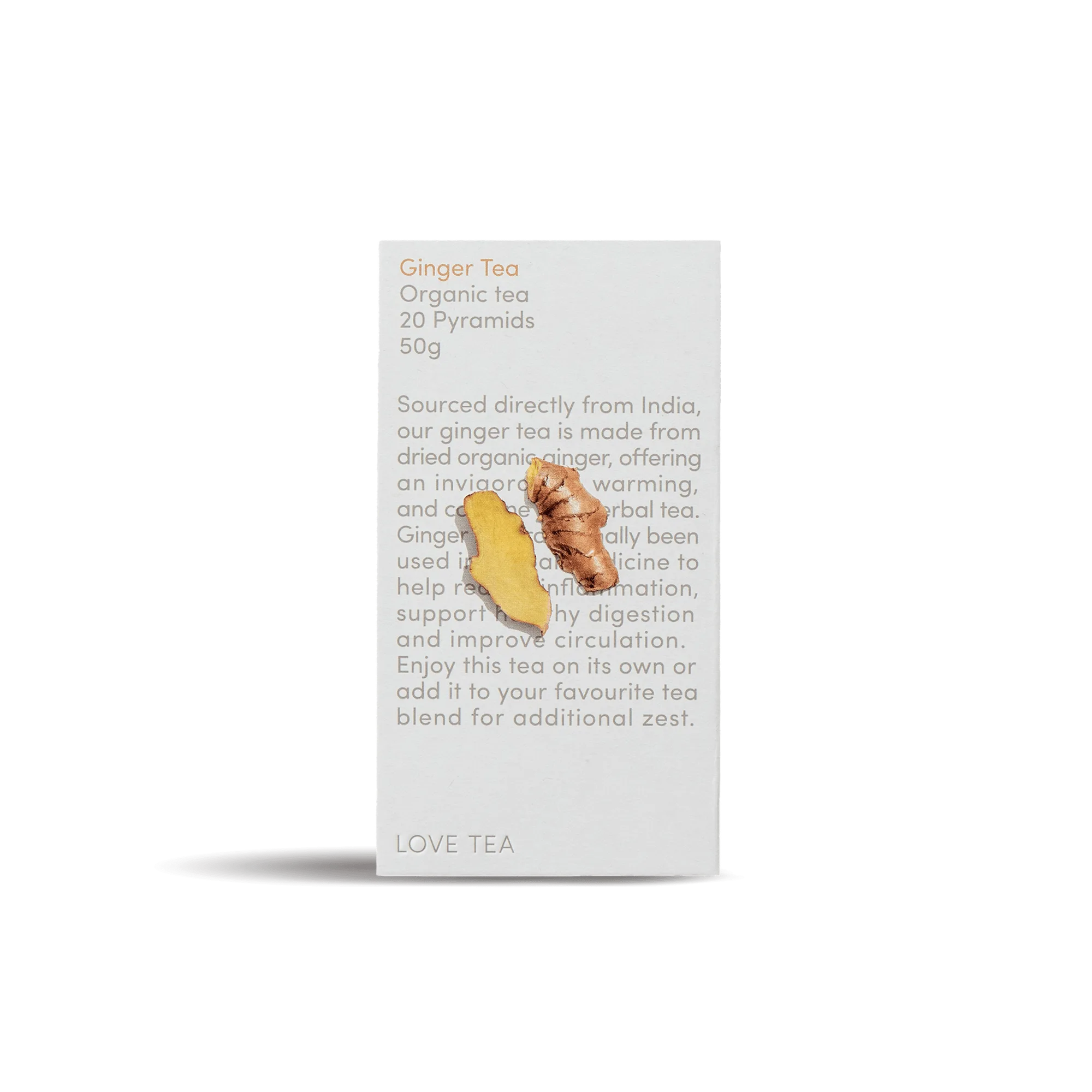
- Ginger Tea Pyramid Tea Bags: Sourced directly from origin, our ginger tea is made from dried organic ginger root and offers an invigorating, warming and caffeine free herbal tea. Ginger has long been associated with herbal medicine and has traditionally been used to help reduce inflammation, support circulation and aid digestive function. If you enjoy the warming, spicy notes that often accompany coconut orange blends, this ginger tea is a great caffeine-free companion or base for your own citrus infusions.
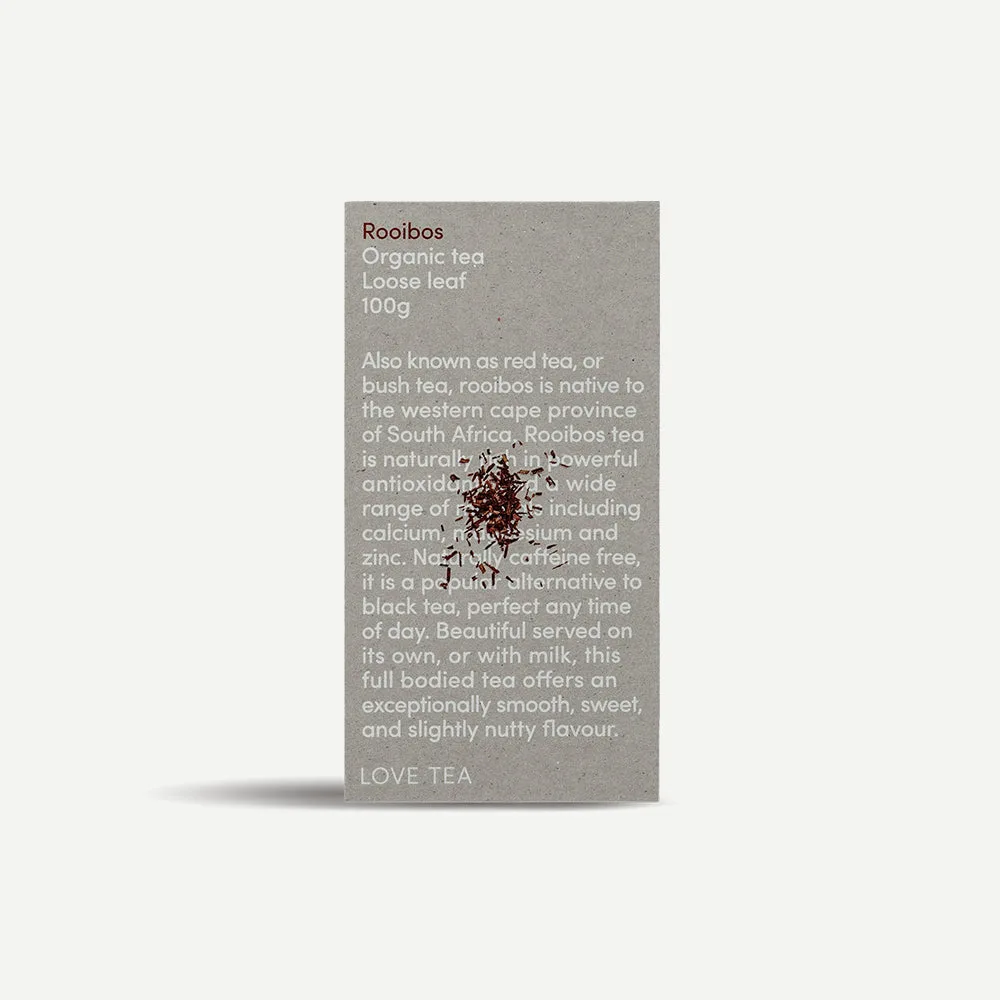
- Rooibos Loose Leaf Tea: Also known as red tea, or bush tea, rooibos is native to the western cape province of South Africa. Rooibos tea is naturally rich in powerful antioxidants and a wide range of minerals including calcium, magnesium and zinc. Naturally caffeine free, it is a popular alternative to black tea, perfect any time of day. Rooibos serves as an excellent caffeine-free base for a homemade coconut orange tea—just add orange zest and coconut flakes for a custom blend.
Which Tea Should You Choose?
Best for
- Those who prefer a caffeine-free, creamy, and slightly sweet tea for relaxation.
- Anyone looking for a dairy-free alternative to chai or dessert teas.
Not for
- If you need a caffeine boost in the morning, traditional orange tea with black tea is a better fit.
- If you dislike sweet or tropical flavors, stick with traditional citrus notes.
Both coconut orange and traditional orange teas have their place. For a soothing, caffeine-free treat, coconut orange is a delightful choice. For a classic, energizing citrus cup, traditional orange tea delivers. Consider your flavor preferences and time of day, and don't be afraid to try both.