The spymaster’s job: connect words without connecting the wrong ones
In Codenames, two teams race to identify their agents from a 5×5 grid of codenames. Each team’s spymaster knows which cards belong to which team, and gives one-word clues plus a number to link multiple cards. Teammates then guess words that match the clue while avoiding the other team’s agents, innocent bystanders, and the assassin. Revealing the assassin ends the game instantly, so every clue carries risk.
Better clues come from understanding the board, your team’s thinking, and the cost of a mistake. The tips below help you give clues that are creative but not reckless.
Start with the board, not the word
Before you speak, scan the full grid. Your clue must point to your agents without accidentally pointing to dangerous cards.
- Identify your agents: Know exactly which words are yours. A clue that could also fit an opponent’s agent or a bystander is a trap.
- Spot the assassin first: The assassin is the deadliest card. If your clue could plausibly match the assassin, choose a different clue—even if it’s weaker.
- Look for natural pairs or groups: Words that share a clear category, function, or association are easier for teammates to link. Start with obvious connections before attempting clever multi-word clues.
How to build a clue that works
A good clue balances ambition with safety. Follow these steps to craft clues your team can follow.
- Pick your target words: Choose one or more of your agents that share a strong association. The stronger the link, the lower the risk of misinterpretation.
- Choose a one-word clue: The clue must be a single word. It should clearly relate to your targets without being so broad that it also fits many other cards.
- Set the number: The number tells teammates how many cards relate to the clue. You can allow guesses up to the number plus one, giving room for strategic risks or revisiting old clues.
- Check for danger: Mentally test the clue against every card on the board. If it strongly suggests an opponent’s agent, a bystander, or the assassin, reconsider.
- Deliver clearly: Say the clue word and number distinctly. Avoid extra words or gestures that could give away more information.
Word association tips that reduce guesswork
Codenames rewards creative thinking, but your teammates need to follow your logic. Use associations that are common enough to be guessed but specific enough to avoid other cards. Think about categories, synonyms, compound words, and cultural references your team will know. Avoid clues that rely on private jokes or obscure knowledge unless your team shares that context.
If you’re tempted to be too clever, remember that a failed guess can cost your team a turn or even the game. A safe clue for one card is often better than a risky clue for two.
What the refreshed Codenames edition offers spymasters
-
CODENAMES: This refreshed edition enhances the classic experience with a revised word list, stunning new art, and a streamlined rulebook that makes it easier than ever to teach and learn. A revised word list means fresh associations to explore, and the streamlined rulebook helps new spymasters grasp the basics quickly.
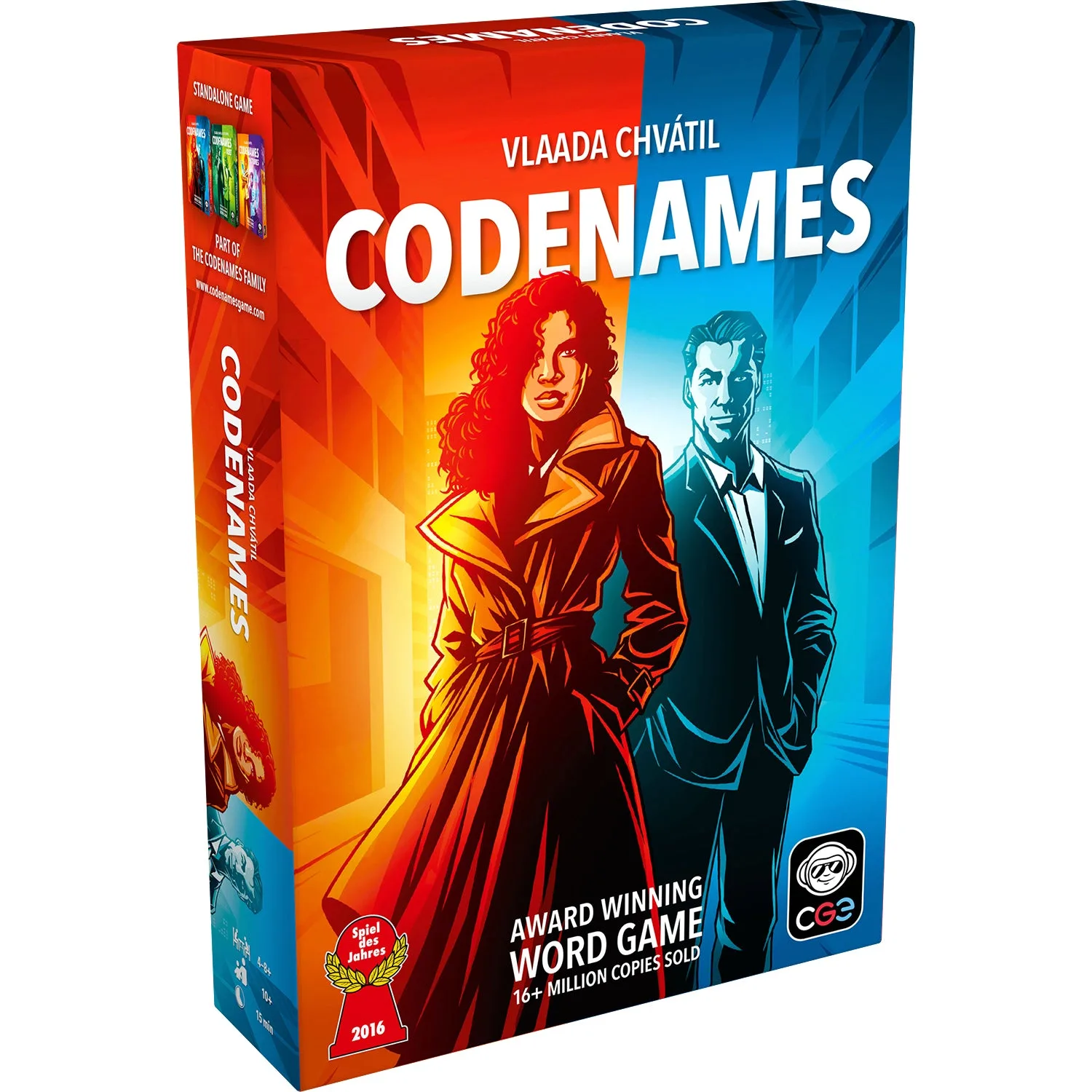
CODENAMES
-
CODENAMES: A new insert keeps everything neatly organized, whether you’re a seasoned spymaster or decoding your first clue. Good organization means less setup time and more focus on giving great clues.
Team communication: reading your teammates
As spymaster, you can’t discuss the board, but you can learn from your team’s guesses. Notice which associations they pick up on and which they miss. If they consistently overlook a type of clue, adjust your style. Encourage them to think aloud within the rules—teammates can discuss guesses among themselves, and their reasoning helps you calibrate future clues.
Remember that teams may guess up to the clue number plus one. This gives you flexibility: you can give a clue for two cards and hope they guess three, or play it safe with a lower number.
Common spymaster mistakes to avoid
Even experienced spymasters slip up. Watch for these pitfalls.
- Cluing the assassin: Always double-check that your clue doesn’t strongly point to the assassin. One careless clue can end the game instantly.
- Being too vague: A clue that could mean anything often leads teammates to the wrong card. Specificity helps.
- Ignoring the board: Don’t fixate on your own words. The best clues account for all visible cards, including opponents’ agents and bystanders.
- Overcomplicating: A simple, clear clue is often more effective than a convoluted one. Save the clever multi-word clues for when you’re confident.