If you’ve ever stood in front of a bag of specialty coffee wondering whether to choose a bright, fruity Ethiopian or a smooth, chocolatey Guatemalan, you’re not alone. Understanding coffee bean origins is one of the most exciting ways to elevate your home brewing experience. The continent where a coffee is grown—and the specific region within it—shapes everything from acidity and body to aroma and aftertaste.
In this guide, we’ll compare two of the most celebrated coffee-growing regions: Africa and Central America. Whether you’re a fan of floral, wine-like cups or prefer nutty, balanced brews, knowing the difference will help you pick the perfect bean for your palate. We’ll also highlight some excellent options available at Colonna Coffee that showcase the best of each origin.
What Defines African Coffee?
African coffees are renowned for their vibrant acidity, complex floral notes, and intense fruitiness. Countries like Ethiopia, Kenya, and Rwanda produce beans that often taste of berries, citrus, jasmine, or even wine. The high altitudes, rich volcanic soils, and traditional processing methods (especially natural or washed) contribute to these distinctive profiles. Ethiopian coffees, in particular, are beloved for their tea-like body and bright, sometimes sparkling acidity.
For those who enjoy a coffee that challenges the palate with layered flavors, African origins are a fantastic choice. They pair beautifully with filter brewing methods that highlight clarity, such as pour-over or Aeropress. If you’re curious to explore, the Discovery Beans from Colonna Coffee offer a curated selection that often includes African single origins, perfect for adventurous home baristas.
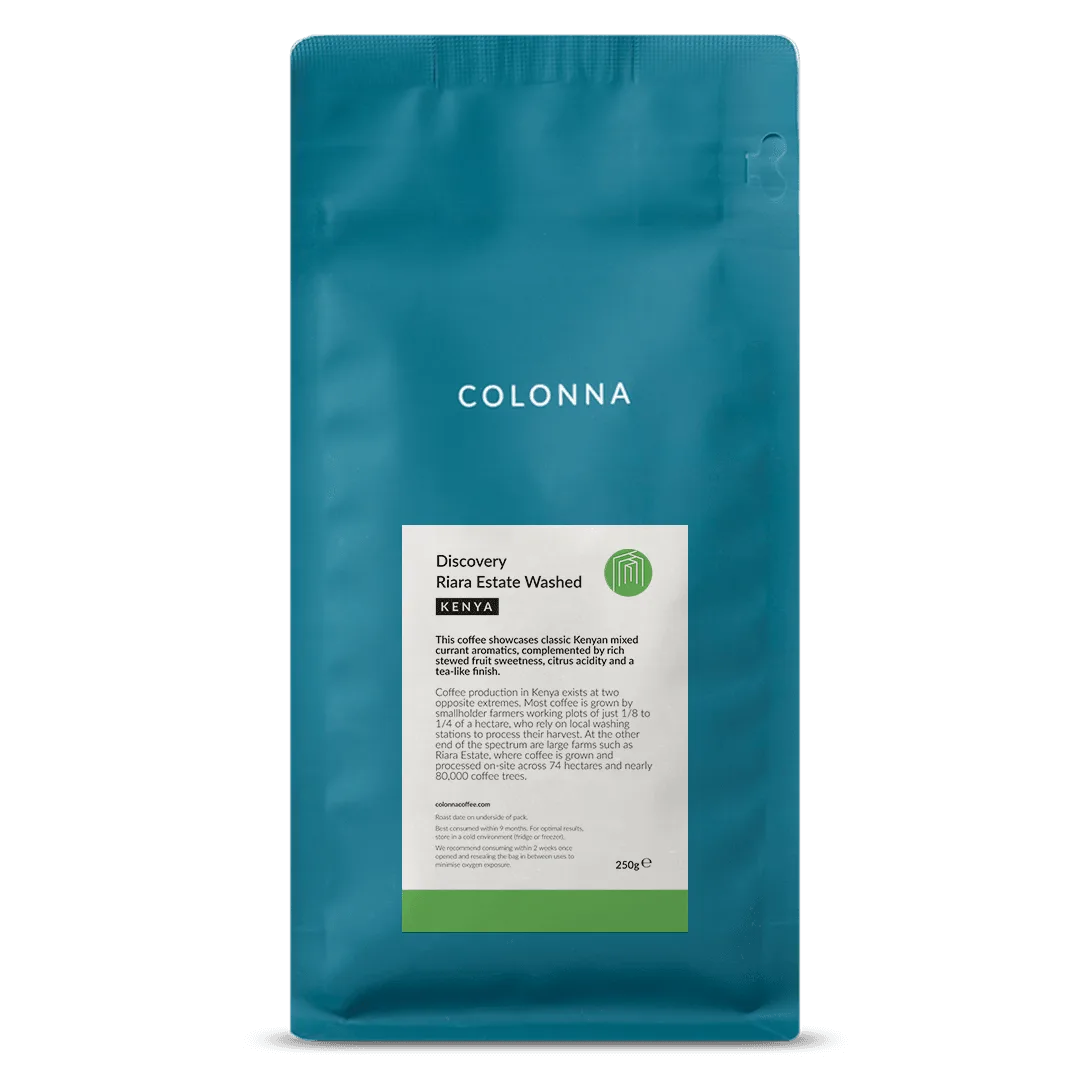
Discovery Beans
- Typical flavors: blueberry, lemon, jasmine, black tea, wine
- Best brewing methods: pour-over, Aeropress, filter coffee
- Notable origins: Ethiopia Yirgacheffe, Kenya SL28, Rwanda
What Defines Central American Coffee?
Central American coffees, from countries like Guatemala, Costa Rica, Honduras, and Panama, are prized for their balance, sweetness, and body. These beans often present notes of chocolate, caramel, nuts, and stone fruits, with a medium to full body and a clean, round acidity. The region’s volcanic soils, consistent climate, and careful processing (often washed) yield consistently delicious, approachable cups.
Central American beans are incredibly versatile, working well for both espresso and filter coffee. They are an excellent choice for milk-based drinks, where their chocolatey notes complement the dairy. For a standout example, the 007 - Esmeralda Special from Colonna Coffee is a celebrated Panamanian Gesha that delivers an extraordinary balance of floral sweetness and clean acidity—a true showcase of Central American excellence.

007 - Esmeralda Special
- Typical flavors: chocolate, caramel, almond, apple, honey
- Best brewing methods: espresso, French press, drip coffee
- Notable origins: Guatemala Antigua, Costa Rica Tarrazú, Panama Boquete
Key Flavor Differences at a Glance
To help you decide which origin to try next, here’s a quick comparison of the main flavor characteristics you can expect from African versus Central American coffees.
- Acidity: African coffees are often high and bright (citrus, wine-like); Central American coffees are medium to high but more rounded (apple, stone fruit).
- Body: African beans tend to be light to medium (tea-like); Central American beans are medium to full (syrupy, creamy).
- Aroma: African coffees smell of flowers, berries, and spice; Central American coffees smell of chocolate, nuts, and caramel.
- Best for: African beans shine in black filter coffee; Central American beans excel in espresso and milk drinks.
How to Choose Based on Your Brewing Method
Your preferred brewing method can also guide your origin choice. For pour-over or Aeropress, African coffees are ideal because their delicate, fruity notes are beautifully highlighted. The Aeropress Filter Papers (350) from Colonna Coffee are a great companion for these methods, ensuring a clean, sediment-free cup that lets the origin shine.
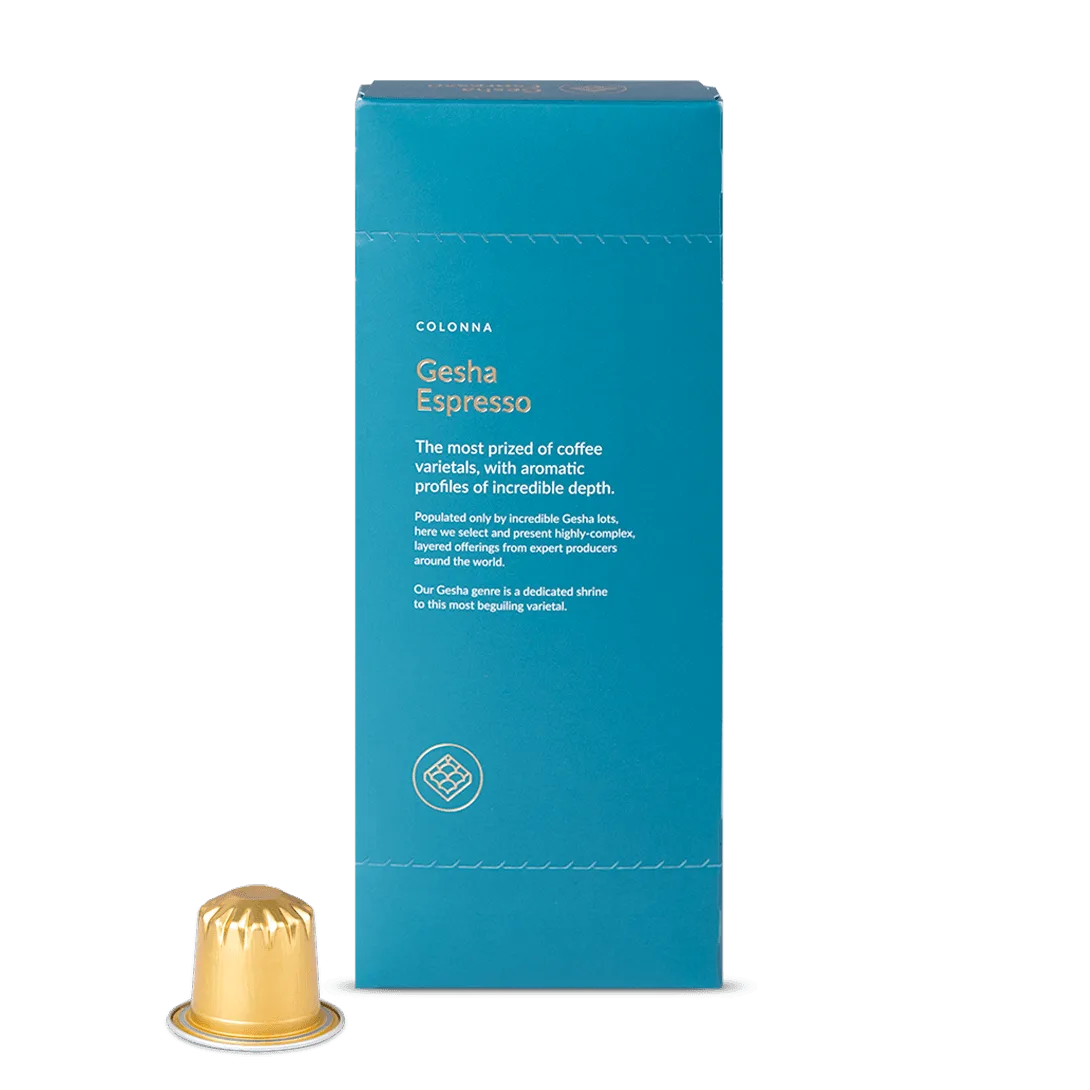
If you’re an espresso lover, Central American beans are often a safer bet. Their balanced sweetness and full body create a rich, chocolatey shot that works wonderfully on its own or with milk. For an exceptional espresso experience, try the Rare Espresso Capsules from Colonna Coffee, which feature carefully sourced Central American beans in a convenient capsule format—without sacrificing quality.
- For filter coffee: choose African origins for brightness and complexity
- For espresso: choose Central American origins for body and sweetness
- For milk drinks: Central American beans complement dairy beautifully
Exploring Beyond the Basics: Single Origins and Blends
While single-origin coffees from Africa or Central America are fantastic for understanding terroir, blends can offer the best of both worlds. Many roasters create blends that combine the bright fruitiness of African beans with the creamy body of Central American beans, resulting in a balanced, crowd-pleasing cup.
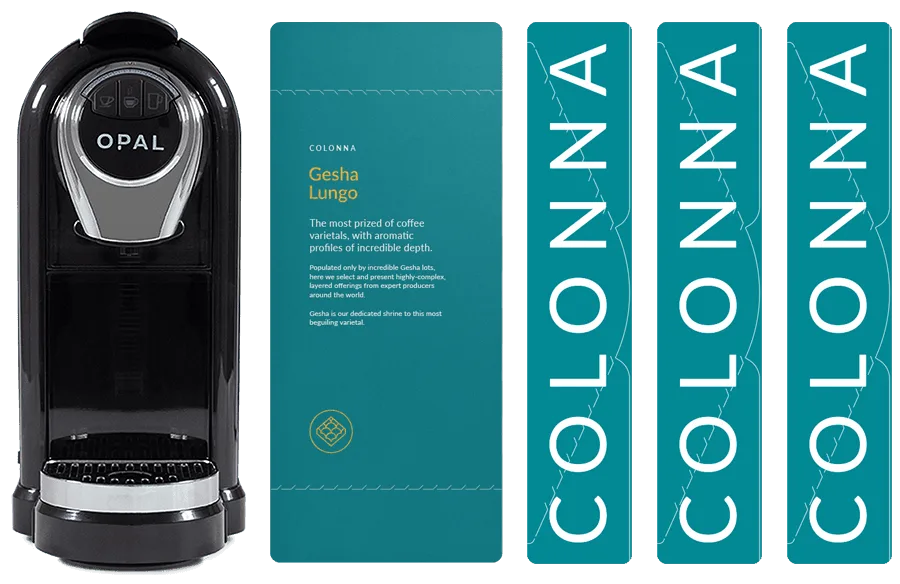
Colonna Coffee’s Rare Lungo Capsules are an excellent example of a blend that delivers complexity and smoothness, perfect for those who enjoy a longer, milder coffee. Whether you’re a purist or an experimenter, exploring different origins and blends is a rewarding journey that deepens your appreciation for coffee.
- Single origins: highlight unique regional characteristics
- Blends: offer balance and consistency
- Tip: try a side-by-side tasting of an African and a Central American single origin to train your palate
Understanding coffee bean origins is the key to unlocking a world of flavor. Whether you’re drawn to the bright, floral notes of Africa or the smooth, chocolatey richness of Central America, Colonna Coffee has exceptional options to explore. Start your tasting journey today with the Discovery Beans and discover your new favorite origin.