For centuries, coffee has been more than just a morning ritual. It has fueled late-night writing sessions, sparked conversations in Parisian cafés, and accompanied countless artists, writers, and thinkers in their most creative moments. The link between coffee and creativity is both cultural and scientific, rooted in how caffeine interacts with our brain and how the ritual of brewing prepares our mind for deep work.
Whether you are a designer staring at a blank canvas, a programmer debugging complex code, or a writer searching for the perfect phrase, your cup of coffee can be a powerful ally. In this article, we explore the fascinating connection between coffee and creativity, and how you can harness it to boost your own inspiration and productivity.
The Science Behind Coffee and Creativity
Caffeine, the primary active compound in coffee, is a central nervous system stimulant. It works by blocking adenosine, a neurotransmitter that promotes relaxation and sleep. By doing so, caffeine increases the release of other neurotransmitters like dopamine and norepinephrine, which enhance alertness, focus, and mood. This state of heightened arousal is ideal for creative thinking, as it allows you to concentrate on a single task while maintaining the mental flexibility to generate new ideas.
Research suggests that moderate caffeine consumption can improve divergent thinking—the ability to come up with multiple solutions to a problem. A 2018 study published in the journal Consciousness and Cognition found that participants who consumed caffeine performed better on tasks requiring creative problem-solving and idea generation. However, the effect is dose-dependent: too much caffeine can lead to jitteriness and anxiety, which can hinder creativity. The key is finding your optimal intake.
- Start with a moderate dose—around 200 mg (about two cups of filter coffee) is often effective for cognitive enhancement.
- Avoid drinking coffee on an empty stomach if you are prone to anxiety; pair it with a light snack to smooth the energy curve.
- Time your coffee intake to align with your natural peak creative hours—for many, that is mid-morning or early afternoon.
The Ritual of Brewing: A Creative Warm-Up
Beyond the chemical effects of caffeine, the act of preparing coffee itself can be a meditative practice that primes the mind for creativity. Measuring beans, grinding them, pouring water over the grounds—these repetitive, sensory-rich actions create a space for the mind to wander and generate ideas. For many creatives, the brewing ritual serves as a transition from the chaos of daily life into a focused, contemplative state.
Choosing the right equipment can enhance this experience. For example, using a manual pour-over setup like the V60 Filter Papers allows you to slow down and engage with the process. The tactile feedback of the paper, the aroma of fresh coffee, and the visual dance of water through the grounds all contribute to a mindful moment. This ritual can be especially valuable for those who struggle with 'blank page syndrome'—it gives the brain a gentle, structured activity to ease into creative work.
- Experiment with different brew methods to find one that feels like a creative ritual rather than a chore.
- Use a dedicated notebook to jot down fleeting ideas that arise during your coffee preparation.
- Consider brewing a single cup with care rather than a full pot—the intentionality can spark inspiration.
Coffee as a Social Catalyst for Creative Collaboration
Coffee has long been a social lubricant in creative communities. From the coffeehouses of 18th-century Vienna to modern co-working spaces, sharing a cup of coffee has facilitated the exchange of ideas, feedback, and collaboration. The informal, low-pressure setting of a coffee break can encourage open dialogue and spontaneous brainstorming, often leading to breakthroughs that would not occur in a formal meeting.
If you work in a team, consider incorporating a 'coffee hour' into your weekly routine. Invite colleagues to share a brew and discuss a creative challenge without agenda. The relaxed atmosphere and the shared sensory experience of coffee can lower defenses and foster a culture of innovation. Even solo creatives can benefit from virtual coffee chats with peers—the act of connecting over a common beverage can spark new perspectives.
- Host a tasting session with single-origin coffees like Oscar Hernández to explore how different flavor profiles can influence mood and conversation.
- Use coffee breaks as intentional 'idea incubation' time—set a timer for 10 minutes and discuss one creative challenge with a colleague.
- Create a shared coffee station in your workspace to encourage spontaneous interactions.
Pairing Coffee with Creative Practices
To maximize the creative benefits of coffee, consider pairing it with specific practices that align with your workflow. For example, many writers find that sipping a warm cup of coffee while freewriting helps them bypass their inner critic and generate raw material. Visual artists might use the sensory experience of coffee as a prompt—painting with coffee stains or using the aroma to evoke memories and emotions.
Another effective technique is the 'coffee nap'—drinking a cup of coffee immediately before a 20-minute nap. The caffeine takes about 20 minutes to reach peak levels in the bloodstream, so you wake up from the nap feeling refreshed and alert. This combination has been shown to enhance cognitive performance and creativity more than either coffee or napping alone. For those who prefer a more structured approach, try the Pomodoro Technique with coffee: work for 25 minutes, then take a 5-minute coffee break to reset your focus.
- Keep a small notebook and pen near your coffee station to capture ideas that surface during brewing.
- Experiment with different coffee origins—bright, fruity coffees may stimulate different creative pathways than dark, chocolatey roasts.
- Try a decaf option like Páramo Decaf in the evening if you want the ritual without the caffeine, allowing your brain to wind down while still engaging in creative reflection.
Choosing the Right Coffee for Your Creative Session
Not all coffee is created equal when it comes to creativity. The flavor profile, roast level, and even the origin of the beans can influence your mood and cognitive state. Bright, acidic coffees with fruity notes (often from Ethiopia or Kenya) can be invigorating and help with idea generation, while full-bodied, chocolatey coffees (from Brazil or Colombia) may promote a sense of calm focus ideal for execution.
If you are looking for a coffee that balances both worlds, consider a subscription like Horizons Subscription. It delivers a curated selection of single-origin coffees that rotate seasonally, exposing you to new flavor profiles that can inspire fresh thinking. For those who prefer a hands-on approach, grinding your own beans with a quality grinder, such as the WatchHouse Comandante C40 MK4 Grinder, ensures optimal freshness and allows you to adjust grind size to match your brew method—a small but meaningful way to take control of your creative environment.
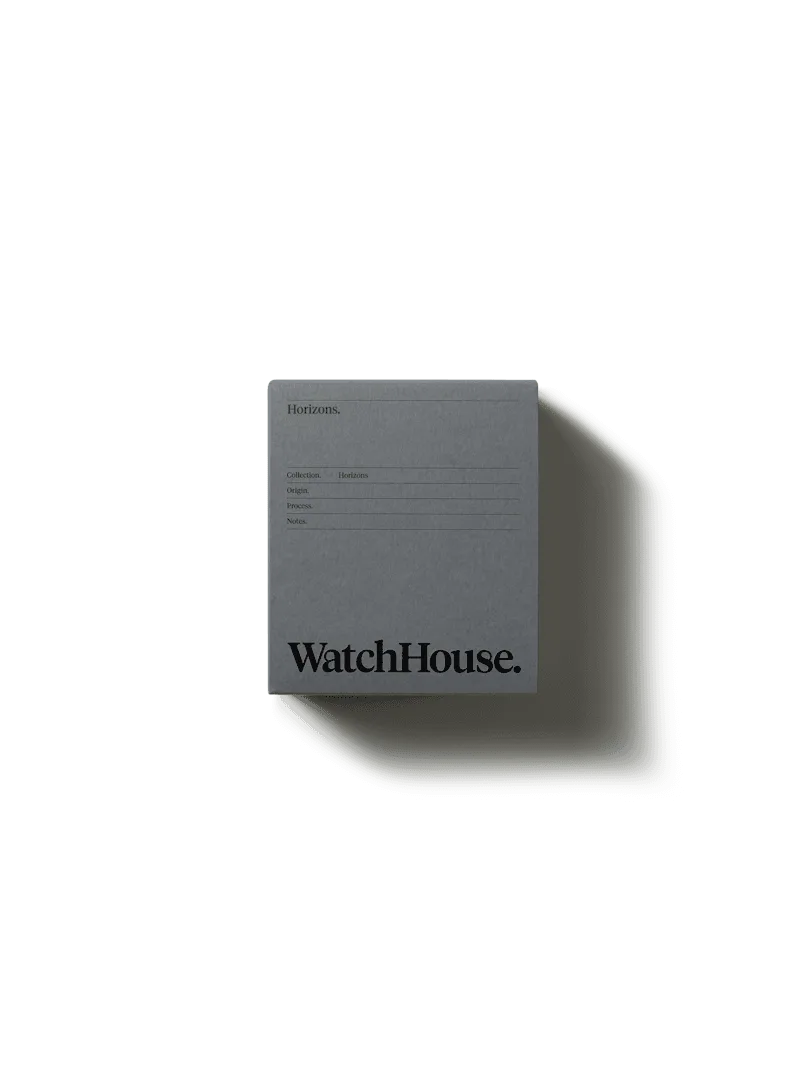
Horizons Subscription.
- Match your coffee choice to the type of creative work: bright, light roasts for brainstorming; smooth, medium roasts for deep focus.
- Keep a tasting journal to note which coffees correlate with your most productive or inspired sessions.
- Don't be afraid to try a new origin or blend each week to keep your palate—and your mind—engaged.
Coffee is more than a beverage—it is a tool for unlocking your creative potential. By understanding the science behind caffeine, embracing the ritual of brewing, and choosing the right beans for your needs, you can transform your daily cup into a catalyst for inspiration. Whether you are a seasoned artist or a curious beginner, the journey of coffee and creativity is one worth exploring. Start your next creative session with a cup of carefully crafted coffee—you might be surprised where the ideas flow.