When it comes to brewing exceptional coffee at home, few factors are as critical as grind size. The difference between a perfectly balanced cup and a bitter, over-extracted disaster often comes down to how finely or coarsely you grind your beans. Yet many home brewers overlook this fundamental step, relying on pre-ground coffee or inconsistent grinder settings.
In this coffee grinding guide, we'll break down the essential grind sizes for every popular brew method. Whether you're a devoted espresso lover or a French press enthusiast, understanding how grind size affects extraction will transform your daily coffee ritual. We'll also share practical tips for dialing in your grinder and recommend some of our favorite coffees to experiment with.
Why Grind Size Matters for Coffee Extraction
Coffee extraction is the process of dissolving soluble compounds from the coffee grounds into water. The grind size directly controls the surface area exposed to water: finer grinds have more surface area and extract faster, while coarser grinds extract more slowly. If your grind is too fine for a given brew method, you risk over-extraction, leading to bitterness and astringency. Too coarse, and you'll get under-extracted, sour, or weak coffee.
The goal is to match the grind size to the brew time of your method. Espresso, with a contact time of 25–30 seconds, demands a very fine grind to create the necessary resistance and pressure. French press, which steeps for 4 minutes, needs a coarse grind to avoid over-extraction and sediment. Pour-over methods like V60 or Chemex fall somewhere in between, requiring a medium grind that balances extraction with flow rate.
- Finer grind → faster extraction → use for short brew times (espresso, Aeropress)
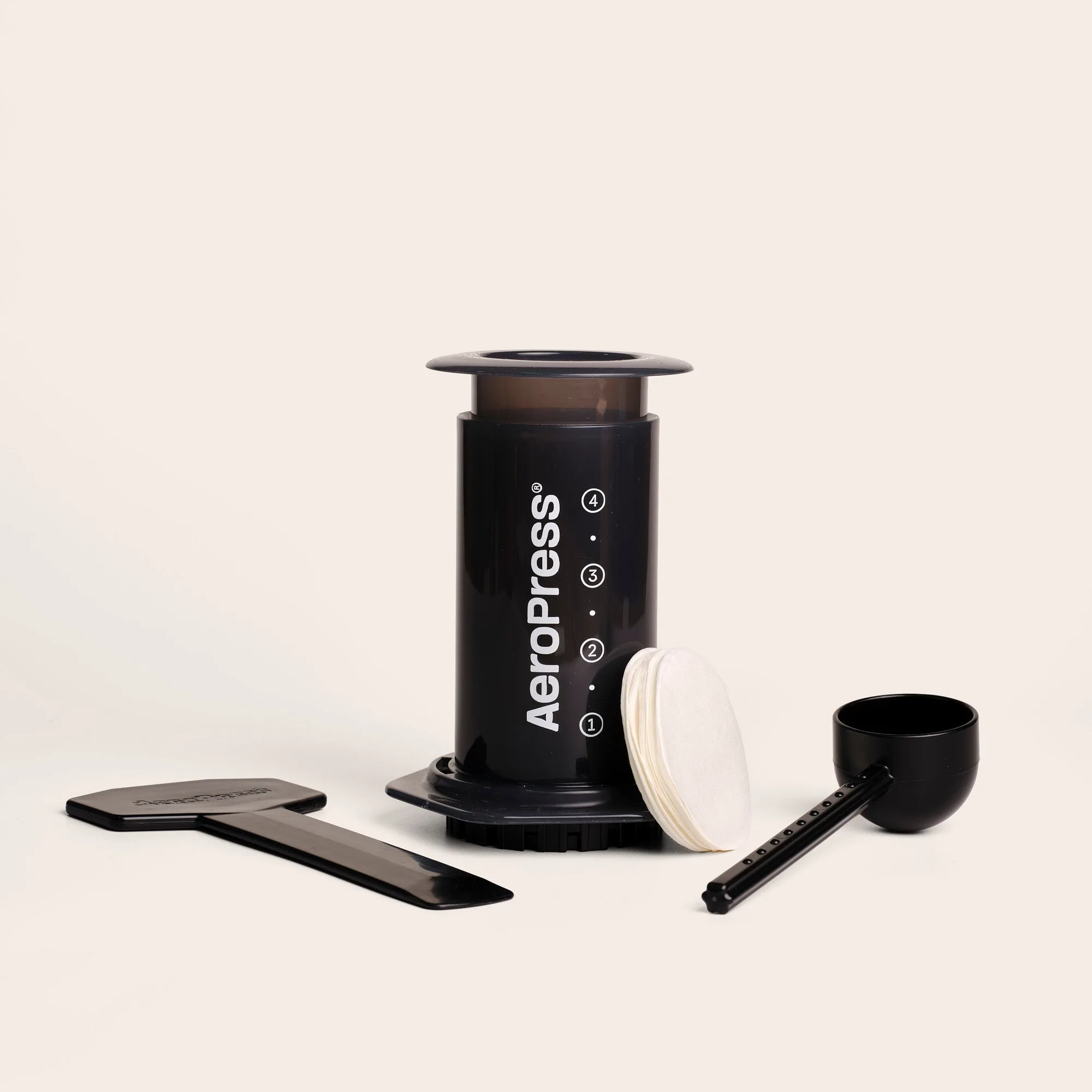
Aeropress
- Coarser grind → slower extraction → use for long brew times (French press, cold brew)
- Medium grind → balanced extraction → use for pour-over, drip coffee makers
The Ultimate Coffee Grind Size Chart
To help you visualize the range of grind sizes, here's a quick reference chart. Keep in mind that grinders vary, so these are guidelines—always adjust based on taste and your specific equipment.
Extra Fine (powder-like): Used for Turkish coffee and some espresso machines. This grind is almost like flour and requires a high-quality burr grinder to achieve evenly.
Fine (table salt consistency): Ideal for espresso. The fine particles create the necessary resistance for a 25–30 second shot. A dedicated espresso grinder is recommended for consistency.
Medium-Fine (sand texture): Perfect for Aeropress (with a 1–2 minute steep) and some pour-over cones. It's slightly coarser than espresso but still fine enough for quick extraction.
Medium (sea salt consistency): The go-to for drip coffee makers, Chemex, and most pour-over methods (V60, Kalita Wave). This size allows water to flow through evenly in 3–4 minutes.
Medium-Coarse (rough sand): Works well for clever drippers, siphon brewers, and some automatic drip machines with longer brew cycles. It offers a balanced extraction with slightly less bitterness.
Coarse (peppercorn or breadcrumb consistency): Best for French press, cold brew, and percolators. The large particles prevent over-extraction during long steep times (4+ minutes for French press, 12–24 hours for cold brew).
- Extra Fine: Turkish coffee
- Fine: Espresso
- Medium-Fine: Aeropress, some pour-over
- Medium: Drip coffee, Chemex, V60
- Medium-Coarse: Siphon, clever dripper
- Coarse: French press, cold brew
How to Dial in Your Grind for Each Brew Method
Espresso: Start with a fine grind (table salt consistency). If your shot runs too fast (under 20 seconds), grind finer. If it chokes (over 35 seconds), grind coarser. Aim for a 1:2 ratio of coffee to water in 25–30 seconds. For exceptional results, try our Firehouse Coffee Sample 50g (Whole Bean) which is roasted to complement espresso's bold profile.

Firehouse Coffee Sample 50g (Whole Bean)
Pour-Over (V60, Chemex): Use a medium grind (sea salt consistency). The brew should finish in 3–4 minutes. If it's too fast and the coffee tastes sour, grind finer. If it's too slow and bitter, grind coarser. A consistent pour technique is also key.
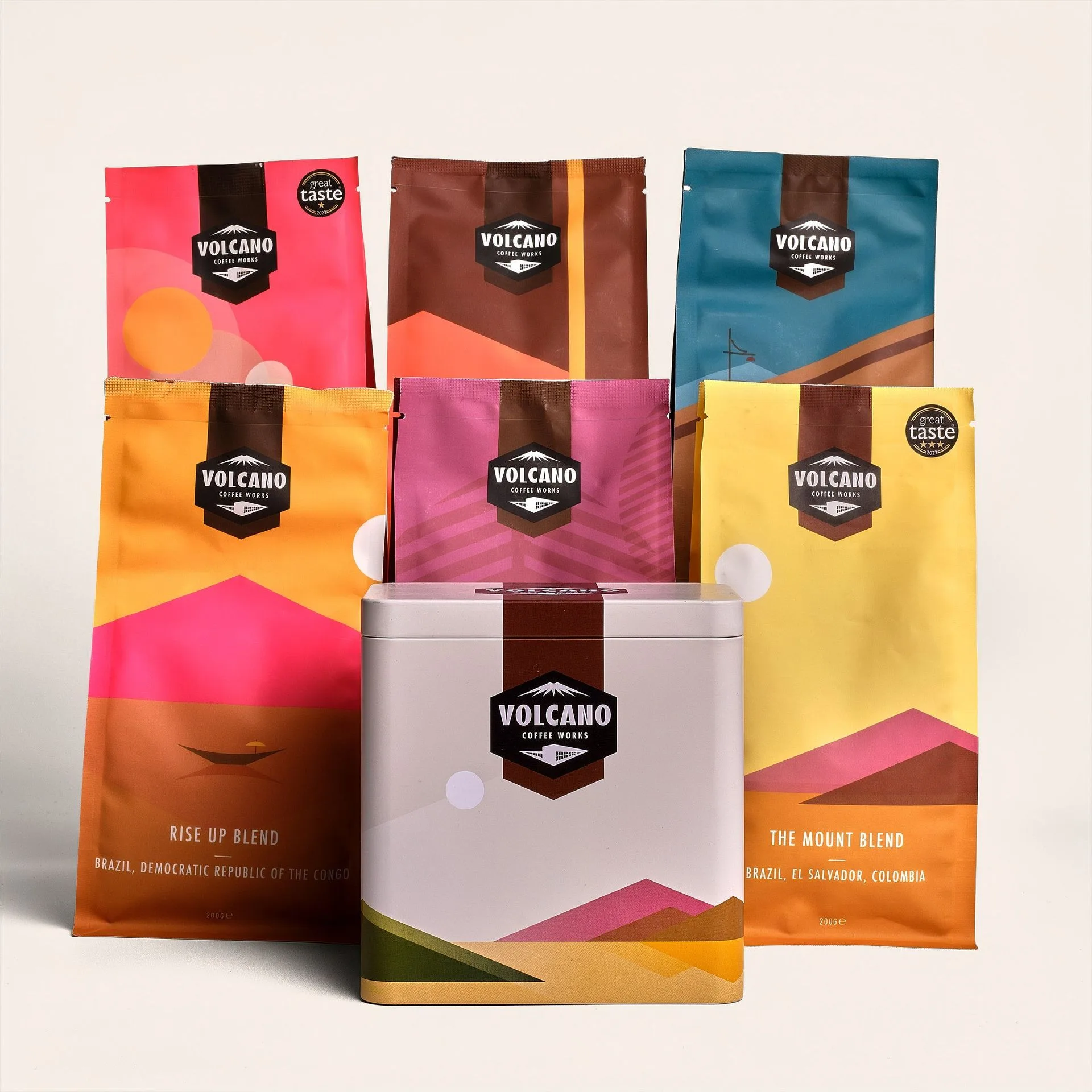
French Press: Go coarse (peppercorn size). Steep for 4 minutes, then press slowly. If you notice excessive sediment or bitterness, try a slightly coarser grind. Our Mount Blend Coffee Sample 50g (Whole Bean) offers a smooth, balanced flavor that shines with this method.
Aeropress: Medium-fine grind works best for standard recipes (1–2 minute steep). For a stronger brew, use a finer grind and shorter steep time. The Aeropress XL is great for making larger batches while maintaining consistency.
Cold Brew: Use a very coarse grind (almost like cracked peppercorns). Steep for 12–24 hours at room temperature or in the fridge. The coarse grind prevents over-extraction and yields a smooth, low-acid concentrate.
- Always use a burr grinder for uniform particle size—blade grinders create uneven grounds that lead to inconsistent extraction.
- Clean your grinder regularly to remove stale coffee oils and residue that can affect flavor.
- Adjust grind size based on taste, not just the chart. Your water temperature, coffee freshness, and personal preference all play a role.
Common Grind Size Mistakes and How to Fix Them
Even experienced home brewers make grind size errors. Here are the most common pitfalls and how to correct them:
Mistake 1: Using pre-ground coffee for espresso. Pre-ground coffee is often ground for drip machines, which is too coarse for espresso. You'll get a fast, watery shot with little crema. Solution: Grind fresh from whole beans using a quality burr grinder.
Mistake 2: Grinding too fine for French press. This leads to over-extraction and a muddy, bitter cup with lots of sediment. Solution: Go coarser—aim for breadcrumb-sized particles.
Mistake 3: Using a medium grind for cold brew. Cold brew requires a very coarse grind to avoid bitterness during the long steep. Solution: Grind as coarsely as possible, even larger than French press grind.
Mistake 4: Not adjusting grind for different roast levels. Dark roasts are more soluble and often benefit from a slightly coarser grind, while light roasts may need a finer grind to extract fully. Experiment with our Fullsteam 500g Whole Bean to see how roast affects your grind settings.
- If your coffee tastes sour or acidic, try a finer grind.
- If your coffee tastes bitter or hollow, try a coarser grind.
- Keep a notebook to track your grind settings for different coffees and methods.
Mastering grind size is the single most impactful skill you can develop as a home barista. With this coffee grind size chart and our practical tips, you're now equipped to dial in any brew method with confidence. Start experimenting with our Mount Blend Coffee Sample 50g (Whole Bean) to see how grind adjustments transform your cup—order yours today and taste the difference precision makes.