If you own a drip coffee maker, espresso machine, or single-serve brewer, you've probably noticed that the flavor and brewing speed change over time. That's limescale building up inside—hard water minerals that coat heating elements and block water flow. Regular descaling is the only way to restore performance and keep your machine running for years. But with so many descaling options on the shelf, how do you choose the best one?
This guide breaks down the key factors: powder vs liquid, compatibility with different machines, how often to descale, and what else you need for complete coffee maker care. Whether you're a daily brewer or a weekend espresso lover, you'll know exactly what to look for.
Why Descaling Is Essential for Coffee Machine Maintenance
Every time you brew with tap water, minerals like calcium and magnesium settle inside your machine. Over months, that buildup acts like insulation, making your coffee maker work harder and heat less efficiently. The result? Longer brew cycles, bitter or sour coffee, and eventually a machine that stops working. Descaling removes that scale, restoring proper temperature and flow. It's not optional—it's a core part of coffee machine maintenance.
Some people try vinegar or citric acid, but those can leave residues or damage rubber seals. A dedicated coffee maker descaler is formulated to dissolve limescale quickly without harming internal components. It also rinses clean, so your next cup tastes pure. That's why using the right solution matters more than just any acid.
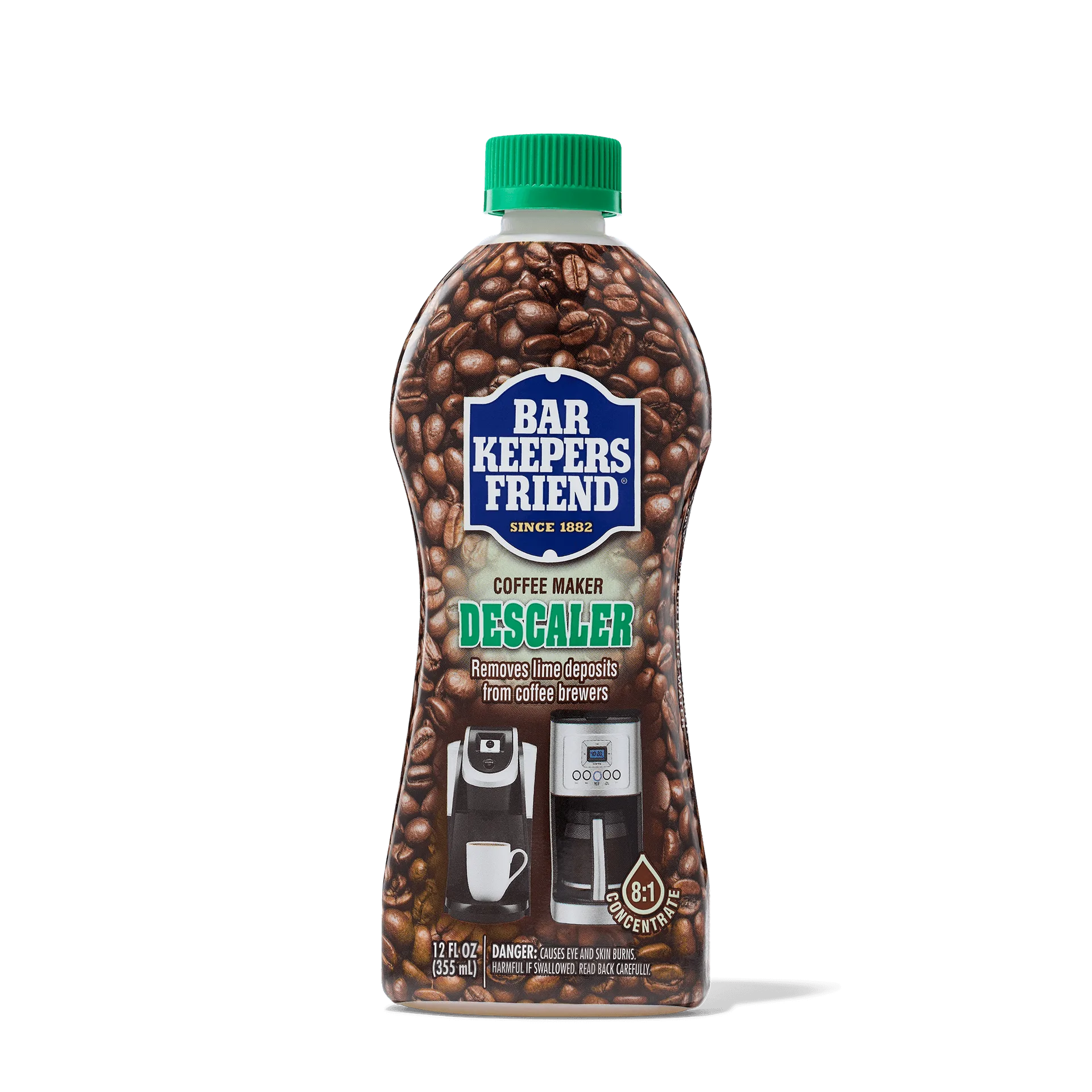
coffee maker descaler
- Scale buildup can reduce water flow by up to 50% if left untreated for six months.
Descaling Powder vs Liquid: Which Is Best?
Descaling solutions come in two main forms: powder and liquid. Powdered descalers, like Bar Keeper's Friend Coffee Maker Descaler, are concentrated granules that you mix with water before use. They're typically more cost-effective per use because you measure exactly what you need. Liquids are premixed and convenient—just pour into the reservoir. But you're paying for the water weight and shipping volume.
Powders often have a longer shelf life and produce less packaging waste. Liquids can be easier if you don't want to measure, but they may be harder to find in larger quantities. Both are effective as long as they contain a descaling agent like sulfamic acid or citric acid. The tradeoff boils down to cost, convenience, and eco-footprint. For most home users, powder offers the best balance of value and performance.
- Check your coffee maker manual: some manufacturers recommend a specific type of descaler.
What to Look for in the Best Descaling Solution
When shopping for the best descaling solution, start with machine compatibility. Most descaling solutions are safe for standard drip machines, but espresso machines and pod brewers may have aluminum or brass components that react poorly with certain acids. Look for a descaler labeled as safe for all types of coffee makers. A good product will specify that it's effective on limescale, calcium, and hard water deposits.
Also consider package size. If you descale every month, a larger container saves money. The Bar Keeper's Friend Coffee Maker Descaler comes in a powder that you mix as needed, so you control the usage. And because it's part of a broader line of coffee care, you can pair it with a Coffee Maker Cleaner for thorough removal of coffee oil residue after descaling. That two-step routine can keep your machine tasting like new.
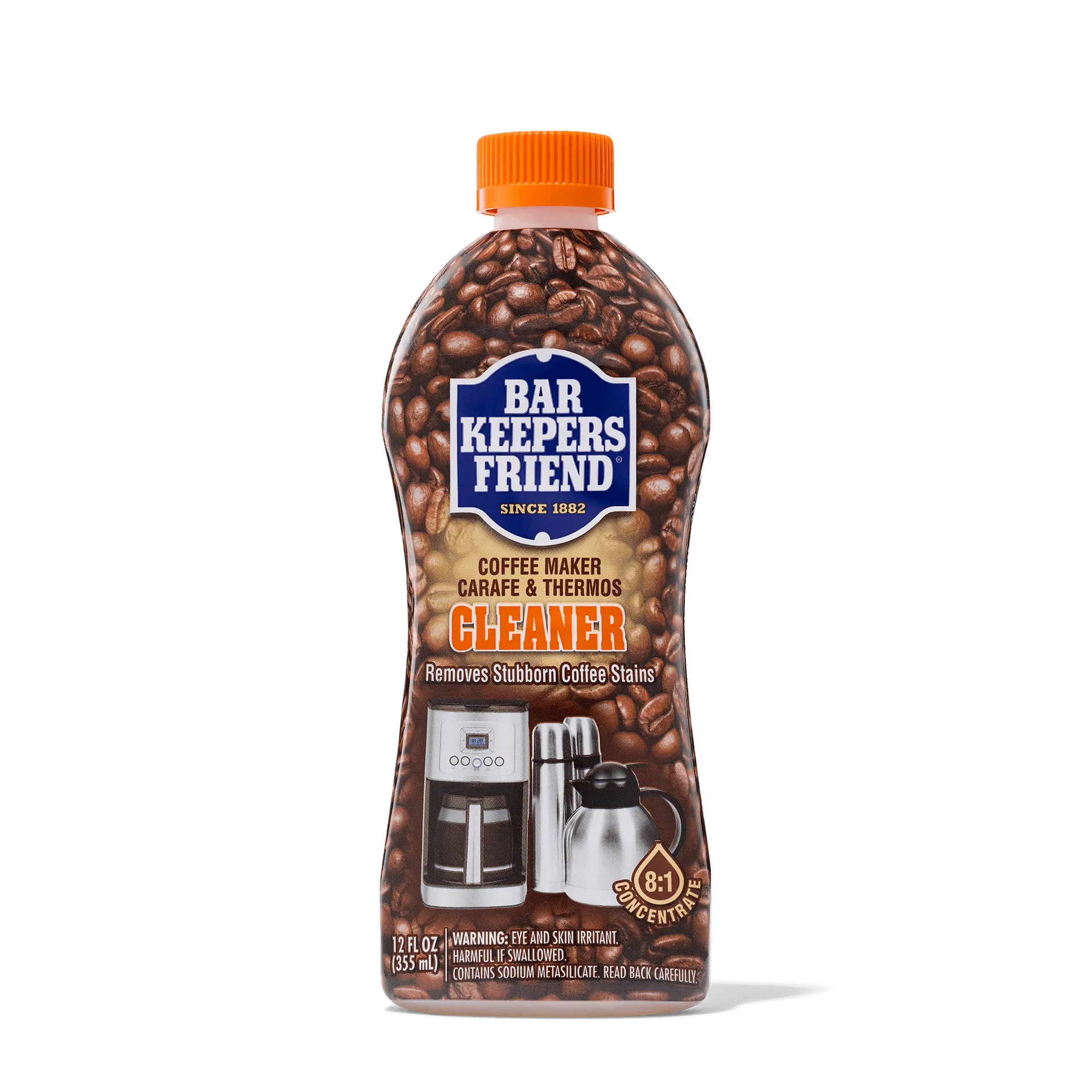
Coffee Maker Cleaner
- Avoid descalers with harsh fragrances—they can linger in the machine and affect taste.
How Often Should You Descale Your Coffee Maker?
Frequency depends on your water hardness and how often you brew. If you have soft water, descaling every three months might be enough. With hard water, scale builds faster—aim for every four to six weeks. A good rule of thumb: if your coffee starts tasting flat or the brewing cycle takes noticeably longer, it's time to descale. Some modern machines have a descaling indicator light, but many don't, so you have to watch for signs.
Consistency is more important than perfection. Even a light descale every two months prevents stubborn scale that requires multiple cycles later. Set a calendar reminder. And after descaling, a quick wipe of the exterior with Stainless Steel Cleaner & Polish keeps your machine looking as good as it performs. That's part of complete coffee machine maintenance.
- Hard water test strips are cheap and tell you exactly how often to descale.
Pairing Descaler with Cleaner for Complete Coffee Maker Care
Descaling removes mineral buildup, but coffee oils and residue can also accumulate inside your machine. That's where a dedicated coffee maker cleaner comes in. After you descale and rinse, running a cycle with a coffee maker cleaner removes oily films that can turn rancid and affect brew flavor. The Bar Keeper's Friend Coffee Maker Cleaner is formulated for this purpose.
Think of it this way: descaler handles the hard water scale, and cleaner handles the coffee oil. Together they keep your machine's internal surfaces fresh. For daily upkeep, wiping the carafe and warming plate with a soft cloth and a mild cleaner helps prevent stains. A complete routine is simple: descale, clean, polish. Your coffee will taste noticeably better, and your machine will last longer.
- Always rinse thoroughly after descaling—run at least two full cycles with fresh water.
Choosing the right coffee maker descaler doesn't have to be complicated. Focus on powder vs liquid based on your budget and convenience preference, check machine compatibility, and descale at a consistent interval. Pair your descaler with a coffee maker cleaner for thorough maintenance, and finish with a quick polish on the exterior. With the right approach—and products like Bar Keeper's Friend Coffee Maker Descaler—you'll enjoy better coffee and a longer-lasting machine.