When you pick up a bag of specialty coffee, what’s the first thing you look for? For many coffee lovers, it’s the best before date — a familiar stamp that suggests the coffee will be good until that printed day. But in the world of specialty coffee, there’s a more important number that often goes overlooked: the roast date. Understanding the difference between these two dates can transform your morning brew from ordinary to extraordinary.
At Volcano Coffee Works, we believe that freshness is not just a buzzword — it’s the foundation of an exceptional cup. Whether you’re brewing a single-origin pour-over or pulling a shot of espresso, the time elapsed since the beans were roasted directly impacts the flavor, aroma, and overall experience. In this article, we’ll break down why the roast date matters more than the best before date, how to interpret both, and how you can ensure you’re always brewing coffee at its peak.
What Is a Coffee Roast Date?
The roast date is simply the day the coffee beans were roasted. For specialty coffee roasters like Volcano Coffee Works, this date is a mark of transparency and quality. It tells you exactly how fresh your beans are, allowing you to track their flavor evolution from the moment they leave the roastery. Freshly roasted coffee contains volatile aromatic compounds that create the complex flavors and aromas we love — but these compounds begin to degrade over time.
Most specialty coffee experts agree that beans are at their peak flavor between 4 and 14 days after roasting. During the first few days, the beans release carbon dioxide (a process called degassing), which can interfere with extraction if brewed too early. After about two weeks, the flavors start to flatten, and by three to four weeks, the coffee may taste stale or muted. That’s why knowing the roast date is essential for any serious home barista.
- Roast date tells you the exact day the beans were roasted, giving you full control over freshness.
- Peak flavor window: typically 4–14 days post-roast, depending on the bean and roast level.
- Always check the roast date before buying — not just the best before date.
What Is a Best Before Date on Coffee?
The best before date is a manufacturer’s estimate of how long the coffee will remain at an acceptable quality level when stored properly. For mass-market coffee, this date is often set 12 to 24 months after roasting, and it’s based on the assumption that the coffee will be sealed in a bag with a one-way valve. However, this date is not a guarantee of freshness — it’s more of a legal or commercial guideline.
The problem is that many consumers treat the best before date as a freshness indicator, when in reality, coffee can become stale long before that date arrives. A bag of coffee roasted six months ago may still be within its best before window, but its flavor will be flat, lacking the vibrant notes of a freshly roasted batch. Specialty coffee roasters often omit best before dates altogether, relying instead on roast dates to communicate freshness to their customers.
- Best before dates are often set far in the future and don’t reflect peak flavor.
- Coffee can taste stale weeks or months before the best before date expires.
- Look for roast dates — they are the true measure of coffee freshness.
Why Freshness Matters for Specialty Coffee
Specialty coffee is defined by its traceability, quality, and flavor complexity. Unlike commodity coffee, which is often roasted months in advance and stored in warehouses, specialty beans are meant to be consumed soon after roasting to preserve their delicate flavor compounds. The moment coffee is roasted, a chemical clock starts ticking: oxidation, moisture loss, and staling processes begin to dull the bright acidity, floral aromas, and sweet notes that make specialty coffee so special.
For example, a light roast Ethiopian coffee might exhibit vibrant blueberry and jasmine notes in the first week after roasting. After a month, those same beans could taste flat and papery. Even with proper storage in an airtight container away from light and heat, the decline is inevitable. That’s why roasters like Volcano Coffee Works encourage customers to buy smaller quantities more frequently, rather than stockpiling large bags that will lose their luster before you finish them.
A simple way to extend freshness is to use a coffee bag clip to seal your bag after each use. This prevents air from accelerating oxidation and helps preserve those precious volatile compounds. Whether you choose a small clip for a 250g bag or a larger one for a 1kg office subscription, keeping your coffee airtight is a small habit that pays big dividends in flavor.
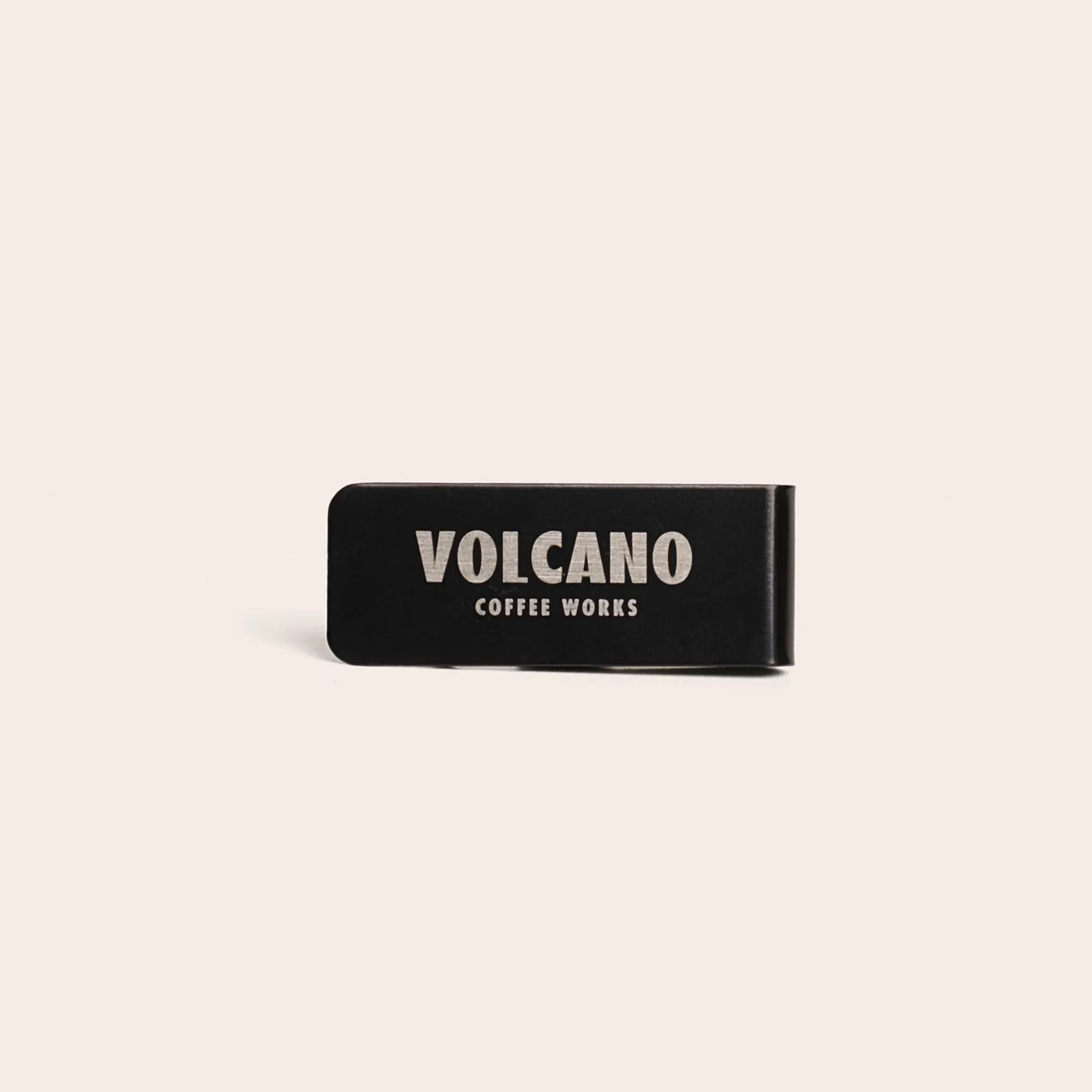
coffee bag clip
- Freshly roasted coffee contains volatile compounds that degrade within weeks.
- Light roasts lose their delicate flavors fastest; dark roasts stale more slowly but still decline.
- Always transfer beans to an airtight container or use a clip to reseal the bag.
How to Read Coffee Labels Like a Pro
When you pick up a bag of coffee, here’s what to look for. First, find the roast date — it’s usually printed on the bottom or back of the bag in a format like "Roasted on: 03/15/2025." If you don’t see a roast date, consider that a red flag. Next, check the best before date if it’s present, but treat it as a secondary reference. Finally, look for storage instructions — most specialty bags recommend keeping the beans in a cool, dark place and using them within two to four weeks of the roast date.
Volcano Coffee Works prints the roast date clearly on every bag of our single-origin and blend coffees, including popular options like the Sombra 500g Whole Bean. This transparency allows you to plan your brewing schedule and ensures you’re always working with beans at their peak. If you’re buying for an office, consider a subscription model like the https://brewbarai.shop/products/firehouse-blend-subscription-office-1kg-132399https://brewbarai.shop/products/firehouse-blend-subscription-132469Firehouse Blend Subscription (Office 1kg), which delivers freshly roasted coffee on a regular cadence so you never have to worry about stale beans again.
- Always look for a roast date — if it’s missing, the coffee may not be specialty grade.
- Best before dates can be misleading; use them only as a rough guide.
- Buy in quantities you’ll use within 2–3 weeks to maintain freshness.
Tips for Maximizing Coffee Freshness at Home
Once you’ve chosen coffee with a recent roast date, proper storage is the next step to preserving its flavor. Store whole beans in an airtight container at room temperature — never in the refrigerator or freezer, as moisture and temperature fluctuations can damage the beans. If you buy in bulk, portion out a week’s worth of beans and keep the rest sealed in a cool, dark cabinet.
Grind only what you need immediately before brewing, since ground coffee stales much faster than whole beans. And don’t forget the humble coffee bag clip: a simple tool that can make a big difference. By resealing your bag after each use, you slow down oxidation and keep your coffee tasting fresher for longer. At Volcano Coffee Works, we offer a range of clips — from small to large — to fit any bag size, making it easy to protect your investment in quality coffee.
- Store beans in an airtight container at room temperature, away from light and heat.
- Grind beans just before brewing to minimize surface area exposure to air.
- Use a coffee bag clip to reseal the bag tightly after each use.
Next time you buy a bag of coffee, ignore the best before date and look for the roast date instead. That simple shift in focus will lead you to fresher, more flavorful coffee every time. Ready to taste the difference? Explore our selection of freshly roasted specialty coffees, like the Sombra 500g Whole Bean, and experience the peak of coffee freshness.