When the temperature drops, heading outdoors for a workout can feel like a challenge. But with the right layering strategy, you can stay warm, dry, and mobile no matter how cold it gets. Cold weather workout layering is both an art and a science—it’s about trapping heat without trapping sweat, and maintaining freedom of movement while protecting your body from the elements.
Whether you’re a runner, a hiker, or someone who loves outdoor strength training, understanding how to layer your winter workout apparel is essential. In this guide, we’ll break down the three essential layers, the best performance fabrics for each, and how to choose gear that works with your body—not against it.
The Three-Layer System: Your Blueprint for Cold Weather Comfort
The foundation of any effective cold weather workout wardrobe is the three-layer system: a moisture-wicking base layer, an insulating mid layer, and a protective outer layer. Each layer has a specific job, and together they create a microclimate that keeps you comfortable from start to finish.
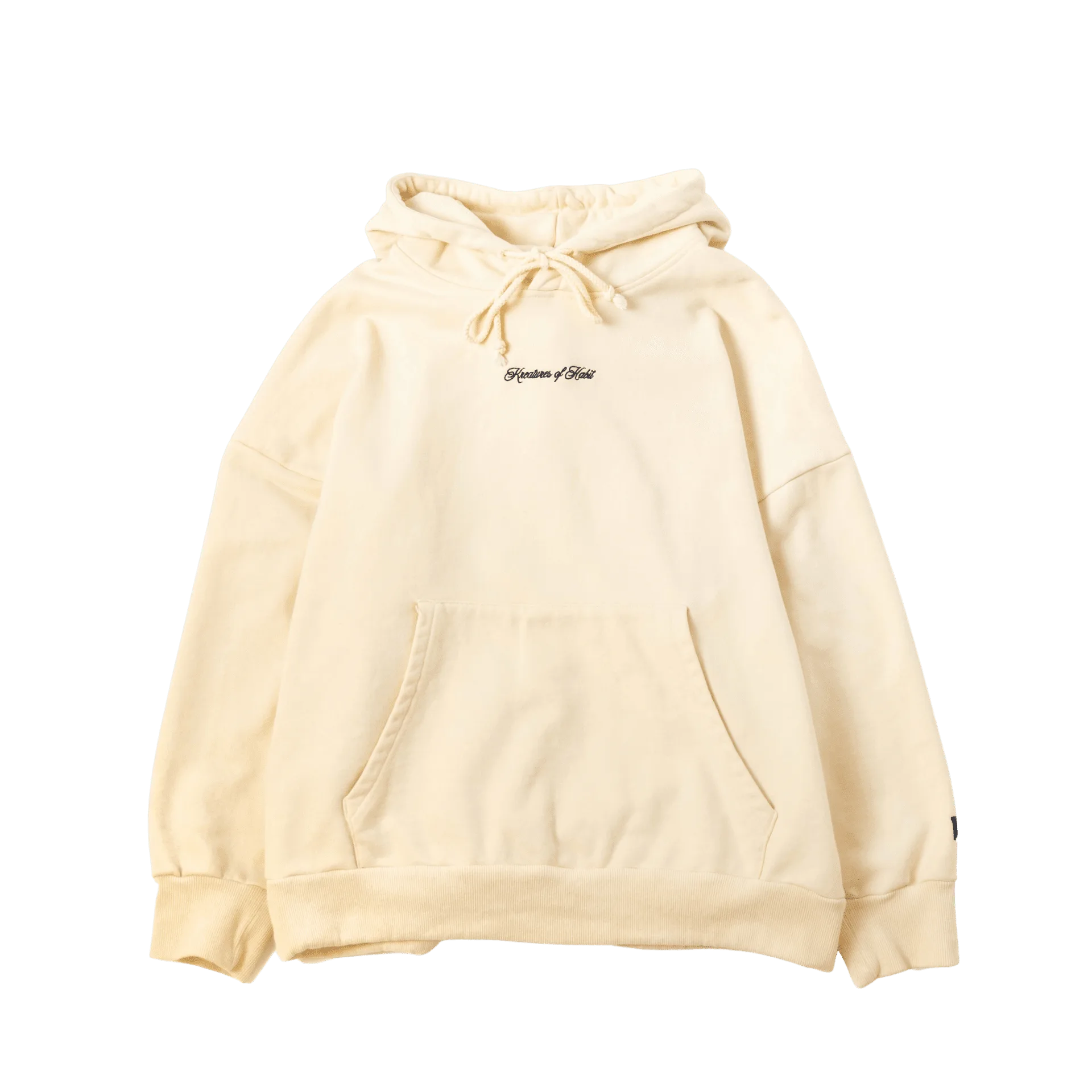
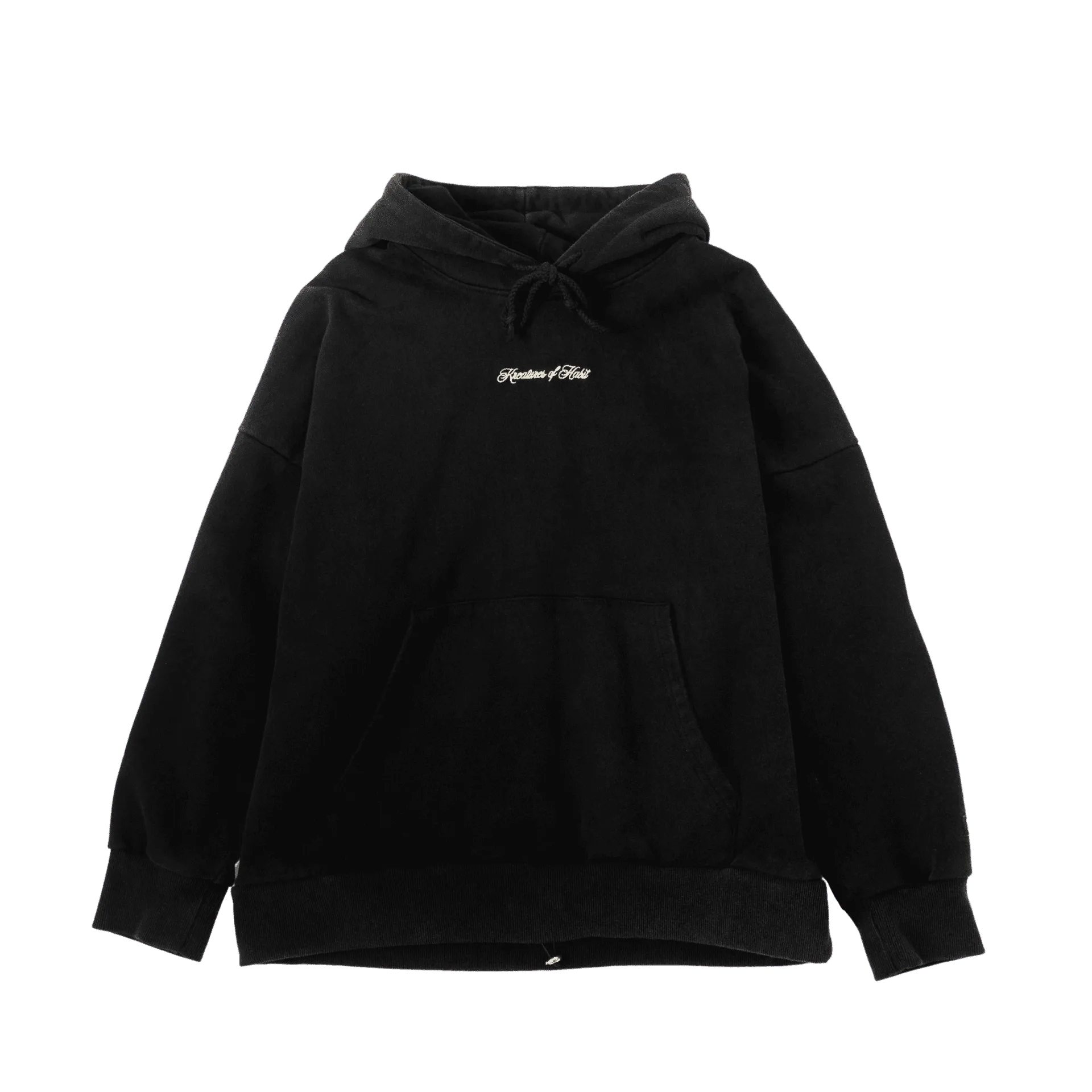
Your base layer sits directly against your skin and must pull sweat away to prevent chilling. Look for synthetic fabrics like polyester or merino wool—never cotton, which holds moisture and makes you cold. The mid layer traps heat; think fleece or a lightweight down vest. The outer layer shields you from wind, rain, and snow while allowing excess heat and moisture to escape.
- Base layer: moisture-wicking, snug fit, no cotton
- Mid layer: insulating, breathable, easy to remove
- Outer layer: windproof, water-resistant, vented
Choosing the Right Performance Fabrics for Each Layer
Not all fabrics are created equal when it comes to winter workout apparel. For your base layer, polyester or nylon blends offer excellent moisture management and dry quickly. Merino wool is a natural alternative that resists odor and provides warmth even when damp—perfect for longer sessions.
For the mid layer, look for fleece or lightweight synthetic insulation. These materials trap warm air without adding bulk, so you can still move freely during dynamic exercises. The outer layer should feature a breathable membrane or venting options—like pit zips—to prevent overheating. Avoid heavy down jackets for high-intensity workouts; they can become too warm and restrict movement.
- Base layer: polyester, nylon, or merino wool
- Mid layer: fleece, lightweight synthetic insulation
- Outer layer: breathable, windproof, with vents
Accessorizing for Extremities: Hands, Head, and Feet
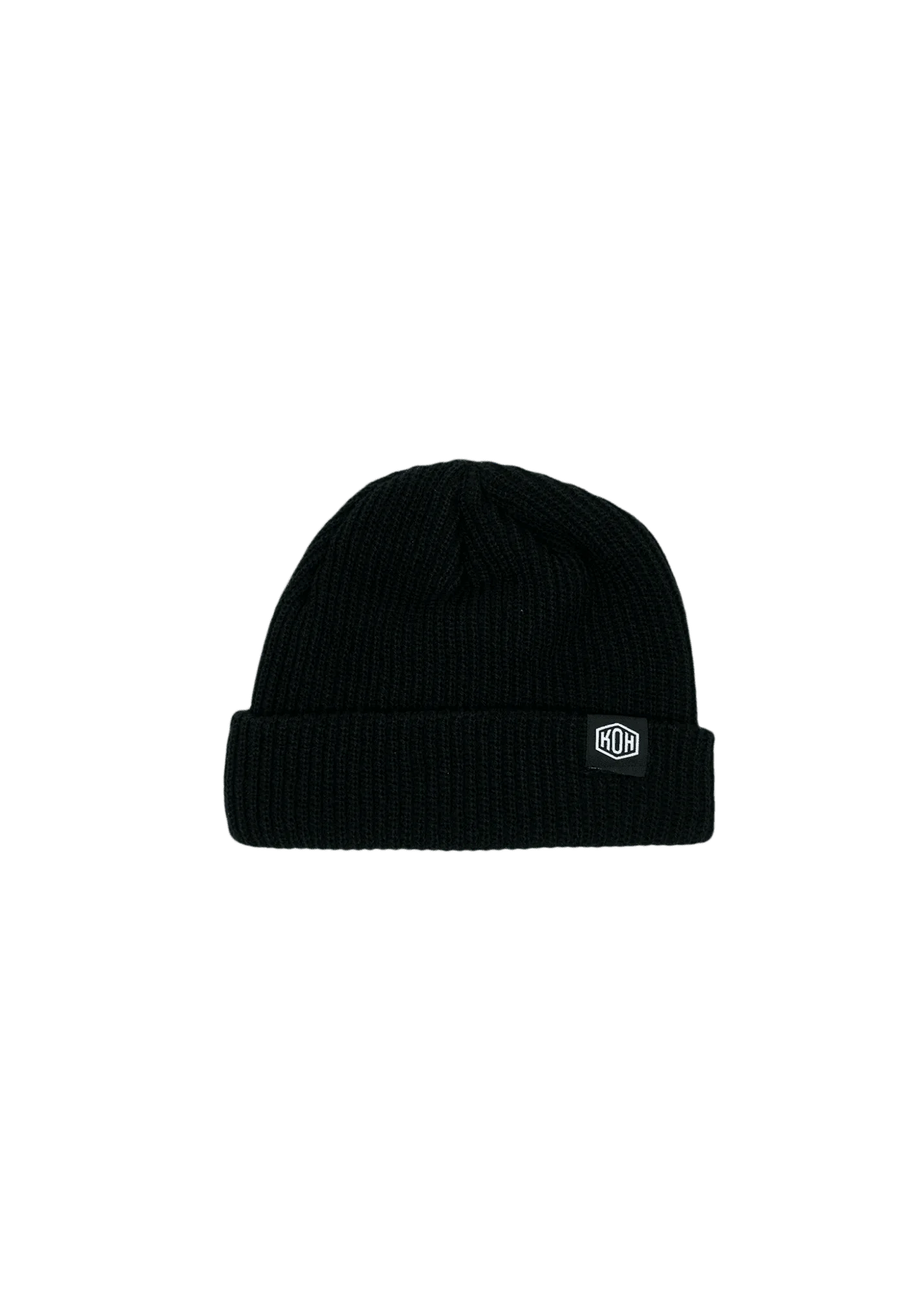
Your hands, head, and feet lose heat fastest, so don’t neglect them. A warm beanie or headband made from moisture-wicking fabric keeps your ears and scalp comfortable. For your hands, lightweight gloves that allow dexterity are ideal—you don’t want to fumble with your phone or gear. On your feet, choose moisture-wicking socks and avoid cotton. Layering a thin liner sock under a thicker wool sock can help on very cold days.
One often-overlooked accessory is a neck gaiter or buff. It can be pulled up over your face when the wind picks up, then pushed down when you warm up. This small addition makes a big difference in overall comfort during cold weather workouts.
- Wear a moisture-wicking beanie or headband
- Choose gloves that allow finger movement
- Use a neck gaiter for versatile face protection
How to Adjust Layers During Your Workout
The key to successful cold weather workout layering is knowing when to add or remove pieces. Start your workout slightly cool—you’ll warm up within the first 5–10 minutes. If you’re already warm when you step outside, you’ll likely overheat and sweat excessively, which can lead to chilling later.
As you move, pay attention to your body. If you feel too warm, remove your mid layer or unzip your outer jacket. Tie the mid layer around your waist or stash it in a small pack. Many athletes find that a lightweight vest works well as a mid layer because it keeps your core warm while allowing your arms to move freely.
- Start cool, warm up naturally
- Remove layers before you start sweating heavily
- Use a vest for core warmth without restricting arms
Essential Gear for Cold Weather Workouts
Beyond clothing, the right accessories can elevate your winter workout experience. A high-quality water bottle or container keeps hydration accessible, even in freezing temps. For example, the https://tastio.shop/products/kreature-kontainer-glass-92895Kreature Kontainer - Glass is an excellent choice for carrying water or a post-workout shake, as glass doesn’t retain odors and is easy to clean. If you prefer a shatterproof option, the Kreature Kontainer offers durable, BPA-free plastic that’s perfect for tossing in your gym bag.
For nutrition on the go, consider bringing a protein-packed snack. The DAILY BAR, 20g of Protein and 3g of Creatine is a convenient option that provides both protein and creatine to support muscle recovery after a cold workout. It’s compact, easy to eat with gloves on, and won’t freeze solid like some other bars.

DAILY BAR, 20g of Protein and 3g of Creatine
- Insulated water bottle or glass container
- Portable, high-protein snack for post-workout
- Small pack or belt for stashing removed layers
Common Mistakes to Avoid When Layering for Winter Workouts
Even experienced athletes make layering mistakes. One common error is wearing too many thick layers, which restricts movement and causes overheating. Another is neglecting to vent—if your outer layer doesn’t have zippers or mesh openings, you’ll trap moisture and end up cold once you stop moving.
Also, don’t forget to account for wind chill. A light breeze can make a 30°F day feel like 20°F, so your outer layer should block wind effectively. Finally, always pack a dry base layer if you’re heading out for a long session. Changing into dry clothes after your workout prevents post-exercise chills and helps your body recover faster.
- Avoid cotton in any layer
- Don’t overdress—start cool
- Ensure your outer layer blocks wind
- Bring a dry change of clothes for after
Mastering cold weather workout layering takes a little practice, but once you find the right combination of base, mid, and outer layers—plus the right accessories—you’ll look forward to winter workouts instead of dreading them. Start by investing in quality pieces that work together, and don’t be afraid to adjust as you go. For a durable, easy-to-clean hydration option that fits seamlessly into your winter routine, check out the Kreature Kontainer - Glass. It’s the perfect companion for keeping your fluids cold or warm while you stay active outdoors.