Collagen has become a buzzword in the skincare industry, and for good reason. As the most abundant protein in our skin, collagen provides structure, firmness, and elasticity. Unfortunately, natural collagen production begins to decline as early as our mid-20s, leading to fine lines, sagging, and loss of volume. That's why collagen-infused skincare products have surged in popularity—they promise to replenish what time takes away.
But not all collagen is created equal. From hydrolyzed collagen to low molecular weight peptides, the type of collagen in your serum or mask can dramatically affect how well it penetrates the skin and delivers visible results. In this guide, we'll break down the different types of collagen used in skincare, explain what to look for on the ingredient list, and help you choose the right product for your anti-aging goals.
Why Collagen Matters for Your Skin
Collagen is the scaffolding that keeps your skin plump and smooth. It makes up about 70-80% of your skin's dry weight, working alongside elastin to maintain a youthful appearance. As you age, environmental factors like UV exposure, pollution, and stress accelerate collagen breakdown, while your body's ability to produce new collagen slows down. The result? Wrinkles, crepey texture, and loss of facial volume.
Topical collagen products aim to counteract these changes by delivering collagen or its building blocks directly to the skin. However, the size of the collagen molecule is critical—full-size collagen molecules are too large to penetrate the skin barrier. That's why the most effective products use hydrolyzed collagen or collagen peptides, which are broken down into smaller chains that can absorb deeper into the epidermis.
- Look for collagen peptides or hydrolyzed collagen on the ingredient label for better absorption.
Types of Collagen in Skincare: Which One Is Best?
There are several types of collagen used in skincare, each with unique benefits. Type I collagen is the most abundant in human skin and is commonly sourced from bovine or marine origins. It's excellent for firming and anti-aging. Type III collagen supports skin structure and is often found alongside Type I in many products. Marine collagen, derived from fish, is known for its small particle size and high bioavailability, making it a favorite in serums and masks.
Another key innovation is low molecular weight collagen (LMW collagen). This type is enzymatically broken down into ultra-small peptides that can penetrate deeper into the dermis, stimulating your own collagen production. Products featuring LMW collagen, such as the Bio Collagen Revive Mask with 7 Peptides and Ultra-Low-Molecular-Weight Collagen, combine multiple peptide types for a synergistic effect that targets wrinkles, hydration, and firmness simultaneously.
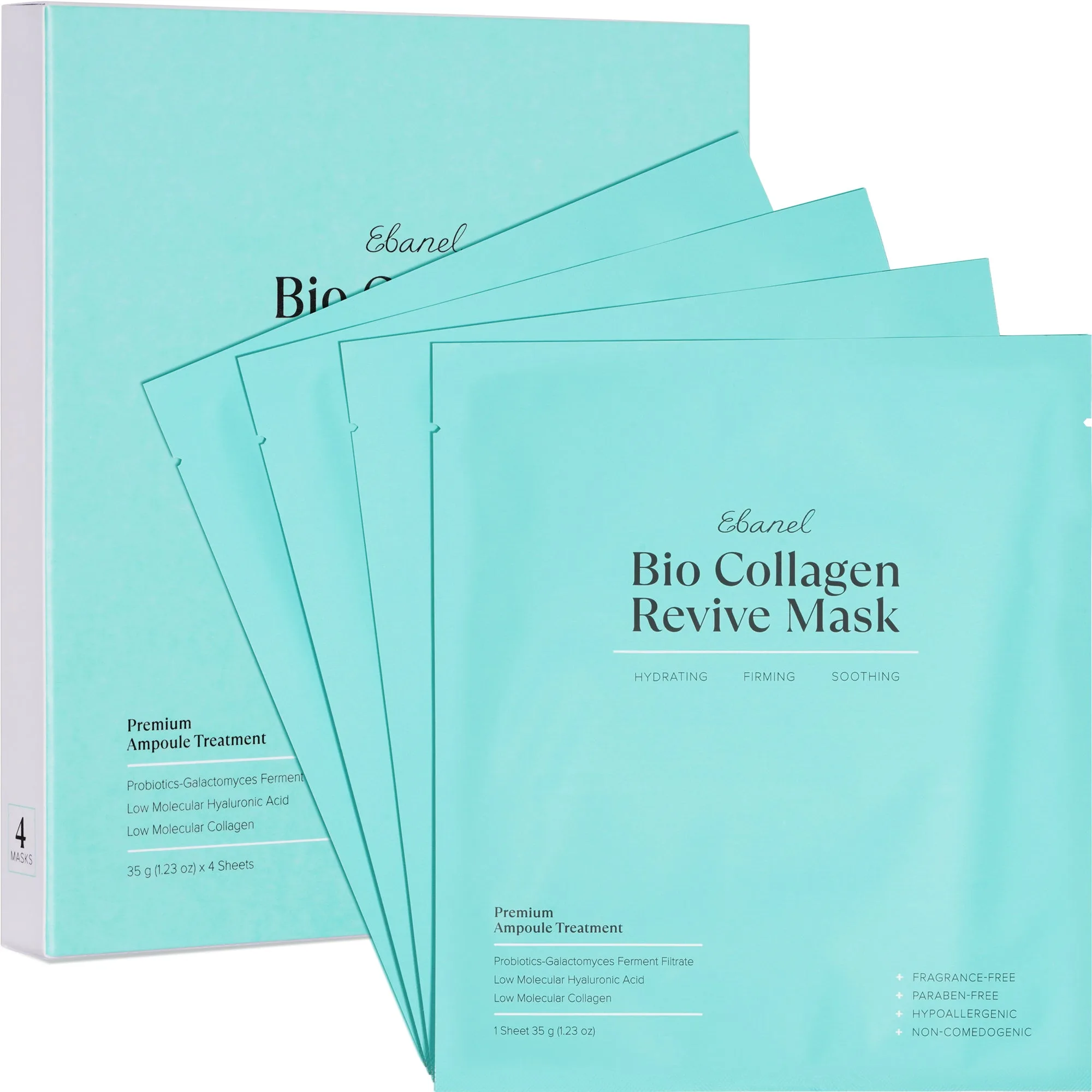
Bio Collagen Revive Mask with 7 Peptides and Ultra-Low-Molecular-Weight Collagen
- Type I collagen is best for anti-aging and firmness.
- Marine collagen has smaller molecules for better penetration.
- Low molecular weight collagen peptides are the most effective for deep skin repair.
How to Choose the Right Collagen Product for Your Skin
When shopping for collagen skincare, consider your primary concern. If you're targeting fine lines and loss of firmness, look for a serum or mask that lists collagen peptides or hydrolyzed collagen high on the ingredient list. For deep hydration and plumping, a collagen-infused sheet mask can deliver a concentrated dose of moisture and peptides in a single session. The Hyaluronic Collagen Sheet Mask Pack (15 Sheets) combines hyaluronic acid with collagen for a double-action hydrating and firming treatment.
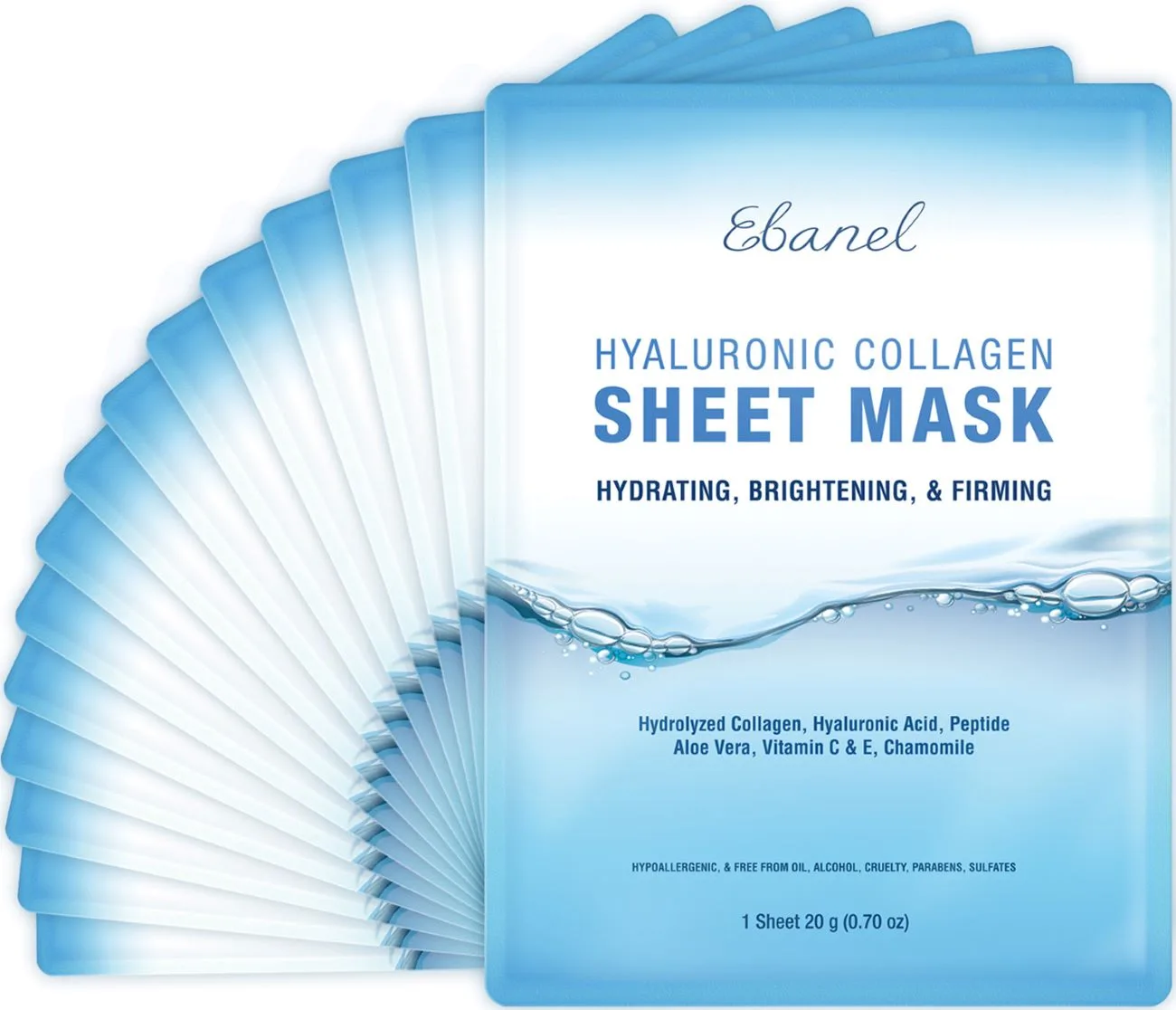
Hyaluronic Collagen Sheet Mask Pack (15 Sheets)
For those who want a multi-step approach, a collagen cream can be used daily to maintain results. The Dr Brightening Ultra-Potent Facial Cream includes brightening ingredients alongside collagen-supporting peptides, making it ideal for addressing both dullness and aging. Always patch-test new products and be consistent—collagen benefits accumulate over time with regular use.
- For daily maintenance, choose a collagen cream or serum.
- For an instant boost, use a collagen sheet mask 2-3 times per week.
- Combine collagen with hyaluronic acid for maximum hydration.
The Role of Peptides in Collagen Skincare
Peptides are short chains of amino acids that act as signaling molecules, telling your skin to produce more collagen. They are often included alongside collagen in advanced formulations because they can stimulate natural collagen synthesis rather than just supplementing it topically. Multi-peptide blends, like those found in the Bio Collagen Revive Mask with 7 Peptides and Ultra-Low-Molecular-Weight Collagen, offer a comprehensive approach by targeting different pathways of collagen production.
When choosing a peptide-infused collagen product, look for copper peptides, palmitoyl tripeptide-1, and palmitoyl tetrapeptide-7, which are well-researched for anti-aging benefits. These ingredients work synergistically with low molecular weight collagen to improve skin texture, reduce wrinkle depth, and enhance elasticity over time.
- Peptides signal your skin to produce more collagen naturally.
- Look for copper peptides and palmitoyl peptides in anti-aging formulas.
- A product with both collagen and peptides offers dual benefits.
Whether you're new to collagen skincare or looking to upgrade your routine, understanding the different types of collagen and how they work is the first step to achieving firmer, more youthful skin. Products like the Bio Collagen Revive Mask with 7 Peptides and Ultra-Low-Molecular-Weight Collagen and the Hyaluronic Collagen Sheet Mask Pack (15 Sheets) offer targeted solutions that deliver real results. Explore Ebanel's collagen collection to find the perfect match for your skin's needs and start your journey to a more radiant complexion today.