Collagen is the most abundant protein in your body, providing structure to skin, joints, bones, and connective tissues. As we age, natural collagen production declines, which is why many people turn to supplements. But with so many options, one of the most common questions is: what's the difference between collagen peptides and marine collagen?
In this buying guide, we'll break down the key differences, benefits, and considerations to help you choose the right collagen supplement for your goals. Whether you're focused on skin elasticity, joint comfort, or overall wellness, understanding these two popular forms will make your decision easier.
What Are Collagen Peptides?
Collagen peptides, also known as hydrolyzed collagen, are short chains of amino acids derived from bovine (cow) or porcine (pig) sources. The hydrolysis process breaks down full-length collagen into smaller peptides, making them easier for your body to absorb. Collagen peptides typically contain Type I and Type III collagen, which are the most abundant types in your body and are particularly beneficial for skin, hair, nails, and joints.
One of the main collagen peptides benefits is their versatility. They are tasteless and dissolve easily in hot or cold liquids, making them simple to add to coffee, smoothies, or baked goods. Additionally, they are generally more affordable than marine collagen, which makes them a popular choice for everyday use.
- Source: bovine or porcine
- Contains Type I and Type III collagen
- Great for skin, hair, nails, and joints
- Dissolves well in both hot and cold beverages
What Is Marine Collagen?
Marine collagen is derived from fish skin and scales. It is primarily Type I collagen, which is the most abundant type in your body and is especially concentrated in your skin. Because of its small particle size, marine collagen is often touted for its superior absorption and bioavailability.
Marine collagen benefits are particularly focused on skin health. Studies suggest that Type I collagen may help improve skin elasticity, hydration, and reduce the appearance of wrinkles. It is also a great option for those who prefer not to consume bovine or porcine products, whether for dietary, religious, or ethical reasons.
- Source: fish skin and scales
- Primarily Type I collagen
- Known for high bioavailability
- Ideal for skin-focused benefits
Key Differences: Source, Type, and Absorption
The main difference between collagen peptides and marine collagen lies in their source and collagen type. Collagen peptides from bovine or porcine sources provide both Type I and Type III, which support a broader range of benefits including joint health. Marine collagen, on the other hand, is almost exclusively Type I, making it a targeted option for skin.
Absorption is another factor. Marine collagen has a smaller particle size, which some studies suggest may lead to better absorption. However, both forms are hydrolyzed, meaning they are broken down into peptides that your body can readily use. Ultimately, the best choice depends on your specific health goals and dietary preferences.
- If your primary goal is skin health, marine collagen may be more suitable due to its high Type I content.
- If you want a multi-purpose supplement for skin and joints, collagen peptides with Type I and III are a good option.
- Consider any dietary restrictions: marine collagen is pescatarian-friendly, while bovine collagen is not.
How to Choose the Right Collagen Supplement
When deciding between collagen peptides and marine collagen, start by identifying your main goal. For skin elasticity and hydration, marine collagen is often recommended because of its Type I dominance. For joint support and overall connective tissue health, collagen peptides with Type I and III may be more beneficial.
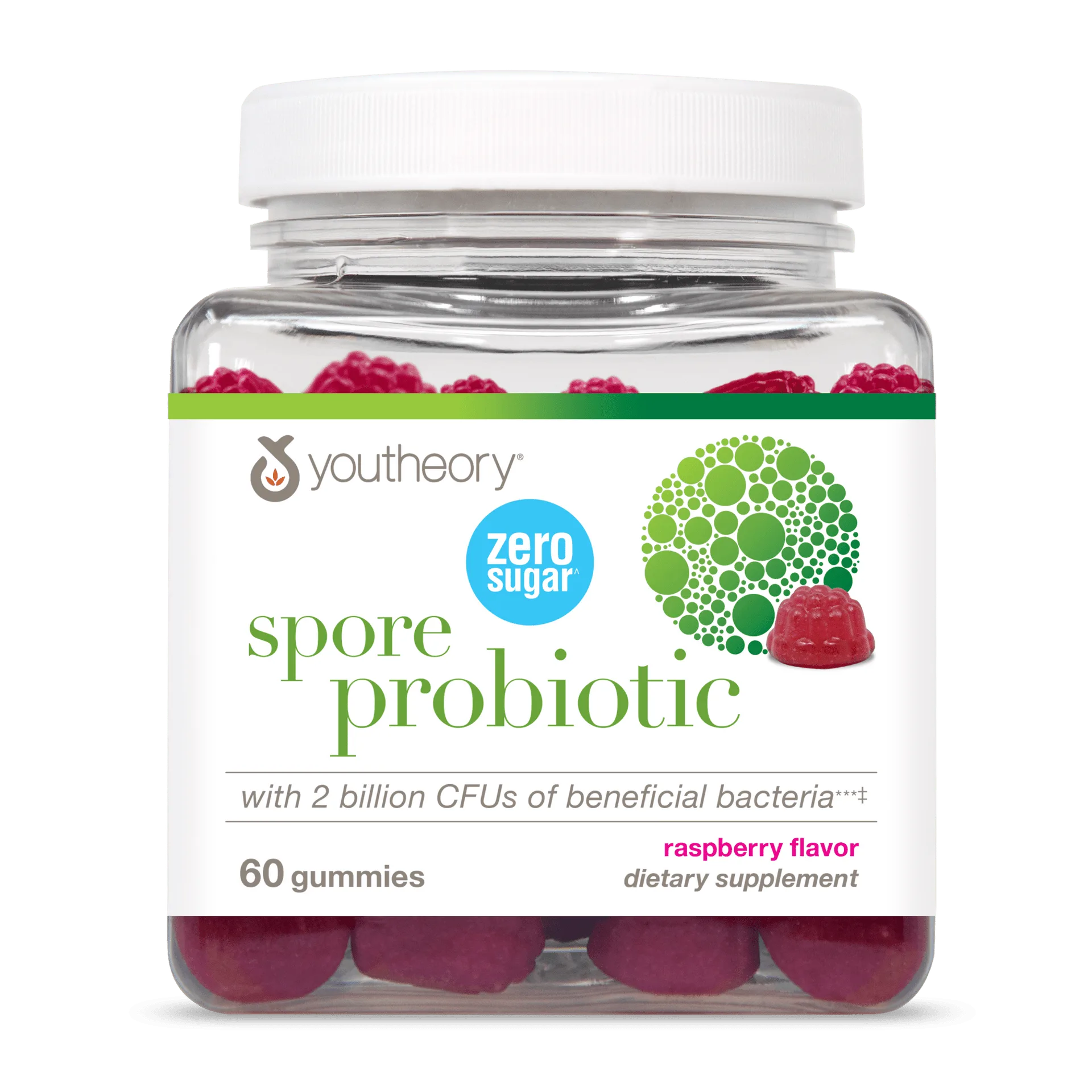
Also consider the form of the supplement. Powders are versatile and can be mixed into drinks, while capsules and gummies offer convenience. If you prefer a gummy format, you might explore options like Irish Sea Moss Zero Sugar Gummies, which provide a blend of nutrients, though they are not a direct collagen source.
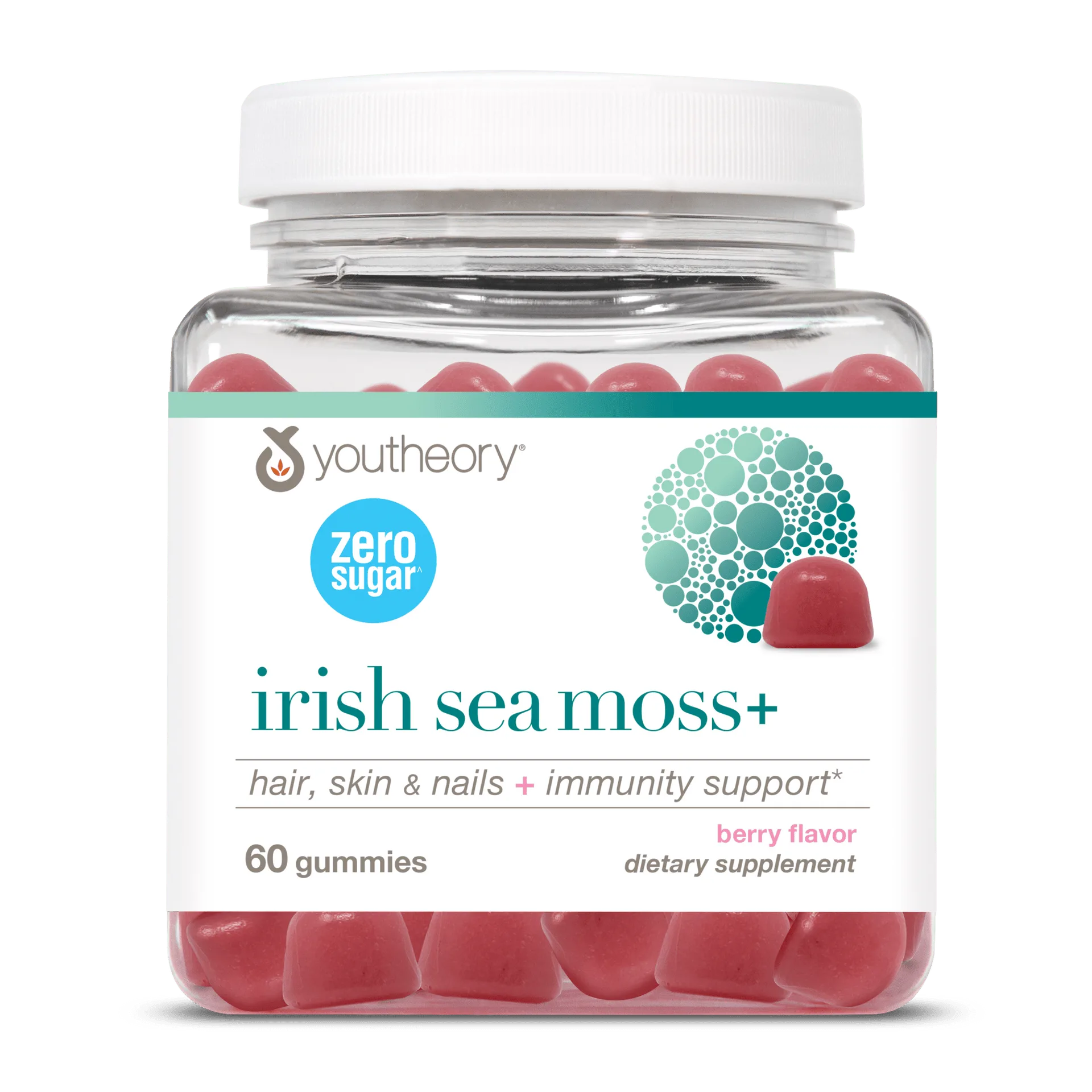
Irish Sea Moss Zero Sugar Gummies
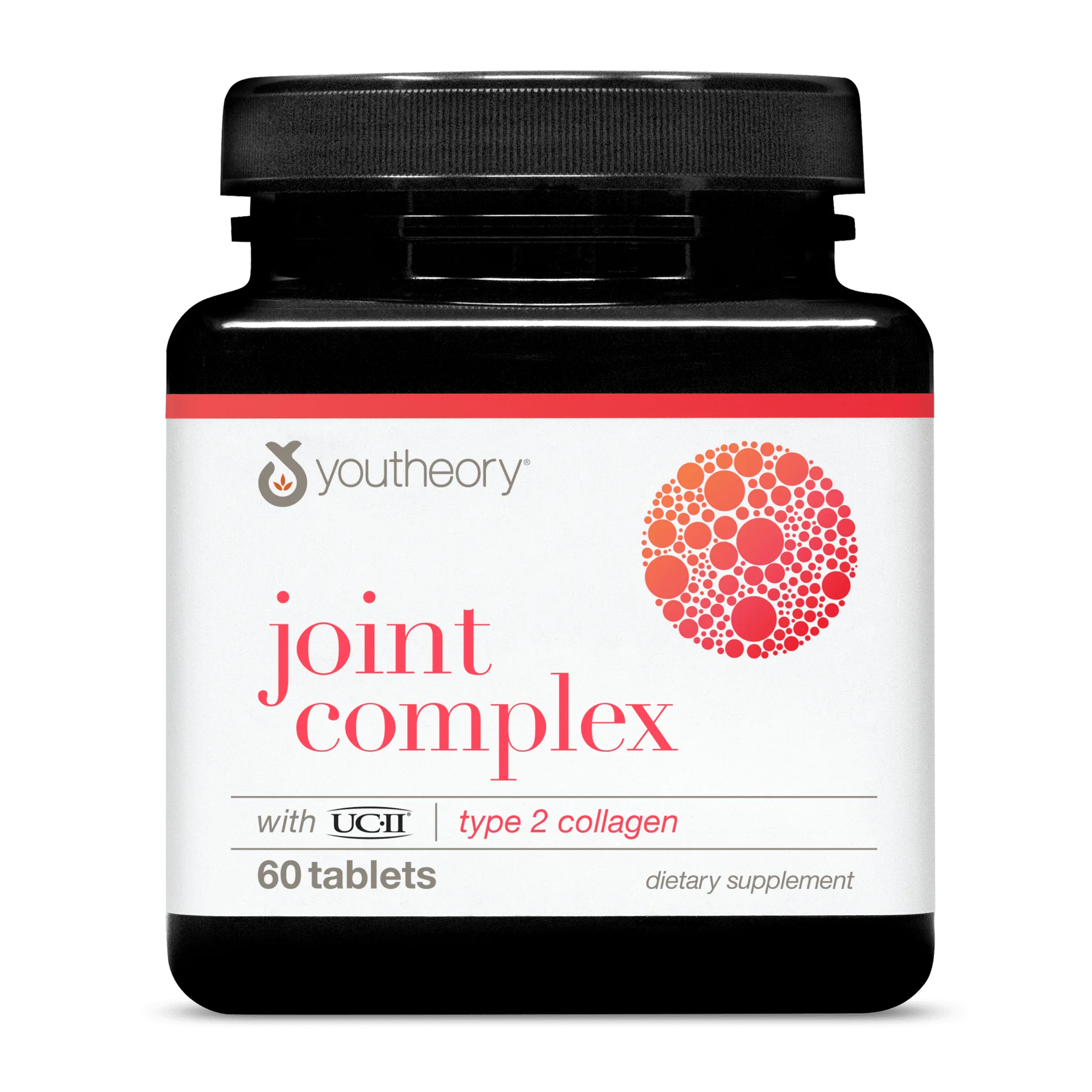
For those seeking a comprehensive collagen supplement, Joint Collagen Advanced combines collagen with other joint-supporting ingredients, making it a great choice for active individuals. Always check the label for the type of collagen and any additional ingredients that align with your needs.
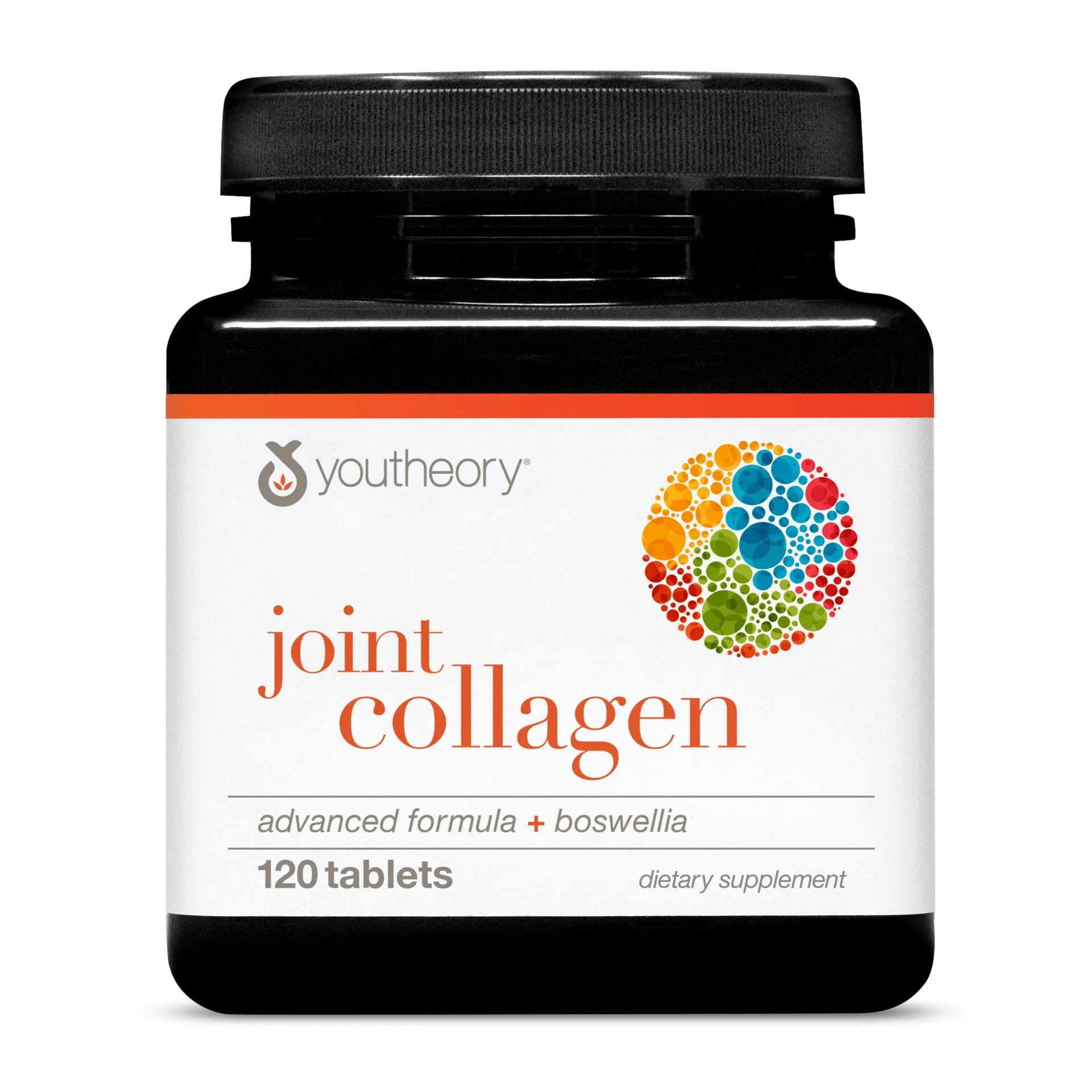
Joint Collagen Advanced
- Read labels carefully to identify the collagen type (Type I, II, or III).
- Choose a product with minimal additives and no unnecessary fillers.
- If you have allergies, ensure the source (bovine, porcine, or fish) is clearly stated.
Practical Tips for Adding Collagen to Your Routine
Once you've chosen your collagen supplement, consistency is key. Most experts recommend taking collagen daily for at least 8-12 weeks to see noticeable results. You can mix collagen peptides or marine collagen powder into your morning coffee, smoothie, or even water. They are generally tasteless, so they won't alter the flavor of your beverages.
If you prefer a capsule or gummy format, be sure to follow the recommended dosage on the label. For example, Concentrated Effect Collagen with Verisol offers a targeted approach for skin and hair, and can be taken as directed. Remember to store your collagen supplements in a cool, dry place to maintain their potency.
- Mix collagen powder into cold or hot drinks—it dissolves easily.
- Take your collagen supplement at the same time each day to build a habit.
- Pair collagen with vitamin C to enhance absorption and collagen synthesis.
Choosing between collagen peptides and marine collagen comes down to your specific health goals and dietary preferences. If you're focused on skin health, marine collagen's high Type I content makes it a strong contender. For a broader approach that supports both skin and joints, collagen peptides with Type I and III are a versatile option. Explore our range of collagen supplements to find the perfect fit for your wellness journey.