Quick answer
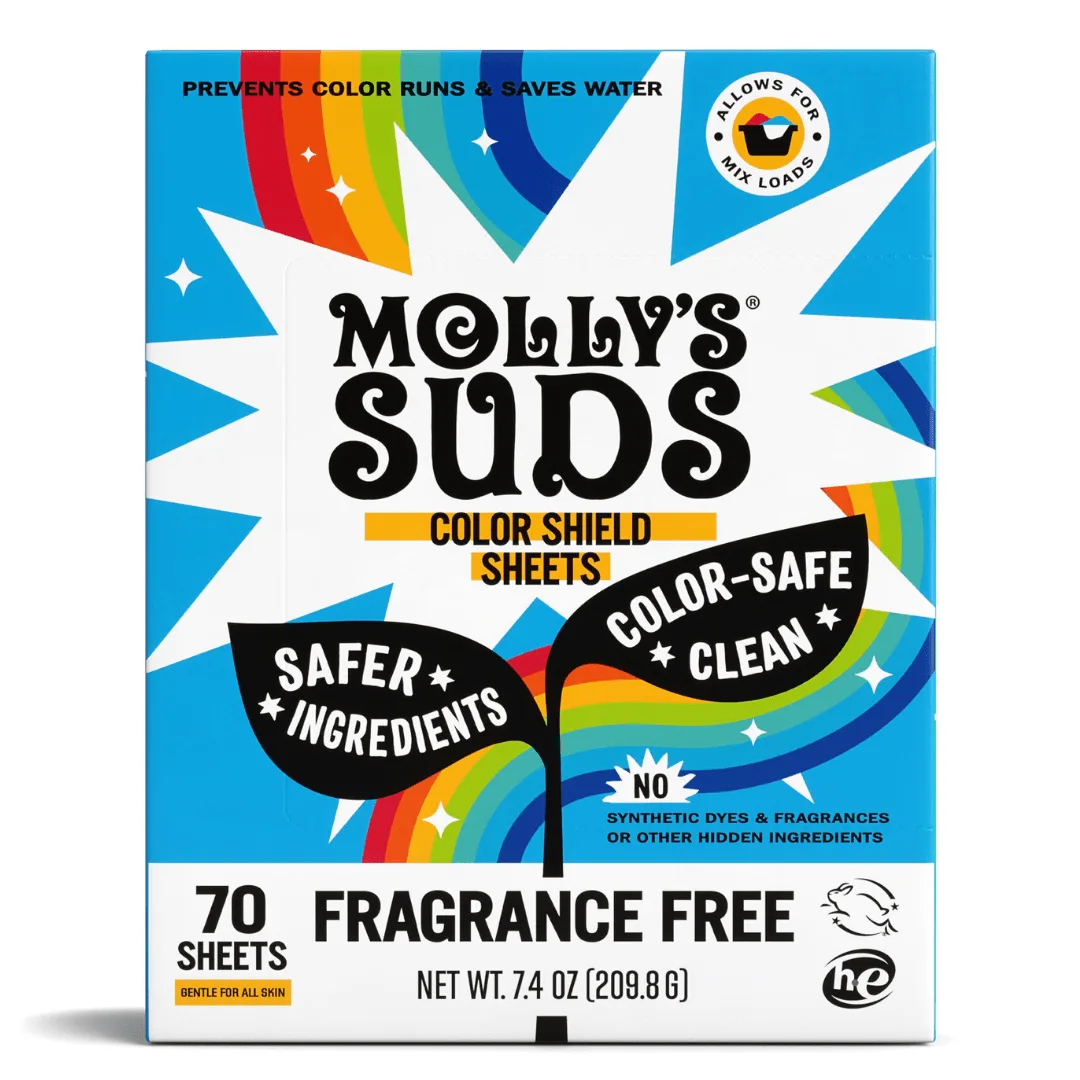
Buy color shield sheets if you regularly wash mixed colors together and want to save time by skipping separate loads. They work by trapping loose dye particles in the wash water before those dyes can settle on other fabrics. Choose a plant-based, dye-free option like Molly's Suds Color Shield Sheets when you want to protect dark clothes and prevent clothes fading without adding synthetic dyes to your laundry routine.
How color shield sheets prevent dye transfer
Color shield sheets, also called laundry color catcher sheets or dye transfer sheets, are thin nonwoven squares you toss into the drum with a mixed load. During the wash cycle, they attract and hold loose dye that sheds from fabrics like new denim, red cotton, or bright prints. That keeps the dye from redepositing onto lighter items, which is what causes the dull, grayish cast you see when colors bleed.
The key buying difference is what the sheet is made from. Plant-based fibers are common in better options because they can capture dye without leaving a synthetic residue. If a sheet contains synthetic dyes or fragrances, you are adding those to the wash water, which defeats the purpose for anyone trying to keep laundry simple and low-tox. Molly's Suds Color Shield Sheets use plant-based fibers and are free from synthetic dyes, so they trap dye without introducing new chemicals to your load.
When a color catcher is worth it (and when it is not)
The strongest case for color shield sheets is convenience. If you routinely wash whites, darks, and reds together, a sheet lets you run one load instead of three. That saves water, energy, and time. It also helps protect dark clothes washing by reducing the chance that lighter lint or dye particles make dark fabrics look faded.
Color catchers are not a fix for every laundry problem. They will not restore color that has already faded, and they will not stop bleeding from a brand-new, poorly dyed item that releases dye for many washes. For a single heavily bleeding garment, wash it alone for the first few cycles. Also, a color catcher does not replace detergent; it works alongside your normal detergent to manage dye, not soil.
What to check before you buy
Start with the fiber content. Plant-based fibers are a good sign because they are designed to grab dye and then go into the trash without leaving plastic residue behind. Next, check for synthetic dyes and added fragrance. If the label does not list ingredients, treat that as a limitation and look for a brand that is transparent.
Consider the size of your typical load. A single sheet is usually enough for a standard mixed load, but a large or heavily dyed load may need two. Buying a larger pack lowers the cost per load if you wash mixed colors often. Finally, confirm the sheets are safe for your machine type and septic system; most are, but the packaging should say so.
How to use color shield sheets for better results
Place one sheet in the drum before adding clothes, not in the detergent dispenser. If you are washing a load with several new dark or red items, use two sheets. Keep the wash temperature reasonable; hot water can make dyes bleed faster, so a cool or warm cycle gives the sheet a better chance to capture dye before it sets.
Do not overload the machine. Fabric needs to move freely so dye particles can be released into the water where the sheet can catch them. After the cycle, discard the used sheet. If it comes out heavily tinted, that is a sign it did its job, and it also tells you that load had a lot of loose dye.
Decision rules for buying color shield sheets
- You wash mixed colors together most weeks: Choose a plant-based, dye-free color shield sheet and keep a pack next to your detergent. One sheet per standard load is usually enough; use two for a load with several new dark or red items. This is the highest-value use case because it replaces multiple sorted loads with one.
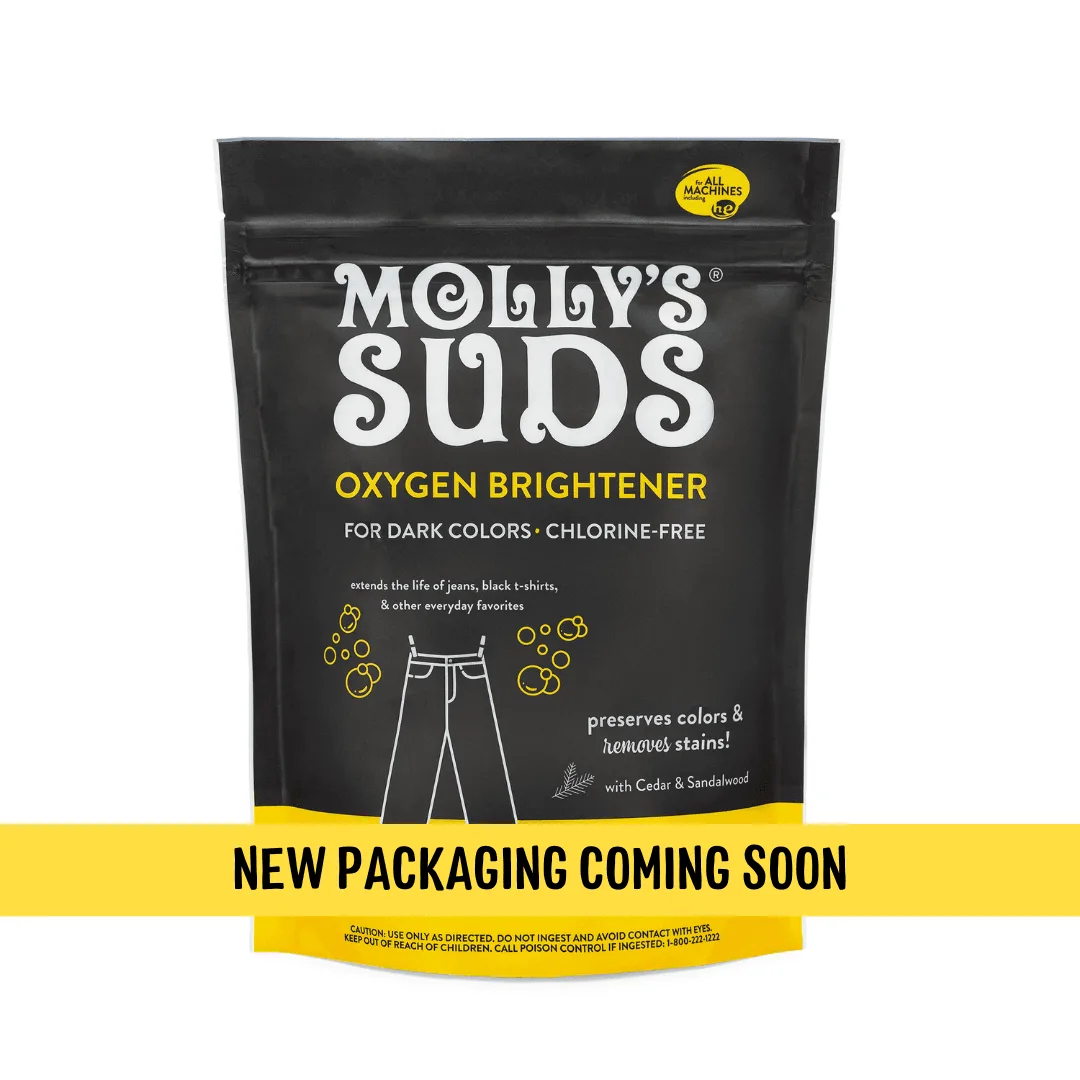
- You mainly wash darks and want to prevent fading: Use a color shield sheet to stop dye transfer from other garments, and add a color-safe oxygen brightener made for dark wash to address fading on the darks themselves. The sheet manages cross-dye; the brightener manages the darks. They solve different problems.
- You are washing one brand-new, heavily dyed item: Wash that item alone for the first cycle or two, even with a color catcher. New denim and saturated reds can release more dye than a single sheet can hold. A color catcher is not a guarantee against a heavy bleeder; isolate it first.
- You want the simplest possible laundry routine: Look for sheets with no synthetic dyes and no added fragrance. If the ingredient list is not available, treat that as a limitation and choose a brand that discloses what is in the sheet. Transparency matters more than marketing claims about color protection.
Product facts that matter for this decision
- Color Shield Sheets for Laundry: Molly's Suds Color Shield Sheets trap dye particles in-wash and prevent running or bleeding of colors, allowing whites, darks, and reds in a single load. This is the core function of a color catcher: it lets you skip sorting by color and still protect your clothes from dye transfer.
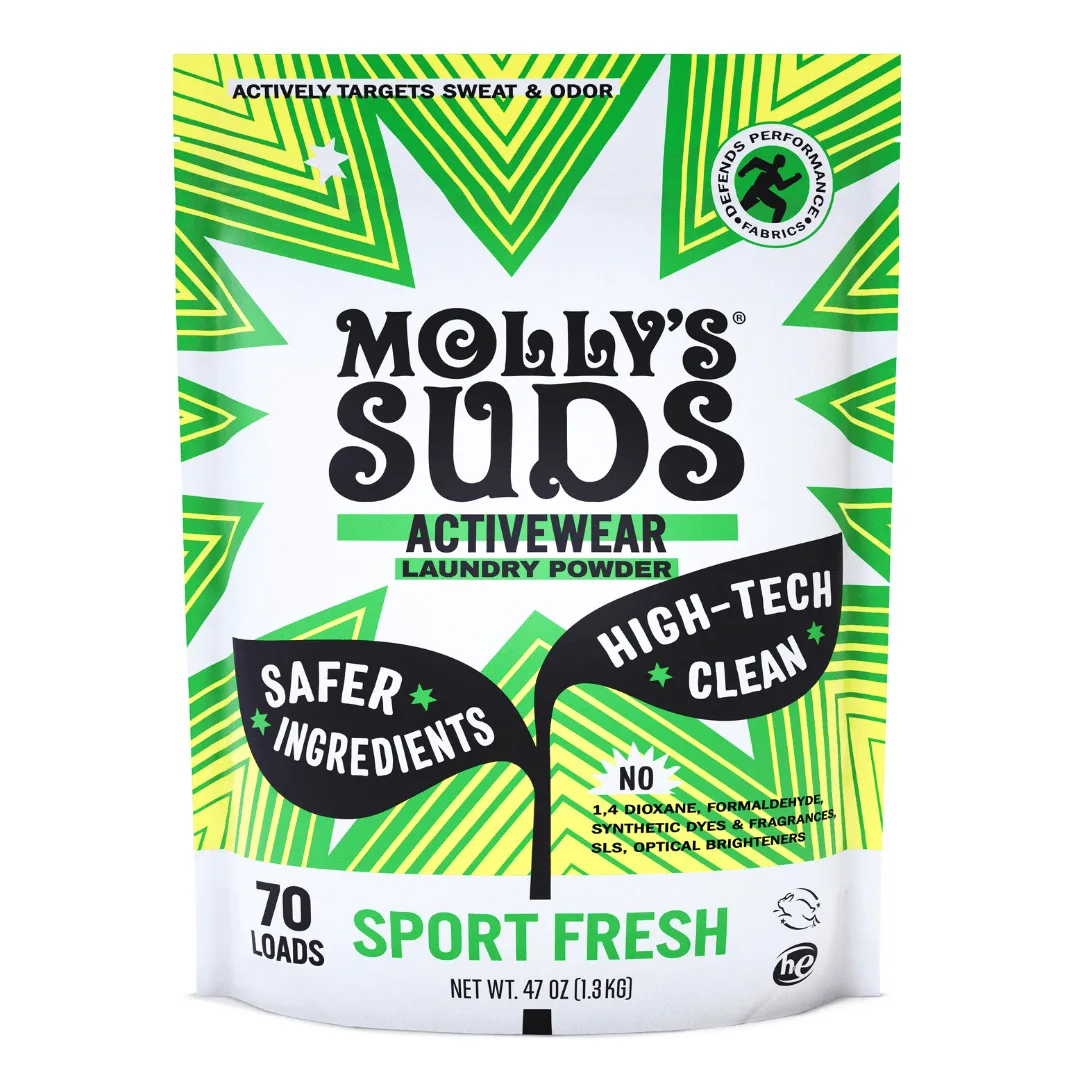
- Activewear Laundry Detergent Powder: Molly's Suds Activewear Laundry Detergent Powder is powered by active enzymes formulated to fight sweaty, smelly odors and extend the life of activewear and high-tech fabrics. If your mixed loads include workout gear, a detergent that targets odor and fabric lifespan pairs well with a color shield sheet so you can wash everything together without sorting.
- Oxygen Brightener Dark Wash: Molly's Suds Oxygen Brightener Dark Wash is a chlorine-free, color-safe oxygen brightener made with only 4 simple ingredients that restores colors and prevents fading on dark clothing. For dark clothes washing, this brightener addresses fading directly, while a color shield sheet prevents dye from other garments from settling on darks in the same load.
Who should buy color shield sheets
Best for
- Households that regularly wash whites, darks, and colors together and want to save time and energy
- People who want to protect dark clothes washing from dye transfer and lint without sorting every load
- Anyone looking for a plant-based, dye-free laundry color catcher sheet to pair with a natural detergent routine
Not for
- Someone trying to restore color that has already faded; a color catcher prevents transfer, it does not reverse fading
- A load dominated by a single new, heavily bleeding garment; wash that item alone first
- People who already sort every load by color and rarely wash mixed colors, since the sheet adds cost without changing the outcome