Start with what The Color Trio is designed to do
The Color Trio is a curated set built around one idea: color for cheeks and lips that is hard to get wrong. It is part of MERIT's core collection and is described as a limited edition offering. Because the set is curated for a cohesive, natural look, you do not need to be a makeup artist to make the shades work together. The simplest way to use it is to treat the trio as a small palette: pick one shade for a monochromatic look, or combine two or three for something more custom.
What the set gives you
-
The Color Trio: All-in-one color for cheeks and lips You can use the same shades in more than one place, which makes mixing easier because you are working with a consistent color family.
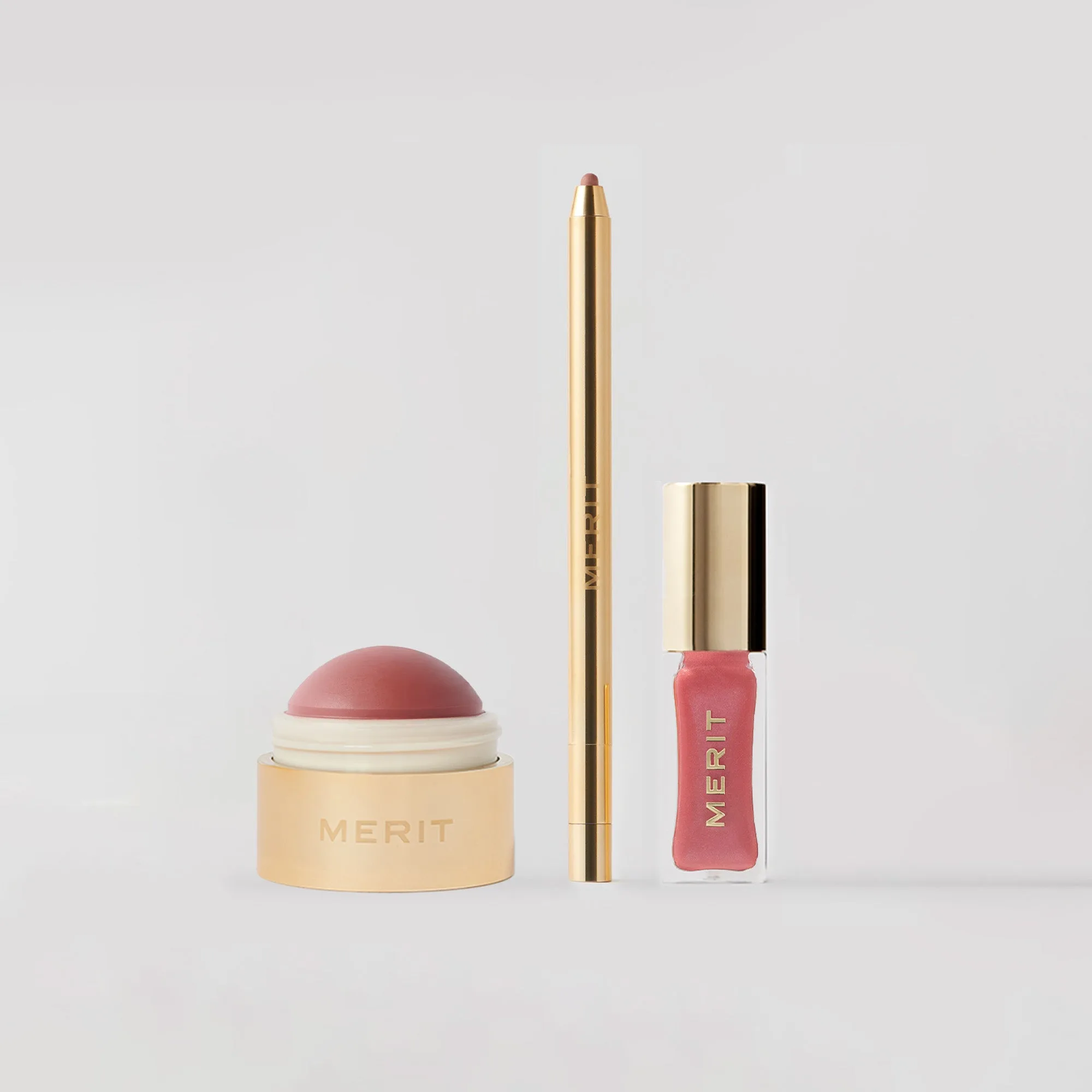
The Color Trio
-
The Color Trio: Curated for a cohesive, natural look The shades are intended to work together, so your custom mix stays wearable rather than muddy.
-
The Color Trio: Impossible-to-mess-up color for cheeks and lips That positioning supports a low-risk approach to experimenting with combinations.
How to mix shades for a custom look
The exact application method and finish are not specified in the supplied information, so the steps below focus on shade selection and placement rather than precise technique. Use them as a decision framework, not a manufacturer's instruction.
- 1. Choose a base shade: Pick the shade in the trio that you would normally reach for on its own. This becomes your anchor, so the final look still feels like you.
- 2. Decide where you want the custom color: The set is designed for cheeks and lips. You can keep the same shade on both areas for a coordinated look, or use a different shade on each area to create contrast.
- 3. Add a second shade gradually: If you want to mix, start with a small amount of the second shade and combine it with your base. Because the set is described as impossible-to-mess-up, you can adjust without starting over.
- 4. Keep the look cohesive: If you mix a custom shade for your lips, consider echoing one of the original trio shades on your cheeks. That keeps the overall look connected without being too matchy.
Trio shade combination tips
These combinations are starting points, not rules. The trio is curated for a natural look, so the most reliable approach is to let one shade lead and use the others to adjust.
- Monochrome: Use one shade on both cheeks and lips. This is the simplest way to get a coordinated color look and works well when you want a quick, unified finish.
- Soft contrast: Use a lighter shade on cheeks and a deeper shade on lips. This keeps the face fresh while giving the lips a bit more definition.
- Custom mix: Blend two shades together before applying. Start with more of the lighter or more neutral shade, then add the deeper shade until you reach the tone you want.
- Three-shade layering: Use one shade as a base, a second to add depth, and a third as a subtle top layer. Keep each layer small so the colors stay distinct rather than muddy.
Build a coordinated color look without overcomplicating it
A coordinated look does not mean every feature matches exactly. With The Color Trio, the easiest approach is to choose a dominant shade and let the other shades support it. For example, if you want a warmer look, lead with the warmest shade in the trio and use the others sparingly. If you want something more neutral, start with the most muted shade and add color gradually.
Because the set is limited edition, it helps to think of your combinations as repeatable recipes. Once you find a mix you like, note which shades you used and in what order. That makes it easier to recreate the look without guessing.
What to keep in mind
The supplied information does not include specific application instructions, finish details, or wear-time claims. It also does not confirm skin suitability or patch-test results. If you have sensitive skin or specific concerns, check the product packaging or the brand's official information before use. The guidance here is about shade selection and combination, not about how the formula performs on every skin type.