Quick Answer
Yes, you can safely combine herbal teas and tinctures, but do it thoughtfully: start with one herb at a time, space doses by at least 30 minutes, and keep a journal to track effects. Avoid mixing multiple tinctures with strong herbs like Mugwort until you know how they affect you.
Herbal teas and tinctures are both wonderful ways to bring botanicals into your routine, but what happens when you want to use them together? Stacking—using two or more herbal preparations—can deepen your wellness practice, but it also raises questions about safety and effectiveness. This guide walks you through a practical, step-by-step approach to combining teas and tinctures without guesswork.
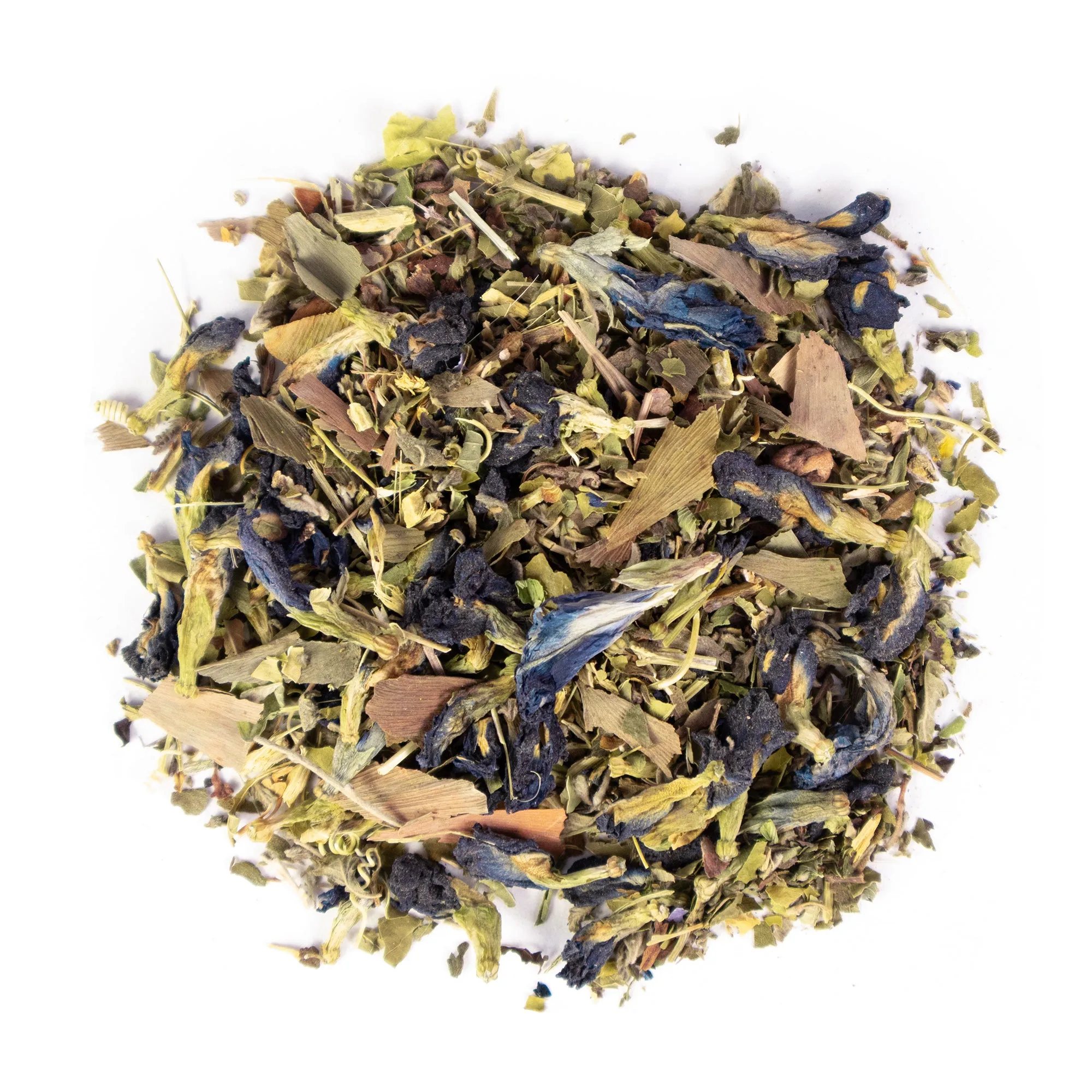
Whether you're sipping a bright blue Out of the Blue Herbal Tea Blend in the morning or adding a dropper of Lemon Balm tincture to your wind-down ritual, the key is intentionality. You'll learn how to time your doses, avoid overdoing it, and recognize when less is more.
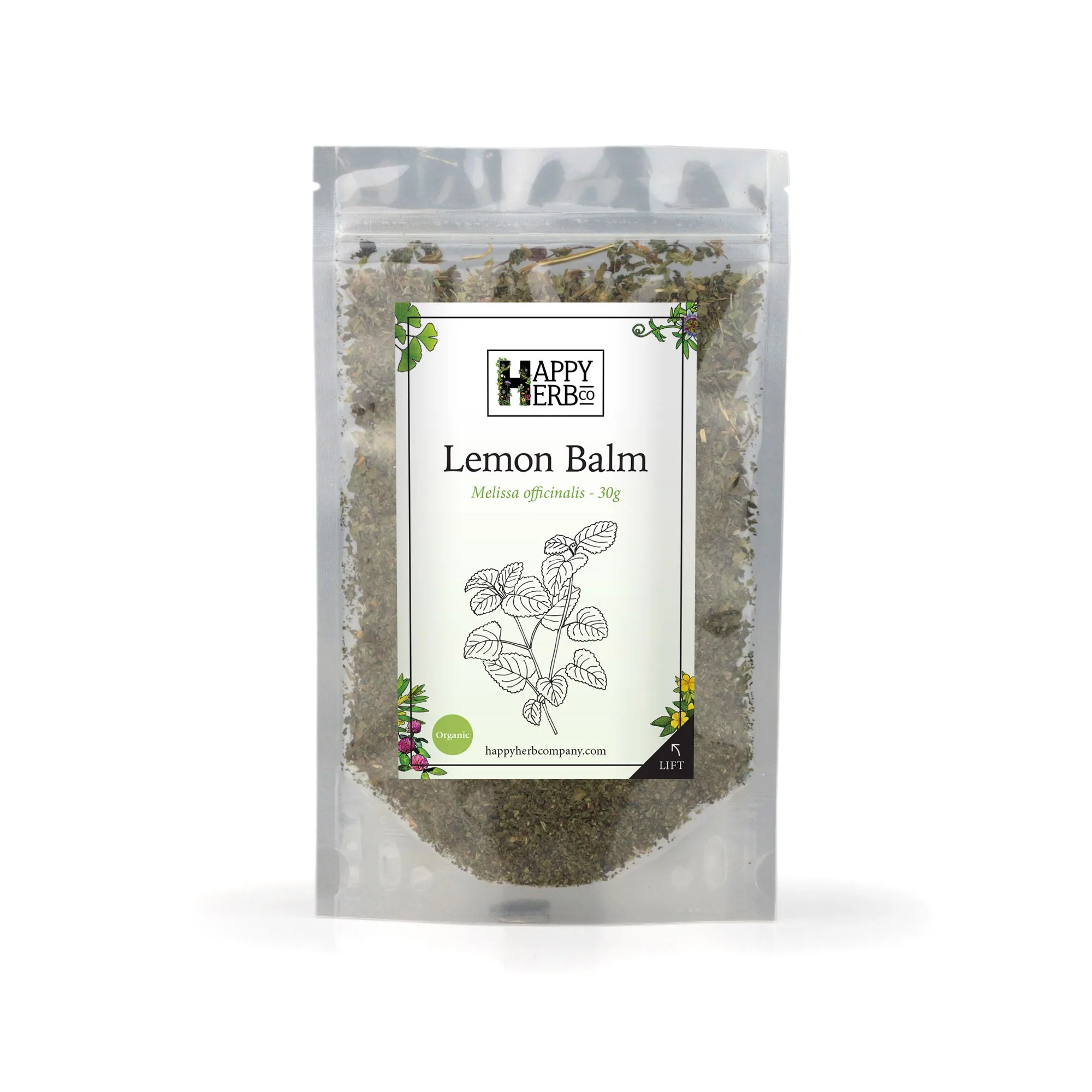
Lemon Balm
Why Stack Teas and Tinctures?
Teas and tinctures offer different strengths. A tea is gentle, hydrating, and social—you can sip it slowly and let the warmth carry the experience. Tinctures are concentrated extracts that act faster and are easier to dose precisely. When you stack them, you might use a tea for the ritual and a tincture for a targeted effect, like focus or calm.
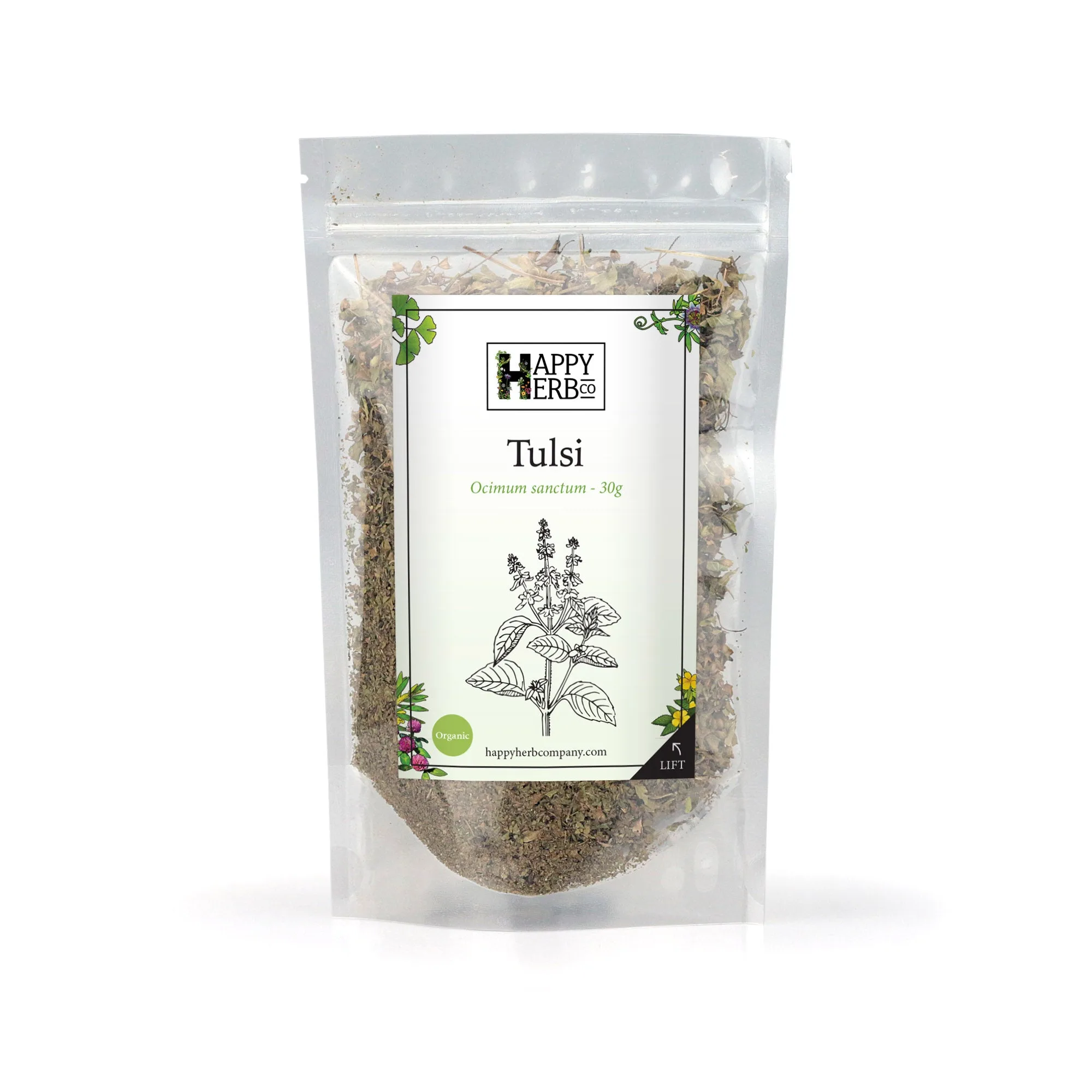
For example, you could brew a cup of Tulsi tea in the afternoon for its adaptogenic support, then take a few drops of Lemon Balm tincture when you need to ease tension. The tea provides a baseline of botanical support, while the tincture delivers a more noticeable shift. This layered approach can feel more flexible than choosing one or the other.
- Teas are hydrating and gentle—great for all-day sipping.
- Tinctures are concentrated—use them for precise, quick-acting support.
- Stacking lets you address multiple needs, like energy and relaxation, in one routine.
Understanding the Basics: Tea vs. Tincture Potency
A tincture is many times more concentrated than a tea. When you steep a tea, you extract water-soluble compounds, but a tincture uses alcohol or glycerin to pull out a broader range of plant constituents. That means a few drops of tincture can deliver more active compounds than a whole cup of tea.
This difference matters when combining them. If you're used to drinking several cups of a relaxing tea, you might be tempted to add a full dropper of a sedating tincture—but that could be overpowering. Start with a low dose, like half a dropper, and see how you feel before increasing.
Choosing Herbs That Work Well Together
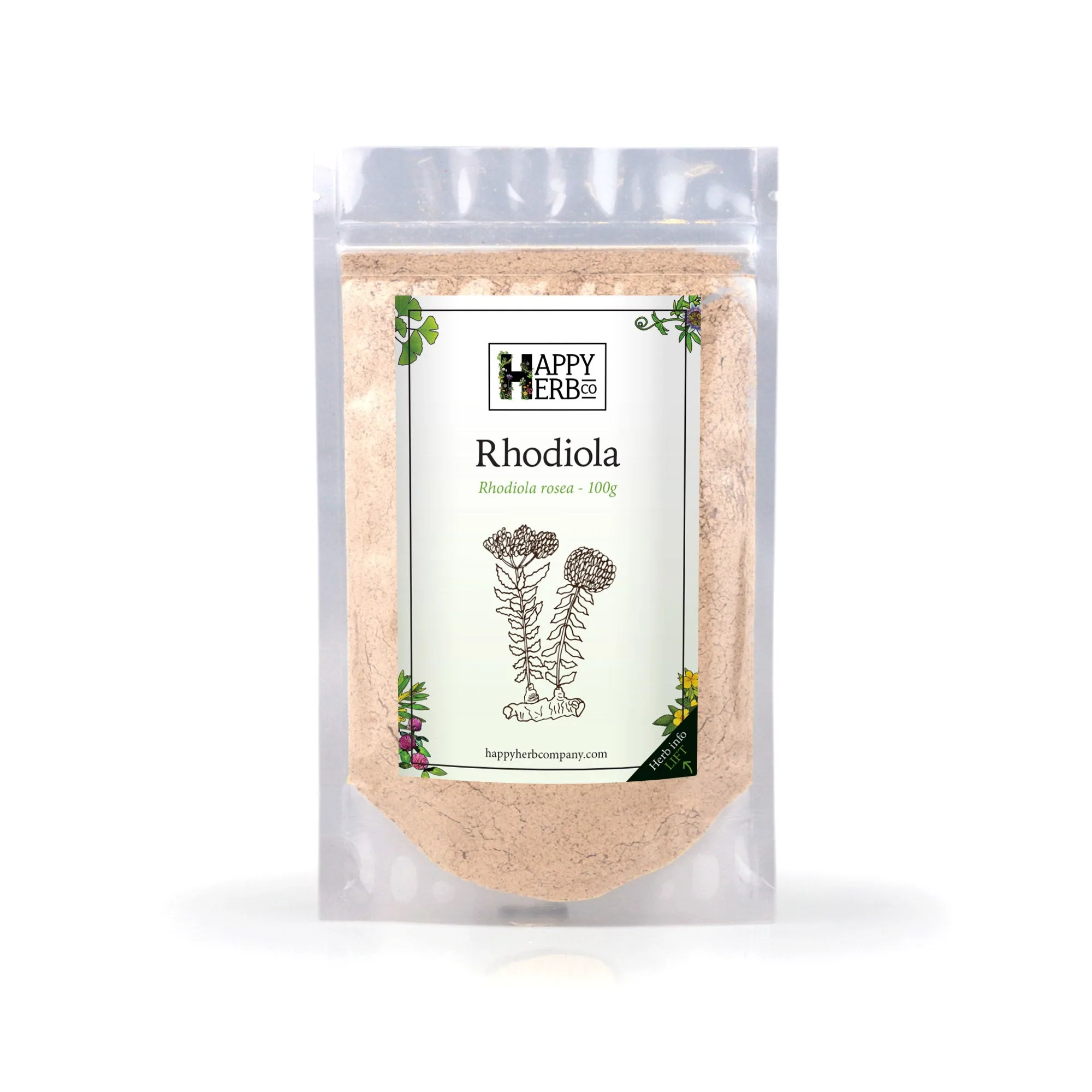
Not every herb pairs perfectly. Some are stimulating, like Rhodiola in Out of the Blue tea, while others are calming, like Lemon Balm. When stacking, think about your goal: if you want to relax, combine calming herbs like Lemon Balm and Tulsi. If you need gentle energy, pair a stimulating tea with a mild adaptogen.
Avoid combining two strong herbs that do the same thing. For example, taking both Mugwort tincture and another dream-enhancing tea might be too much. Instead, use one strong herb as the 'star' and let the other play a supporting role. Always research each herb's traditional uses and potential interactions.
Dosage and Timing: How to Space Your Doses
The golden rule is to space your tea and tincture by at least 30 minutes. This gives you time to notice how the first preparation affects you before adding the second. For instance, drink a cup of calming tea, wait half an hour, then take a small dose of tincture if needed.
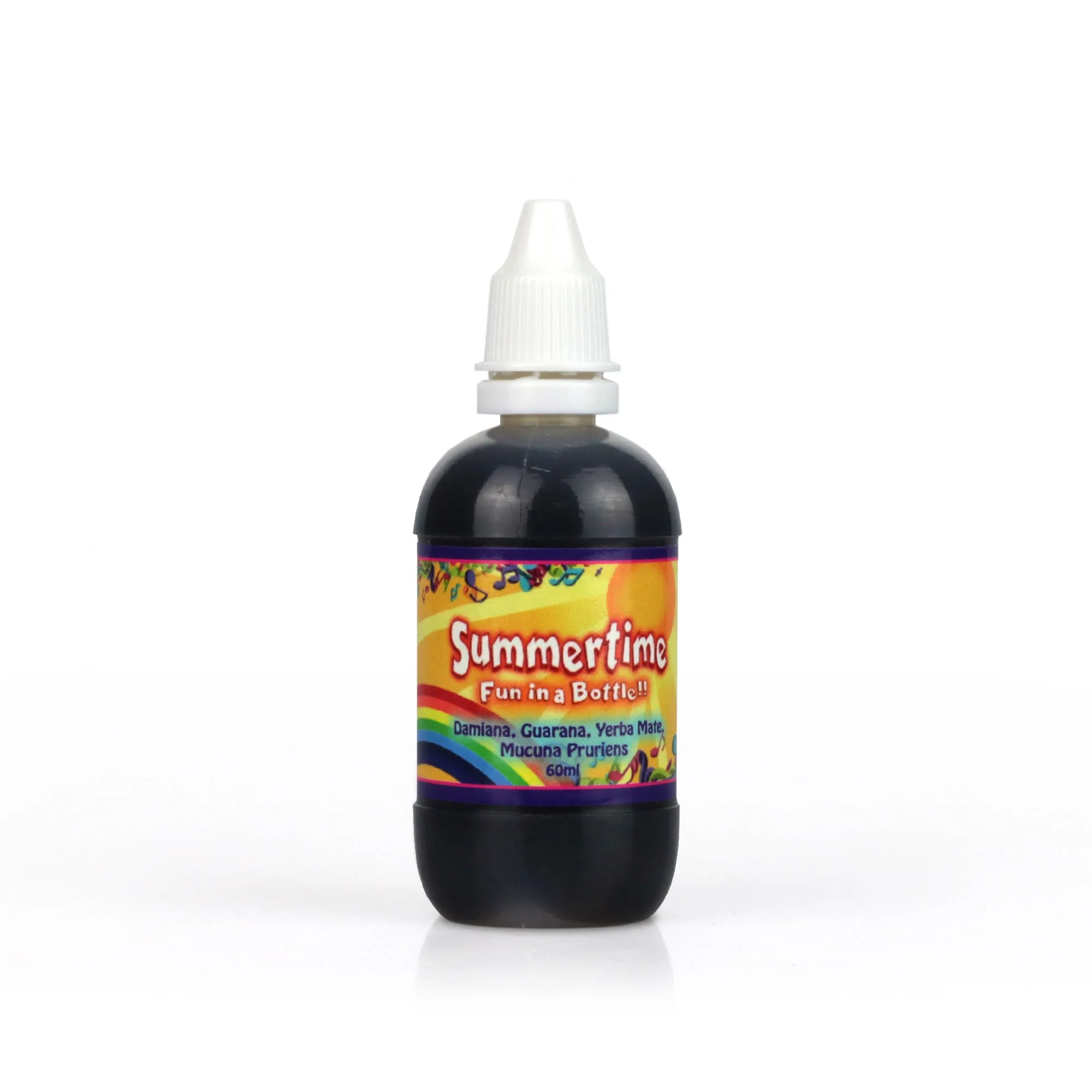
Also consider the time of day. Uplifting herbs like those in Summertime Herbal Tincture are best in the morning or early afternoon. Calming herbs like Lemon Balm are ideal for evening. If you're using a tincture for sleep, take it 30–60 minutes before bed, not with a large meal that might slow absorption.
Common Mistakes to Avoid
One common mistake is mixing too many herbs at once. When you combine a tea blend with multiple tinctures, it's hard to know which herb is causing a reaction. Start with one tea and one tincture, and introduce new herbs one at a time.
Another error is assuming 'natural' means 'harmless.' Even gentle herbs can be potent in tincture form. Pregnant women, people on medication, or those with medical conditions should consult a healthcare provider before using herbal preparations. Also, avoid using Mugwort if you are pregnant, as it can stimulate the uterus.
A Simple Step-by-Step Routine to Start
Here's a safe way to begin stacking: pick a single tea and a single tincture that share a similar goal, like relaxation. Brew your tea and enjoy it slowly. Wait 30 minutes. Then take a small dose of the tincture—start with half the recommended amount. Note how you feel over the next hour.
If all goes well, you can repeat this routine for a few days, then adjust the dose or timing. Keep a journal to track which combinations work best. Over time, you'll build a personalized routine that feels both effective and safe.
Your Safe Stacking Checklist
- Start with one herb at a time: Choose a single tea and a single tincture. Introduce new herbs gradually so you can identify any adverse reactions. Checkpoint: Keep a journal of what you took and how you felt.
- Space your doses by 30 minutes: Drink your tea, then wait at least half an hour before taking the tincture. This lets you gauge the tea's effect before adding more. Checkpoint: Set a timer if you're forgetful.
- Start with a low tincture dose: Use half the recommended dose initially. Tinctures are concentrated, and you can always add more later. Checkpoint: Monitor how you feel for the next hour.
- Match herbs to your goal: Combine herbs with complementary actions. For energy, pair a stimulating tea with an adaptogen. For sleep, use calming herbs only. Checkpoint: Avoid mixing two strong sedatives or two strong stimulants.
- Consult a professional if needed: If you are pregnant, nursing, on medication, or have a health condition, ask your healthcare provider before stacking herbs. Checkpoint: Some herbs like Mugwort are not safe during pregnancy.
Products That Fit a Stacking Routine
- Out of the Blue Herbal Tea Blend: Our favourite uplifting tea, and one of our most loved blends of all time. Brew it and watch the infusion transform into a vivid natural blue, then settle in for a cup that feels fresh, floral and gently uplifting. Rhodiola brings a subtle stimulating quality, balanced by calming botanicals traditionally loved for mood and relaxation. This tea is a great base for a daytime stack—its gentle stimulation pairs well with a focused tincture like Tulsi for a clear-headed afternoon.
- Lemon Balm 1:2 Liquid Herb: Gentle, citrusy, and quietly uplifting, Lemon Balm is one of Western herbalism's most beloved nervines. Chosen by those seeking a lighter mood, a calmer mind, and a more settled digestive system simultaneously. A herb for those who carry their stress in both the mind and the gut. Lemon Balm tincture is ideal for evening stacking—combine it with a calming tea like Chamomile (not shown) to ease tension and support digestion before bed.
Combining herbal teas and tinctures can enrich your wellness routine, but it requires a mindful approach. By starting slowly, spacing your doses, and choosing complementary herbs, you'll enjoy the benefits without the guesswork. Remember: less is often more when you're stacking botanicals.