Quick Answer
Yes, you can combine Star Realms and Hero Realms decks for a custom game, but you need to align the rules and card types. Since both games use the same deck-building core, you can mix them by treating all cards as a single deck, balancing factions, and agreeing on unified rules. For a smooth experience, start with small expansions like Star Realms Command Decks to add variety without overpowering your game.
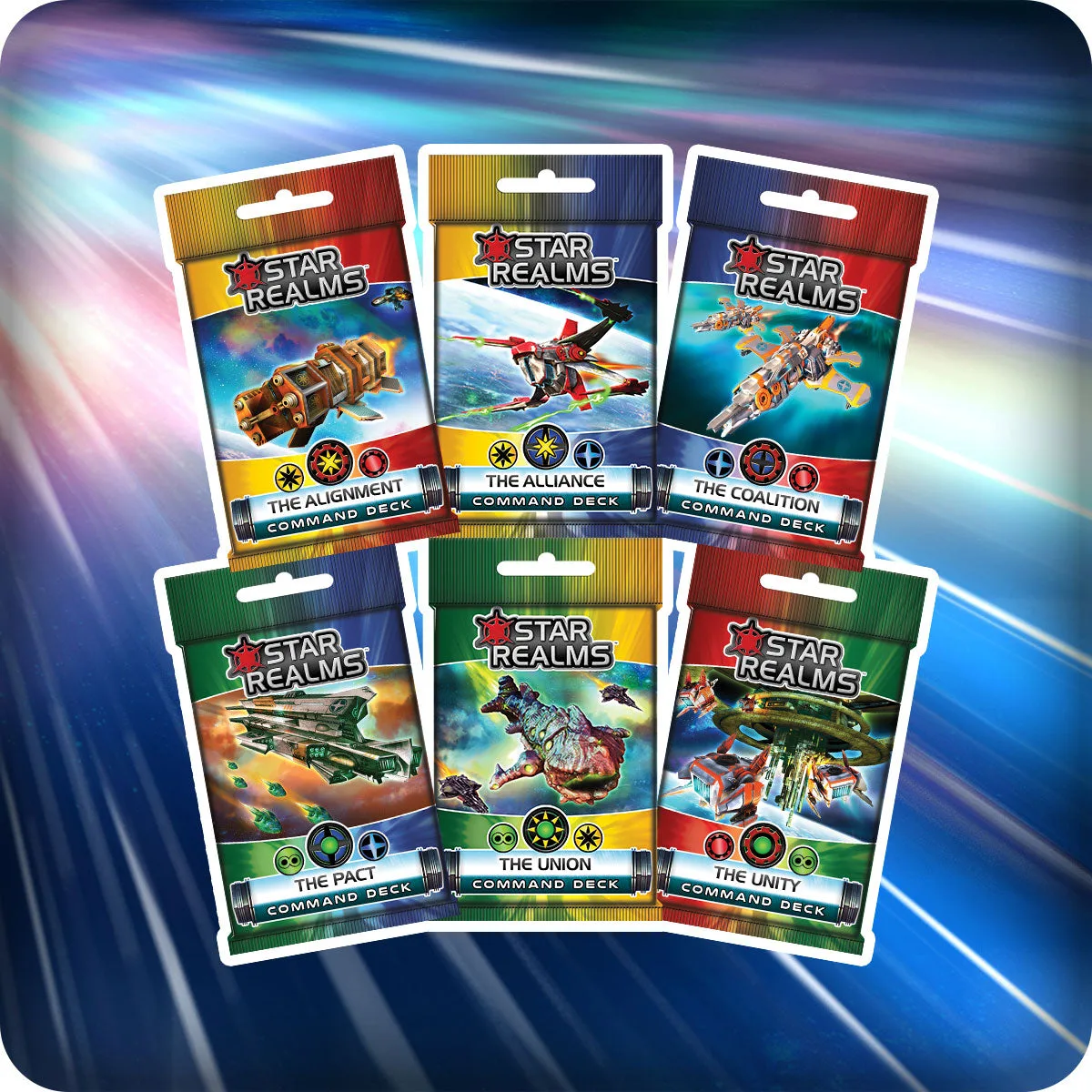
Star Realms Command Decks
If you own both Star Realms and Hero Realms, you might wonder if you can shuffle them together for a fresh, custom game. The good news: both games share the same deck-building DNA, so mixing is possible with a few adjustments. This guide walks you through the steps to combine decks effectively, whether you want a casual mashup or a more structured experience.
We’ll cover rule harmonization, deck balance, and practical tips to avoid common pitfalls. Plus, we’ll highlight some Star Realms products that can enhance your custom game without breaking the bank.
Understand the Core Similarities and Differences
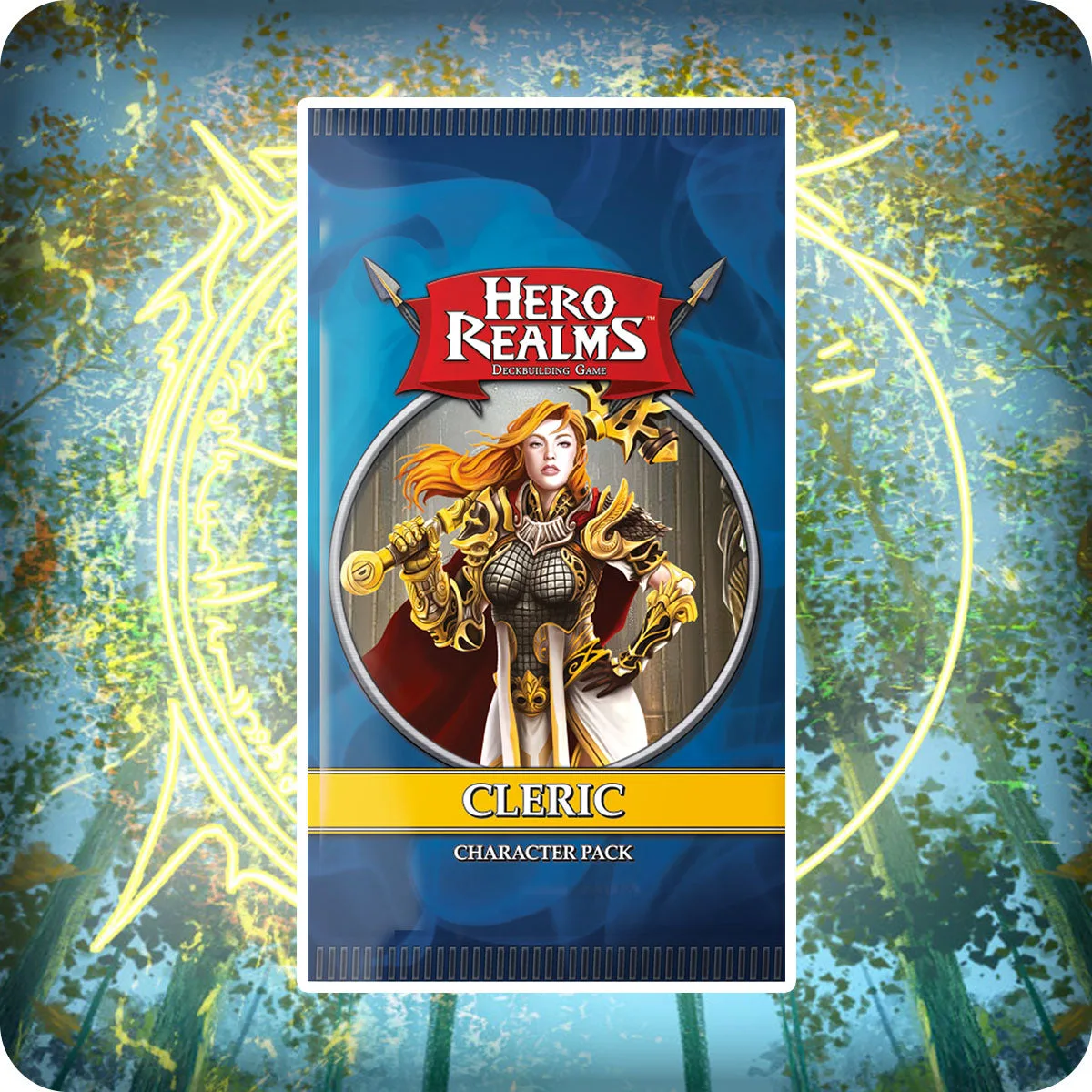
Star Realms and Hero Realms are both deck-building games designed by the same team, so they share core mechanics: you start with a personal deck, acquire cards from a central trade row, and use them to attack opponents or generate resources. The key difference is theme: Star Realms is sci-fi with factions like Trade Federation and Machine Cult, while Hero Realms is fantasy with classes like Cleric and Ranger. This thematic clash can be fun, but you’ll need to decide how to handle faction-specific abilities.
For rules, both games use similar turn structure: play cards, acquire new ones, and discard. However, Hero Realms introduces champion cards that stay in play, which Star Realms lacks. When mixing, you must agree whether champions are allowed. Similarly, Star Realms bases have a defense mechanic that Hero Realms doesn’t use. The simplest approach is to use one game’s rulebook as the base and treat the other’s cards as compatible, but be ready to house-rule edge cases.
- Check for any card that references a specific game mechanic (e.g., champions vs. bases) and decide how to handle it.
- Use the rulebook from the game that has more cards in your mix to minimize confusion.
Balance the Deck Composition
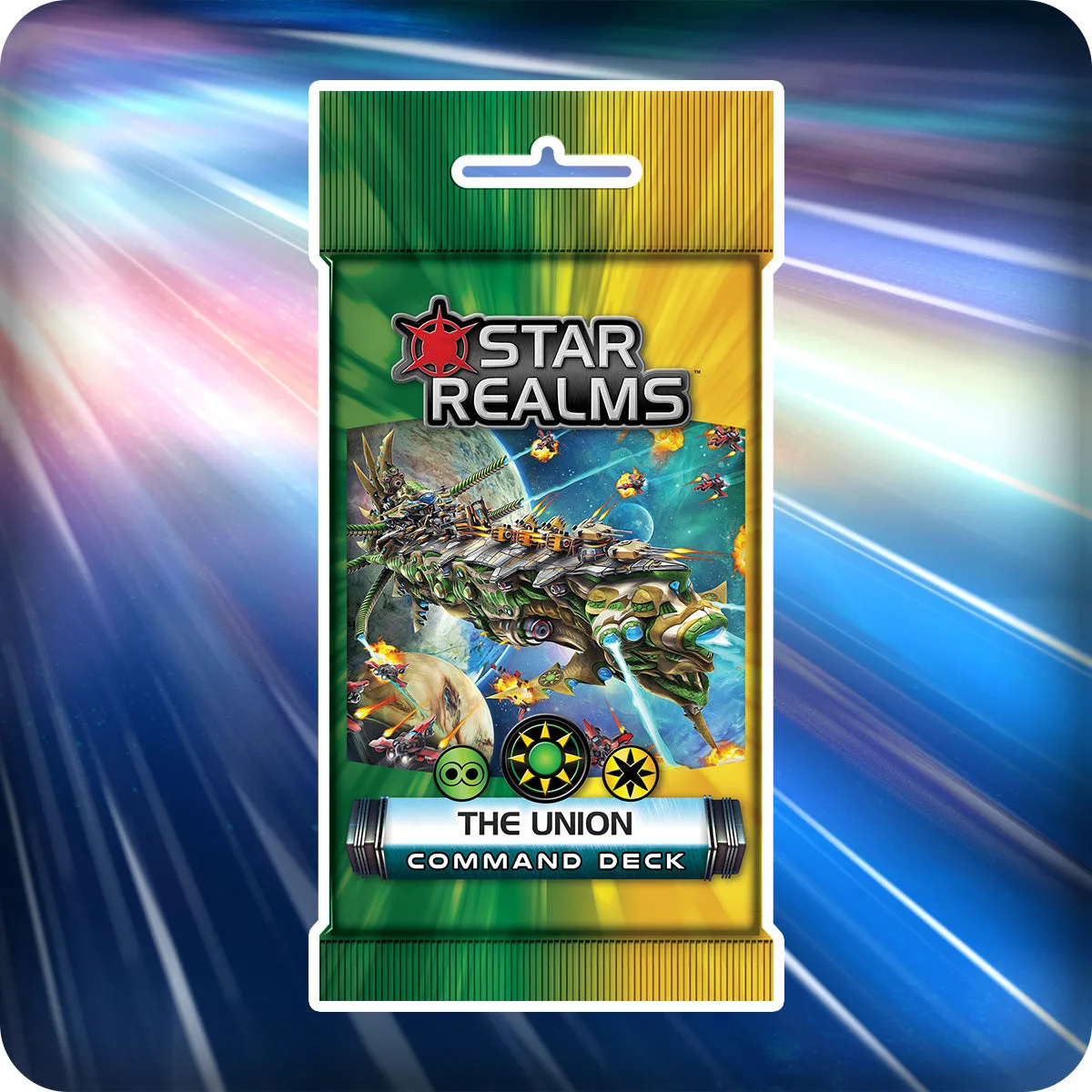
A common mistake is simply shuffling all cards together, which can lead to bloated trade rows and inconsistent pacing. Instead, curate your combined deck: aim for a similar card count to a standard game (around 10-15 cards per player in the starting deck, and a trade row of 5-6 cards). You can achieve this by selecting specific expansions or sets from each game. For example, Star Realms Command Decks add a legendary commander and a 12-card personal deck, perfect for giving each player a unique starting point.
When mixing, consider faction balance. Star Realms has four factions, while Hero Realms has different class-based cards. To keep the game fair, ensure that no single faction dominates. You might limit each faction to a certain number of cards or allow players to draft from a combined pool. Another approach is to use the 'united' mechanic from Star Realms United: Assault, which features multi-faction cards, to bridge the two games’ themes.
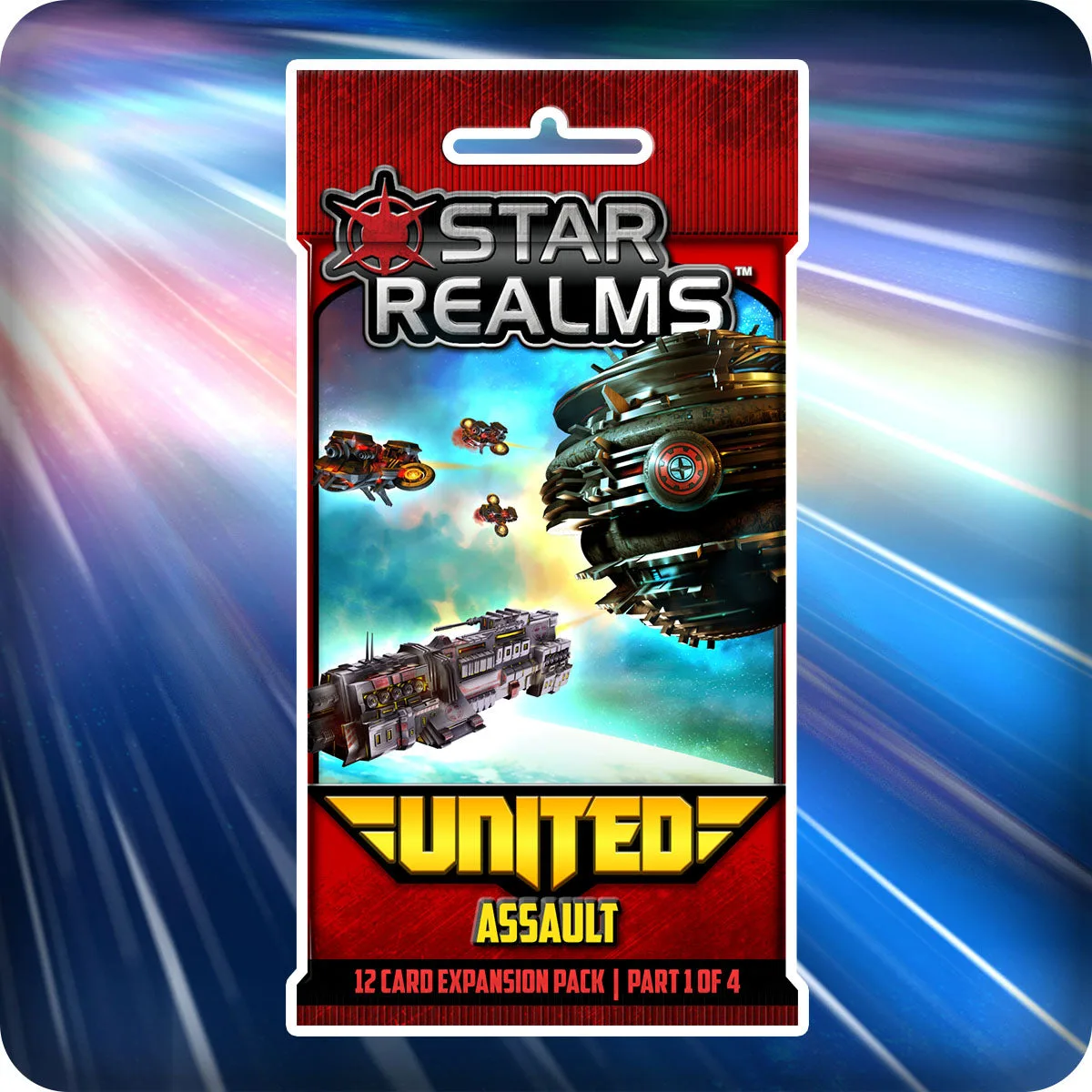
Star Realms United: Assault
- Start with a smaller card pool (e.g., one expansion from each game) to test balance before adding more.
- If playing with more than two players, increase the trade row size to keep cards flowing.
Harmonize Rules for a Smooth Experience
Before starting, agree on which rules take precedence. For instance, Hero Realms uses a health track of 50 points, while Star Realms uses authority. Decide whether you’ll use authority or health, and how damage is applied. Similarly, clarify how to handle cards that refer to 'bases' vs. 'champions'—you could treat them as equivalent, or disallow one type. Write down your house rules so everyone remembers.
Another rule difference is the starting deck: Star Realms starts with 10 cards (8 Scouts and 2 Vipers), while Hero Realms starts with 10 cards (including a class-specific card). If you mix starting decks, you might have unbalanced openings. Consider using the same starting deck for all players, or allow each player to choose a starting deck from either game. For a custom game, you can even design your own starting deck, but that requires more testing.
- Create a quick reference card listing your house rules to avoid mid-game disputes.
- Test with a small group before introducing mixed decks to new players.
Step-by-Step: Build Your Custom Mixed Deck
- Choose Your Base Game: Decide which game’s rules you’ll use as the foundation. If you prefer sci-fi themes and base mechanics, use Star Realms; if you want champions and fantasy, use Hero Realms. This determines how you handle card types. Checkpoint: Ensure all players agree on the base rules before proceeding.
- Select Your Card Pool: Pick expansions from both games that you want to include. For a balanced game, choose sets with similar card counts and avoid overpowered combos. For example, include one Command Deck per player to give each a unique commander. Common mistake: Including too many cards leads to a slow, clunky game. Start small.
- Harmonize Starting Decks: Ensure all players start with identical or balanced decks. If you mix starting cards, test for fairness. You can use the standard starting deck from your base game, or allow players to choose a Command Deck from Star Realms for variety. Checkpoint: Play a practice round to see if any player has an unfair advantage.
- Set House Rules: Write down how you’ll handle cards that reference game-specific mechanics. For instance, treat 'bases' and 'champions' as equivalent, or ban one type. Decide on health/authority totals and how to handle faction abilities. Common mistake: Forgetting to clarify rules leads to arguments. Document everything.
- Test and Adjust: Play a few games with your mixed deck. Note any balance issues or confusing interactions. Adjust the card pool or rules as needed. You might find that some cards are too powerful when combined, so consider banning them. Final checkpoint: Once the game feels balanced and fun, you’re ready for a full custom game.
Products That Enhance Your Custom Game
- Star Realms Command Deck: The Alignment: This pack contains 18 cards for use with Star Realms Deckbuilding Game: A Legendary Commander card: Divine Admiral Le, a 12-card custom personal deck, and more. Adds a themed commander and a balanced personal deck, giving each player a unique starting point in your combined game.
- gambit-29dc48ff5607d52e0d1ba196-932337">Star Realms Cosmic Gambit: This pack contains 15 cards for use with the Star Realms Deckbuilding Game and/or the Colony Wars expansion, including 13 Gambit cards. Gambit cards introduce special one-time effects, adding strategic depth and variety to your custom mashup without complicating rules.
- Star Realms United: Assault: This United Assault pack includes all-new multi-faction ships and bases, such as Alliance Transport, Blog Bot, and Union Stronghold. Multi-faction cards naturally bridge different factions, making it easier to balance mixed decks from Star Realms and Hero Realms.
Combining Star Realms and Hero Realms can lead to a unique and exciting custom game, but it requires thoughtful planning. By harmonizing rules, balancing your card pool, and testing thoroughly, you’ll create a satisfying experience for everyone. Start with small expansions like Star Realms Command Decks or Cosmic Gambit to ease into the mix, and don’t be afraid to adapt as you play.