What Makes a Mat Work for Hot Yoga?
Hot yoga means heat, humidity, and sweat. The mat you use needs to stay grippy when wet, provide enough cushion for a longer practice, and hold up to frequent use. A combo yoga mat—one that combines a top layer with a different base material—can be a strong candidate, but it helps to know exactly what you're getting.
The Yoga Design Lab Combo Yoga Mat is designed with a soft, absorbent microfiber top and a natural rubber base. According to the manufacturer, the microfiber improves grip as moisture builds, which is exactly the kind of behavior you want when sweat starts to form. The natural rubber base helps keep the mat in place on the floor.
Grip That Gets Better with Sweat
Many standard yoga mats become slippery when wet. The Combo Yoga Mat addresses this by using a microfiber surface that absorbs moisture and becomes tackier as you perspire. That means you don't need a separate towel on top of the mat—a convenience that hot yoga practitioners often appreciate.
The natural rubber base provides traction against the floor, reducing the chance of the mat sliding during dynamic sequences. This combination of a moisture-absorbing top and a grippy base makes the Combo Yoga Mat a practical choice for hot yoga, assuming you prefer a mat that doesn't require an extra layer.
What the Combo Yoga Mat Offers
-
Combo Yoga Mat: The Yoga Design Lab Combo Yoga Mat has a soft, absorbent microfiber top and a natural rubber base. It is designed to improve grip as moisture builds, helping reduce slipping as your practice heats up. This directly addresses the core hot-yoga problem: maintaining grip when you sweat. The microfiber top absorbs moisture and becomes tackier, so you don't need a towel or a separate hot-yoga mat.
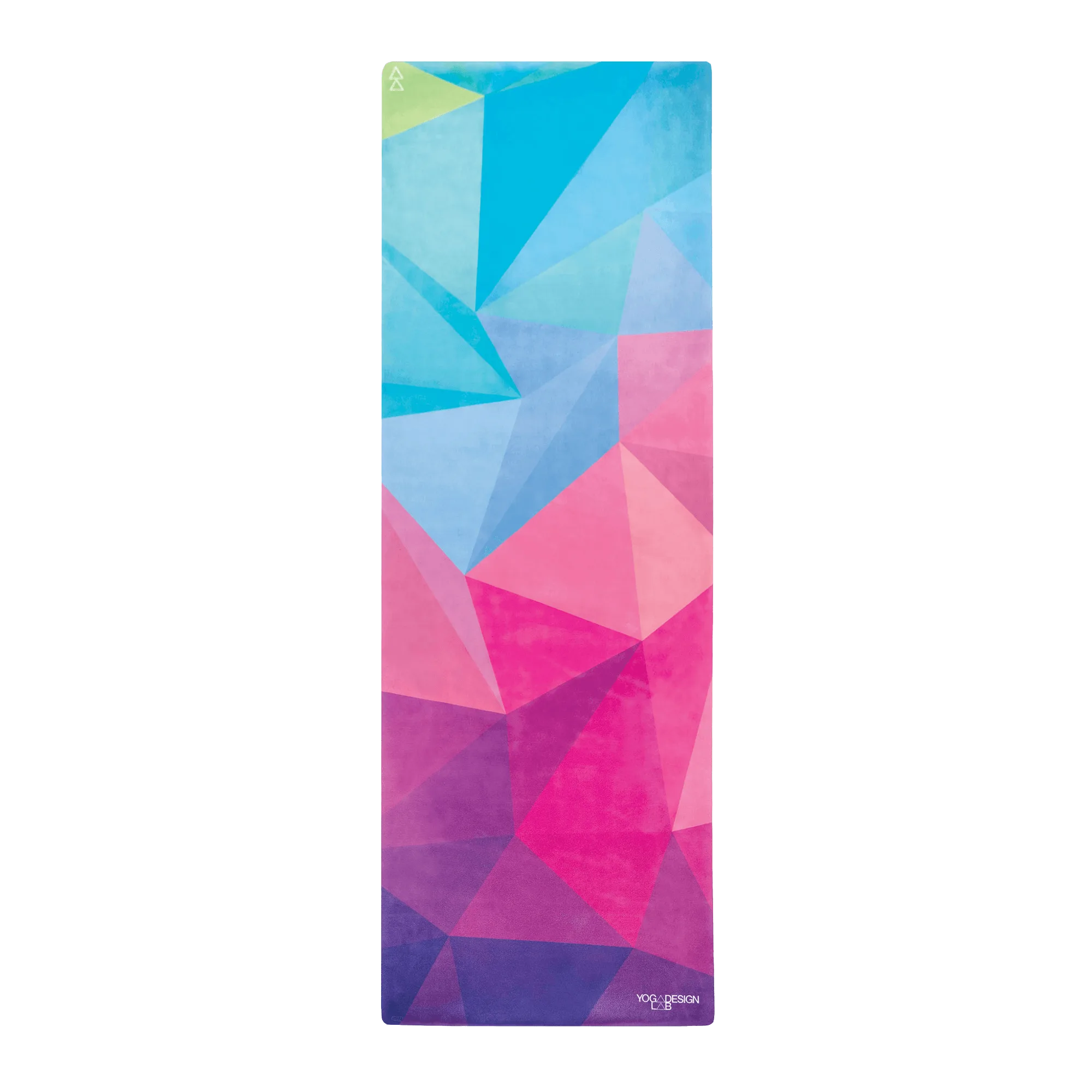
Combo Yoga Mat
-
Combo Yoga Mat: The mat is available in 3.5mm and 5.5mm thicknesses, with several design options including Geo, Mandala Black, Aegean Green, Breathe, Celestial, and Mandala Turquoise. Thickness affects cushioning and portability. The 5.5mm version offers more padding for joints during longer hot sessions, while the 3.5mm is lighter to carry to the studio. The design choices let you pick a look that suits your style.
Cushioning and Support for Heated Practice
Hot yoga classes often involve standing poses, balancing sequences, and floor work. The Combo Yoga Mat's cushioned feel helps protect joints while maintaining a grounded connection to the floor. The 5.5mm thickness provides more padding, which can be welcome on hard studio floors during longer holds or when transitioning through vinyasas.
The 3.5mm version is thinner and more portable, which might suit travelers or those who prefer a closer-to-the-floor feel. Both thicknesses are designed for daily studio use or home practice, according to the manufacturer.
Care Considerations for Hot Yoga Use
Using a mat in hot yoga means more sweat and more frequent cleaning. The microfiber top is absorbent, so it will hold moisture and any bacteria if not cared for properly. The supplied information does not include specific cleaning instructions, but general practice for microfiber mats is to wipe them down after each use and allow them to air dry completely. Avoid leaving the mat in a hot car or direct sunlight for extended periods, as the natural rubber base can degrade over time.
If you practice hot yoga regularly, you may need to clean the mat more often than a standard mat. A gentle spray of water with a few drops of mild soap, followed by a thorough wipe and air drying, should keep the mat fresh without damaging the materials.
What the Supplied Information Doesn't Tell You
The available records confirm the mat's construction and general performance claims, but they do not include specific temperature tolerances, exact slip resistance ratings, or detailed care instructions from the manufacturer. If you have concerns about how the mat holds up in a particular hot yoga studio environment, it may be worth contacting Hugger Mugger directly or checking the mat's packaging for care labels.
Additionally, the mat's thickness options are confirmed, but the records do not specify the exact density of the foam or rubber, which can affect long-term durability. For most practitioners, the combination of microfiber and natural rubber offers a proven solution for sweaty practices, but individual experiences may vary.