Quick answer
Most cork flooring problems come from installation gaps, trapped moisture, heavy point loads or skipped maintenance, not from cork itself failing. Fix small dents with heat and moisture, dry wet areas immediately, and re-seal worn spots before water reaches the core. Replace individual tiles rather than sanding a whole floor, and stop DIY repairs once the cork is crumbling, lifting at the edges or showing dark staining across multiple tiles.
Cork floors earn their reputation for warmth and quiet, but they are not maintenance-free. Dents from furniture legs, cupping near a dishwasher, gaps at a doorway and faded patches under a window are the four complaints we hear most often. Each has a different cause, and each has a different fix.
This guide separates the symptom from the likely cause so you can act on the right problem. It also tells you where to stop. Cork is forgiving, but a repair attempted on the wrong fault usually makes the damage bigger and more expensive.
Dents and indentations from furniture and heels
Cork floor dents are the most common complaint, and the least serious. Cork is a cellular material, so it compresses under a heavy point load and slowly recovers. A chair leg, a stiletto heel or the corner of a sofa leaves a shallow crater that looks permanent for a week and then partly rebounds. If the dent is shallow and the surface finish is intact, you are dealing with compression, not damage.
The fix is heat and moisture. Lay a damp cloth over the dent and run a warm iron over it for a few seconds at a time, checking between passes. The warmth softens the cork cells and the moisture helps them swell back. Do not hold the iron in one place, and do not use steam settings on a glued-down floor where seams could lift.
- Fit wide, felt-backed glides to every chair and table leg before the floor is used.
- Move heavy furniture with a lifting strap rather than dragging it.
- Repeat the iron treatment over several days; cork recovers gradually, not instantly.
Moisture issues: cupping, dark patches and lifting edges
Cork flooring moisture issues look different from dents. The tiles cup at the edges, the seams darken, or a patch feels soft underfoot. The cause is almost always water reaching the cork from below or sitting on top for too long. A slow leak behind a fridge, a mop left too wet, or a spill that soaked into an unsealed seam will all produce the same result.
Stop the water source first, then dry the area with airflow, not heat. A fan and a dehumidifier for 48 hours will tell you whether the cork recovers. If the edges stay lifted after drying, the tile has swollen and will need replacing rather than flattening.
- Wring mops until they are barely damp; never flood a cork floor.
- Wipe spills within a few minutes rather than letting them sit.
- Check the finish annually and re-seal worn areas before water can penetrate.
Gaps, lifting seams and movement at the edges
Gaps between tiles usually trace back to installation, not to the cork. Floating floors need an expansion gap at the perimeter, and if that gap is missing, the floor has nowhere to move and the seams open under seasonal humidity changes. Glued-down floors can lift if the adhesive was applied to a damp subfloor or if the room was too cold when it was laid.
For small gaps in a floating floor, check the perimeter first. If the floor is pinched against a wall or a door threshold, trimming the edge can relieve the pressure and let the seams close. For glued-down tiles that have lifted, the tile needs to come up and be re-bonded; pressing it back down without new adhesive will not hold.
- Leave the recommended expansion gap at every wall, including behind skirting.
- Keep indoor humidity stable; cork moves with the seasons.
- Never trim a floating floor tight to a doorway without a transition profile.
Fading, scuffing and worn surface finish
Cork fades under strong direct sun, and the change is gradual enough that you notice it only when you move a rug. Scuffing and a dull, chalky surface are usually finish wear rather than color loss. The top coat takes the traffic; when it thins, the cork underneath looks tired and absorbs dirt more easily.
Re-sealing is the correct repair for wear, and it is a maintenance task, not a restoration. Clean the floor thoroughly, let it dry completely, then apply a compatible finish in thin coats. Fading cannot be reversed by re-sealing. If the color difference between a sun-exposed area and a covered area bothers you, the practical answer is to rearrange rugs and furniture rather than refinish the whole room.
- Use felt pads and mats in high-traffic zones to slow finish wear.
- Rotate rugs periodically so fading stays even.
- Re-seal before the finish wears through, not after.
Choosing the right cork floor for problem areas
Some cork flooring problems are better solved before installation than after. If the room is a kitchen, bathroom, laundry or boat, a standard cork tile is the wrong starting point. Cork Flooring Roll is built differently: a decorative cork top layer over a resilient PU core, backed with cork and recycled rubber. It is PVC-free, made in Portugal, water-resistant enough for wet areas, works with underfloor heating, and can also be applied to walls.
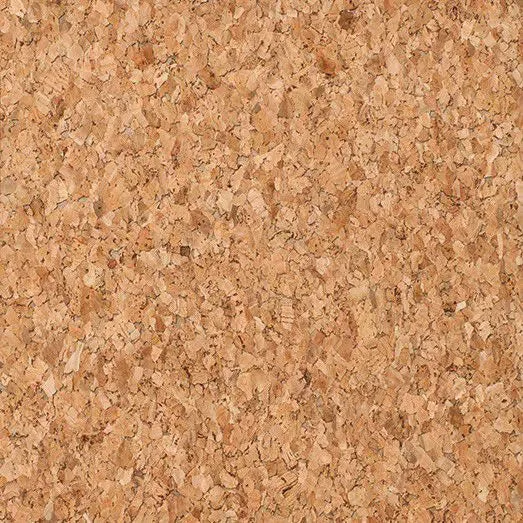
Cork Flooring Roll
For dry rooms, the choice between floating and glued-down comes down to speed versus permanence. Cork Floor Tiles can be installed either way: floating tiles go down fast over an existing floor with no underlay required, while glued-down tiles give a permanent, seamless finish. Both deliver cork's natural thermal comfort, joint-friendly softness and antibacterial surface.
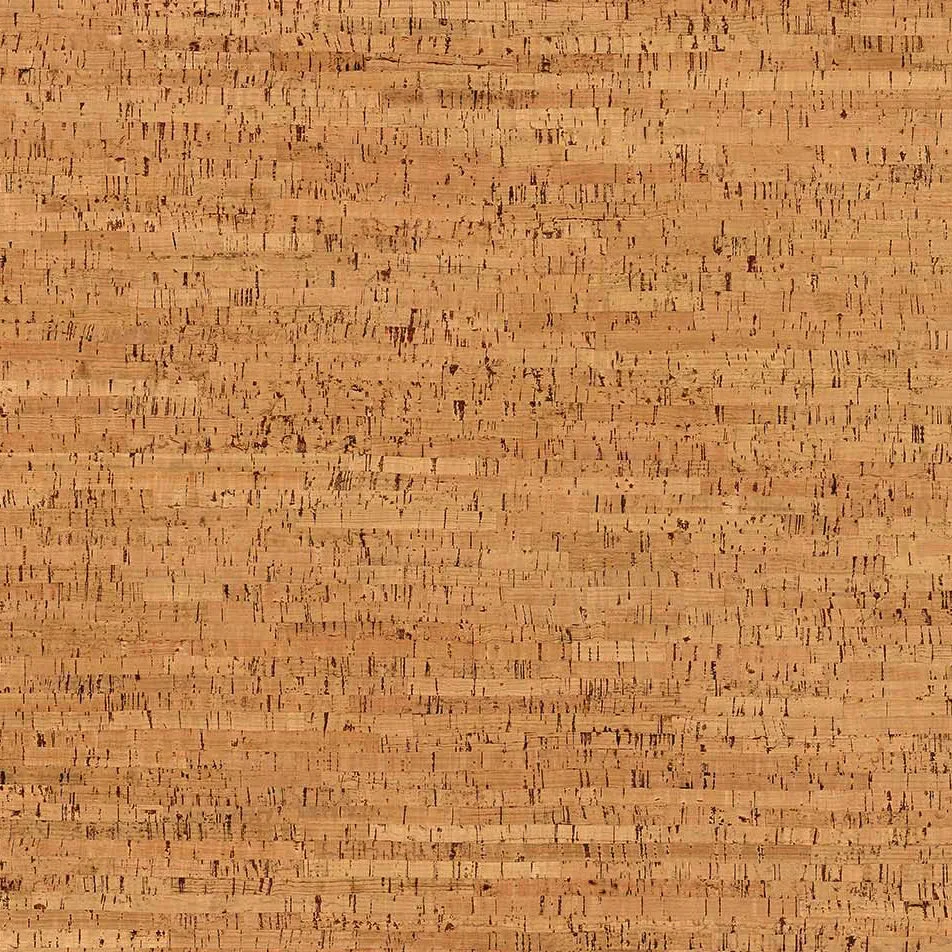
Cork Floor Tiles
- Wet areas: choose a water-resistant roll system, not a standard tile.
- Rentals and quick refreshes: floating tiles are removable and fast.
- High-traffic permanent rooms: glued-down tiles resist movement better.
Symptom, cause, fix and stop point
- Shallow dent that partly rebounds: Compression from a point load on intact cork. Treat with a damp cloth and a warm iron in short passes, then fit felt glides to prevent recurrence. Fix it yourself. This is normal cork behavior, not damage.
- Cupped edges or dark, soft patches: Water reached the cork and stayed. Stop the source, dry with airflow for 48 hours, and replace any tile whose edges remain lifted. Stop DIY once staining spreads across multiple tiles or the subfloor is wet underneath.
- Open seams in a floating floor: The floor is pinched at the perimeter or a threshold, so it has no room to move. Check and trim the expansion gap before touching the seams. If seams stay open after relieving the edge, the panels need replacing, not re-gluing.
- Dull, scuffed surface with color still even: Finish wear, not fading. Clean, dry fully, and re-seal in thin coats. Re-seal before the finish wears through; once cork absorbs dirt, the fix becomes replacement.
- Color difference under a moved rug: UV fading. Re-sealing will not restore the original tone. Rearrange rugs and furniture instead of refinishing the room.
Cork flooring options worth knowing
- Cork Floor Tiles: Floating or glued — your call, same natural performance. Floating tiles install over an existing floor with no underlay required; glued-down tiles give a permanent, seamless finish. Both offer cork's thermal comfort, joint-friendly softness and antibacterial, hygienic surface. If your problem is movement or lifting seams, the installation method is the variable to check first, not the cork itself.
- Cork Flooring Roll: A decorative cork top layer over a resilient PU core, backed with cork and recycled rubber. PVC-free and made in Portugal, it is water-resistant enough for kitchens, bathrooms, laundries and boats, installs with fewer joins, works with underfloor heating, and can also be applied to walls. For recurring moisture problems in wet rooms, switching to a water-resistant roll system prevents the issue instead of repairing it.
Cork flooring problems are mostly predictable, and most of them are cheaper to prevent than to repair. Address dents early, keep water off the surface, and re-seal before the finish wears through. When a tile is swollen, crumbling or stained through, replace it and move on. If the room is genuinely wet, start with a water-resistant cork system rather than fixing a standard tile twice.