Quick Answer
The most common essential oil mistakes include using undiluted oils on skin, ignoring patch tests, storing oils in sunlight, and overheating them. To avoid these errors, always dilute with a carrier oil, test a small area first, keep bottles in a cool dark place, and never add oils directly to hot water. Follow these simple safety tips to enjoy oils safely.
Essential oils can enhance your well-being, but common mistakes can lead to skin irritation, reduced effectiveness, or even safety hazards. Many users unknowingly misuse oils by skipping dilution or storing them improperly. This guide helps you identify and correct these errors, ensuring you get the most from your oils safely.
Whether you're new to aromatherapy or a seasoned user, understanding correct usage is key. We'll walk through frequent pitfalls and provide straightforward solutions, so you can confidently incorporate oils into your routine.
Undiluted Application on Skin
One of the most frequent essential oil mistakes is applying oils directly to the skin without a carrier oil. Pure essential oils are highly concentrated and can cause redness, burning, or allergic reactions. Even 'gentle' oils like lavender can irritate sensitive skin when used neat.
To avoid this error, always dilute essential oils with a carrier oil such as jojoba, sweet almond, or coconut oil. A typical dilution for adults is 3-5 drops of essential oil per teaspoon of carrier oil. For facial use, reduce to 1-2 drops. Always perform a patch test on your inner forearm before wider use.
- Use a carrier oil for all topical applications.
- Start with a low dilution and increase only if needed.
- Avoid applying oils to broken or irritated skin.
Ignoring Skin Sensitivity and Patch Testing
Many people assume that because an oil is natural, it's safe for everyone. However, individual sensitivities vary. Certain oils, like cinnamon or wintergreen, are more likely to cause irritation. Skipping a patch test can lead to uncomfortable reactions.
To avoid this mistake, always perform a patch test 24 hours before using a new oil. Apply a diluted drop to a small area and cover with a bandage. If no reaction occurs, it's likely safe. For those with sensitive skin or allergies, choose milder oils like lavender or frankincense and always dilute more heavily.
- Patch test every new essential oil.
- Choose gentler oils for sensitive skin.
- Consult a healthcare provider if you have skin conditions.
Poor Storage and Exposure to Light
Essential oils are volatile compounds that degrade when exposed to heat, light, and oxygen. Storing them in clear bottles near a sunny window is a common error that shortens their shelf life and reduces potency. You may notice a change in aroma or consistency.
To keep your oils effective, store them in dark amber or cobalt blue glass bottles, tightly sealed, in a cool, dark place. Avoid bathrooms where humidity fluctuates. Proper storage can extend the life of oils like cypress and frankincense, preserving their therapeutic properties.
- Keep oils in dark glass bottles away from sunlight.
- Store in a cool, consistent temperature area.
- Tightly close caps after each use to minimize oxidation.
Overheating Oils in Diffusers or Baths
Adding essential oils to boiling water or very hot bath water is another mistake. Heat can alter the chemical composition of oils, diminishing their benefits and potentially causing irritation. Also, oils don't dissolve in water, so they can sit on the skin undiluted.
For baths, mix a few drops of oil with a dispersant like a carrier oil or unscented bath gel before adding to warm water. For diffusion, use a cool-air diffuser rather than a heat-based one. If you enjoy steam inhalation, place drops in a bowl of warm—not boiling—water and cover your head with a towel.
- Never add oils directly to boiling water.
- Use a carrier or dispersant in baths.
- Prefer cool-air diffusers over heat-based ones.
Diagnosing Your Essential Oil Routine
- Symptom: Skin redness or burning after application: Likely cause: using oil undiluted or a too-high concentration. Corrective action: immediately wash the area with a carrier oil or mild soap, then apply a cool compress. Dilute future applications more. If irritation persists, stop using that oil and consider a different one.
- Symptom: Oils lose their aroma quickly or become sticky: Likely cause: improper storage in light or heat. Corrective action: transfer oils to dark glass bottles and store in a cool, dark cabinet. Check caps for a tight seal. If oil smells off or has changed consistency, discard it and replace with a fresh bottle.
- Symptom: Diffuser produces weak scent or oils seem ineffective: Likely cause: using heat-based diffusion or adding oils to boiling water. Corrective action: switch to a cool-air diffuser or use warm water for steam inhalation. Ensure you're using enough drops for your space. If you still notice no effect, you may need a higher-quality oil or a different oil for your purpose.
Essential Oils That Support Safe Use
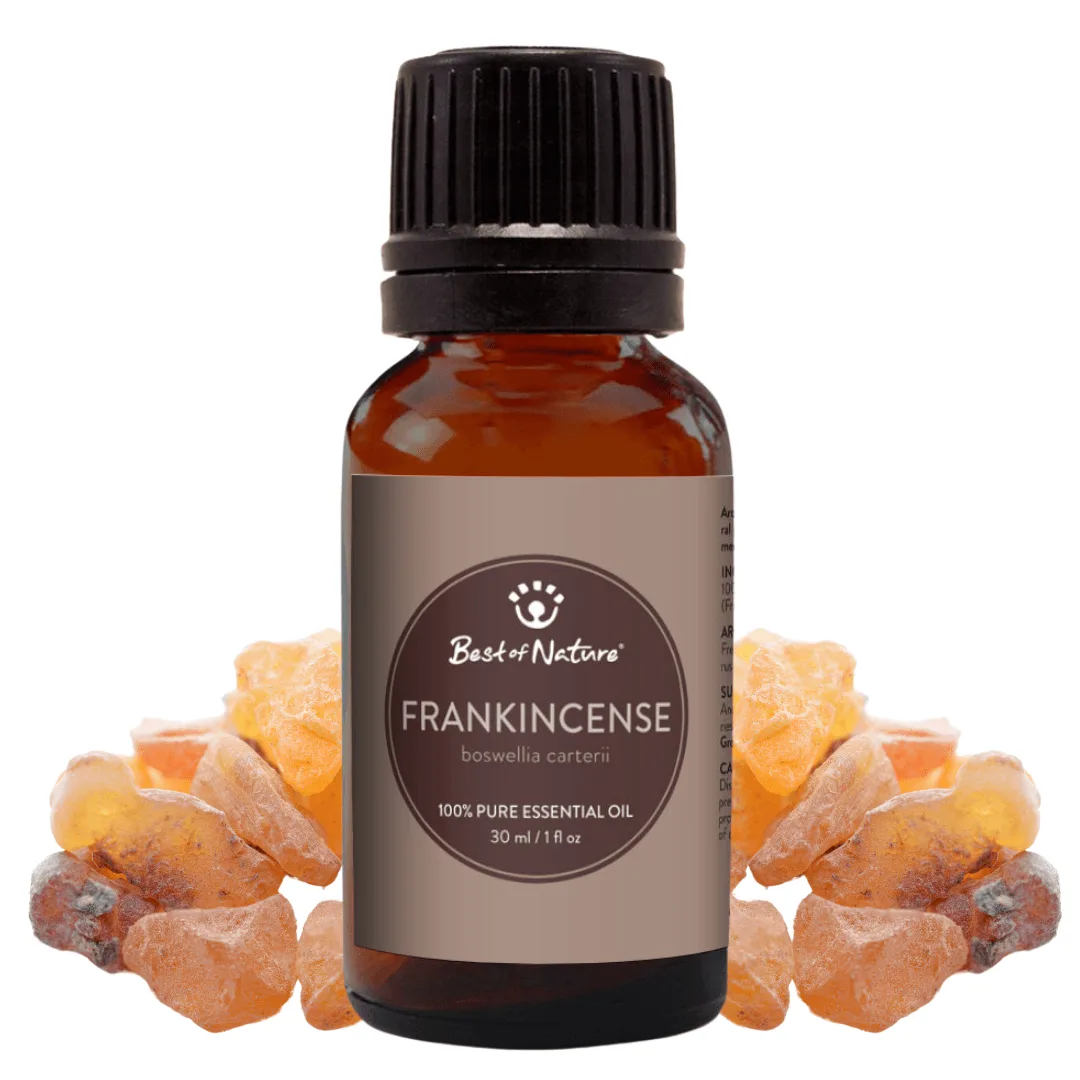
- Best of Nature Frankincense Olibanum Essential Oil: Frankincense is an ancient oil that has been used for centuries for meditation and spiritual practices. It helps center the mind and calm the spirit. Frankincense is a good expectorant, and it can help relieve asthma and other bronchial congestive problems. Frankincense is woody, balsamic, and slightly spicy. It blends well with many oils including the citrus, spice and woody oils. Frankincense is a gentle oil suitable for beginners and those with sensitive skin. Its calming properties make it a great choice for diffusion, and its compatibility with other oils allows you to create customized blends safely.
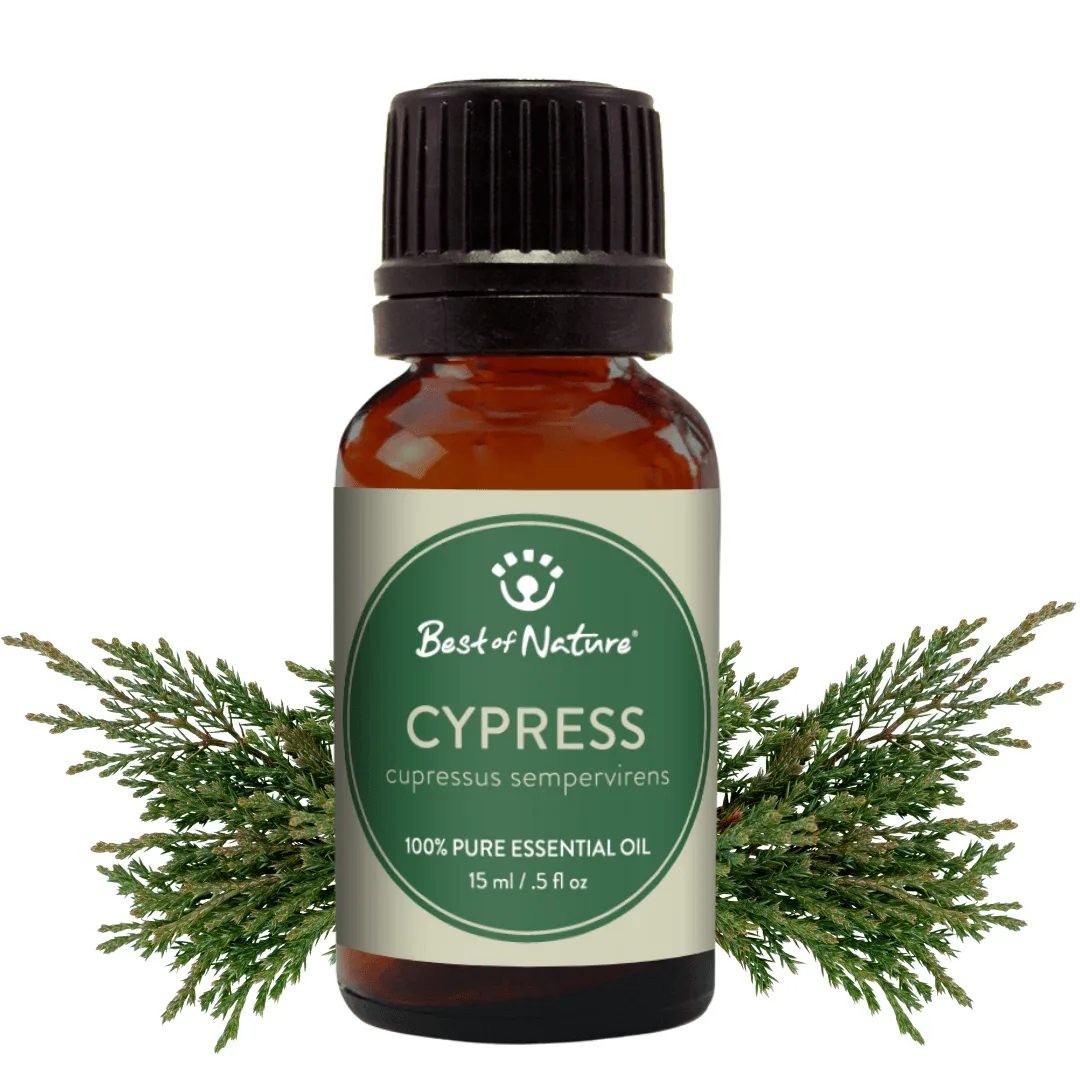
- Best of Nature Cypress Essential Oil: Cypress is a beautiful evergreen oil that is safe to use in a massage blend or as an inhalant. It is astringent and is good for oily skin. It is used to relieve stress and is emotionally comforting, increases concentration, assists with varicose veins and circulation in general, is detoxifying when used in a bath, and is helpful for asthma, hay fever, coughs and bronchitis. Cypress is versatile and can be used in massage blends when properly diluted. Its detoxifying bath benefits are enhanced when paired with a dispersant, illustrating the importance of correct usage to avoid skin irritation.
By avoiding these common essential oil mistakes, you can enjoy the full benefits of aromatherapy safely. Remember to dilute, patch test, store correctly, and avoid overheating. With these practices, your oils will remain effective and your skin happy.