Quick answer
Most flywheel bolt myths for Honda H2B swaps come from treating these fasteners like generic hardware. In reality, factory-style flywheel bolts are often torque-to-yield, meaning they stretch once and should not be reused. A proper Honda flywheel bolt kit, correct ARP lubricant when specified, and clean threads matter more than forum shortcuts. Buy new bolts for any H2B build, and never guess torque specs.
If you are building a Honda H2B swap, you have probably read conflicting advice about flywheel bolts. Some people say reuse them if they look fine, others say any 12-point bolt works, and a few claim ARP lubricant is optional. These flywheel bolt myths get repeated because the fasteners are small and easy to overlook until something fails.
The truth is simpler and less dramatic: flywheel bolts are engineered for one job, and H2B swaps put specific demands on them. This article separates flywheel bolt facts from fiction so you can choose the right Honda flywheel bolt kit and install it correctly.
Myth: You can reuse factory flywheel bolts if they look clean
Verdict: False for torque-to-yield bolts. Many OEM Honda flywheel bolts are designed to stretch when torqued to spec. Once stretched, they do not return to their original length, so clamping force drops even if the threads and heads look perfect. Reusing them on an H2B swap risks the flywheel coming loose, which can damage the crank flange, clutch, and bellhousing.
A new Honda flywheel bolt kit is cheap insurance compared to pulling the transmission again. If you are unsure whether your bolts are torque-to-yield, treat them as single-use. The cost of fresh hardware is far lower than the cost of a failed flywheel.
- Never reuse flywheel bolts that have been torqued to spec once.
- Inspect the crank flange for thread damage before installing new bolts.
- Use a thread chaser, not a tap, to clean blind holes.
Myth: Any high-strength bolt will work if the thread pitch matches
Verdict: Misleading. Thread pitch and diameter are only part of the equation. Flywheel bolts must also have the correct shoulder length, head height, and material properties for the application. A generic bolt with the same M12x1.25 thread may bottom out, sit too tall, or lack the right clamp load for an H2B flywheel.
H2B swap flywheel bolts specifically need to match the Honda crank flange and the flywheel you are using. Mixing brands or hardware-store bolts can create clearance issues with the clutch disc or pressure plate. Stick with a kit designed for the application.
- Match bolt length to flywheel thickness and crank flange depth.
- Check head clearance against the clutch disc and pressure plate.
- Do not mix bolt brands in the same flywheel.
Myth: ARP lubricant is just fancy oil and does not change torque
Verdict: False. ARP lubricant is formulated to reduce friction between the threads and the bolt head. That friction change directly affects how much clamp load you get at a given torque wrench setting. Using engine oil instead of ARP lubricant can leave you with less preload than intended, which means the flywheel may not be clamped tightly enough.
If your bolt kit specifies ARP lubricant, use it on the threads and under the bolt head as directed. Do not substitute grease, anti-seize, or motor oil unless the manufacturer explicitly says so. The torque spec is only accurate with the intended lubricant.
- Apply ARP lubricant to threads and the underside of the bolt head.
- Do not use anti-seize on flywheel bolts unless specified.
- Torque in a star pattern in multiple steps.
Myth: You can torque flywheel bolts by feel or with an impact gun
Verdict: False. Flywheel bolts need a calibrated torque wrench and a proper sequence. An impact gun can over-stretch bolts, strip threads, or leave uneven clamp load. Torquing by feel is even worse because the consequences are invisible until the flywheel shifts.
For an H2B swap, always follow the factory or kit torque spec. If you do not have a torque wrench that reads the required value accurately, borrow or buy one. This is not a place for guesswork.
- Use a calibrated torque wrench, not an impact gun.
- Torque in stages: snug, then half spec, then full spec.
- Never lubricate with the wrong product and then apply dry torque.
Myth: Flywheel bolt kits are all the same, so buy the cheapest
Verdict: Misleading. Material, coating, and quality control vary widely. A low-cost kit may use bolts that stretch inconsistently or lack the correct heat treatment. On a swapped engine like an H2B, where clearances and vibration are already different from stock, weak hardware is a real risk.
Buy from a supplier that specifies the material and application. If a listing does not tell you what the bolts are made of or what they fit, that is a decision limitation, not a bargain. A proper Honda flywheel bolt kit will list the engine and flywheel compatibility.
- Look for kits that state the material and torque spec.
- Avoid unbranded bolts with no application data.
- When in doubt, ask the seller for the manufacturer and part number.
Verdicts on common flywheel bolt claims
- Reusing factory flywheel bolts: Most OEM Honda flywheel bolts are torque-to-yield and should not be reused after one torque cycle. Verdict: False. Buy new bolts for every H2B build.
- Any high-strength bolt with matching threads: Thread pitch alone does not guarantee correct shoulder length, head height, or clamp load. Verdict: Misleading. Use an application-specific Honda flywheel bolt kit.
- ARP lubricant is optional: ARP lubricant changes friction and therefore clamp load at a given torque. Substituting oil or grease can reduce preload. Verdict: False. Use the specified lubricant.
- Impact gun is fine for flywheel bolts: Impact guns can over-stretch bolts and strip threads. A calibrated torque wrench and sequence are required. Verdict: False. Torque by hand with a wrench.
- Cheapest kit is good enough: Material and quality control vary. A kit without material or application data is a risk, not a deal. Verdict: Misleading. Choose a kit that states material and fitment.
Product facts that matter for H2B flywheel hardware
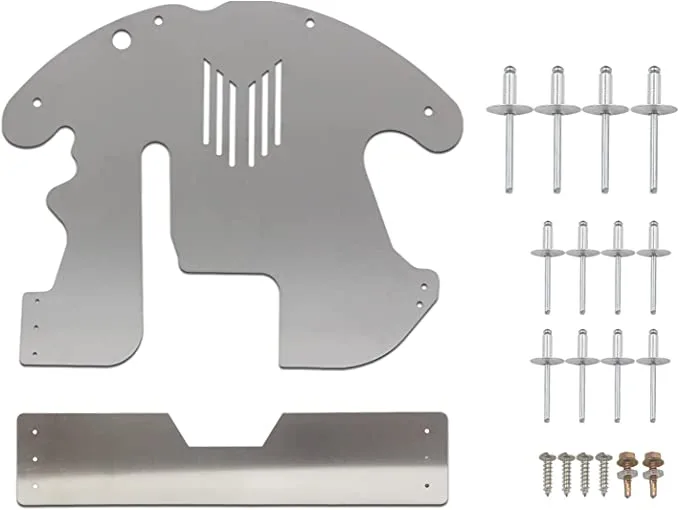
- PLM Miata Hardtop Brackets & Security Hardware Kit NA NB 1990-2005: Includes security hardware bolt screws and washers with key locks to deter theft. Material: High Strength Steel. Color: Coated Black. Fitment: Mazda Miata 1990-2005 with OEM hardtop. Note: Will not fit aftermarket hardtops. This shows the level of detail a proper hardware kit should provide: material, coating, fitment, and a clear note about what it does not fit. Apply the same standard when choosing flywheel bolts. If a flywheel bolt listing does not state material and fitment, treat that as a warning sign.
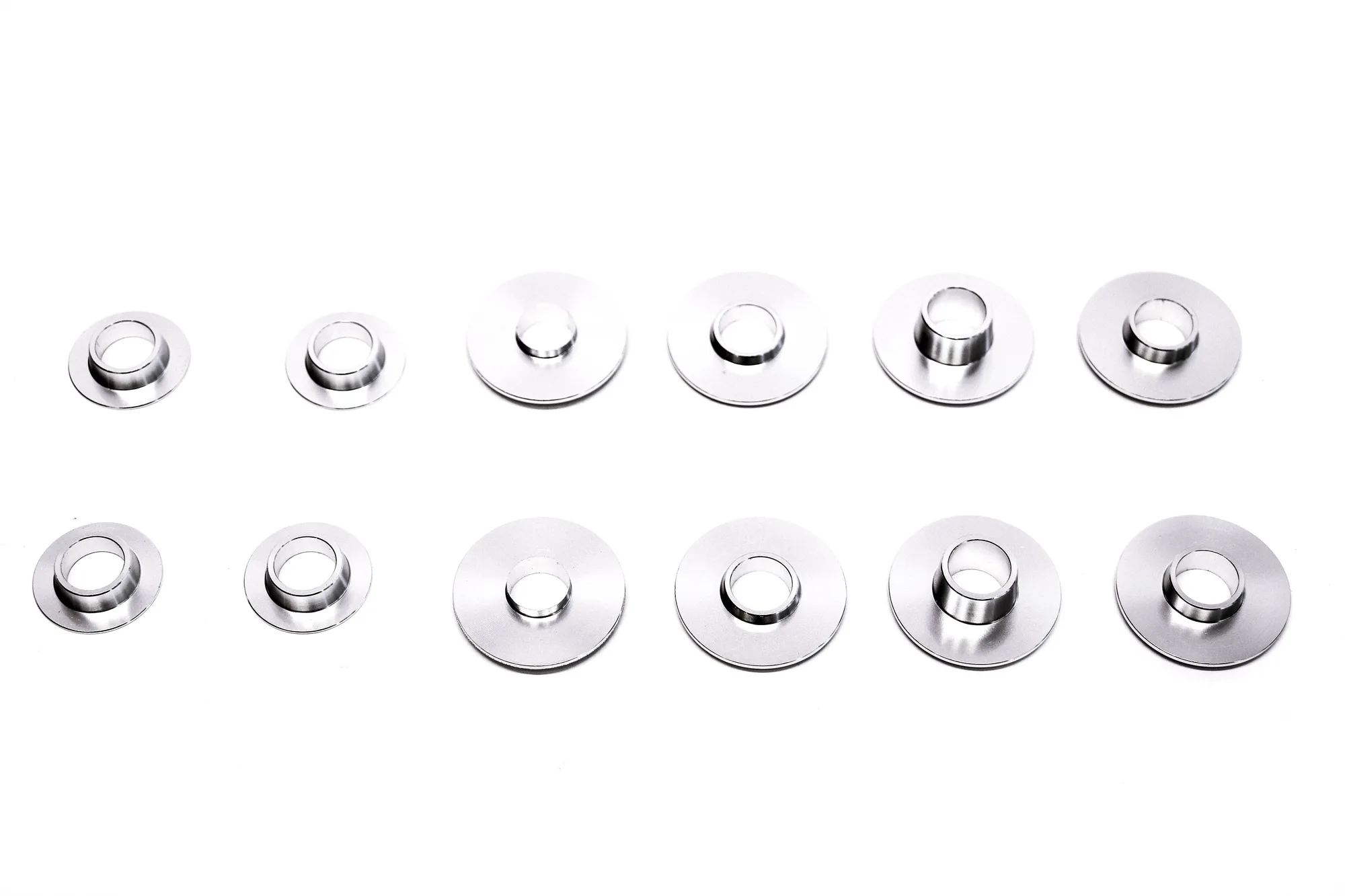
- Precision Works Subframe Hard Collar Kit - Honda Civic FE1 FL1 FL5 2022+ Front: Made from one piece CNC machined billet aircraft aluminum. These collar inserts fit perfectly between the subframe and the chassis bolts. By installing these hard collar inserts rings, it will eliminate any play between the chassis and subframe, thus increasing vehicle stability and suspension precision. Includes: Complete set for front subframe. This is a good example of why application-specific hardware matters. The collars are CNC machined for a specific chassis, not a universal fit. Flywheel bolts are the same: they must match the crank flange and flywheel, not just the thread size.
Flywheel bolt myths survive because the fasteners are small and the consequences are delayed. For your Honda H2B swap, ignore the shortcuts: use a new Honda flywheel bolt kit, apply ARP lubricant when specified, and torque to spec with a calibrated wrench. That approach costs a little more upfront and saves a lot of time later.