Quick answer
The biggest art print buying mistakes are buying for a wall you haven't measured, ignoring paper and print quality, forgetting the frame budget, and choosing art that matches a trend instead of your room. Buy the size you measured, check that the paper and print method suit the spot, and treat framing as part of the cost before you check out.
Most art print regrets don't come from bad taste. They come from skipping three boring steps: measuring the wall, reading the paper description, and deciding how the print will actually hang. Fix those and almost every other decision gets easier.
This guide walks through the mistakes that show up again and again in art print buying, plus simple rules for size, paper, framing, and budget so you can buy online without guessing.
Mistake 1: Buying the print before measuring the wall
The most common mistake is falling for an image and only then wondering whether it fits. A print that looks generous on a screen can read as a postage stamp above a sofa, and one that looks modest can dominate a narrow hallway. Measure the wall space, not just the furniture below it, and leave breathing room on every side.
A practical rule: for a single print over a sofa or console, aim for artwork that spans roughly two-thirds of the furniture's width. For a gallery wall, cut paper templates or use painter's tape to block out each frame before you buy anything. If you're ordering several prints at once, map the whole arrangement first so you don't end up with three pieces that all want to be the center.
- Measure the wall and the furniture, then tape out the footprint before you shop.
- Note the ceiling height and any light switches or vents the art will compete with.
Mistake 2: Ignoring paper and print quality
Paper is where cheap prints give themselves away. Thin, glossy stock reflects every lamp and shows every fingerprint, while matte museum-quality art paper keeps colors calm and readable under normal room light. If a listing doesn't tell you the paper type, that's a decision limitation, not a detail you should assume away.
Print method matters too. Giclée and other pigment-based printing hold detail and resist fading better than mass-produced poster printing, which is one reason two prints of the same size can cost very different amounts. If the listing is vague about paper or method, ask before buying. A seller who can't answer basic material questions is a risk you don't need to take.
- Look for the words matte and museum-quality, and treat missing paper info as a yellow flag.
- If you're framing behind glass, matte paper reduces glare and reflections.
Mistake 3: Forgetting the frame and the true total cost
A print that costs ten dollars can cost sixty once it's framed, and that gap surprises people. Many prints ship unframed, which keeps the price low but shifts the framing decision to you. Standard sizes like 8 x 10 in are easy to frame because ready-made frames are widely available; odd sizes often require custom framing.
Before checkout, add up the print, the frame, a mat if you want one, and hanging hardware. If the total is more than you want to spend, buy a smaller print in a standard size rather than a large one you can't afford to frame properly. An unframed print leaning against a wall is a temporary solution, not a plan.
- Standard sizes like 8 x 10 in are the cheapest and easiest to frame.
- Budget the frame at the same time you budget the print, not later.
Mistake 4: Choosing art for the trend, not the room
Trend-driven prints feel exciting for a season and dated the next. The safer approach is to pick art that shares a color or mood with something already in the room, whether that's a rug, a throw, or the wall color. If a print only works because it's currently everywhere online, it probably won't survive your next redecoration.
This doesn't mean you need a neutral palette. A bold print can anchor a quiet room if you commit to it. What matters is whether the piece has a job: adding color, filling a specific wall, or giving a small space a focal point. Buy for that job and you'll keep the print far longer.
- Pull one or two colors from the print and check them against your room.
- If you can't say what the print is doing for the space, wait a week before buying.
Mistake 5: Skipping the seller and shipping details
Buying art online means trusting a seller you can't visit. Check whether the shop is an independent artist or a reseller, whether prints ship flat or rolled in a tube, and what the return policy says. Flat shipping protects corners and edges; rolled prints usually need time to relax before framing, and creases can be permanent if the tube was too tight.
Independent artists often print to order, which means a short production window before shipping. That's normal, but it's worth knowing so you aren't planning a gallery wall around a delivery date that was never promised. Read the product description fully, including the framing note and the shipping method, before you decide.
- Flat packaging protects corners; rolled prints may need flattening time.
- Print-to-order items take longer, so order ahead if you're decorating for an event.
Decision rules for buying art prints
- If the wall is unmeasured, stop: Measure the wall and tape out the intended footprint before you browse. A print that fits the space will look better than a print you love that doesn't. No measurement, no purchase.
- If the paper isn't named, ask: Matte museum-quality art paper is the baseline for a print you plan to keep. If the listing doesn't say, contact the seller before buying. Missing paper info is a reason to wait, not to guess.
- If framing pushes you over budget, size down: Choose a smaller standard size like 8 x 10 in that fits an affordable ready-made frame rather than a large print you can't frame properly. A framed small print beats an unframed large one.
- If the print only works because it's trending, wait: Give it a week. If it still fits your room's colors and has a clear job, buy it. If not, you've saved yourself a future donation pile. Buy for the room, not the feed.
- If shipping is rolled, plan for flattening: Rolled prints need time to relax before framing, and tight tubes can leave permanent creases. Flat shipping is the safer choice for anything you care about. Check the packaging method before checkout.
What good print listings actually tell you
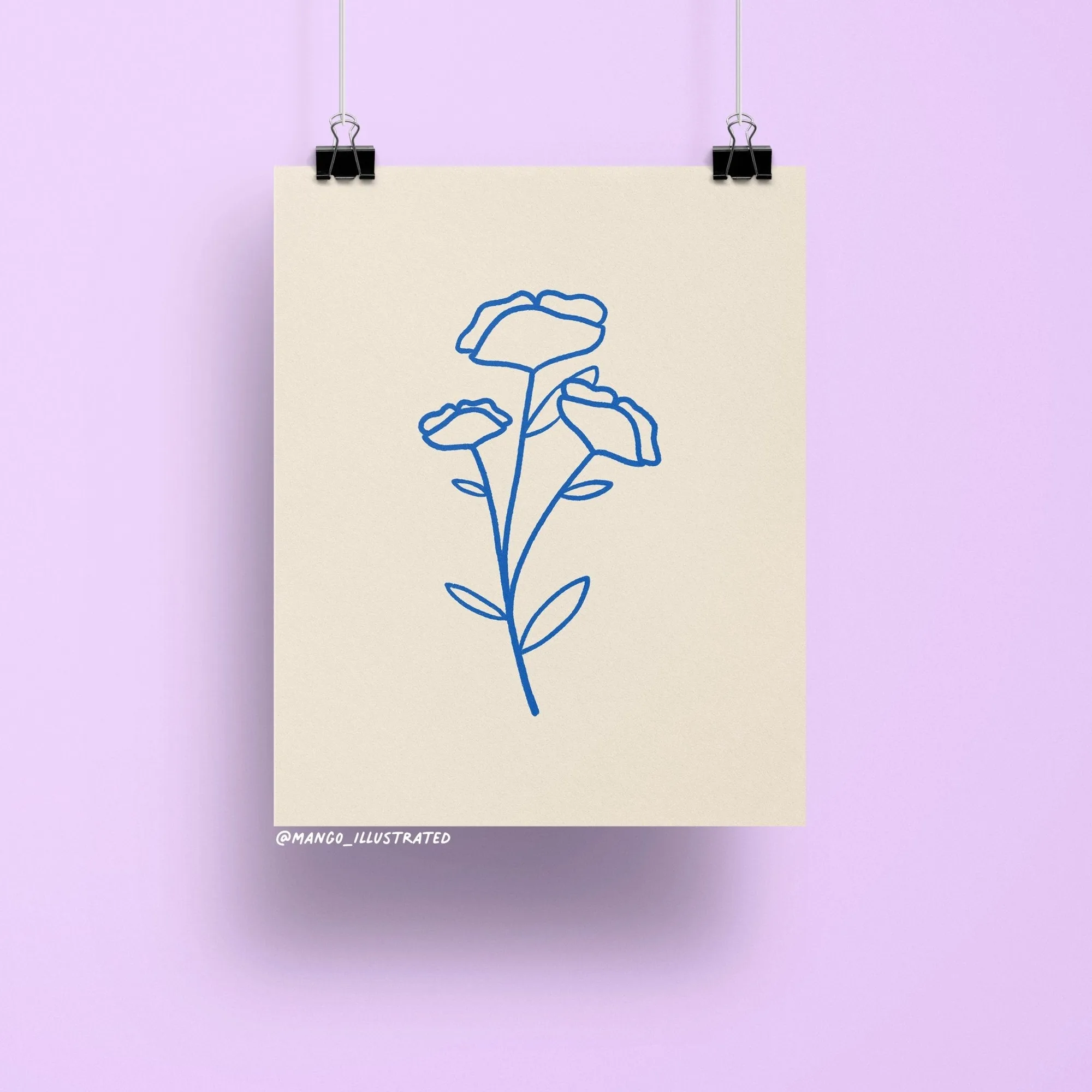
- Cornelia Street art print: 8 x 10 in print on matte museum-quality art paper, unframed, with a frame not included. A standard 8 x 10 in size means you can use widely available ready-made frames instead of paying for custom framing, and matte paper keeps glare down in a lit room.
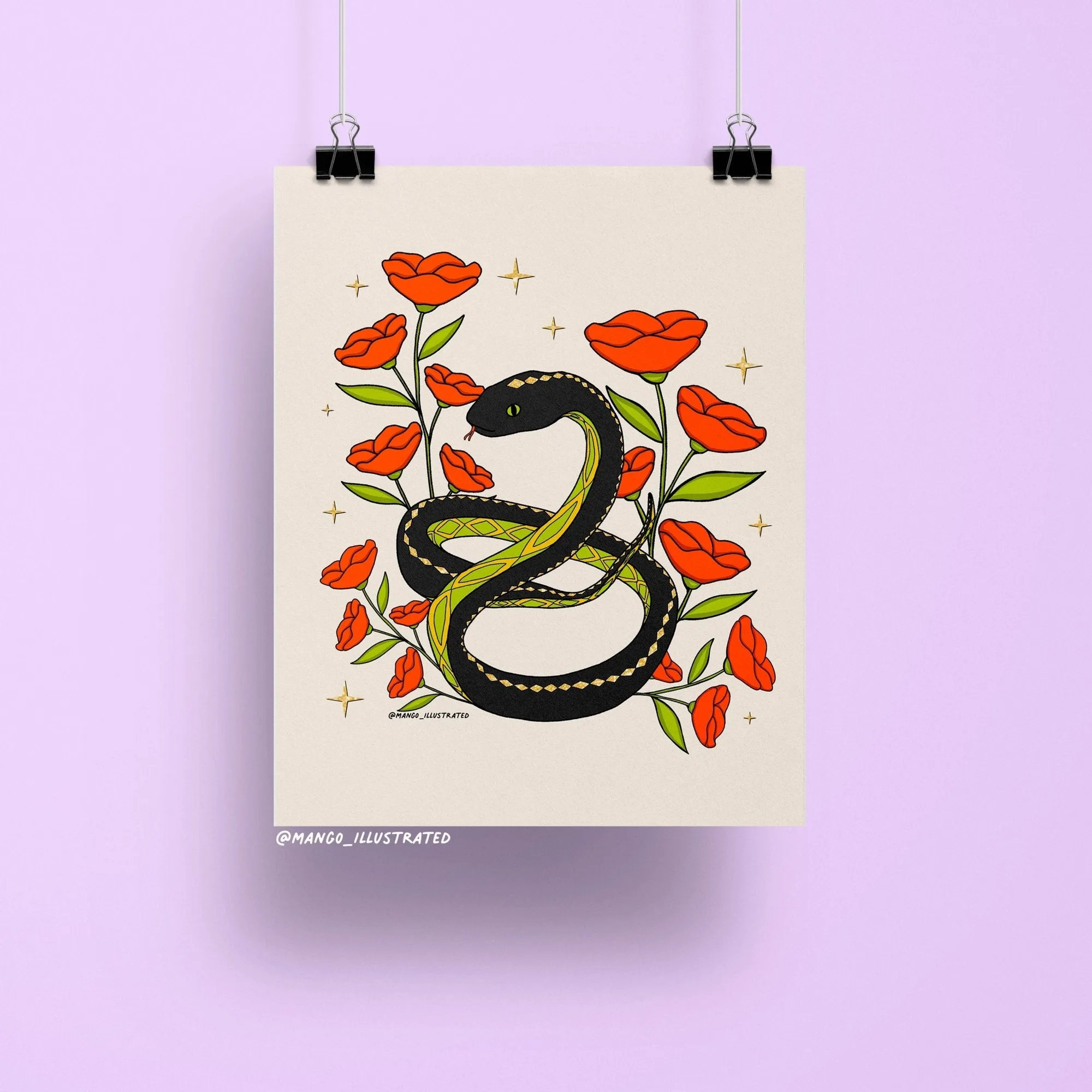
- Snake and Poppies art print: 8 x 10 in, matte museum-quality art paper, unframed, and ships flat in protective packaging. Flat shipping protects the corners and edges, so the print arrives ready to frame without the creases that rolled tubes can leave behind.
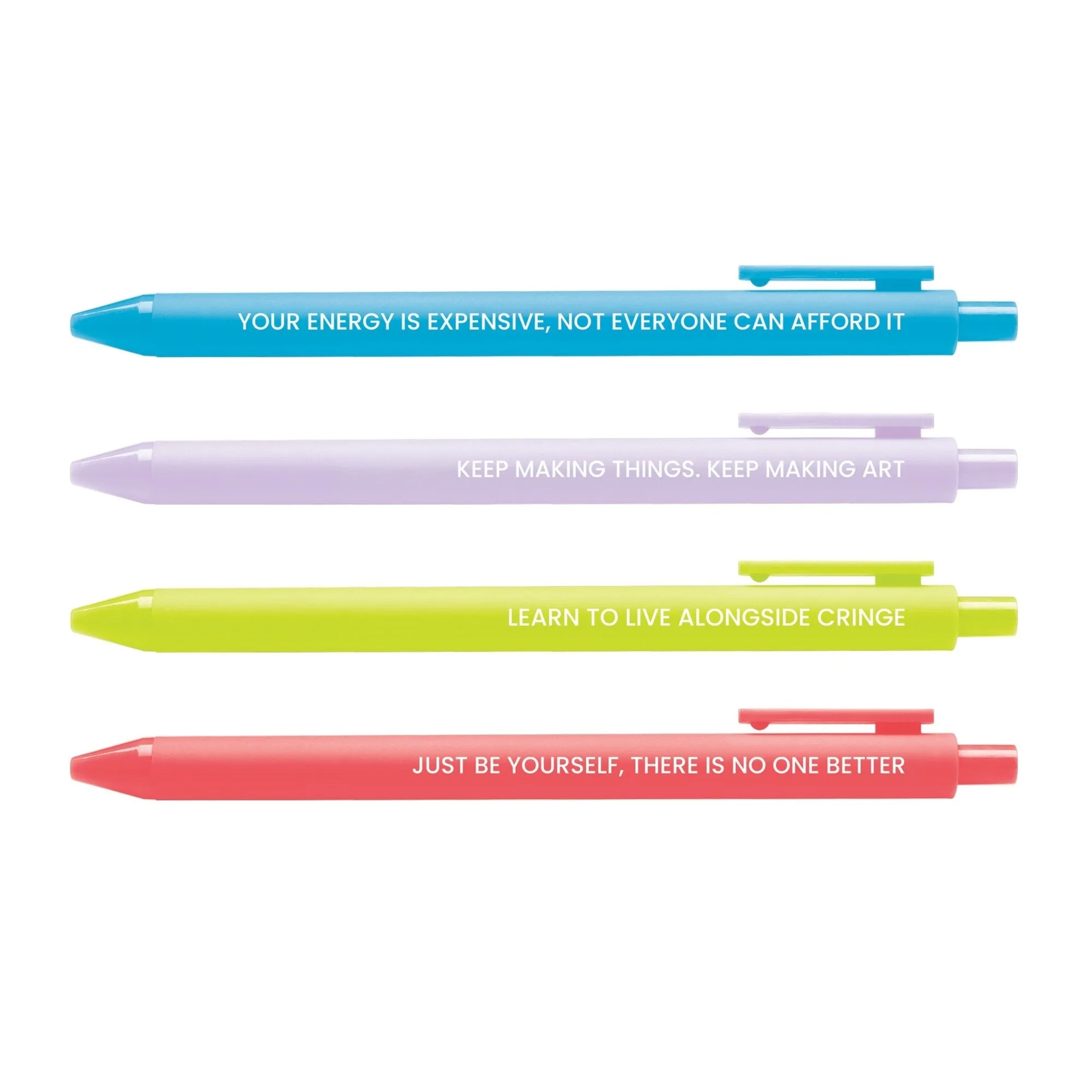
- Swift Affirmations pen set: Four 0.5mm fine-point jotter gel pens with printed affirmation lines, including a bright blue barrel and a lilac barrel. If you're building a small desk setup around a print, a pen set is a low-cost add-on that keeps the purchase practical rather than purely decorative.
- Everything's Fine Dumpster Fire Sticky Notes: 50 adhesive-backed sheets measuring 3 x 3 in, designed in Charlotte and printed in the USA. Small adhesive notes are useful for tagging frames and wall layouts while you decide placement, and they double as everyday desk supplies.
Who this buying approach fits
Best for
- First-time art print buyers who want a simple checklist before spending
- Anyone decorating a specific wall and tired of guessing at sizes
- Shoppers who want affordable prints in standard sizes they can frame themselves
Not for
- Collectors seeking limited-edition or hand-signed originals
- Buyers who want a print to arrive already framed and ready to hang
- Anyone shopping for large-format statement pieces that need custom framing
Buying art prints well is mostly about doing the boring parts first: measure, check the paper, plan the frame, and buy for the room you actually have. Do that and the print you choose will still make sense long after the trend cycle moves on.