Quick Answer
Most stop smoking patch failures come down to a few avoidable errors: applying to the wrong spot, using the wrong strength, or cutting corners on routine. To get the most from your patches, choose the right nicotine level, apply to clean dry skin, rotate sites, and keep a consistent schedule. If you experience severe skin reactions or persistent cravings despite correct use, talk to a healthcare professional.
Stop smoking patches are a popular tool to help reduce cravings, but they only work if you use them correctly. Many people make simple mistakes that reduce effectiveness or cause discomfort, leading to frustration and relapse. In this guide, we'll walk through the most common patch errors and how to avoid them, so you can stay on track toward a smoke-free life.
Whether you're new to patches or have tried them before, understanding these pitfalls can make a real difference. From placement to timing, small adjustments can improve your experience and results. Let's dive into the details.
Mistake 1: Applying the Patch to the Wrong Spot
Where you place your patch matters more than you might think. Many people stick it on the same spot every day, which can cause skin irritation. Others apply it to hairy or oily areas, which prevents the patch from sticking properly and reduces absorption. For best results, choose a clean, dry, hairless area like the upper arm, chest, or hip. Rotate the site each day to give your skin a break and maintain effectiveness.
If you notice redness or itching, it could be a reaction to the adhesive or the nicotine itself. Moving the patch to a different area often helps. If irritation persists, consider a transparent patch option that may be gentler on sensitive skin.
- Rotate application sites daily to avoid irritation.
- Avoid areas with cuts, rashes, or lotion residue.
Mistake 2: Choosing the Wrong Strength
One of the biggest errors is picking the wrong nicotine strength. If you choose a dose that's too low, you'll still experience cravings and withdrawal. Too high, and you might feel nauseous or dizzy. The right strength depends on your smoking habits—how many cigarettes you smoke per day and how soon after waking you light up. Many brands offer multiple strengths, like 7 mg, 14 mg, and 21 mg, so you can tailor the dose to your needs.
If you're unsure, start with a mid-range strength and adjust after a few days. Pay attention to how your body responds. If you're still craving, you may need a higher dose; if you feel side effects, step down. It's a balancing act that requires patience.
- Assess your smoking frequency to estimate starting strength.
- Monitor your cravings and adjust strength after a few days.
Mistake 3: Not Following a Consistent Schedule
Patches work by delivering a steady dose of nicotine over time. Skipping days or applying them at irregular times can disrupt that steady release, making cravings harder to manage. Some people take breaks on weekends or forget to change the patch daily, which leads to inconsistent nicotine levels and increased withdrawal symptoms.
Set a daily reminder to apply a fresh patch at the same time each morning. Consistency helps your body adjust and reduces the urge to smoke. If you miss a dose, don't double up—just resume your normal schedule the next day.
- Use a phone alarm to remind you to change the patch.
- Keep a spare patch in your bag for emergencies.
Mistake 4: Ignoring Skin Reactions
Skin irritation is a common side effect, but many people ignore it or stop using patches altogether. Mild redness is normal, but if you experience severe itching, swelling, or a rash, it's a sign to stop and consult a professional. Some patches are designed to be more transparent and may be less irritating for sensitive skin.
If you have sensitive skin, look for patches labeled 'transparent' or those with a gentler adhesive. Always clean the area before application and avoid applying to the same spot twice in a row.
- Test a small area first if you have sensitive skin.
- Use a transparent patch if irritation occurs.
Diagnosis: Is Your Patch Routine Working?
- Symptom: You still have strong cravings or withdrawal symptoms even with the patch. Your nicotine dose may be too low. Consider increasing the strength after consulting a professional.
- Likely Cause: You might be applying the patch to the wrong area or not rotating sites, leading to poor absorption or irritation. Check your application technique and switch to a clean, dry spot daily.
- Corrective Action: Reassess your patch strength, schedule, and placement. If skin irritation occurs, try a transparent patch or rotate sites more frequently. Make one change at a time and monitor your response for a few days.
- When to Stop or Choose Another Option: If you experience severe skin reactions, dizziness, or chest pain, stop using the patch immediately. If cravings persist despite correct use, talk to a healthcare provider about other cessation aids. Your health comes first. Seek professional guidance if you're unsure.
Products That Can Help
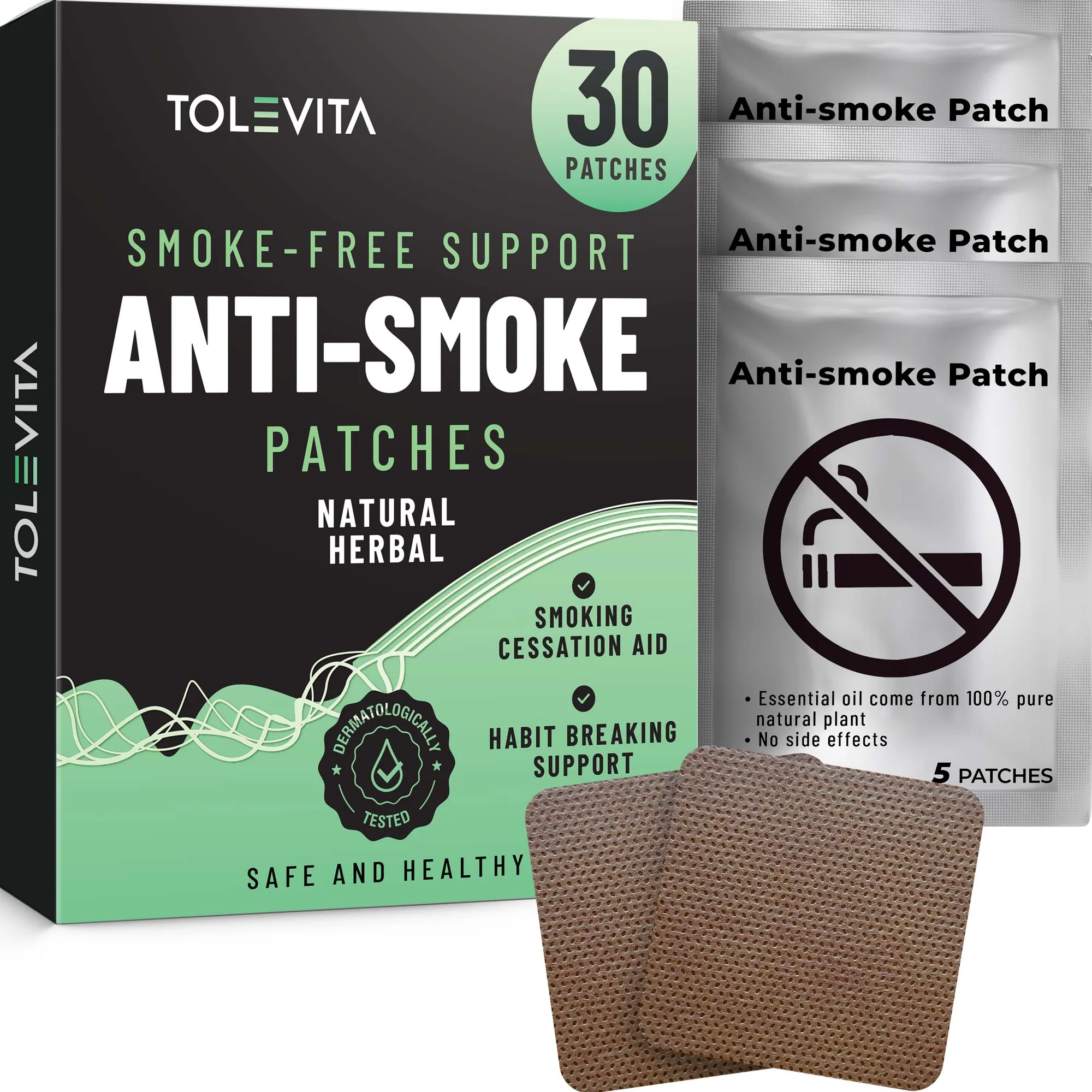
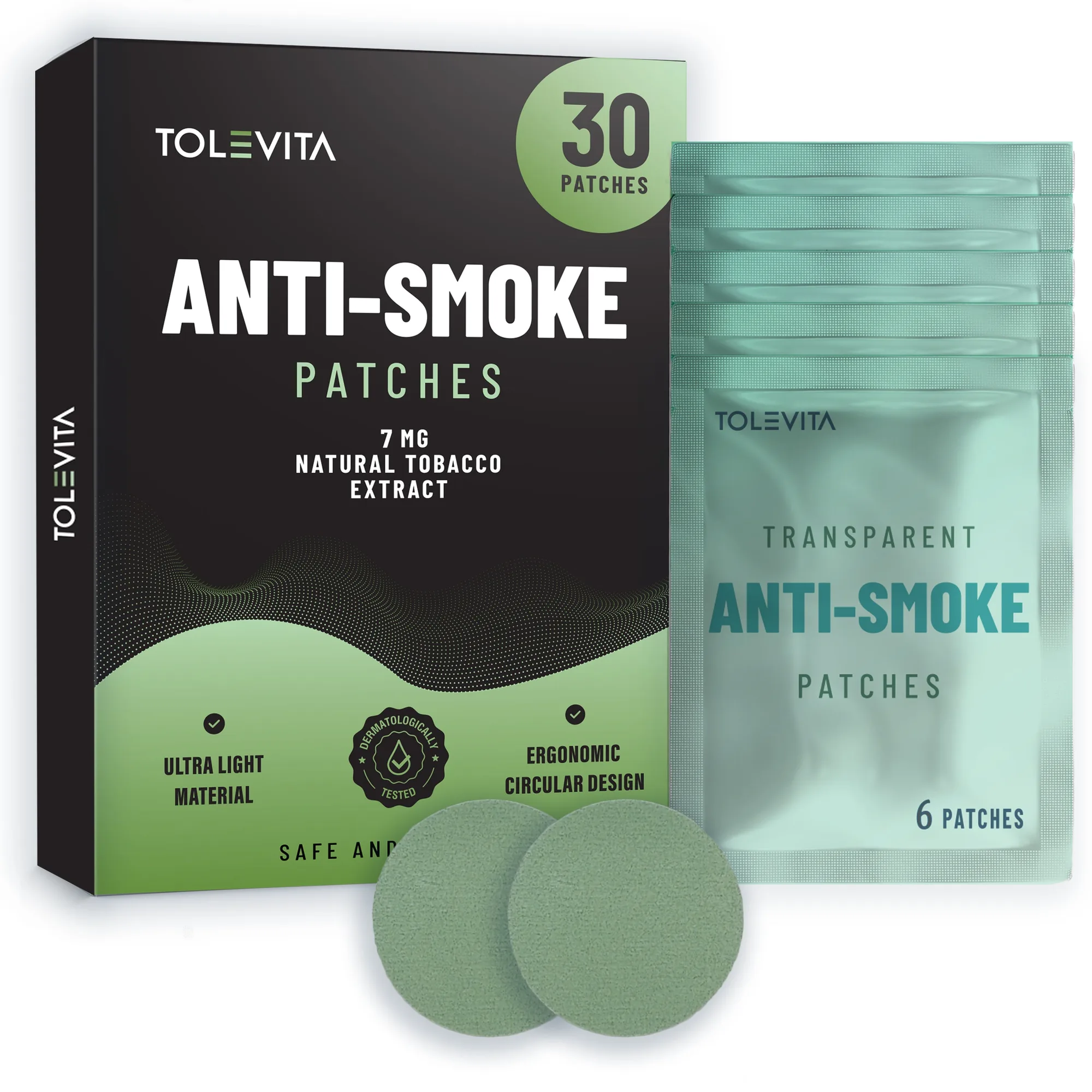
- Anti-Smoke Herbal Patches to Help Reduce Cravings, Herbal Stop Smoking Aid for a Healthier Lifestyle, 30 patches: Available in 7 mg, 14 mg, and 21 mg options, each patch delivers a steady, controlled release of natural tobacco extract to help reduce cravings. Having multiple strengths lets you tailor your dose to your smoking habits, reducing the risk of using the wrong strength.
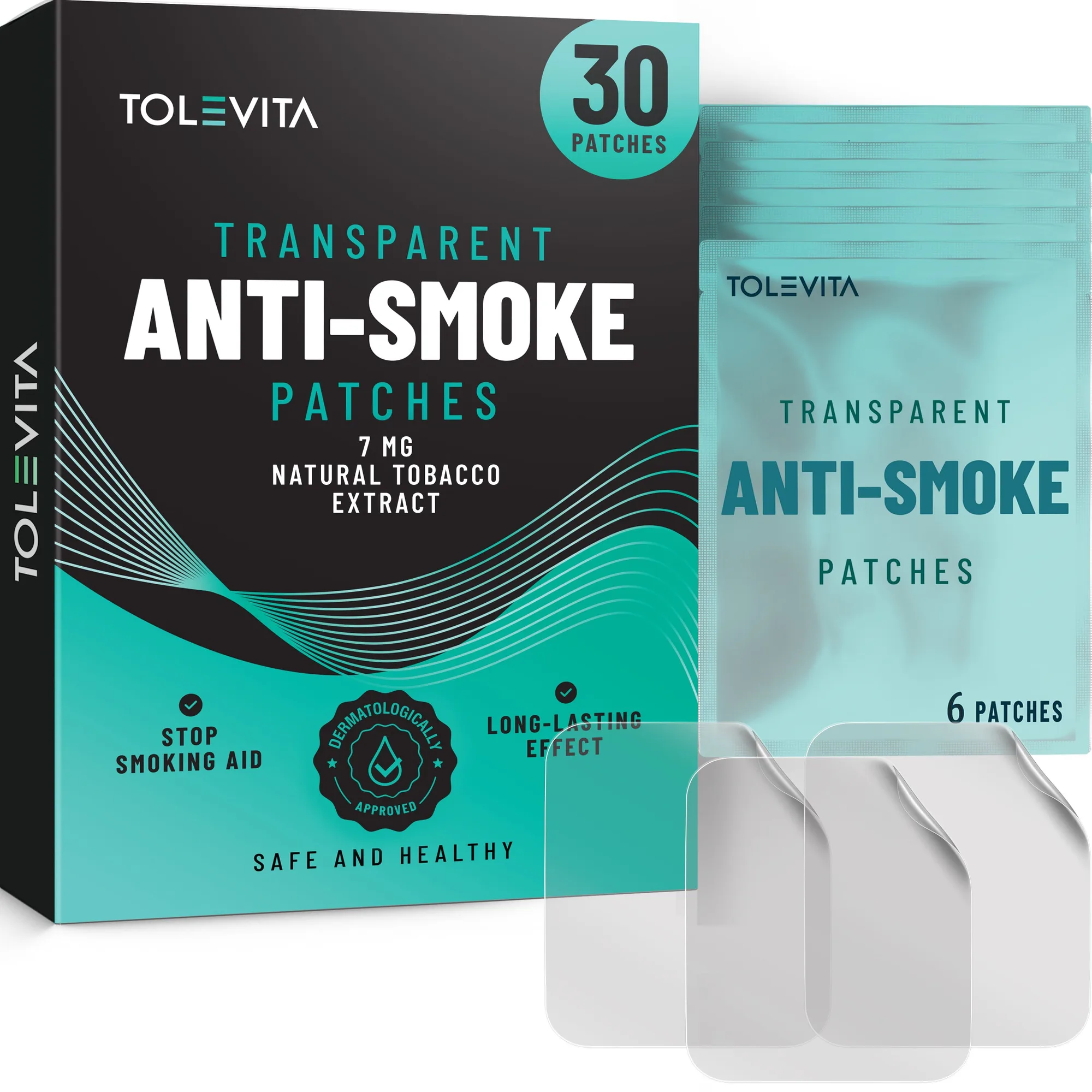
- Anti-Smoke Herbal Patches Transparent, Quit Smoking Aid to Reduce Cravings, 30 Patches: Formulated with a blend of herbal ingredients, these patches provide a controlled, steady release of natural tobacco extract. The transparent design may be more comfortable for sensitive skin, helping you avoid irritation that can derail your quit attempt.
Avoiding these common mistakes can make your stop smoking patch experience more effective and comfortable. Remember to choose the right strength, apply correctly, and stay consistent. If you have concerns, don't hesitate to consult a healthcare professional. You have the tools to succeed—use them wisely.