Quick Answer
Many common beliefs about board game collecting are myths: games rarely appreciate in value, hoarding doesn't equal collecting, and community pressure to own everything is overblown. Focus on playing and enjoying your games, and buy only what you'll actually use.
Board game collecting is a fun hobby, but it comes with a lot of folklore. You might have heard that your sealed copy of a Stonemaier game will fund your retirement, or that having a wall of unplayed games makes you a true collector. In this article, we'll debunk the most persistent board game collecting myths using practical reality—and a few Stonemaier examples.
We'll separate fact from fiction so you can collect with confidence. Whether you're eyeing a new release or wondering if you should grab a promo pack, these insights will help you make smarter choices.
Myth 1: Board Games Are Great Investments
It's easy to see a game like Stonemaier's 'Origin Story' listed at $15 (down from a $30 comparison price) and think, 'I'll buy two and sell one later for profit.' But the reality is that most board games depreciate the moment you open them, and even sealed copies rarely appreciate. The board game market isn't the stock market; it's a hobby market driven by supply, demand, and print runs.
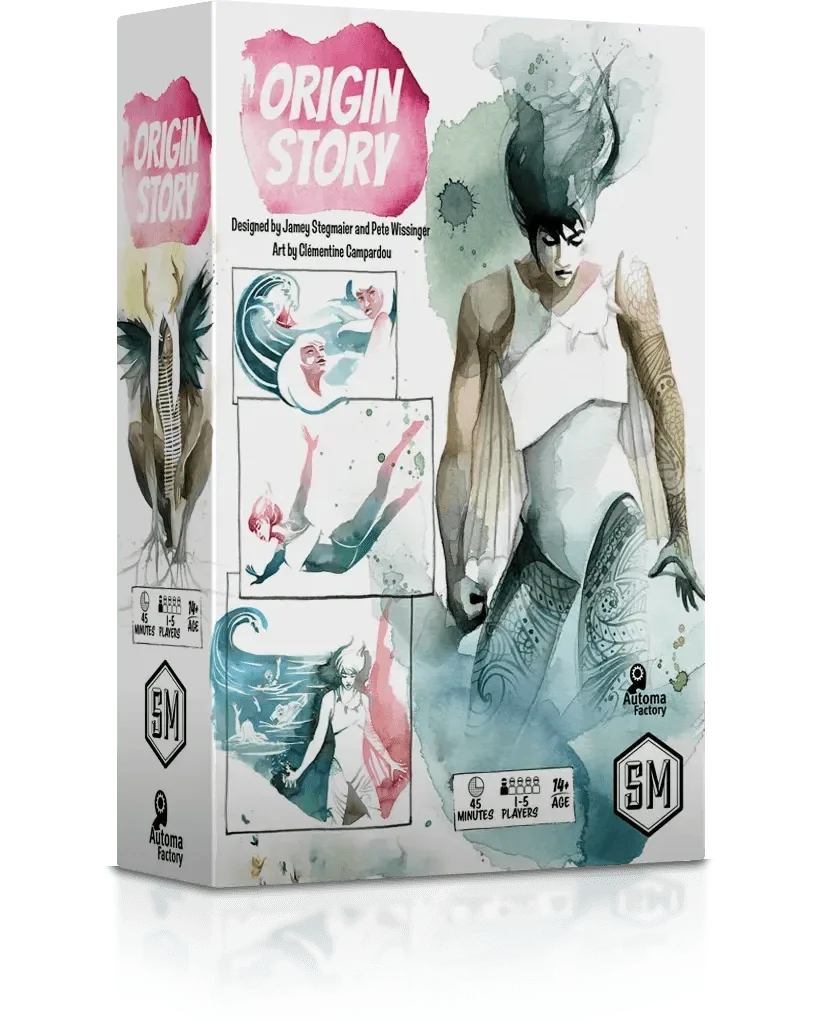
Origin Story
While some rare games do increase in value, they're the exception, not the rule. For every rare gem, there are hundreds of games that sell for a fraction of their retail price on the secondary market. If you're collecting for fun, that's great—but don't expect your collection to be a retirement plan.
- Buy games because you want to play them, not because you expect a return.
Myth 2: The Resale Value of Board Games Is High
A related myth is that board games hold their resale value well. In reality, most games lose value quickly. For example, a game like 'https://stonemaiergamesem.com/products/rolling-realms-redux-7a39938557e815446bd15a12-898325Rolling Realms Redux' sells for $15 (catalog price $30), but if you try to sell a used copy, you'll likely get much less. Even new, sealed games often sell below retail because there's a large supply of similar products.
Some limited editions or Kickstarter exclusives can fetch a premium, but that's not typical. If you're buying a game with the intention of selling it later, you're likely to be disappointed. Treat game purchases as entertainment expenses, not investments.
- Check the secondary market before buying a game you plan to resell—you'll often find it cheaper.
Myth 3: Hoarding Games Makes You a Collector
There's a difference between collecting and hoarding. A collector curates a selection of games they love and play, while a hoarder accumulates games they never open. If you have shelves of unplayed games, you might be hoarding, not collecting. The joy of board games comes from playing them, not just owning them.
Stonemaier Games designs games that are meant to be played, like 'Origin Story' with its tableau-building and trick-taking mechanics. If you buy a game and never play it, you're missing out on the experience. Try to play every game you own at least once; if you don't enjoy it, consider trading or selling it to someone who will.
- Set a rule: no new game enters the house until you've played the last one you bought.
Myth 4: You Need to Own Every Expansion and Promo
With Stonemaier's frequent expansions and promos, like the 'Rolling Realms Promo: Gugong' for $2.50, it's tempting to collect them all. But you don't need every promo to enjoy a game. Promos often add small variations, not essential content. For example, the Gugong promo adds 6 cards that require the core game—fun, but not necessary for a great experience.
Focus on expansions that genuinely add to the game you love, and skip promos that don't interest you. Your wallet and shelf space will thank you.
- Ask yourself: 'Will this promo change how I play?' If not, skip it.
Myth 5: The Board Game Community Expects You to Own Everything
There's a feeling that to be part of the board game community, you need to own the latest releases, expansions, and accessories. But the community is actually more about playing and sharing experiences. Many gamers are happy to play someone else's copy. You don't need to own every game to be a valued member.
Stonemaier's own community is built around playing and discussing games, not just owning them. So relax and enjoy the games you have. Your collection doesn't define your worth as a gamer.
- Join a local game group and share games—you'll play more and buy less.
Verdicts on Common Myths
- Board games as investments: Most games depreciate; only rare items might appreciate. Buy for fun, not profit.
- Resale value: Used games typically sell below retail. Don't count on resale.
- Hoarding vs. collecting: Collecting implies playing and curating. Play what you own.
- Owning every expansion/promo: Promos and expansions aren't essential to enjoy a game. Choose content that adds value.
- Community pressure: The community values playing and sharing, not owning everything. Enjoy games with others.
Product Facts
- Origin Story: Origin Story is a 1-5 player competitive tableau-building, trick-taking game played over 5 rounds, priced at $15 (comparison price $30). This is a game you'll actually play multiple times, making it a good value for your collection—not a speculative investment.
- Rolling Realms Redux: Rolling Realms Redux is a roll-and-write game with 12 all-new realms, priced at $15 (comparison price $30). A low-cost, high-play game like this is a great addition to any collection because it gets to the table often, unlike rare collectibles that sit on a shelf.
Board game collecting is about joy, not just ownership. By debunking these myths, you can build a collection that you actually play and love. Remember to focus on the games that bring you and your group happiness, and don't fall for the pressure to own every release. Happy gaming!