Quick Answer
Many common beliefs about solar lights are outdated or based on early models. Modern solar lights, like those from Brightech, are designed to perform reliably even in cloudy conditions and winter months, thanks to hybrid power options and efficient LEDs. Before you buy, focus on the specific features that address your concerns, not the myths.
Solar lights have become a popular choice for outdoor lighting, but with popularity comes a host of myths that can mislead potential buyers. From 'they don't work in winter' to 'they're never bright enough,' these misconceptions often stem from experiences with low-quality products or outdated technology. In this article, we'll debunk the most common solar light myths and give you the facts you need to make an informed purchase.
Understanding what solar lights can and cannot do is key to choosing the right ones for your space. By separating fact from fiction, you'll be able to select lights that meet your expectations and perform well year-round. Let's shine a light on the truth.
Myth 1: Solar Lights Are Never Bright Enough
One of the most persistent solar light misconceptions is that they produce only a dim, weak glow. While early solar lights did struggle to match the output of plug-in options, modern designs use efficient LED bulbs and improved battery technology to deliver impressive brightness. For example, many contemporary solar string lights are designed to illuminate patios and gardens effectively, creating a warm and inviting atmosphere.
The key is to look for solar lights that specify their brightness in lumens and to choose models suited to your intended use. For ambient lighting, even a softer glow can be perfect. If you need more illumination, consider hybrid options that can switch to plug-in power when necessary, ensuring consistent brightness regardless of solar conditions.
- Check the lumen rating to gauge brightness.
- Consider the intended use: ambient vs. task lighting.
- Hybrid solar lights offer a reliable brightness boost when needed.
Myth 2: Solar Lights Have a Short Lifespan
Another common solar light myth is that they burn out quickly, requiring frequent replacement. In reality, the lifespan of solar lights depends largely on the quality of their components, particularly the batteries and LEDs. High-quality solar lights are built to last for years, with LED bulbs that can operate for tens of thousands of hours.
To maximize longevity, proper maintenance is essential. Cleaning the solar panels regularly, ensuring they receive adequate sunlight, and replacing rechargeable batteries when their capacity diminishes can all extend the life of your lights. Investing in well-made products from reputable brands ensures you get the most value over time.
- Regularly clean solar panels to maintain efficiency.
- Replace rechargeable batteries when they no longer hold a charge.
- Choose lights with quality LEDs and durable construction.
Myth 3: Solar Lights Don't Work on Cloudy Days
Many people believe that solar lights only work when there's direct sunlight, but this is a myth. Solar panels can still generate electricity from diffuse sunlight on cloudy days, albeit at a reduced rate. Most solar lights are designed to operate with the charge they accumulate, so they may not shine as long or as brightly after overcast days, but they will still function.
For areas with frequent cloudy weather, hybrid solar lights are an excellent solution. These lights can operate on solar power but also come with a plug-in adapter, allowing you to switch to electrical power during extended periods of low sunlight. This ensures your outdoor space stays lit regardless of the weather.
- Solar panels work with diffuse light, not just direct sun.
- Expect reduced runtime after cloudy days.
- Consider hybrid solar lights for consistent performance.
Myth 4: Solar Lights Are Useless in Winter
Winter often brings shorter days and less sunlight, leading to the misconception that solar lights are ineffective during the colder months. While it's true that solar charging may be less efficient in winter, many solar lights are designed to handle these conditions. Some models are even engineered to work in freezing temperatures, using efficient LEDs that produce light without being affected by the cold.
However, snow and ice can cover solar panels, blocking sunlight. Regular maintenance, such as clearing snow off the panels, can help maintain performance. For those who live in areas with harsh winters, hybrid solar lights are a practical choice, as they can be plugged in during the darkest months, ensuring your lights stay on.
- Clear snow and ice from solar panels to maintain charging.
- Look for lights rated for cold weather operation.
- Hybrid lights offer a backup power source for winter.
Myth vs. Fact: Quick Verdicts
- Myth: Solar lights are never bright enough.: Modern solar lights use efficient LEDs and can be quite bright. Look for lumen ratings and consider hybrid models for extra brightness. Verdict: False for quality models.
- Myth: Solar lights have a short lifespan.: With proper care and quality components, solar lights can last for years. Regular cleaning and battery replacement extend their life. Verdict: False with proper maintenance.
- Myth: Solar lights don't work on cloudy days.: Solar panels still generate power from diffuse light, so lights will work but with reduced runtime. Hybrid lights can switch to plug-in power. Verdict: Partially true, but manageable.
- Myth: Solar lights are useless in winter.: Many solar lights are designed for cold weather, but snow can block panels. Regular clearing and hybrid options ensure year-round use. Verdict: False with proper care.
Product Facts from Our Catalog
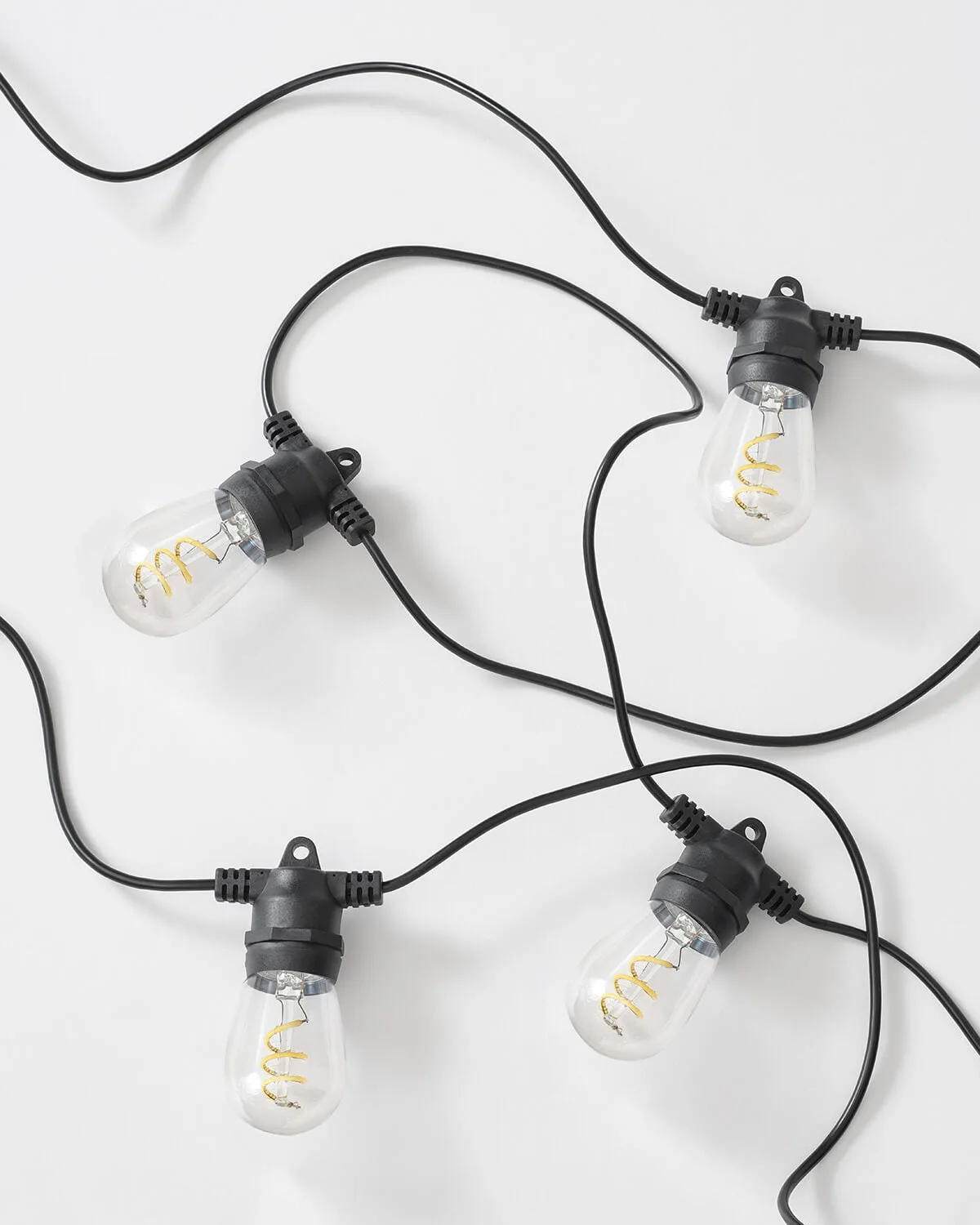
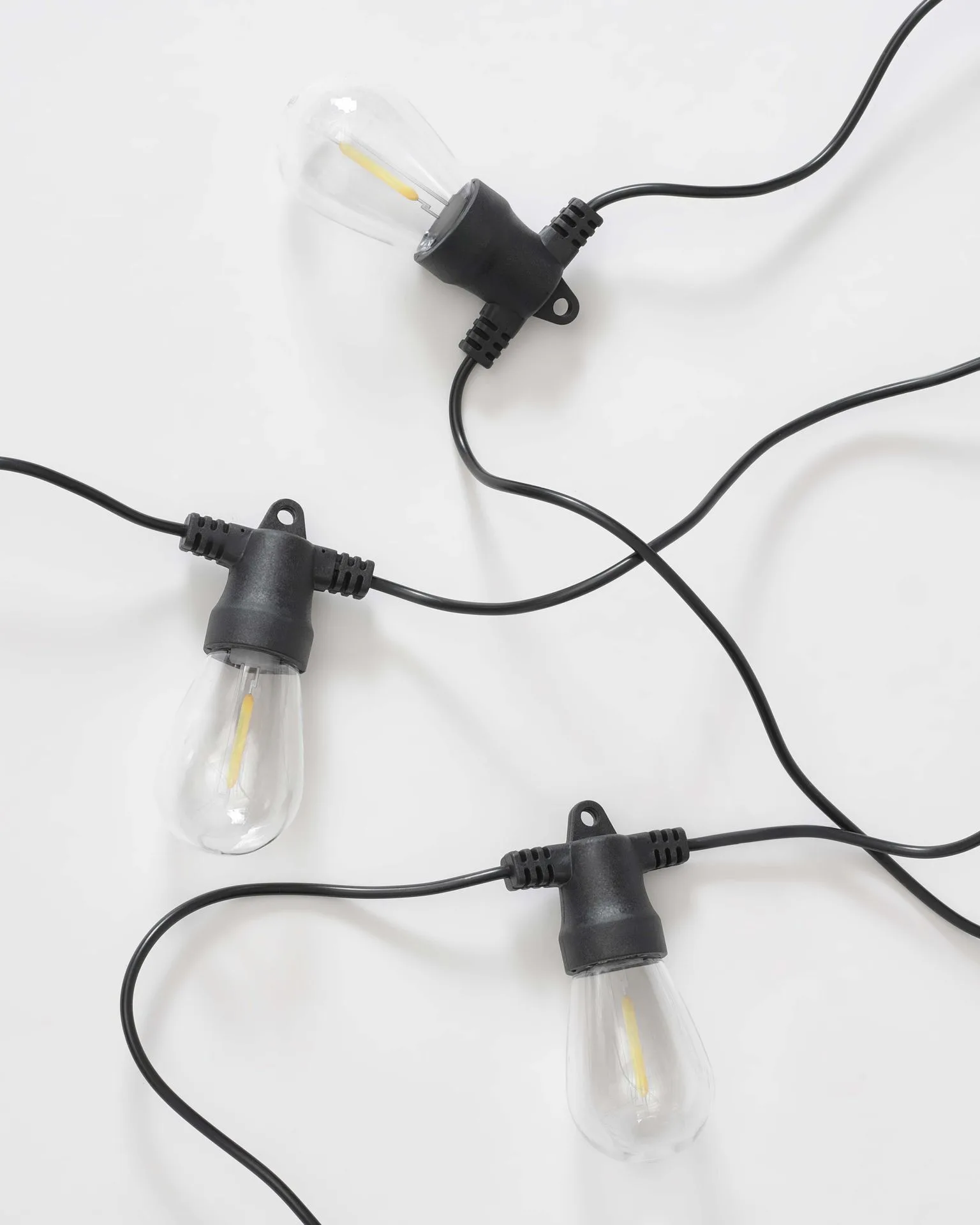
- RGB Hybrid Plug-in & Solar String Lights: These hybrid string lights work as fully solar-powered lights or switch to the included plug adapter during cloudy stretches and winter months, so your space stays glowing year round. This feature directly addresses the myths about cloudy days and winter performance, giving you reliable lighting all year.
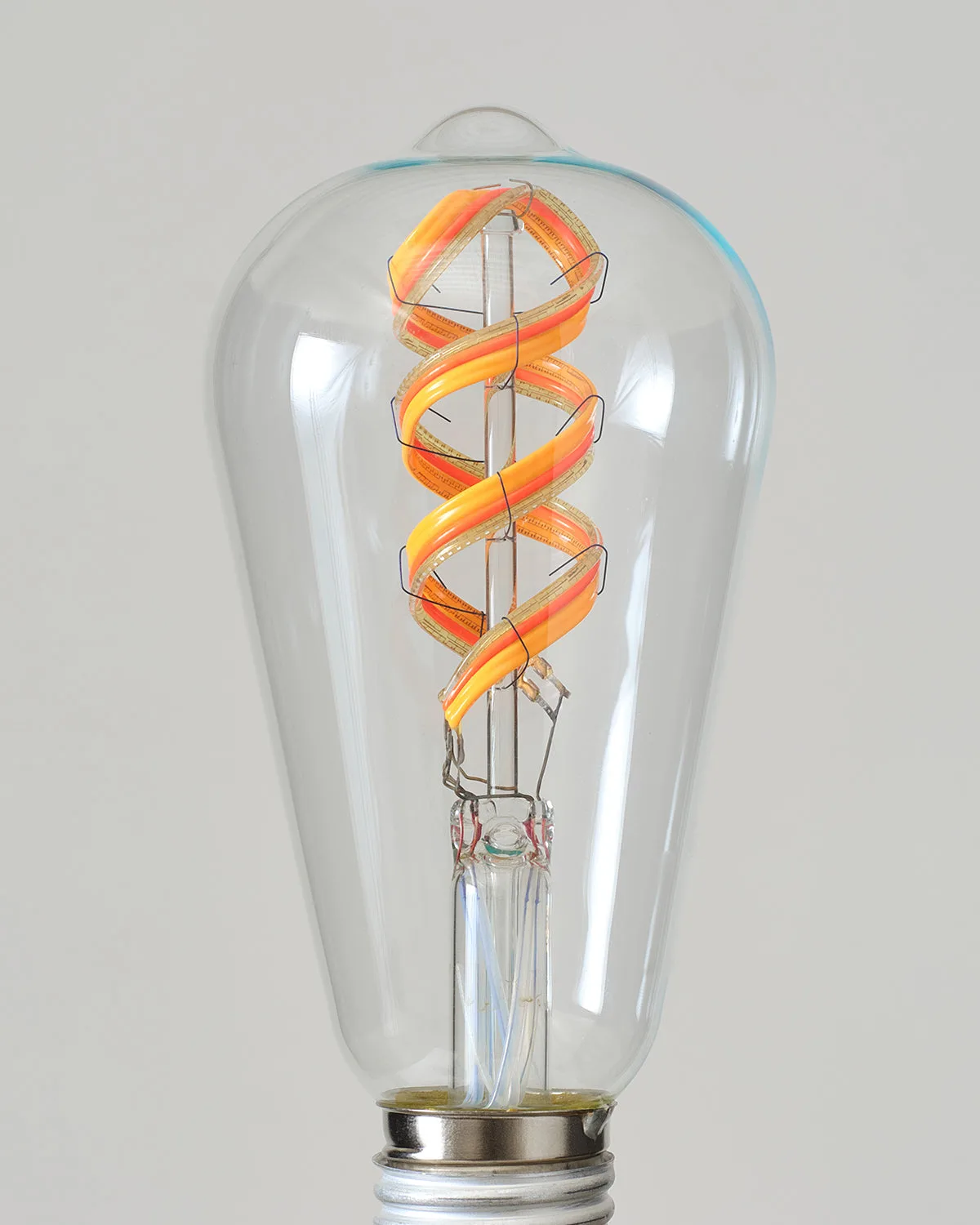
- Smart Bulb Vintage Style: This dimmable bulb — which adds a touch of futuristic modernity to any space with its visible yellow filament — is as versatile as it is chic. Because it works in most lamps and fixtures, you can enliven your next house party. If you're concerned about brightness, this smart bulb offers color-changing and dimming capabilities, allowing you to customize the ambiance to your liking.
Don't let common solar light myths hold you back from enjoying the benefits of solar-powered lighting. By choosing high-quality products with the right features, you can overcome these misconceptions and light your outdoor space beautifully. Explore our selection of solar and hybrid lights to find the perfect fit for your needs.