Quick answer
Protein bars are not inherently healthy or unhealthy—they are a convenient protein source, and their impact depends on the bar's nutrition and your overall diet. They can support muscle building when they help you hit daily protein targets, but they won't build muscle on their own. Check the label for protein, sugar, and calories to decide if a bar fits your needs.
Myth: Protein bars are just candy bars in disguise
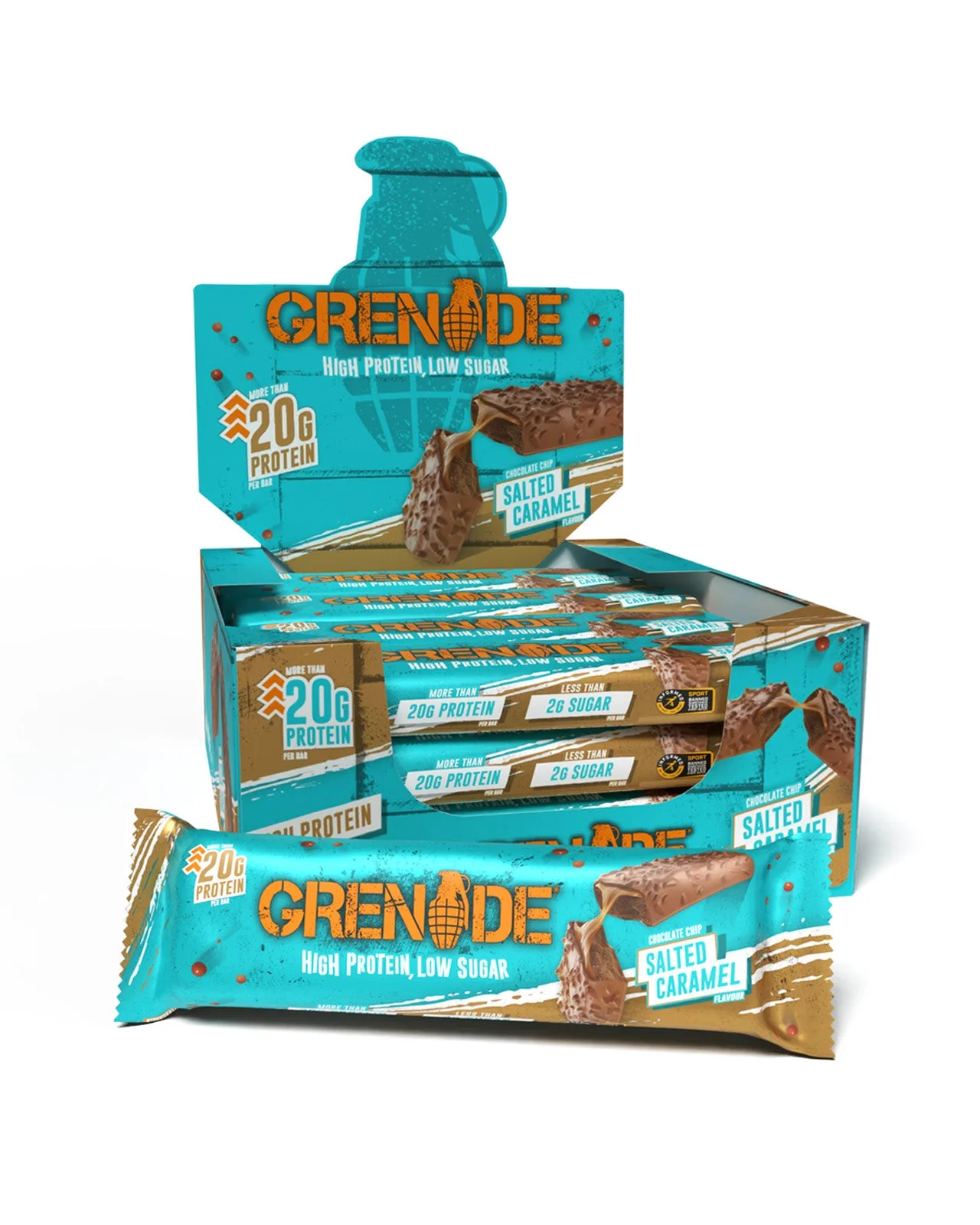
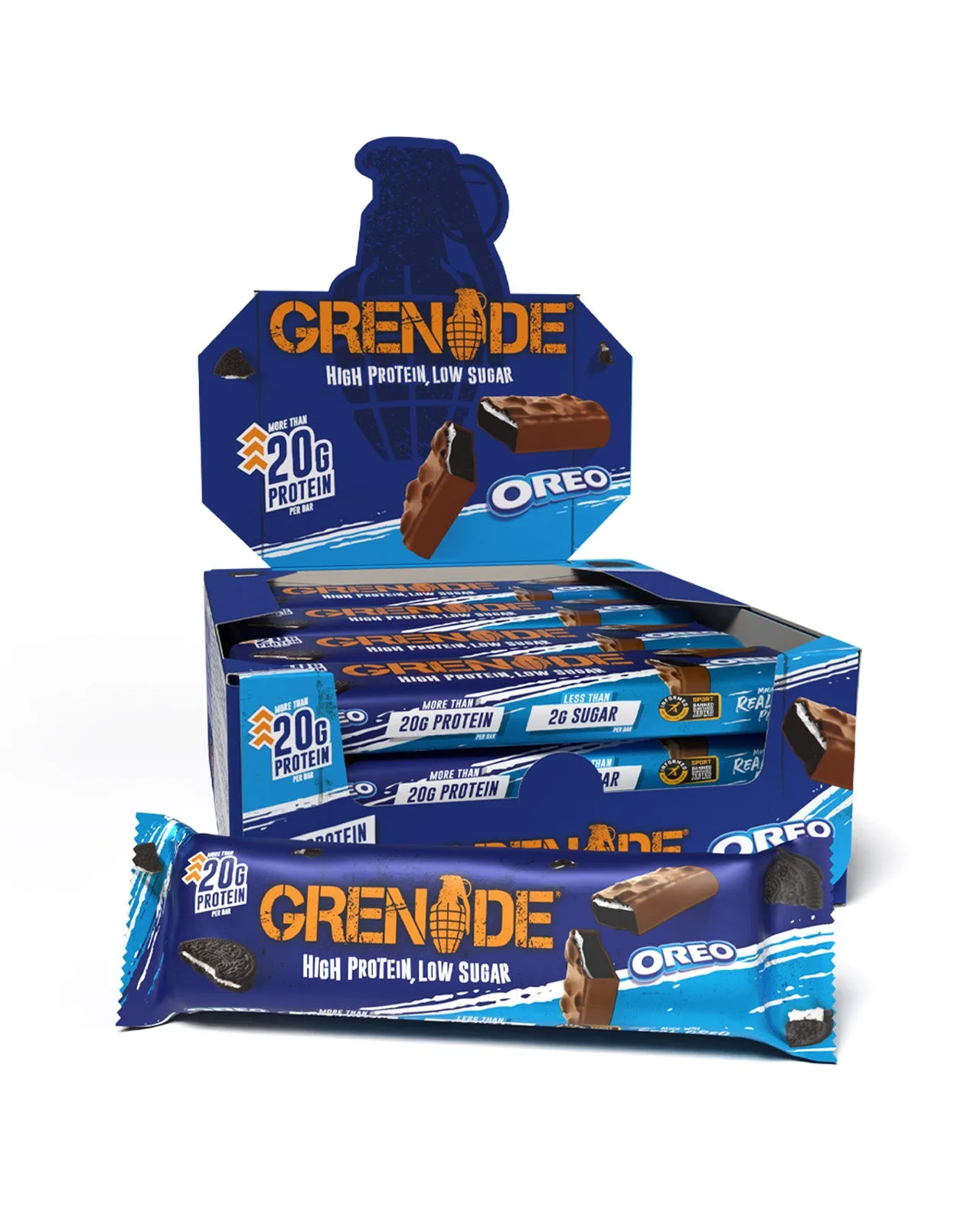
Many protein bars do contain chocolate and sweeteners, but the comparison to candy misses the point: the protein content and overall nutrition are what matter. For example, Grenade's OREO Protein Bar packs 21g of protein with real OREO pieces, while a typical candy bar offers almost no protein. That protein can help you feel full and support muscle repair, which a candy bar cannot. However, some protein bars are higher in sugar and calories than others. Always read the label: a bar with 20g protein and 1.4g sugar (like the Chocolate Chip Salted Caramel Protein Bar) is a very different product from one with 20g protein and 20g sugar. The category is broad, so judge each bar on its numbers, not on the word 'protein' alone.
Myth: All protein bars are loaded with sugar
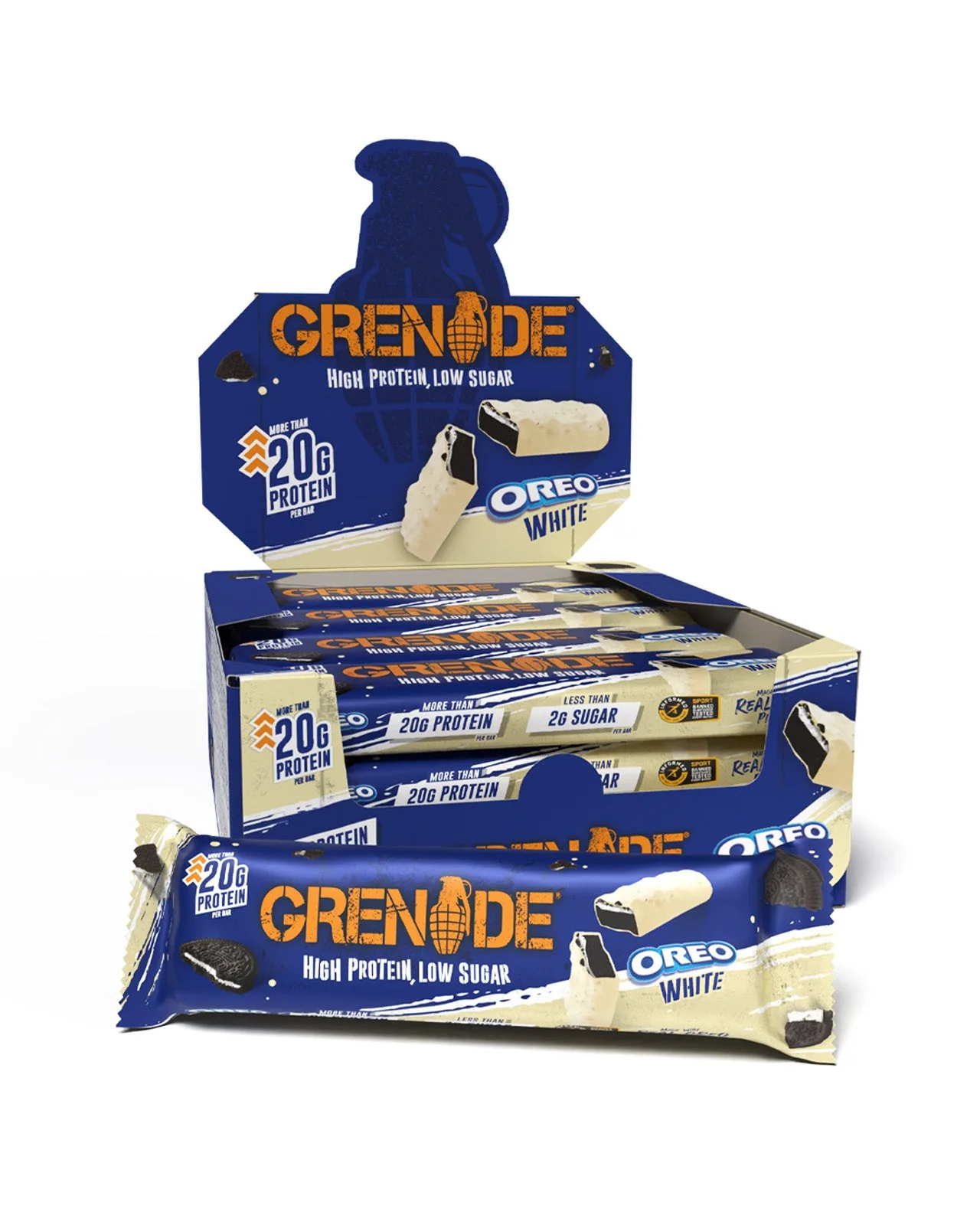
Sugar content varies widely. Some bars use sugar alcohols or fiber to keep sugar low, while others rely on honey or syrups. The protein bars sugar myth assumes every bar is a sugar bomb, but that's not true. Take Grenade's OREO White Protein Bar: it has over 20g of protein and less than 2g of sugar. That's lower than many flavored yogurts. The key is to check the nutrition panel for total and added sugars. If a bar fits your daily sugar budget, it can be part of a healthy diet. If you're watching sugar closely, look for bars with fewer than 5g of sugar per serving.
Myth: Protein bars alone will build muscle
Muscle growth requires three things: enough total daily protein, resistance training, and adequate calories. A protein bar is simply a tool to help you meet your protein target. If you eat a bar but don't train or eat enough overall, you won't build muscle. Conversely, if you're already hitting your protein needs from whole foods, a bar is optional. Use bars when they make it easier to get 20–30g of protein per serving, especially after a workout or when you're on the go. For example, a bar with 20g of protein can be a convenient post-gym snack, but it's not a magic bullet.
Myth: Protein bars are bad for you
No food is inherently 'bad'—context matters. Protein bars can be a helpful source of protein, but they can also be highly processed and contain sugar alcohols that cause digestive discomfort in some people. If you have specific health conditions or dietary restrictions, consult a professional. For most people, a protein bar that fits your calorie and protein needs can be a convenient option. The myth that they're universally bad ignores the wide variation in ingredients and nutrition. Choose bars with simple ingredient lists and macros that align with your goals.
Verdicts on common protein bar myths
- Myth: Protein bars are just candy bars: Protein bars typically contain 20g+ protein, while candy bars have little to none. The protein and lower sugar in many bars make them a different snack category. Verdict: False. Judge by the label, not the flavor.
- Myth: All protein bars are high in sugar: Sugar content ranges from under 2g to over 20g per bar. Low-sugar options exist, so you can choose based on your needs. Verdict: False. Check the nutrition panel for total sugars.
- Myth: Protein bars alone build muscle: Muscle growth requires resistance training and overall protein intake. A bar is a convenient supplement, not a substitute for training or a balanced diet. Verdict: False. Use bars to support, not replace, your efforts.
Protein bars that challenge the myths
- OREO Protein Bar: Packed with 21g of Protein and real OREO biscuit pieces. Shows that a bar can deliver substantial protein while including recognizable cookie pieces, countering the idea that all protein bars are bland or low-protein.
- OREO White Protein Bar: Over 20g of Protein and less than 2g of sugar. Directly refutes the myth that all protein bars are high in sugar, demonstrating that low-sugar options exist.
- Chocolate Chip Salted Caramel Protein Bar: Packed with 20g protein and only 1.4g sugar. Provides another example of a low-sugar, high-protein bar, reinforcing that sugar content varies and can be managed.