Quick Fix: Use Props to Correct Alignment
Most yoga alignment mistakes stem from tight muscles, weak stabilizers, or lack of body awareness. Adding a block, mat with alignment lines, or backbender can instantly guide your body into safer positions. Focus on one or two corrections at a time rather than trying to fix everything at once.
Yoga alignment isn't about perfection—it's about safety and effectiveness. Even experienced practitioners drift into common misalignments that can strain joints or reduce the benefits of a pose. The good news is that a few well-chosen props can act as physical cues, helping you feel correct positioning without guessing.
This guide walks through five frequent alignment errors and explains exactly which prop can help, how to use it, and when to stop. Whether you're a beginner or a regular practitioner, these tips will make your practice more precise and comfortable.
1. Collapsing Wrists in Downward-Facing Dog
Symptom: Your wrists ache during or after Downward Dog, and your hands feel like they're sliding forward. Likely cause: Weight is dumping into the heel of the hand because the shoulders aren't bearing enough load, or the hamstrings are too tight to allow a straight spine.
Corrective action: Place a wooden yoga block under each hand, gripping the block's sides. This elevates the ground slightly, reduces wrist angle, and encourages you to press through the knuckles and fingers. If wrist pain persists, lower to your forearms or skip the pose until you're pain-free.
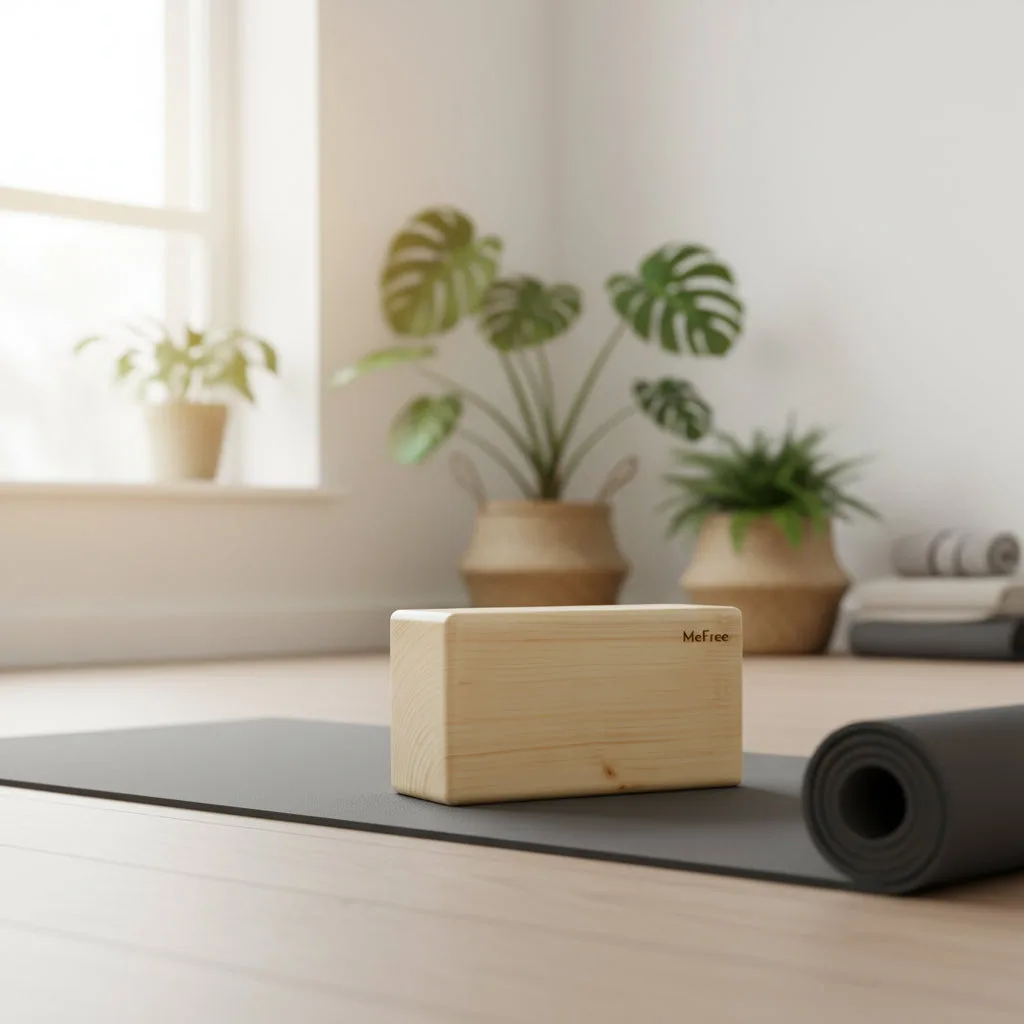
wooden yoga block
- Press the block firmly into the mat to activate your arm muscles.
2. Rounding the Lower Back in Forward Fold
Symptom: You can't touch your toes without your back curving like a turtle shell. Likely cause: Tight hamstrings or hip flexors pull the pelvis backward, forcing the spine to round forward instead of hinging from the hips.
Corrective action: Place a wooden yoga block under each hand at the highest height. This brings the floor closer so you can keep a flat back. Focus on bending your knees slightly—straight legs aren't required. When you can rest hands on the block with a straight spine, lower the block height gradually over weeks.
- Keep a micro-bend in the knees to protect the lower back.
3. Sinking Into the Front Knee in Warrior II
Symptom: Your front knee drifts past your ankle or wobbles inward. Likely cause: Weak quadriceps or hip external rotators can't hold the knee stable, or the foot is too narrow in the stance.
Corrective action: Place a wooden yoga block under your front foot's heel for a slight lift. This shifts weight back into the hip and reduces knee strain. Alternatively, place a block between your inner thighs and squeeze lightly to engage the adductors and stabilize the knee. If the knee still hurts, shorten your stance or skip the pose.
- Check that your front knee aligns over the second toe, not the big toe.
4. Overarching the Lower Back in Cobra Pose
Symptom: You feel pinching in your lower back after backbends, or you can't lift your chest without crunching the lumbar spine. Likely cause: Weak core and glutes allow the pelvis to tilt forward, compressing the lower back vertebrae.
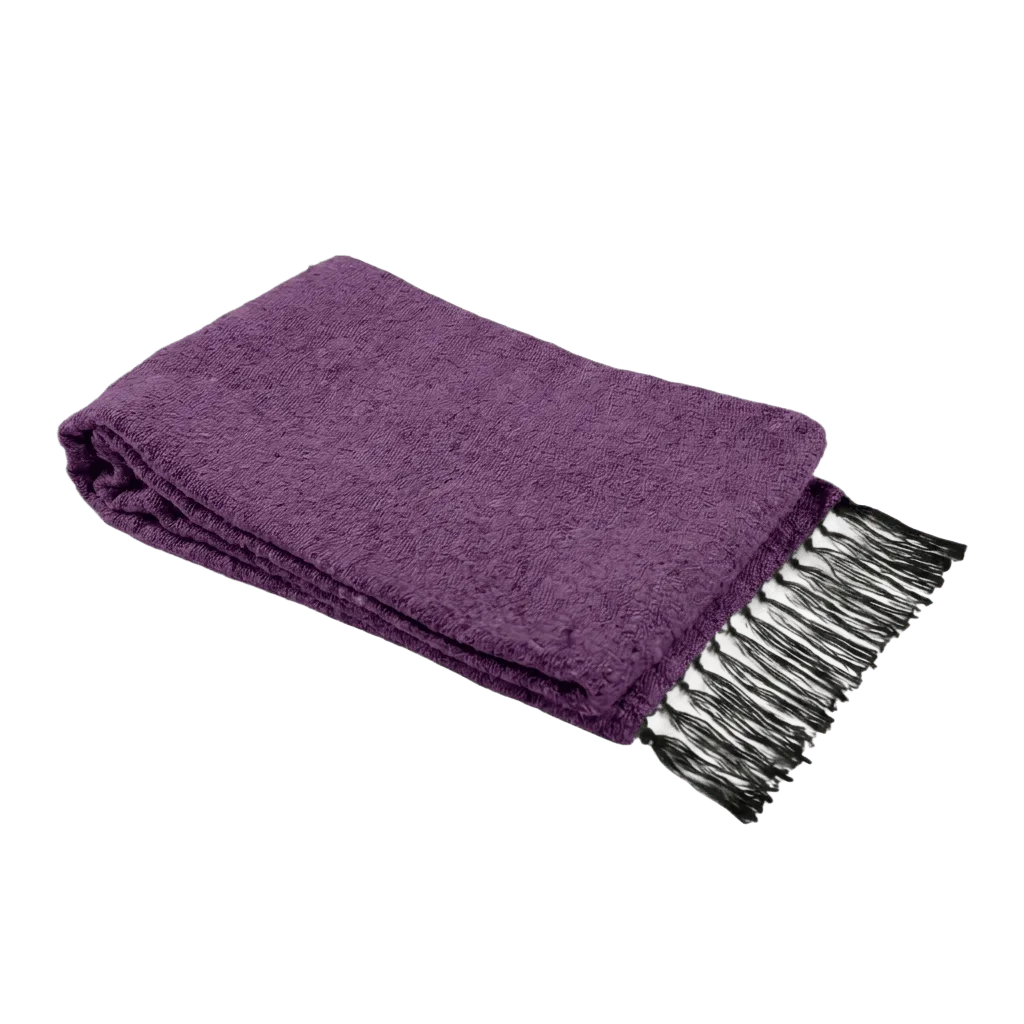
Corrective action: Use a tall backbender prop under your upper back (at the shoulder blade level) before entering the pose. This supports the thoracic spine and prevents the lower back from taking over. If you don't have a backbender, place a folded blanket under the hip bones to limit lumbar extension. Stop if you feel sharp pain.
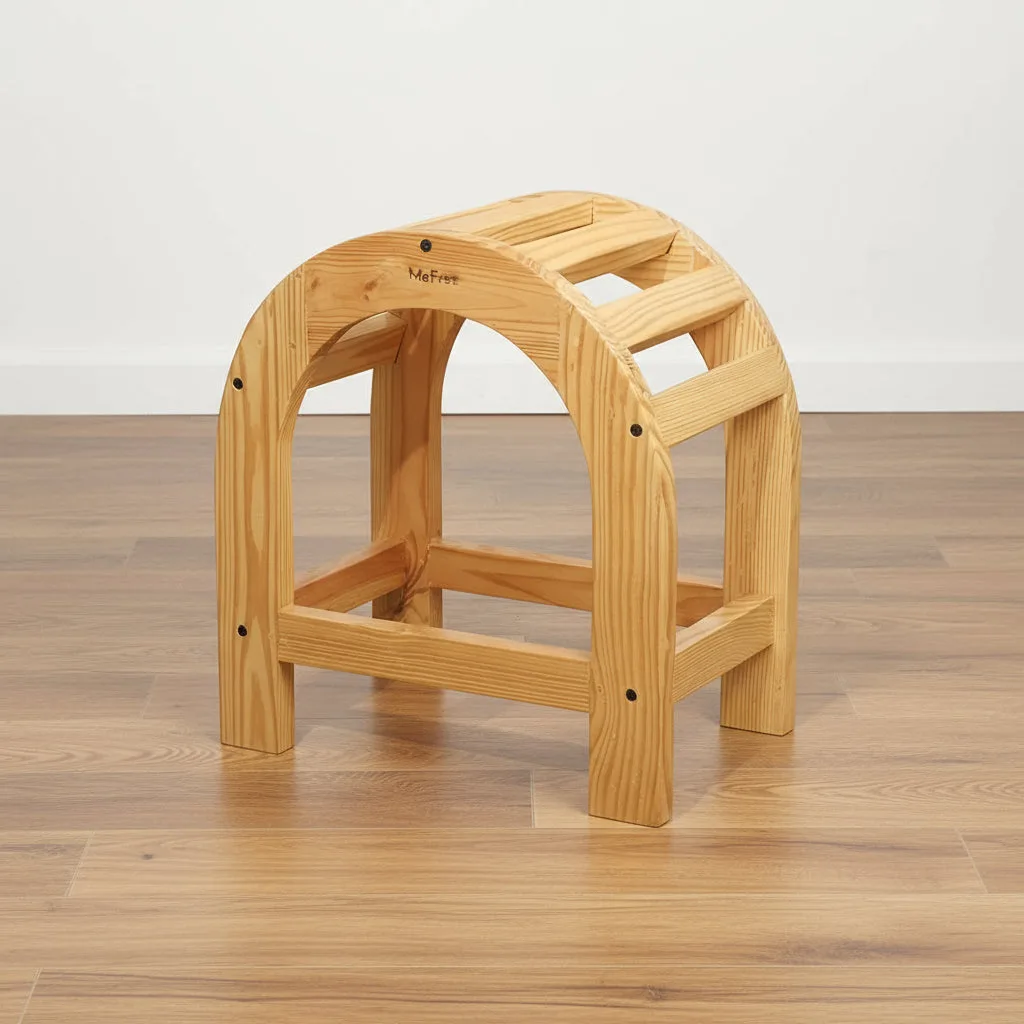
tall backbender
- Engage your glutes and navel to protect the lower back.
5. Misjudging Hip Distance in Standing Poses
Symptom: Your hips feel uneven, or one side of your waist is longer than the other in poses like Triangle or Half Moon. Likely cause: Lack of spatial awareness or one hip being tighter than the other.
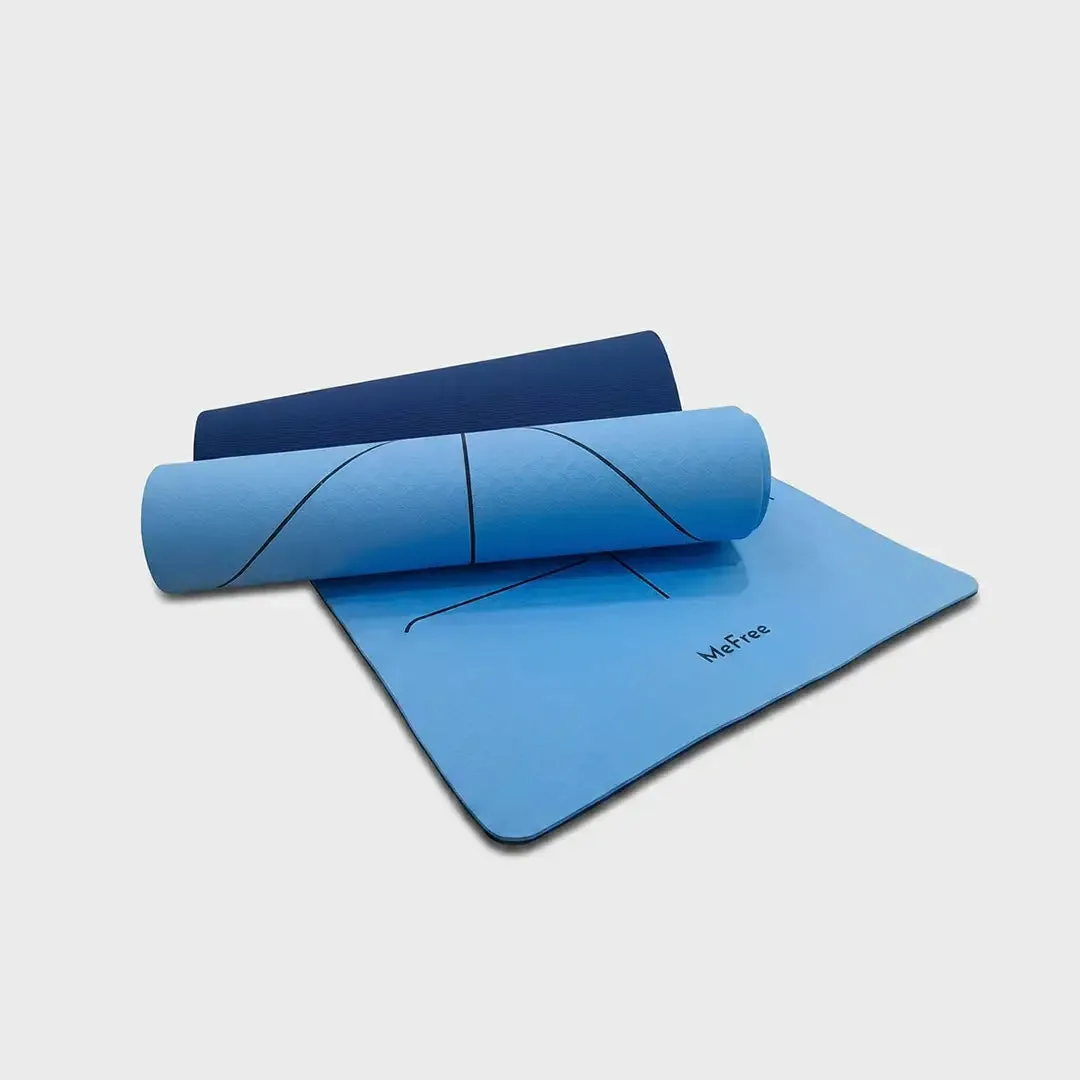
Corrective action: Practice on a mat with alignment markings, such as the Light Weight TPE Yoga Mat 8mm in Blue. The built-in lines give you visual cues for foot placement and hip width. Stand with your front foot on one line and back foot on a parallel line—this instantly corrects the distance. If you still feel uneven, place a block under your bottom hand to level the hips.
- Use the mat's center line as a reference for your midline.
Diagnosis Guide: When to Stop and Choose Alternatives
- Symptom persists after prop use: If the alignment error continues despite using the correct prop, stop attempting the pose. Your body may need mobility work or a different variation. Try a gentler version (e.g., knees-down Downward Dog) or consult a teacher.
- Sharp or shooting pain: Dull muscle stretch is okay; sharp joint pain is not. Discontinue the pose immediately and seek professional guidance if pain recurs. Do not push through sharp pain—it's a sign of injury risk.
- Prop feels uncomfortable or unstable: If a prop causes discomfort (e.g., a block too high), adjust height or try a different prop. For example, switch from a wooden block to a folded blanket. Props should feel supportive, not restrictive. Find what works for your body today.
Props That Help Correct Alignment
- Light Weight TPE Yoga Mat 8mm - Blue [Alignment Markings]: The Alignment TPE yoga mat 8mm has built-in lines that guide positioning and help maintain correct posture. Visual alignment cues on the mat remove guesswork for foot and hand placement, especially useful for beginners and those practicing alone.
- Wooden Yoga Block: These heavy wooden yoga blocks provide a stable grounding point, unlike traditional foam blocks that compress under weight. A solid, non-compressible block gives reliable height and support for hands, feet, or hips, making it easier to maintain correct form without wobbling.
- Tall Backbender: Meticulously handcrafted from solid, sustainable pinewood, this specialized prop is designed for experienced practitioners to safely deepen backbend practice. The backbender supports the upper back and opens the chest without forcing the lower spine into overextension, reducing injury risk in backbends.
Alignment mistakes are normal, but they don't have to limit your practice. By using props like alignment mats, wooden blocks, and backbenders as physical cues, you can correct common errors safely and build body awareness over time. Start with one or two adjustments, listen to your body, and remember that progress comes from consistency, not force.