As more plant lovers embrace green home decor, the choice of planter material has become a key part of sustainable living. Eco-friendly planters not only reduce environmental impact but also influence plant health, durability, and style. Whether you're a seasoned plant parent or just starting your indoor jungle, understanding the differences between stone, terracotta, and recycled material planters can help you make an informed decision that benefits both your plants and the planet.
In this guide, we'll compare three popular sustainable planter options—stone, terracotta, and recycled materials—across factors like breathability, water retention, durability, aesthetics, and eco-friendliness. We'll also highlight specific products from WallyGro that exemplify each category, so you can find the perfect planter for your space.
Stone Planters: Timeless Durability and Natural Beauty
Stone planters, often made from materials like granite, slate, or cast stone, offer unmatched durability and a classic, earthy aesthetic. They are heavy, which makes them ideal for outdoor use or large floor plants that need stability. Stone is naturally porous, allowing some air exchange to the roots, but it also retains heat, which can be beneficial in cooler climates. However, stone planters can be expensive and difficult to move once placed.
For those who love the look of stone but want a lighter, more versatile option, WallyGro's stone-inspired designs provide a similar aesthetic without the weight. The Loop Rose Hanging Planter, for example, combines a sleek stone-like finish with a modern hanging design, perfect for adding a touch of natural elegance to any room. Its durable construction ensures long-lasting use, while the hanging format saves floor space and keeps plants at eye level.
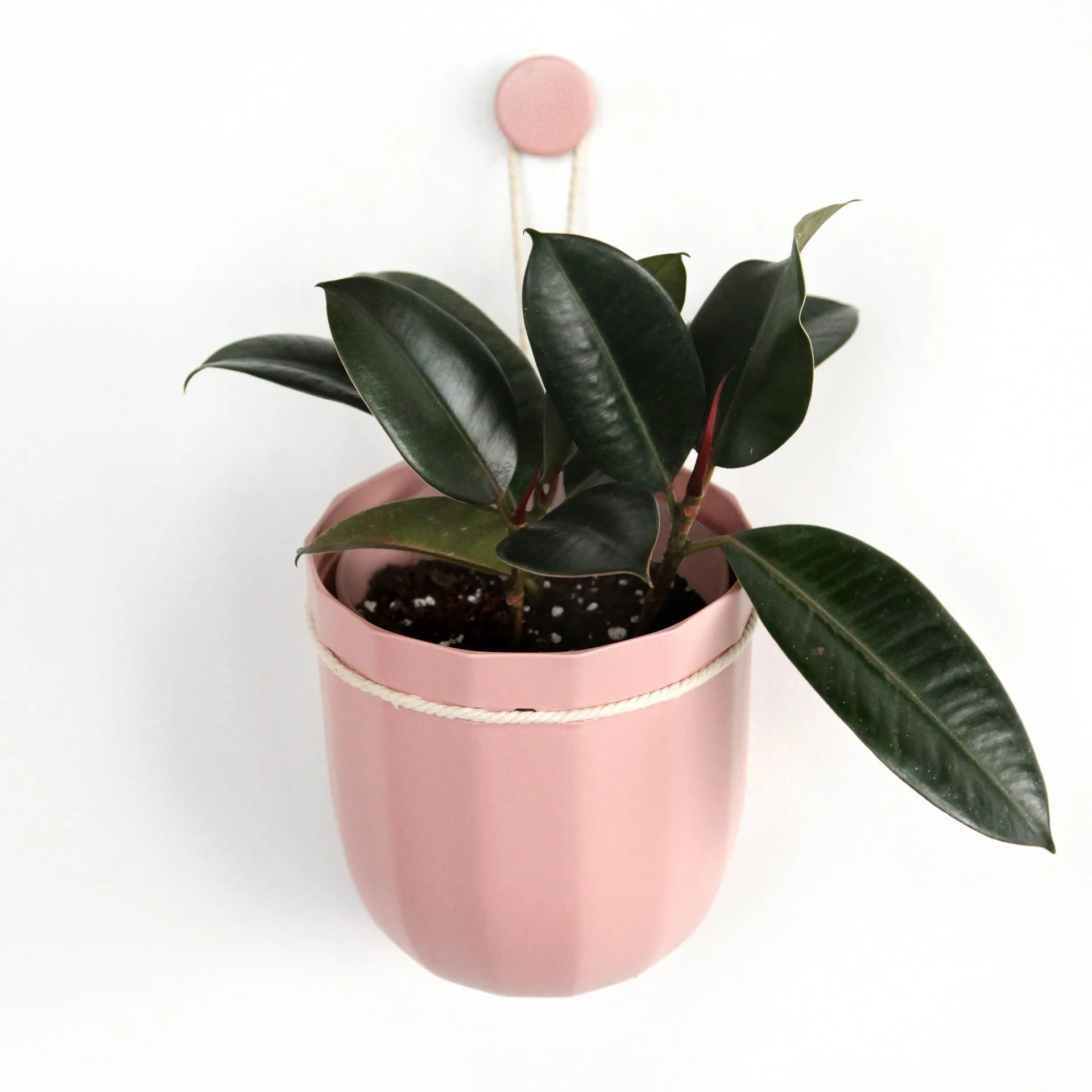
Loop Rose Hanging Planter
- Pros: Extremely durable, natural look, good for large plants, stable outdoors.
- Cons: Heavy, expensive, can crack in freezing temperatures, limited portability.
Terracotta Planters: Classic Breathability for Healthy Roots
Terracotta is one of the oldest and most beloved planter materials, prized for its porous nature that allows soil to dry evenly and roots to breathe. This makes it an excellent choice for succulents, cacti, and other plants that prefer drier conditions. Terracotta's warm, reddish-brown hue adds a rustic, Mediterranean charm to any space. However, it can be prone to chipping and may require more frequent watering in hot, dry environments.
For a modern twist on classic terracotta, consider the Loop White Hanging Planter. While not traditional terracotta, its matte ceramic finish mimics the porous feel and airy aesthetic, offering a clean, contemporary look that pairs beautifully with trailing plants. This planter is lightweight yet sturdy, making it easy to hang in clusters for a dramatic vertical garden effect.
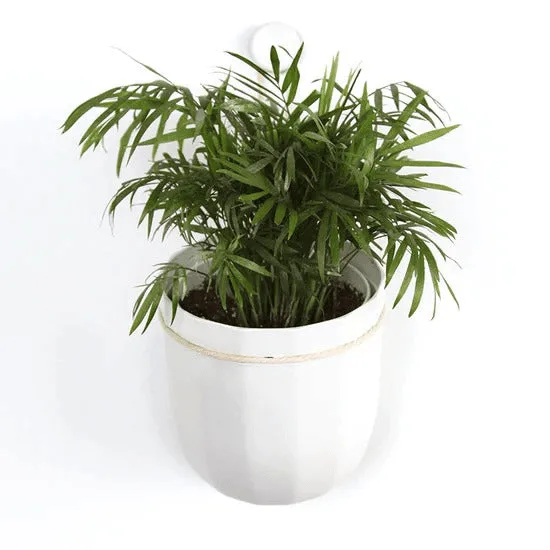
Loop White Hanging Planter
- Pros: Excellent breathability, affordable, classic look, good for dry-loving plants.
- Cons: Fragile, can crack in cold weather, may need frequent watering, limited color options.
Recycled Material Planters: Innovation for a Greener Planet
Recycled material planters are made from post-consumer waste like plastic bottles, reclaimed wood, or even old tires. They are lightweight, often weather-resistant, and come in a wide range of colors and designs. These planters are a top choice for eco-conscious consumers looking to reduce landfill waste. However, some recycled plastics may degrade over time under direct sunlight, and the quality can vary between manufacturers.
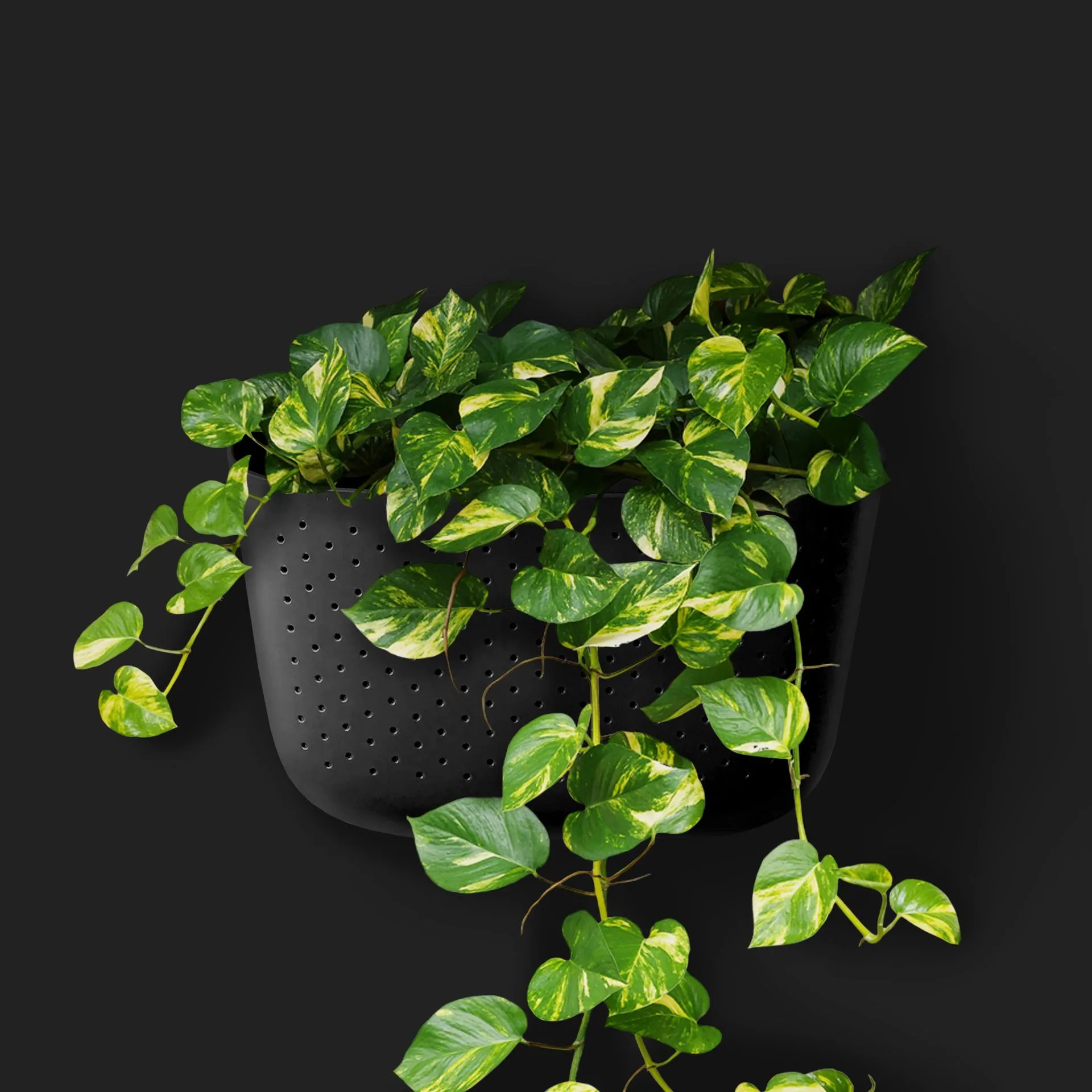
WallyGro's commitment to sustainability is evident in products like the Eco Spa Wall Planter, which is crafted from recycled materials. Its sleek, modern design brings a spa-like serenity to any wall, while the eco-friendly construction ensures you're making a positive impact. This planter is perfect for small herbs, ferns, or trailing vines, and its integrated drainage system prevents overwatering.
- Pros: Reduces waste, lightweight, versatile designs, often UV-resistant.
- Cons: Quality varies, may fade in direct sun, some plastics can leach chemicals if not food-grade.
How to Choose the Right Eco-Friendly Planter for Your Home
When selecting a sustainable planter, consider your plant's needs, your home's aesthetic, and your lifestyle. For plants that thrive on airflow and quick drying, terracotta or stone-inspired planters are ideal. If you prefer lightweight, versatile options that can be moved easily, recycled material planters are a great fit. For large statement plants or outdoor use, stone planters offer unbeatable stability.
Also think about the planter's placement. Hanging planters like the Loop Rose Hanging Planter save space and add vertical interest, while wall-mounted options like the Eco Spa Wall Planter create a living art piece. For a cohesive look, mix and match materials within a color palette—for example, pairing a terracotta pot with a recycled plastic saucer. No matter your choice, every eco-friendly planter helps reduce your carbon footprint.
- Tip: Always check for drainage holes or use a liner to prevent root rot.
- Tip: For hanging planters, ensure the hardware supports the weight of the pot, soil, and plant.
Choosing an eco-friendly planter is a simple yet impactful way to support sustainable living while enhancing your home decor. Whether you prefer the timeless durability of stone, the classic breathability of terracotta, or the innovative design of recycled materials, WallyGro offers a range of options to suit your style and values. Explore the Loop Rose Hanging Planter to add a touch of natural elegance to your space, and take the next step toward a greener home.