Protein is a cornerstone of a healthy diet, but not all protein sources are created equal. For years, dairy-based proteins like whey and casein dominated the market, prized for their complete amino acid profiles. However, the rise of plant-based eating—driven by health, environmental, and ethical concerns—has sparked a new wave of complete protein sources derived from peas, soy, rice, and more. Whether you're a vegan athlete, a flexitarian looking to reduce dairy, or simply curious about optimizing your nutrition, understanding the differences between plant-based and dairy-based complete proteins is essential.
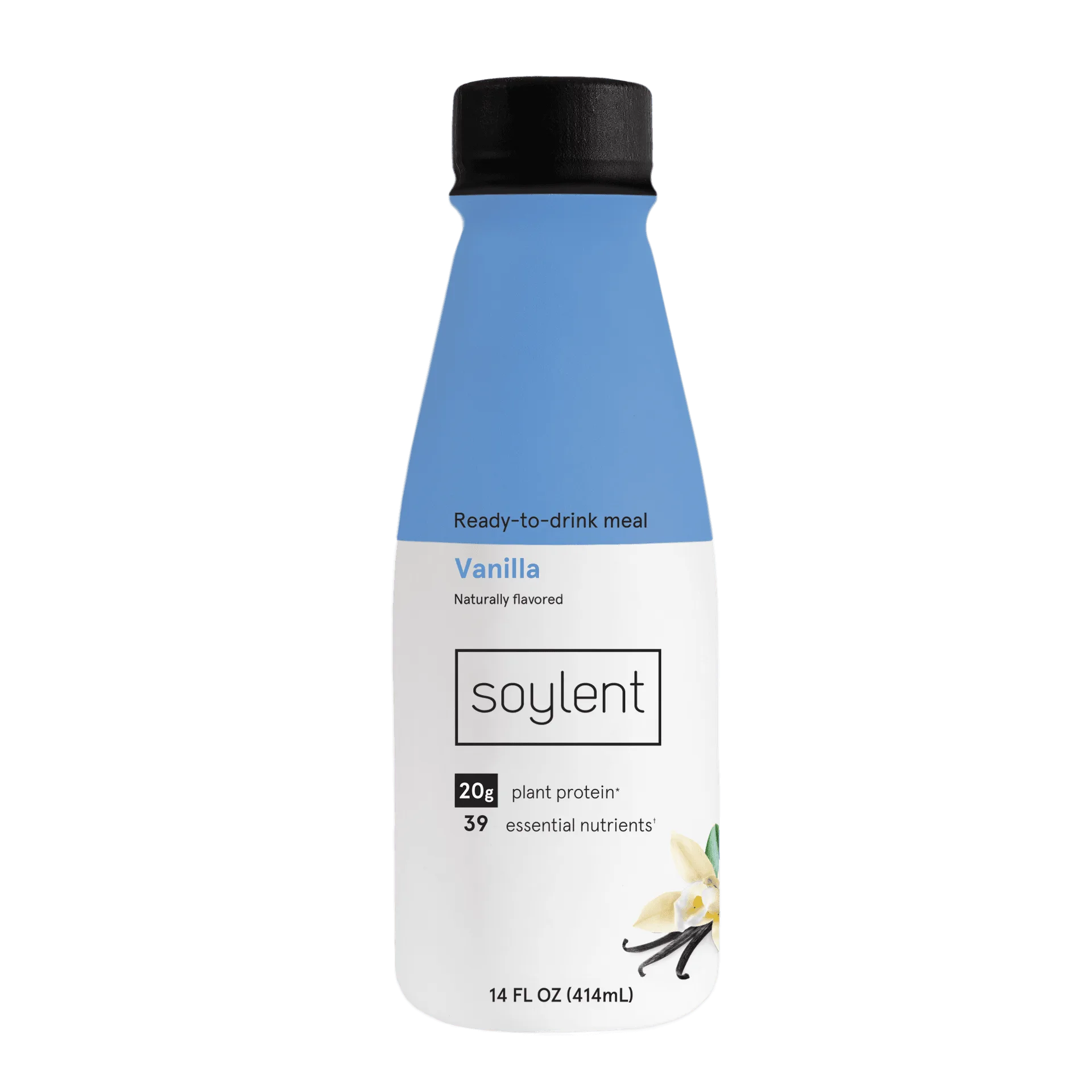
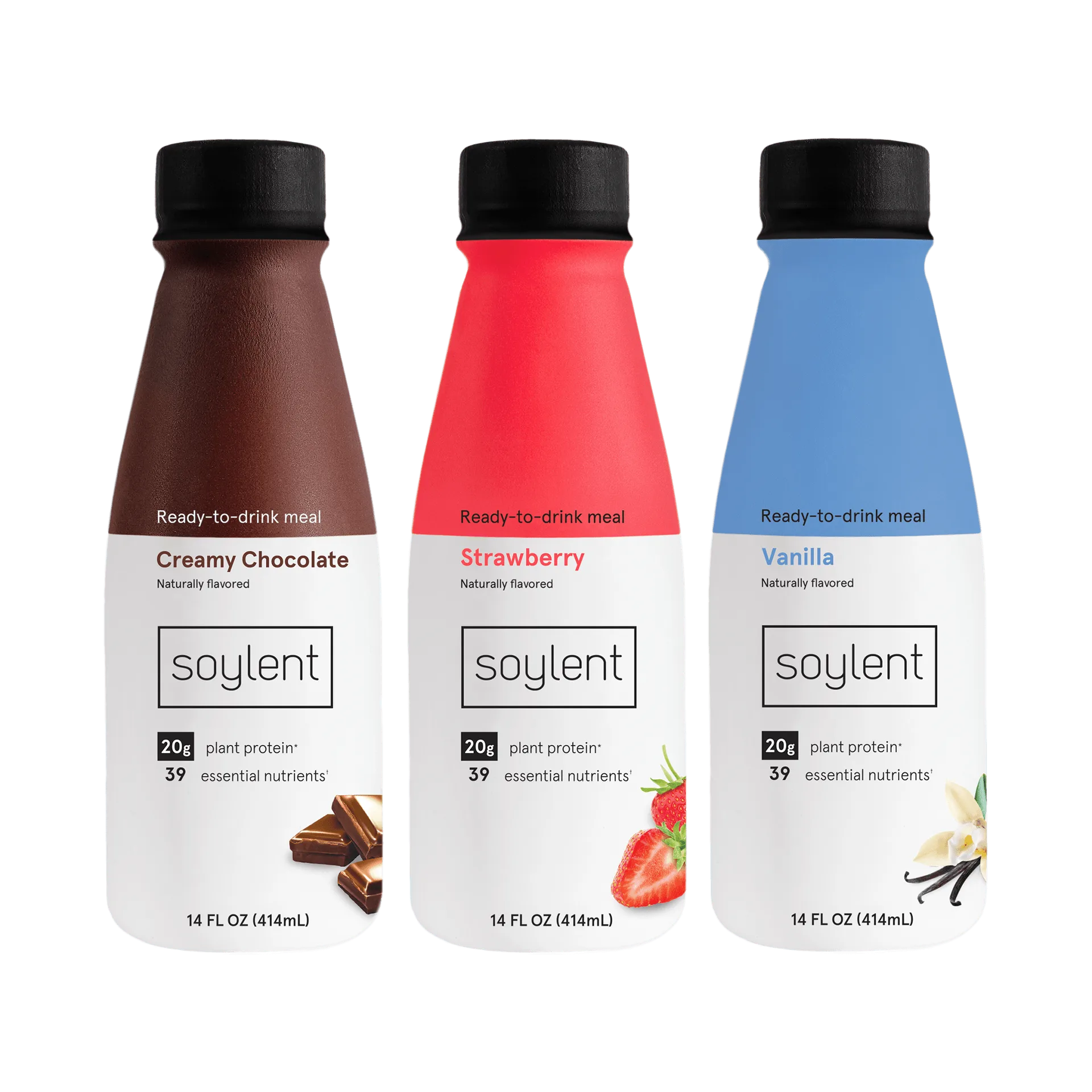
In this article, we compare the two categories across key factors: amino acid profiles, digestibility, taste, environmental impact, and cost. We'll also highlight how Soylent's complete meal shakes and powders, such as the Soylent complete meal vanilla - prepaid 6 month and Soylent complete meal creamy chocolate - prepaid 6 month, offer balanced plant-based protein options that fit seamlessly into any lifestyle. By the end, you'll have the knowledge to make an informed choice that aligns with your health goals and values.
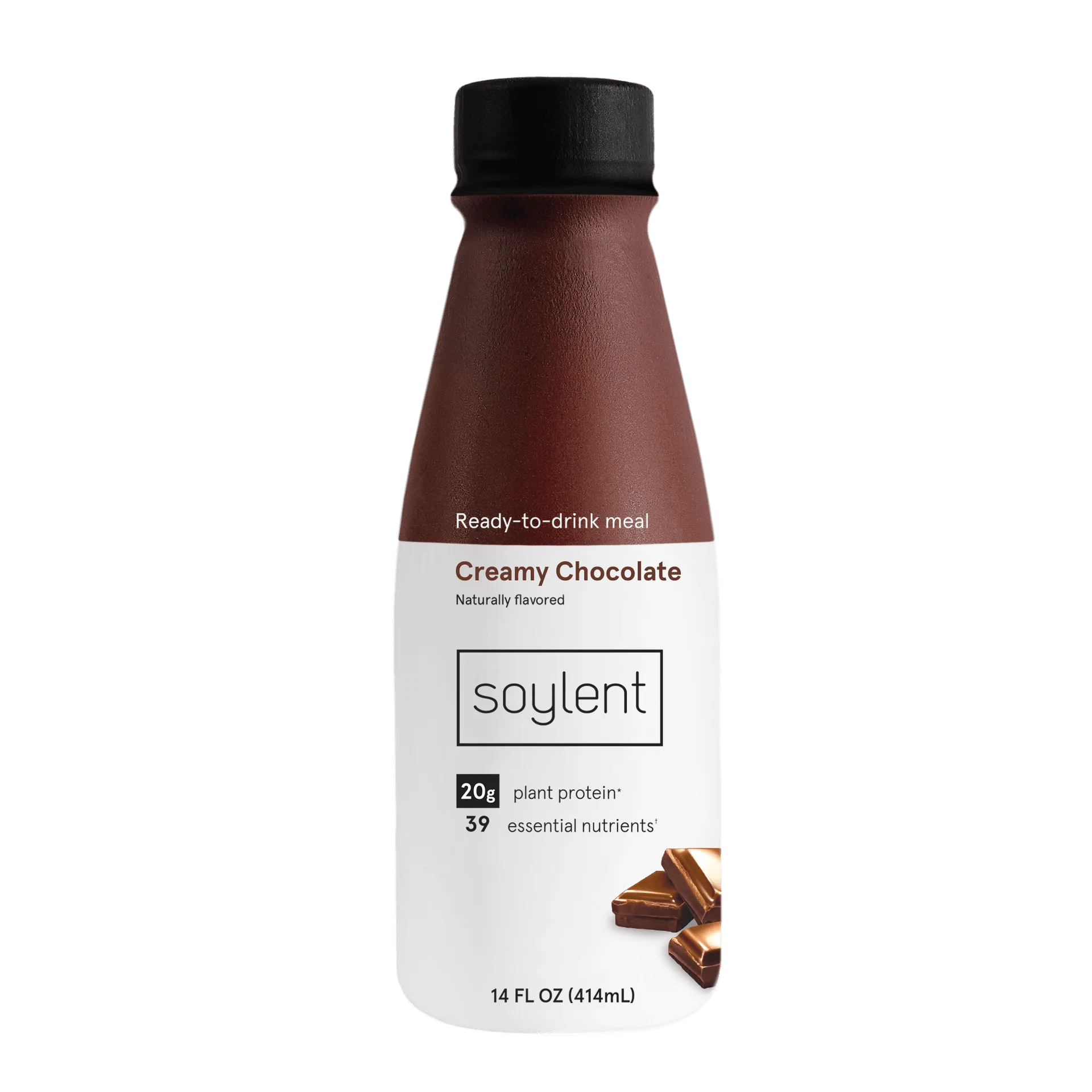
Soylent complete meal creamy chocolate - prepaid 6 month
What Makes a Protein 'Complete'?
A complete protein contains all nine essential amino acids that the human body cannot produce on its own. These amino acids are crucial for muscle repair, enzyme production, immune function, and overall health. Dairy proteins like whey and casein are naturally complete, which is why they've been a staple in sports nutrition for decades. In contrast, many plant-based proteins—such as those from beans, grains, or nuts—are often missing one or more essential amino acids, making them 'incomplete.' However, through careful blending of plant sources (e.g., pea and rice protein), manufacturers can create a complete amino acid profile that rivals dairy.
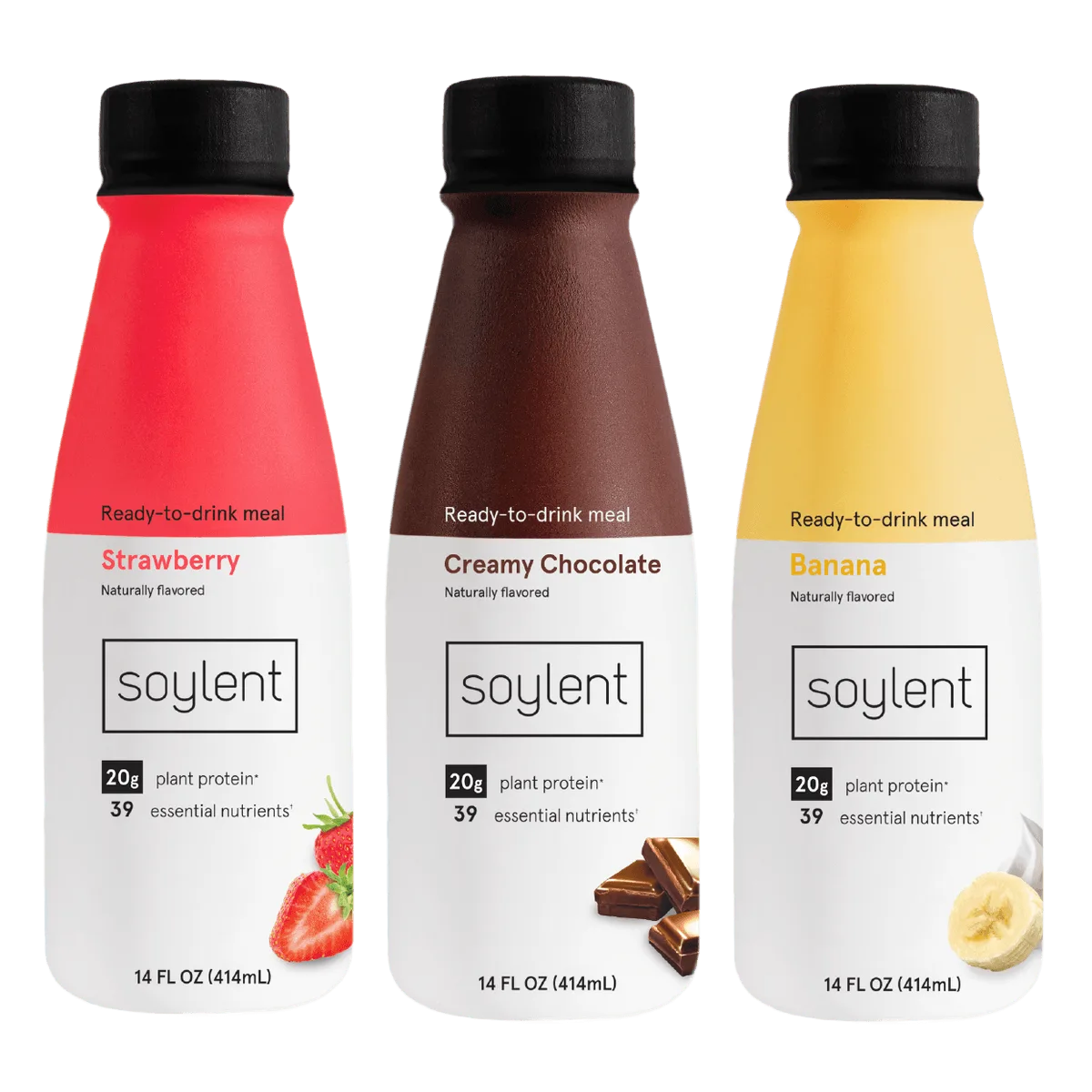
Soylent's complete meal products are formulated with a plant-based protein blend that provides all essential amino acids, ensuring you get the same nutritional benefits as dairy-based options. For example, the https://soylenteb.com/products/soylent-complete-meal-banana-split-variety-pack-prepaid-6-month-91418Soylent complete meal banana split variety pack - prepaid 6 month delivers a balanced mix of protein, carbs, and fats, making it a convenient choice for anyone seeking a complete protein source without animal products.
- Tip: Look for products that list 'complete protein' on the label or show a blend of plant sources like pea, rice, and hemp to ensure you're getting all nine essential amino acids.
Digestibility and Absorption: Plant vs. Dairy
Digestibility is a key factor when choosing a protein source. Dairy proteins, especially whey, are known for their rapid absorption—making them ideal for post-workout recovery. However, many people experience bloating, gas, or discomfort due to lactose intolerance or sensitivity to dairy. Plant-based proteins, on the other hand, are often easier on the digestive system, especially for those with lactose issues. They may be absorbed more slowly, providing a steady release of amino acids over time, which can be beneficial for sustained energy and satiety.
Soylent's plant-based shakes are designed with easy digestibility in mind. The Soylent complete meal neapolitan variety pack - prepaid 3 month offers a delicious way to enjoy complete nutrition without the digestive downsides of dairy. Plus, the inclusion of prebiotic fiber supports gut health, making it a gentle option for sensitive stomachs.
- Quick fact: Plant proteins often score lower on the PDCAAS (Protein Digestibility Corrected Amino Acid Score) than dairy, but modern blending techniques can achieve scores close to 1.0, the highest rating.
Taste and Texture: Which Wins?
Taste is subjective, but many people find dairy-based proteins creamier and more familiar, especially in milkshake-like shakes. Whey protein, for instance, has a smooth texture that blends easily. Plant-based proteins, especially those from peas or hemp, can sometimes have a gritty or earthy flavor. However, advancements in food technology have dramatically improved the taste and mouthfeel of plant-based options. Brands like Soylent use natural flavors and emulsifiers to create a smooth, enjoyable drinking experience that rivals dairy shakes.
For those who crave variety, Soylent offers multiple flavors. The Soylent complete meal original - prepaid 3 month provides a neutral base that pairs well with add-ins, while the Soylent complete meal powder cacao - prepaid 3 month delivers a rich chocolate flavor. Whether you prefer vanilla, banana, or chocolate, plant-based options now cater to a wide range of palates.
- Pro tip: Try blending your plant-based shake with a frozen banana or a splash of almond milk to enhance creaminess and flavor.
Environmental and Ethical Considerations
One of the biggest advantages of plant-based proteins is their lower environmental footprint. Dairy production requires significant land, water, and feed, and contributes to greenhouse gas emissions. In contrast, plant-based proteins like peas and soy have a much smaller ecological impact. For environmentally conscious consumers, choosing a plant-based complete protein supports sustainability without compromising nutrition.
Soylent's commitment to plant-based ingredients aligns with these values. By opting for products like the Soylent complete meal powder original - prepaid 3 month, you're reducing your carbon footprint while still getting a nutritionally complete meal. This makes plant-based protein a win-win for personal health and planetary health.
- Did you know? Producing 1 kg of pea protein generates about 90% less CO2 than 1 kg of whey protein, according to life cycle assessments.
Cost Comparison: Budget-Friendly Options
Cost is a practical factor for many consumers. Dairy-based protein powders are often cheaper per serving due to established supply chains and higher production volumes. However, premium plant-based blends can be more expensive, especially if they use organic or specialty ingredients. That said, subscription models and bulk purchases can bring down the cost of plant-based options significantly.
Soylent's prepaid subscriptions offer excellent value. For example, the Soylent complete meal vanilla - prepaid 6 month provides a steady supply of plant-based nutrition at a lower per-serving cost than many dairy-based meal replacements. By committing to a subscription, you save money while ensuring you never run out of your favorite shakes.
- Money-saving tip: Compare the price per gram of protein across brands. Soylent's complete meal shakes often deliver competitive pricing when factoring in the added vitamins and minerals.
Ultimately, both plant-based and dairy-based complete proteins have their merits, but the choice depends on your dietary preferences, digestive health, and environmental values. Plant-based options like Soylent's complete meal shakes offer a sustainable, lactose-free, and nutritionally complete alternative that's backed by science. Ready to make the switch? Explore the Soylent complete meal creamy chocolate - prepaid 6 month for a delicious, planet-friendly protein source that fits your routine.