As plant parents become more conscious of their environmental footprint, the demand for sustainable planters has skyrocketed. Choosing the right planter is not just about aesthetics—it’s about supporting eco-friendly brands that prioritize renewable materials, ethical production, and long-lasting design. Whether you’re a seasoned collector or a newbie, this planter comparison will help you navigate the best options for a green home.
Why Sustainable Planters Matter
Conventional plastic planters can take centuries to decompose, leaching toxins into the soil and water. In contrast, sustainable decor choices like planters made from recycled materials, natural fibers, or biodegradable composites reduce waste and support a circular economy. By investing in eco-friendly brands, you’re not only beautifying your space but also contributing to a healthier planet.
Top Sustainable Planter Materials to Consider
Recycled Plastic and Ocean Waste
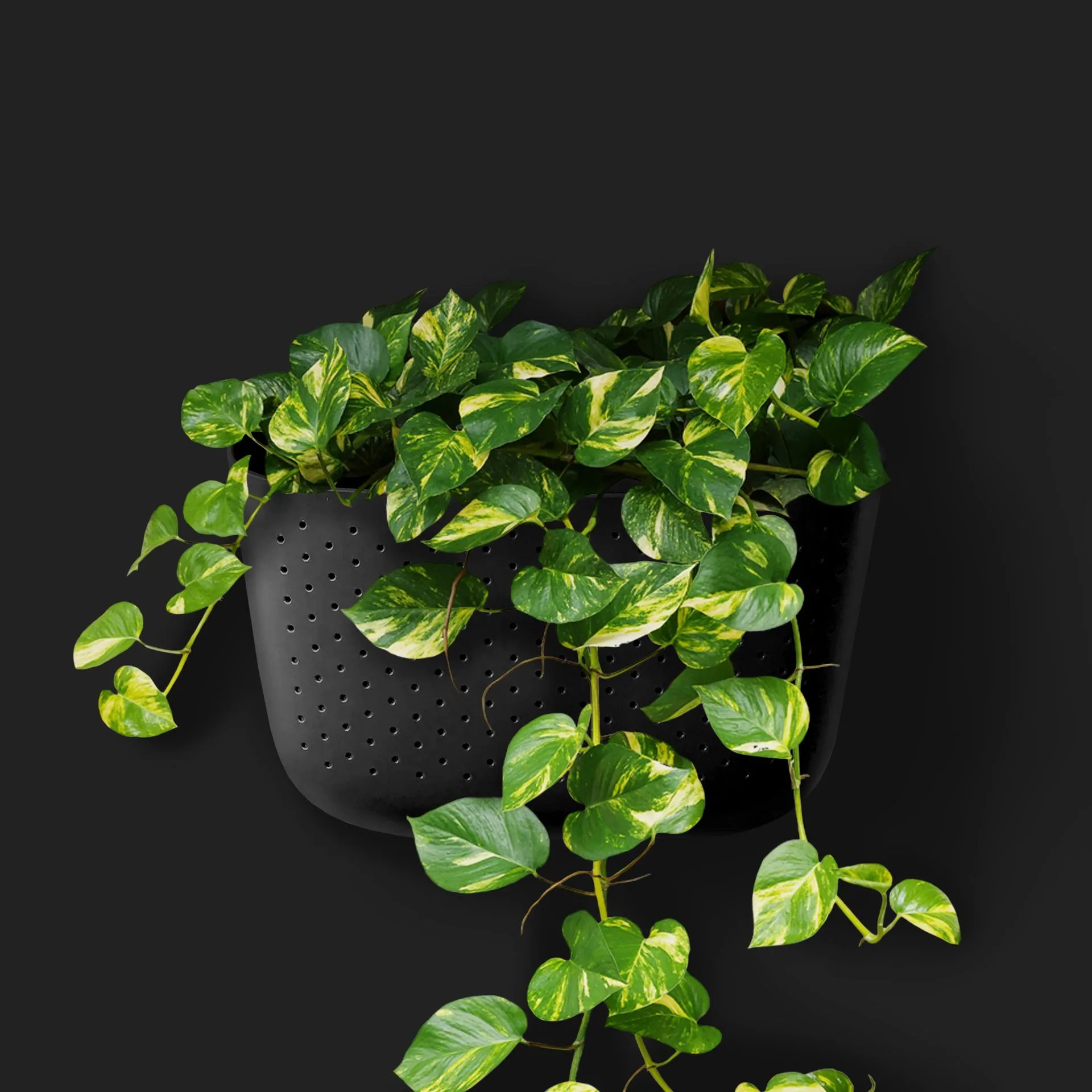
Many brands now transform discarded ocean plastics into durable, lightweight planters. These options are perfect for hanging setups—such as the Loop Rose Hanging Planter, which combines recycled materials with a modern design. They resist cracking and are ideal for humid environments like bathrooms and kitchens.
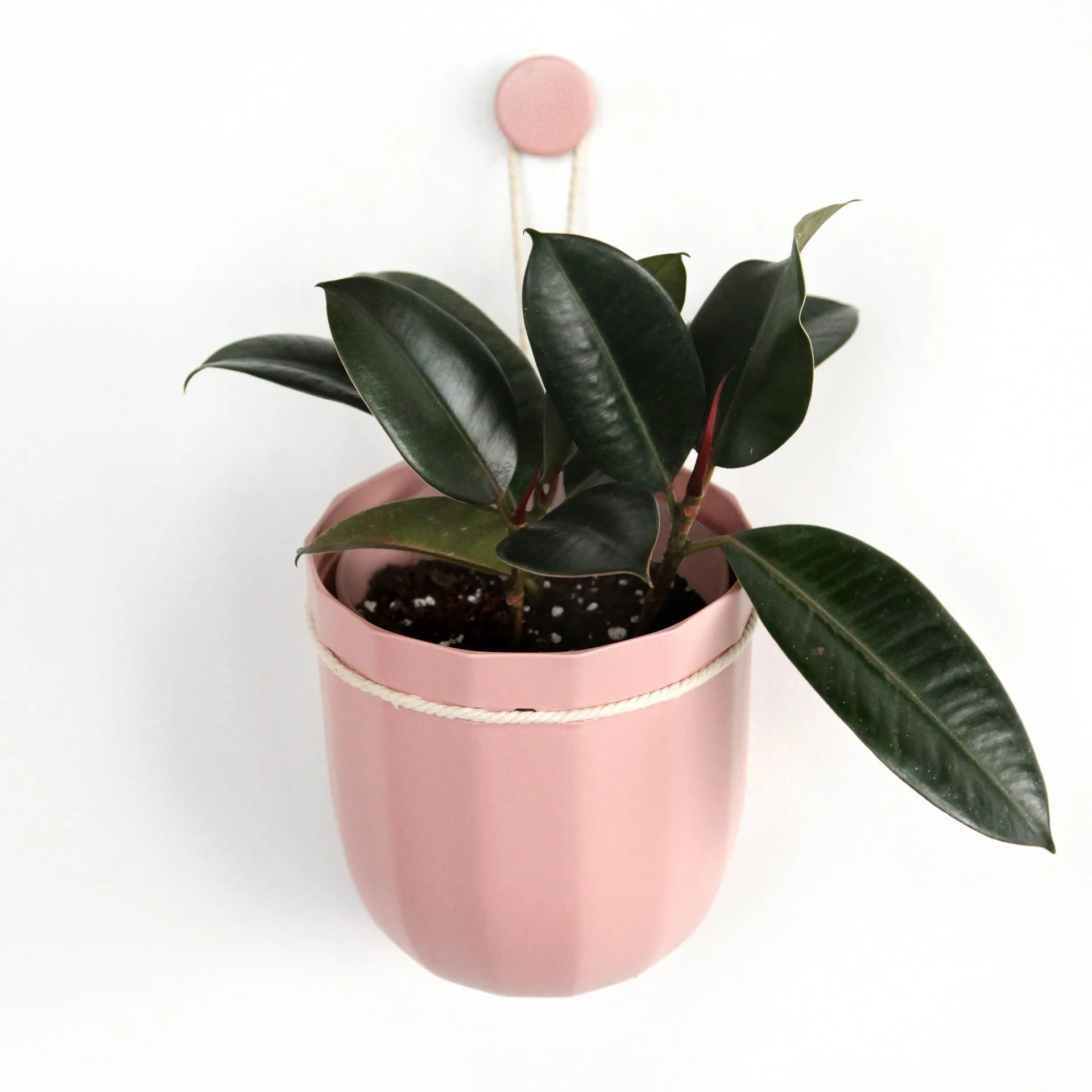
Loop Rose Hanging Planter
Natural Terracotta and Clay
Terracotta is a classic, biodegradable material that allows roots to breathe. However, not all terracotta is equal—look for brands that use locally sourced clay and energy-efficient kilns. Pairing a terracotta planter with a Arber Plant Protectant can help prevent salt buildup and extend the life of both pot and plant.
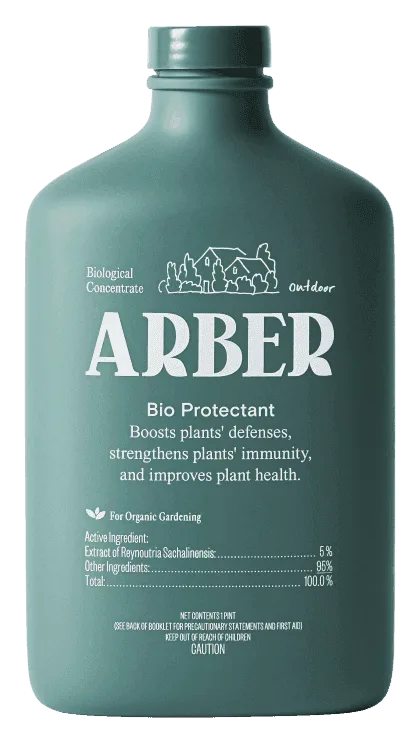
Arber Plant Protectant
Bioplastic and Bamboo Fibers
Bioplastic planters made from cornstarch or bamboo fibers are compostable at end of life. They offer a sleek, modern look while being fully renewable. Some brands even incorporate hemp or flax for added strength.
Brand Comparison: Features, Pros, and Cons
Brand/Material
Key Features
Pros
Cons
Recycled Plastic (e.g., Loop Rose)
Lightweight, UV-resistant, available in hanging styles
Durable, repurposes ocean waste, easy to clean
Not biodegradable, may fade in direct sun over years
Terracotta (Natural Clay)
Porous, breathable, classic earthy tones
Biodegradable, regulates moisture, affordable
Brittle, can crack in freeze-thaw cycles, heavy
Bioplastic (Cornstarch/Bamboo)
Lightweight, compostable, modern designs
Renewable, low carbon footprint, variety of colors
Less durable than plastic, may warp in high heat
Recycled Concrete/Eco Stone
Heavy, textured, industrial look
Extremely durable, uses waste materials, unique finish
Very heavy, not suitable for hanging, expensive
How to Choose the Right Sustainable Planter for Your Space
Consider Your Plant’s Needs
Succulents and cacti thrive in terracotta because it wicks away moisture. Tropical plants like ferns and philodendrons prefer plastic or glazed ceramic that retain humidity. For trailing plants, a lightweight recycled hanging planter works best.
Match Your Decor Style
Minimalist homes often benefit from neutral bioplastic or matte terracotta. If you love boho chic, look for planters with macrame hangers or textured finishes. The Loop Rose Hanging Planter adds a pop of color without overwhelming a space.
Check Certifications
Look for labels like FSC (Forest Stewardship Council), Cradle to Cradle, or BPA-free for plastic planters. Some brands also offset their carbon emissions or use renewable energy in production.
Beyond the Planter: Eco-Friendly Accessories to Complete Your Green Home
Pairing a sustainable planter with other eco-conscious products amplifies your impact. For instance, using organic soil, natural pest control, and recycled tools ensures your entire setup is earth-friendly. A small but meaningful accessory like the Monstera Pin can be a conversation starter and a way to show your commitment to sustainable decor.
Final Verdict: Which Brand Wins?
There is no single “best” sustainable planter—the right choice depends on your plant type, aesthetic, and budget. For versatility and durability, recycled plastic planters like the Loop Rose Hanging Planter are excellent for most indoor plants. If you prioritize biodegradability and a natural look, go with high-quality terracotta. For a modern, lightweight option, bioplastic planters offer a great balance of style and sustainability.
Tips for Extending the Life of Your Sustainable Planters
- Clean regularly with mild soap and water to prevent mineral buildup.
- Avoid placing terracotta in direct freezing conditions to prevent cracking.
- Use a moisture meter to avoid overwatering, which can degrade certain materials faster.
- Rotate hanging planters occasionally to ensure even light exposure and prevent stress on hooks.
Frequently Asked Questions
Are sustainable planters more expensive?
Initially, some eco-friendly options may cost more than mass-produced plastic, but they often last longer and have a lower environmental cost per use. Over time, you save money by not replacing low-quality pots.
Can I compost bioplastic planters at home?
Only if they are certified home-compostable. Many require industrial composting facilities to break down. Always check the label before tossing them in your backyard bin.
Do hanging planters need drainage holes?
Yes, unless you’re using them as a cachepot (decorative outer pot). Without drainage, roots can rot. The Loop Rose Hanging Planter includes a built-in drainage tray for worry-free watering.
Ready to upgrade your indoor garden with sustainable style? Explore the Loop Rose Hanging Planter today—it’s a beautiful, earth-friendly choice for any room. Your plants and the planet will thank you.