Building an authentic WWII USMC impression requires more than just a uniform—it demands a carefully assembled field gear package that reflects the unique equipment issued to Marines in the Pacific and European theaters. From the iconic M1941 pack to specialized pouches and helmets, each component plays a role in historical accuracy for reenactors. Understanding the differences between standard issue gear, theater modifications, and reproduction options can help you make informed choices without breaking your budget.
In this comparison, we’ll break down the essential elements of a USMC field gear package, highlight common variations, and offer practical tips for selecting the right loadout. Whether you’re a beginner or a seasoned reenactor, this guide will help you navigate the world of WWII Marine equipment with confidence.
The Core Components of a USMC Field Gear Package
A standard WWII USMC field gear package typically includes a haversack or pack, cartridge belt, canteen cover, first aid pouch, entrenching tool carrier, and bayonet frog. The M1941 pack, often paired with the M1910 haversack, was the primary load-bearing system. Marines also carried the M1 helmet with a fiber liner, and many units used the M1942 camouflage cover in the Pacific. Understanding these basics is critical for building a cohesive impression.
Reproduction gear varies in quality and authenticity. Some manufacturers focus on accurate stitching and materials, while others prioritize durability for reenactment use. When comparing packages, pay attention to details like brass hardware, canvas weave, and correct buckle styles. A high-quality package will include items like the https://wildernessworks.shop/products/us-highneck-sweater-99172US Highneck Sweater for colder weather or the Summer M41 Jacket for tropical climates, both of which were issued to Marines.
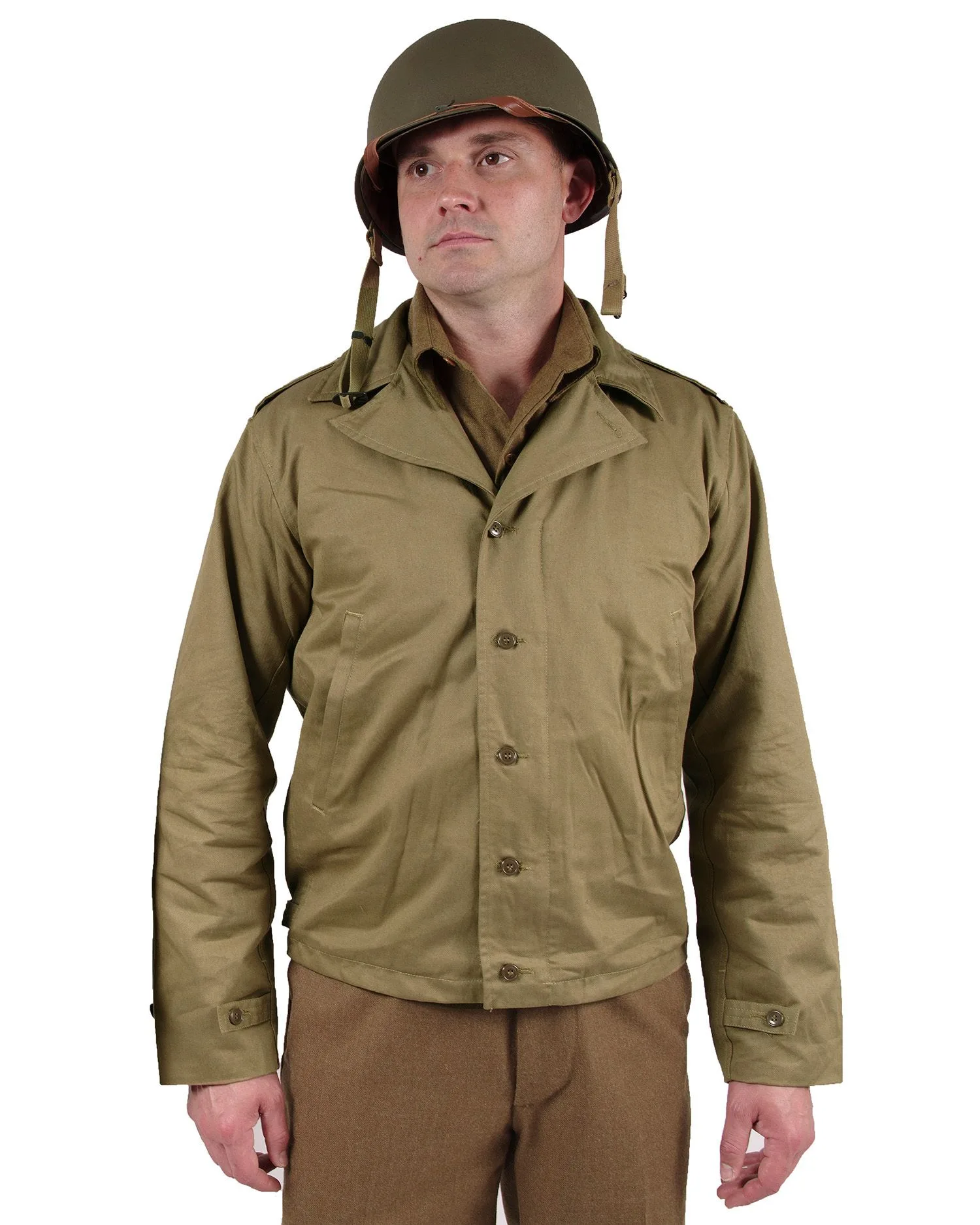
Summer M41 Jacket
- Check for correct USMC markings on packs and pouches—many Army items were similar but had different stampings.
Key Differences Between USMC and Army Field Gear
While USMC and Army gear share many similarities, distinct differences set Marine equipment apart. USMC cartridge belts often featured a different arrangement of pockets, and the M1941 pack had a unique flap closure compared to the Army’s M1928. Marines also used the M1 Garand bayonet with a specific frog, and their canteen covers were sometimes made of khaki webbing instead of olive drab. These nuances matter for accuracy.
For reenactors, mixing Army and USMC gear can break the illusion. Investing in a dedicated USMC field gear package ensures consistency. Items like the Old Oak Helmet Cover, originally used by Marines in the Pacific, add authenticity. Similarly, the WWII Parts Paratrooper Helmet, while not standard USMC issue, can be used for specialized impressions like Marine paratroopers.
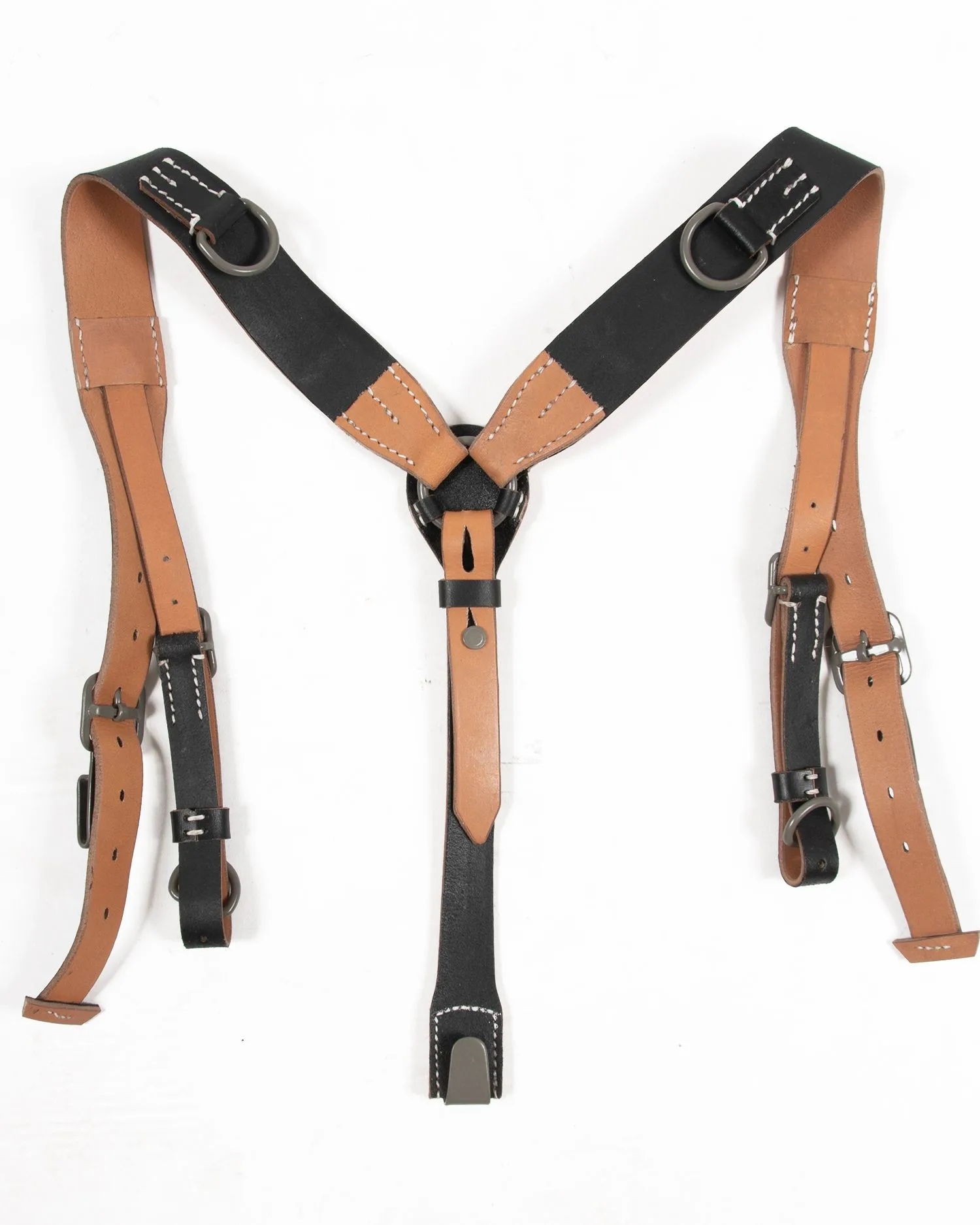
- Avoid using M1936 suspenders—Marines primarily used the M1910 or M1941 suspender system.
Theater-Specific Variations: Pacific vs. Europe
USMC field gear varied significantly between theaters. In the Pacific, Marines often carried lighter loads due to jungle conditions, favoring the M1941 pack over the heavier M1928. They also used camouflage helmet covers and canvas leggings. In Europe, where Marines served in limited numbers, gear was more similar to Army issue, but still retained USMC-specific items like the M1 Carbine bandolier.
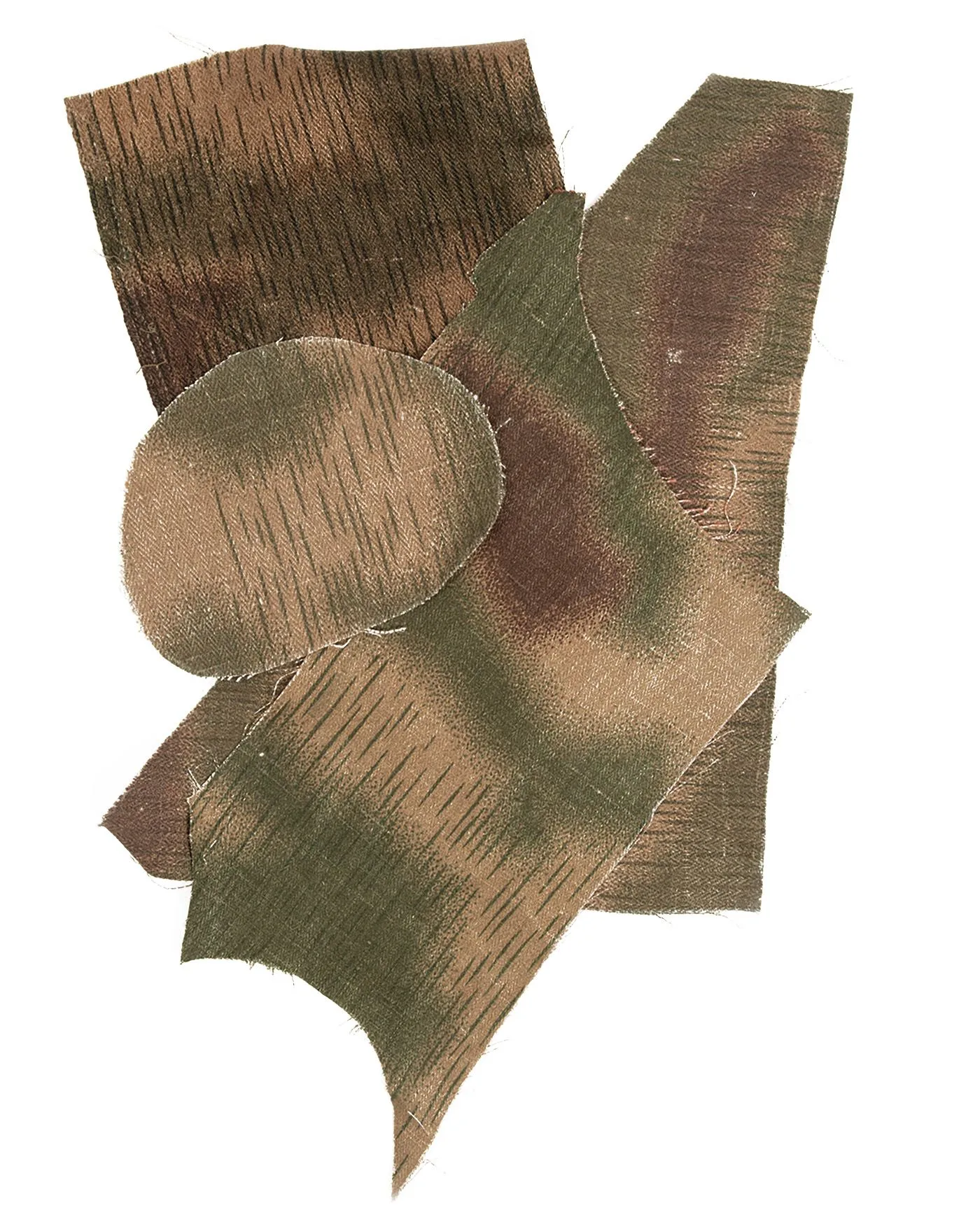
Reenactors portraying Pacific theater Marines should prioritize items like the German Scrap Fabric Bag, which was sometimes repurposed for carrying extra ammunition or rations. For European theater impressions, focus on standard USMC gear with correct markings. The Texled MG34/42 Sling is an example of captured equipment used by Marines in Europe, though it’s more niche.
- Use a lighter pack for Pacific impressions—the M1941 haversack is ideal for jungle loadouts.
Budget vs. Premium: Choosing the Right Package for Your Impression
Field gear packages range from budget-friendly reproductions to high-end museum-quality pieces. Budget options often use synthetic materials or simplified stitching, which can be acceptable for casual reenactors. Premium packages, like those from specialized vendors, use correct cotton webbing, brass hardware, and accurate patterns. The Standard M42 Paratrooper Uniform Package is an example of a premium set for specialized impressions.
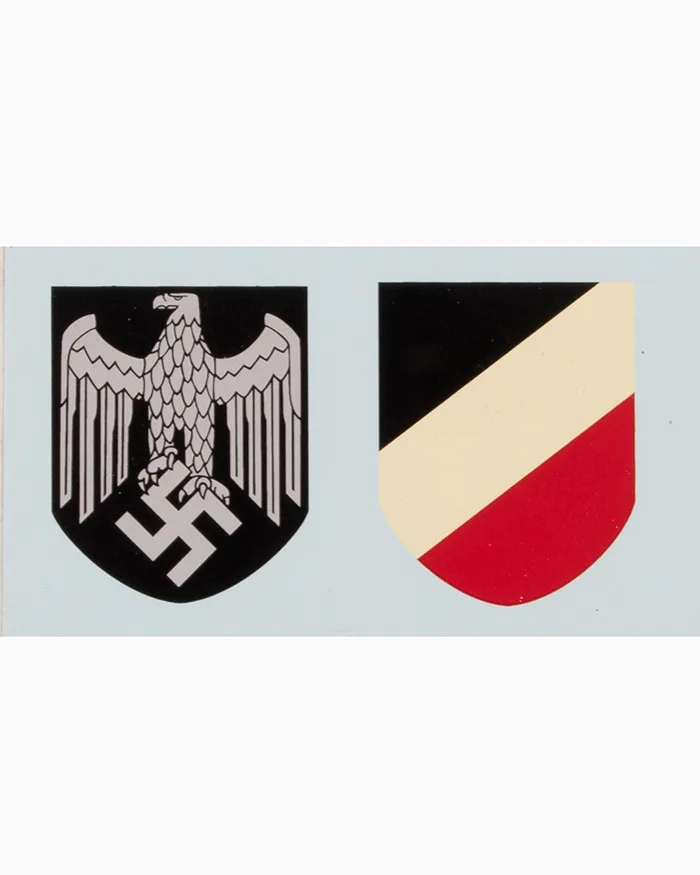
For a balanced approach, invest in core items like the cartridge belt and pack, then upgrade accessories over time. The Heer Helmet Decals are a small but impactful addition for German-themed events, but for USMC, focus on correct helmet liners and covers. Avoid cheap canvas that frays quickly—look for 100% cotton duck cloth.
- Start with a complete package, then replace individual items as your budget allows.
Building an accurate WWII USMC field gear package requires attention to detail, from the pack to the helmet cover. By understanding the differences between Army and Marine gear, theater variations, and quality levels, you can create a loadout that stands out at any reenactment. Explore our selection of reproduction gear, including the Summer M41 Jacket, to complete your impression with confidence.