Choosing the right wood finish for your desk is about more than just aesthetics. The finish you select affects how the desk looks, feels, and holds up to daily use. Whether you're a remote worker, a gamer, or a creative professional, the finish on your desk surface plays a key role in your overall experience. From matte to gloss, oil to wax, each type of wood finish offers unique benefits and trade-offs.
In this guide, we compare the most common wood finishes for desks—matte, satin, semi-gloss, high-gloss, oil, and wax—across factors like durability, maintenance, appearance, and feel. By the end, you'll know exactly which finish is right for your workspace and how to care for it over time.
Matte Finish: Low Glare, High Comfort
Matte finishes have little to no sheen, giving the desk a natural, understated look. They are excellent for reducing glare from overhead lights or windows, making them a favorite for offices with bright lighting or dual-monitor setups. The non-reflective surface also hides fingerprints, dust, and minor scratches better than glossier options.
Durability varies by product: water-based matte polyurethane is tough and long-lasting, while matte lacquer may be more prone to wear. Maintenance is straightforward—just a soft cloth and mild cleaner—but avoid abrasive pads. If you prefer a desk that feels warm and natural without shine, a matte finish is a strong choice.
- Best for: low-glare workspaces, photography studios, minimalists
- Care tip: use a microfiber cloth and a pH-neutral wood cleaner to avoid dulling the finish
Satin Finish: The Balanced All-Rounder
Satin finishes offer a soft, pearl-like sheen that sits between matte and gloss. They provide a subtle luster without being overly reflective, making them a versatile option for both home and office desks. Satin is forgiving on scratches and smudges while still adding a touch of elegance to the wood grain.
In terms of durability, satin polyurethane is one of the toughest finishes available, resisting water rings, heat, and daily wear. It's also easier to touch up than high-gloss. For many desk owners, satin strikes the perfect balance between style and practicality. A desk like the Omnidesk Mystic often features a satin-like finish that appeals to professionals who want a clean, modern look.
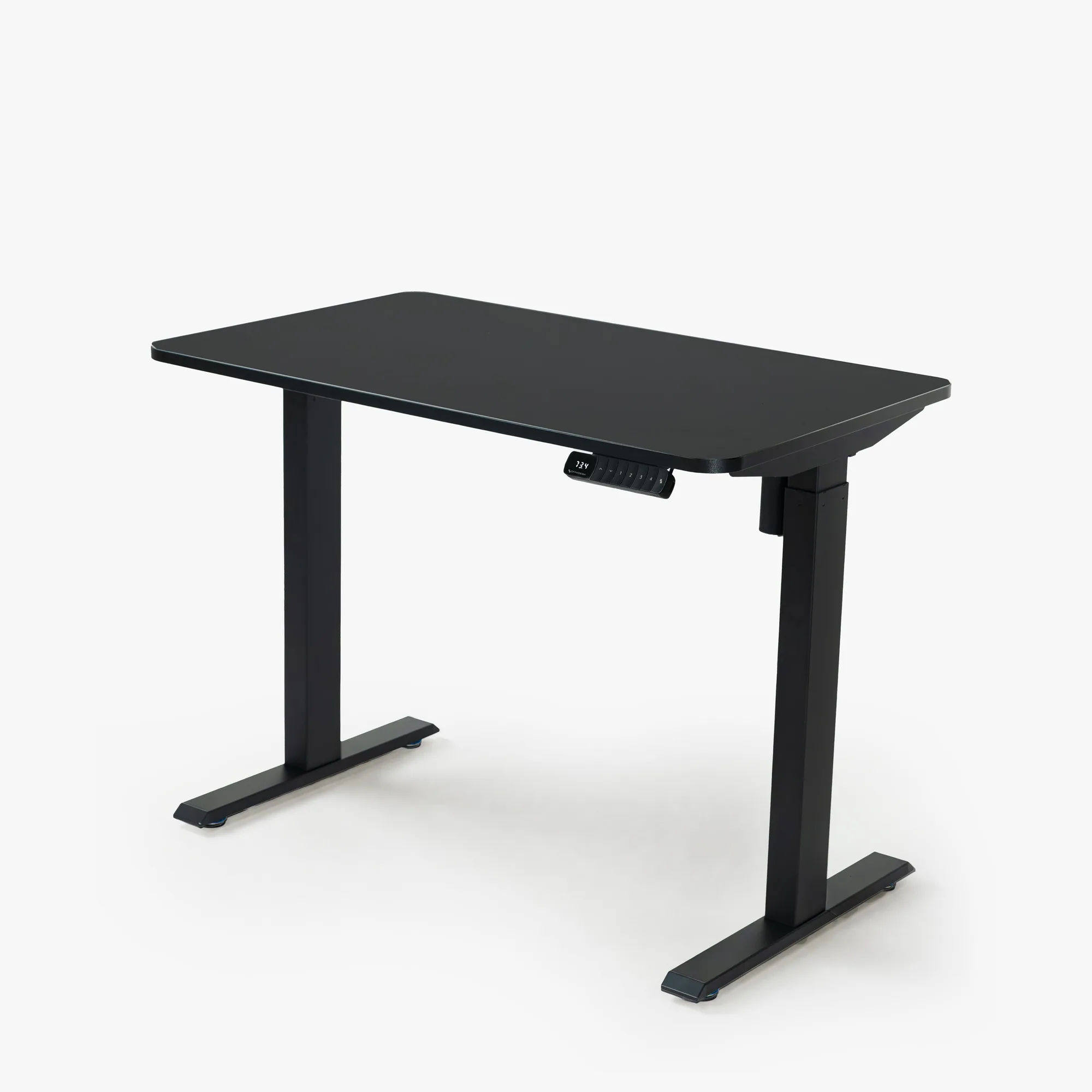
Omnidesk Mystic
- Best for: everyday office desks, shared workspaces, family rooms
- Care tip: clean with a damp cloth and dry immediately; avoid ammonia-based products
Semi-Gloss and High-Gloss: Shine and Showcase
Semi-gloss and high-gloss finishes deliver a reflective, polished appearance that makes wood grain pop and colors appear richer. These finishes are popular in executive offices and design studios where the desk is a centerpiece. However, the shine comes with trade-offs: fingerprints, dust, and scratches are far more visible, requiring frequent cleaning.
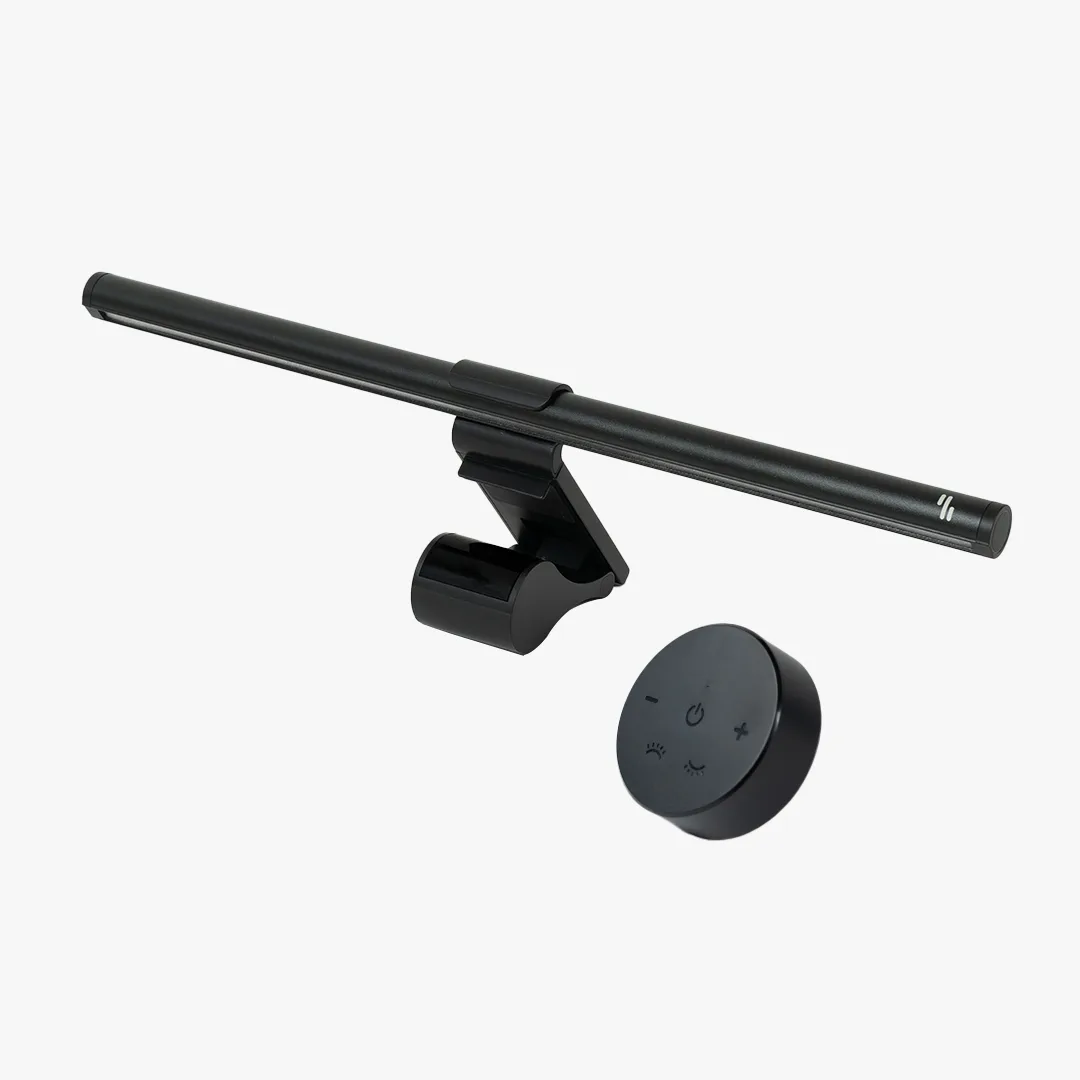
Durability is generally high for gloss polyurethane or conversion varnish, but scratches are more noticeable. Touch-ups can be tricky because the sheen must match perfectly. If you love a sleek, mirror-like surface and don't mind extra upkeep, a gloss finish can elevate your workspace. Pair it with accessories like the Spark Desk Lamp to highlight the desk's shine.
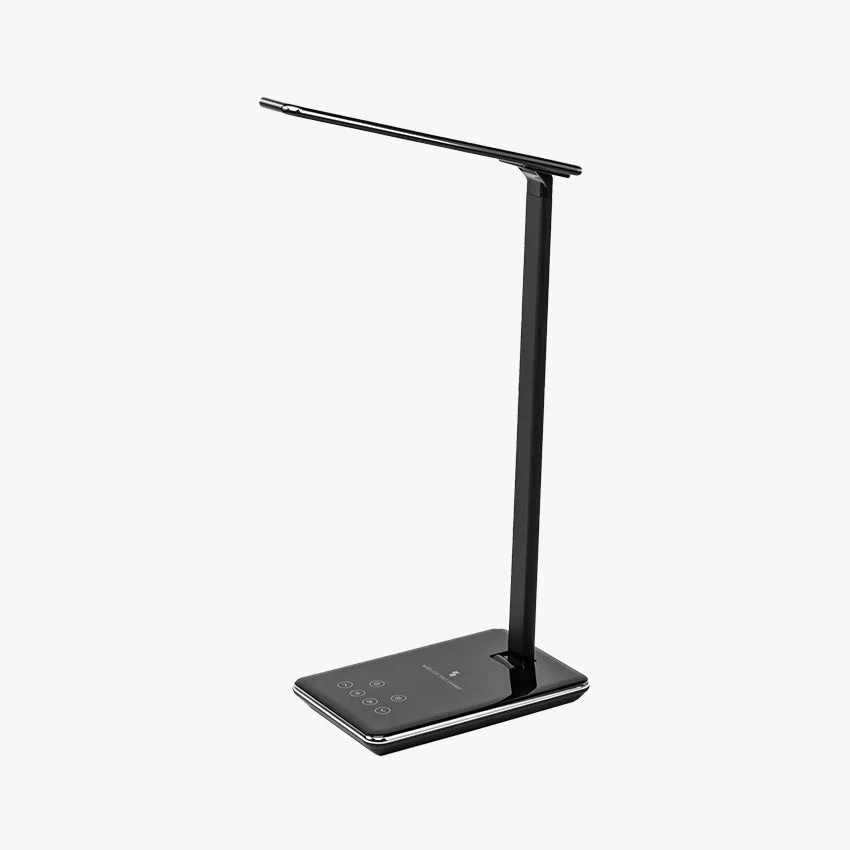
Spark Desk Lamp
- Best for: showpiece desks, executive offices, design studios
- Care tip: use a dedicated glass cleaner or a 50/50 vinegar-water mix for streak-free shine
Oil Finish: Natural Feel and Easy Maintenance
Oil finishes, such as tung oil, Danish oil, or linseed oil, penetrate the wood rather than forming a surface layer. They enhance the natural grain and provide a warm, tactile feel that many wood purists love. Oiled desks are easy to repair—simply sand and reapply oil to the affected area—and they don't chip or peel like film finishes.
The downside is lower protection against water rings, heat, and stains. Oiled surfaces require periodic reapplication (every few months to annually) and can darken over time. They are best suited for low-moisture environments and users who appreciate a living finish that ages gracefully. For those who want to protect their desk while maintaining a natural look, an oil finish is a great option.
- Best for: natural wood enthusiasts, low-moisture environments, DIY refinishers
- Care tip: reapply oil every 3–6 months; wipe up spills immediately to prevent staining
Wax Finish: Classic Charm with Moderate Protection
Wax finishes, often made from beeswax or carnauba wax, provide a soft, low-sheen luster and a smooth, velvety feel. They are easy to apply and buff, making them a popular choice for antique or handcrafted desks. Wax offers decent water resistance but is less durable than polyurethane or oil, requiring reapplication every few months.
Wax is also sensitive to heat and alcohol—hot mugs or spilled drinks can leave marks. However, it's non-toxic and environmentally friendly. For a desk that sees light use and is treated with care, wax can be a beautiful, traditional finish. If you need to refresh the surface, products like Wildwood Polish & Cloth are specifically designed for waxed wood care.
- Best for: antique desks, light-use workspaces, eco-conscious users
- Care tip: dust regularly and reapply wax twice a year; avoid placing hot items directly on the surface
How to Choose the Right Finish for Your Desk
Your choice of wood finish should align with how you use your desk. If you work long hours with multiple monitors, a matte or satin finish reduces eye strain from glare. If you entertain clients in your home office, a gloss finish makes a strong impression. For those who enjoy the natural feel of wood, an oil or wax finish offers a tactile experience that synthetic finishes can't match.
Consider also the desk's location. A desk near a window with direct sunlight may cause oil or wax finishes to fade or darken unevenly. In humid climates, polyurethane (matte, satin, or gloss) provides better moisture resistance. Finally, think about maintenance: do you want a set-it-and-forget-it finish (polyurethane) or don't mind periodic reapplication (oil or wax)? Your answer will guide you to the perfect finish.
- Tip: test a small, inconspicuous area before committing to a finish on your entire desk
- Tip: for high-traffic desks, choose satin or semi-gloss polyurethane for the best balance of durability and appearance
No matter which wood finish you choose, proper care will keep your desk looking beautiful for years. If you're looking for a desk that combines style, durability, and a refined satin-like finish, explore the Omnidesk Mystic—it's built to complement your workspace and withstand daily demands.