Finding the perfect belt fit can be surprisingly tricky. Whether you are dressing up for the office, heading out for a casual weekend, or fine-tuning your streetwear style, a belt that is too tight or too loose can ruin an otherwise polished look. This complete belt sizing guide will walk you through how to measure your belt size accurately, decode sizing charts for men and women, and understand the differences between traditional and adjustable belt styles. We will also show you how to integrate the right belt into your footwear-focused wardrobe—because at Xpand Laces, we believe every accessory should enhance your sneaker game.
Why Accurate Belt Sizing Matters
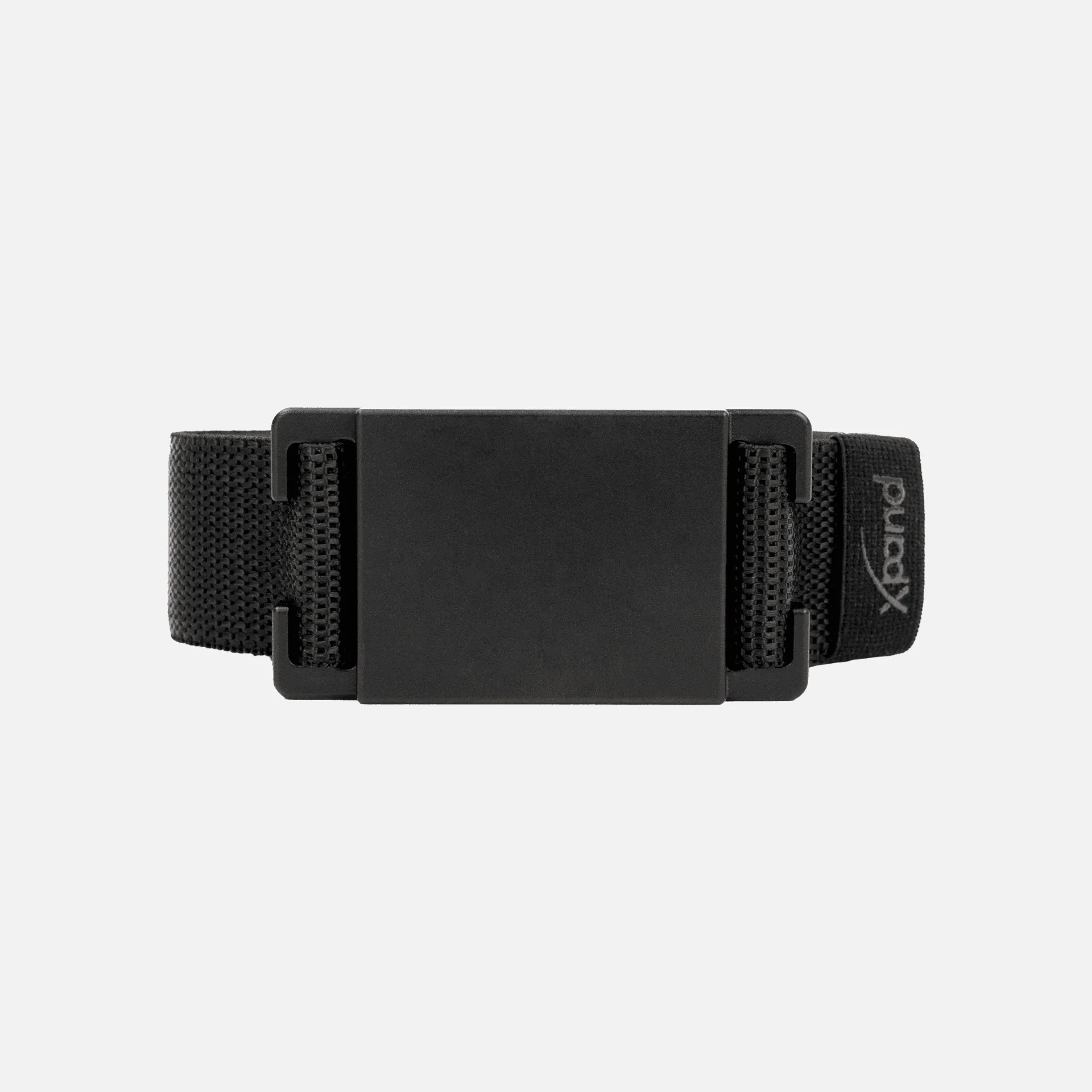
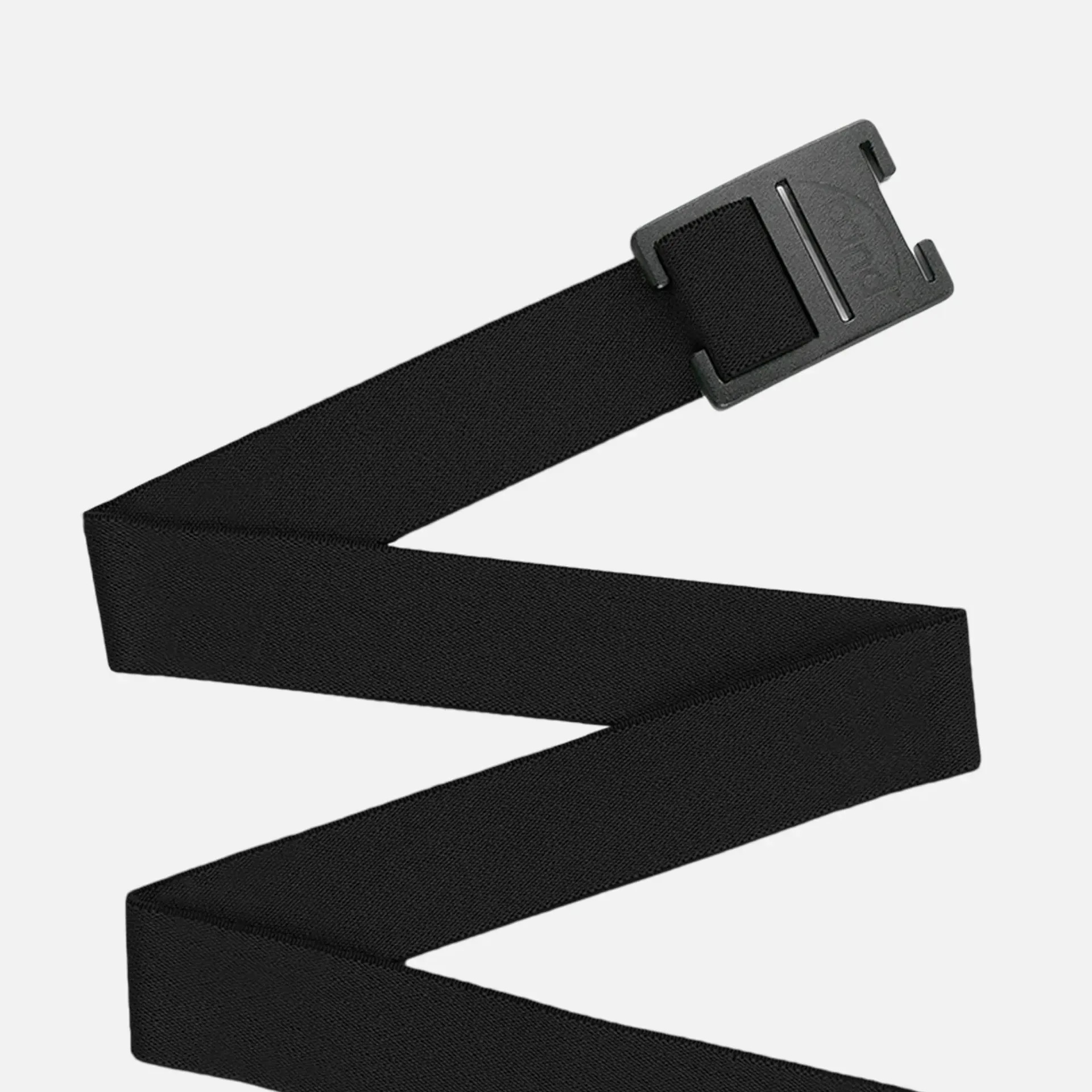
A belt serves both functional and fashion purposes. Functionally, it keeps your pants secure and comfortable. Fashionably, it can anchor your outfit, define your waist, and even complement your sneakers. An ill-fitting belt can cause bunching, slipping, or pinching, which distracts from your overall aesthetic. For streetwear enthusiasts and athletes alike, a belt that pairs seamlessly with your kicks—like the Explorer Belt Strap—can elevate your entire ensemble. Getting the size right ensures both comfort and style.
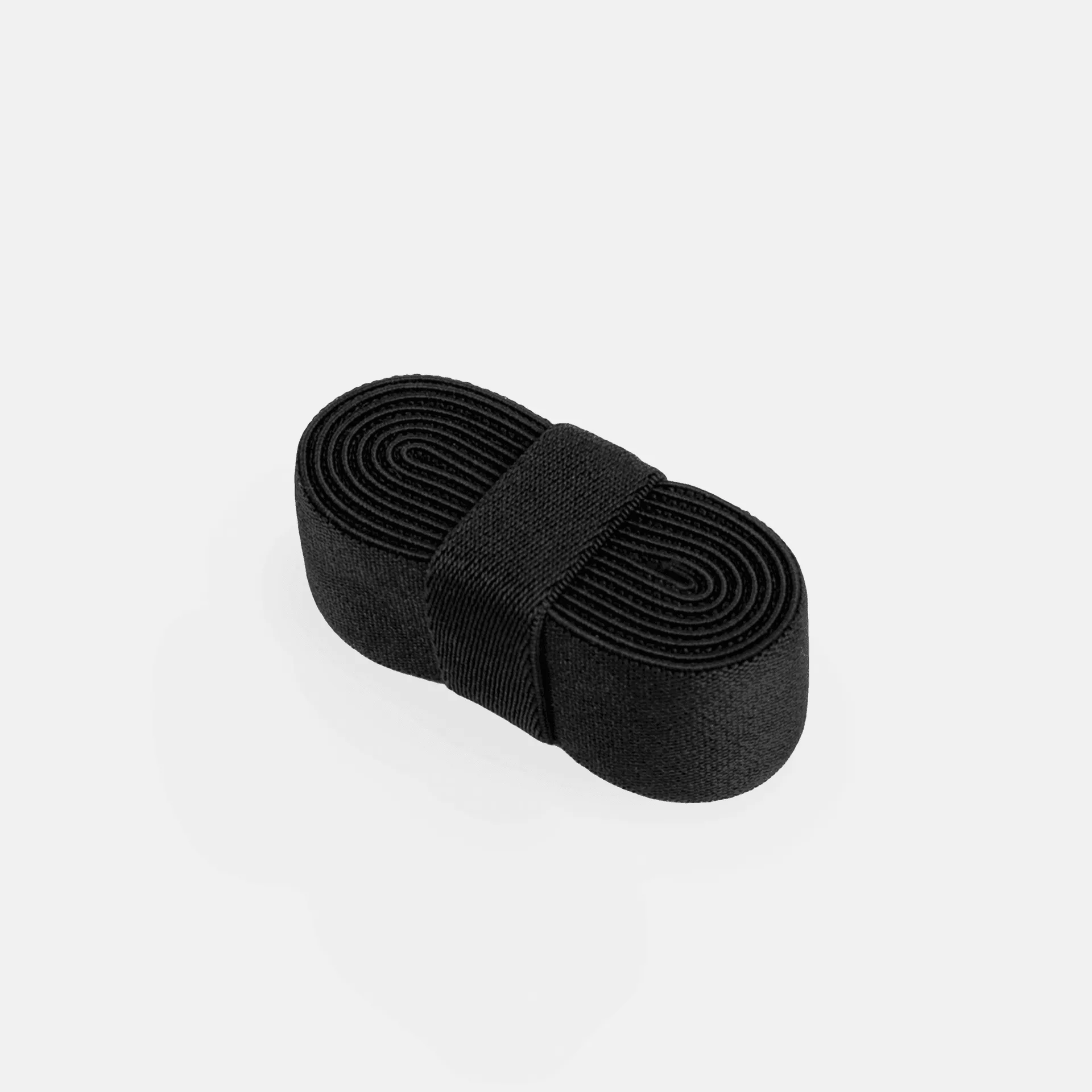
Explorer Belt Strap
How to Measure Your Belt Size: Step-by-Step
There are two reliable methods to determine your belt size: measuring an existing belt or measuring your waist. Both methods yield accurate results when done correctly.
Method 1: Measure an Existing Belt That Fits Well
- Lay the belt flat on a table or floor.
- Measure from the inside edge of the buckle (where the leather or strap material meets the buckle prong) to the hole you typically use.
- Record that measurement in inches. This is your belt size.
Pro tip: If you are between sizes, always round up to the next size. You can always add an extra hole, but you cannot make the belt longer.
Method 2: Measure Your Waist (Where You Wear the Belt)
- Use a soft measuring tape.
- Wrap it around your waist at the point where you normally wear your belt (usually just above the hip bones).
- Keep the tape snug but not tight—insert one finger between the tape and your body for a comfortable fit.
- Note the measurement. For most belt brands, you will add 2–3 inches to this number to get your belt size (since belts are measured from buckle to middle hole).
Men's Belt Size Chart (Standard Sizing)
Use the table below as a general guide. Actual sizes may vary by brand, so always check the manufacturer's recommendations.
Waist Measurement (inches)
Recommended Belt Size (inches)
28–30
32
30–32
34
32–34
36
34–36
38
36–38
40
38–40
42
40–42
44
42–44
46
Women's Belt Size Chart
Women's belts are often sized differently, usually matching the pant size or hip measurement. The table below provides a typical conversion.
Pant Size
Waist (inches)
Belt Size (inches)
0–2
24–26
28
4–6
26–28
30
8–10
28–30
32
12–14
30–32
34
16–18
32–34
36
20–22
34–36
38
Adjustable Belts: The Modern Solution for Perfect Fit
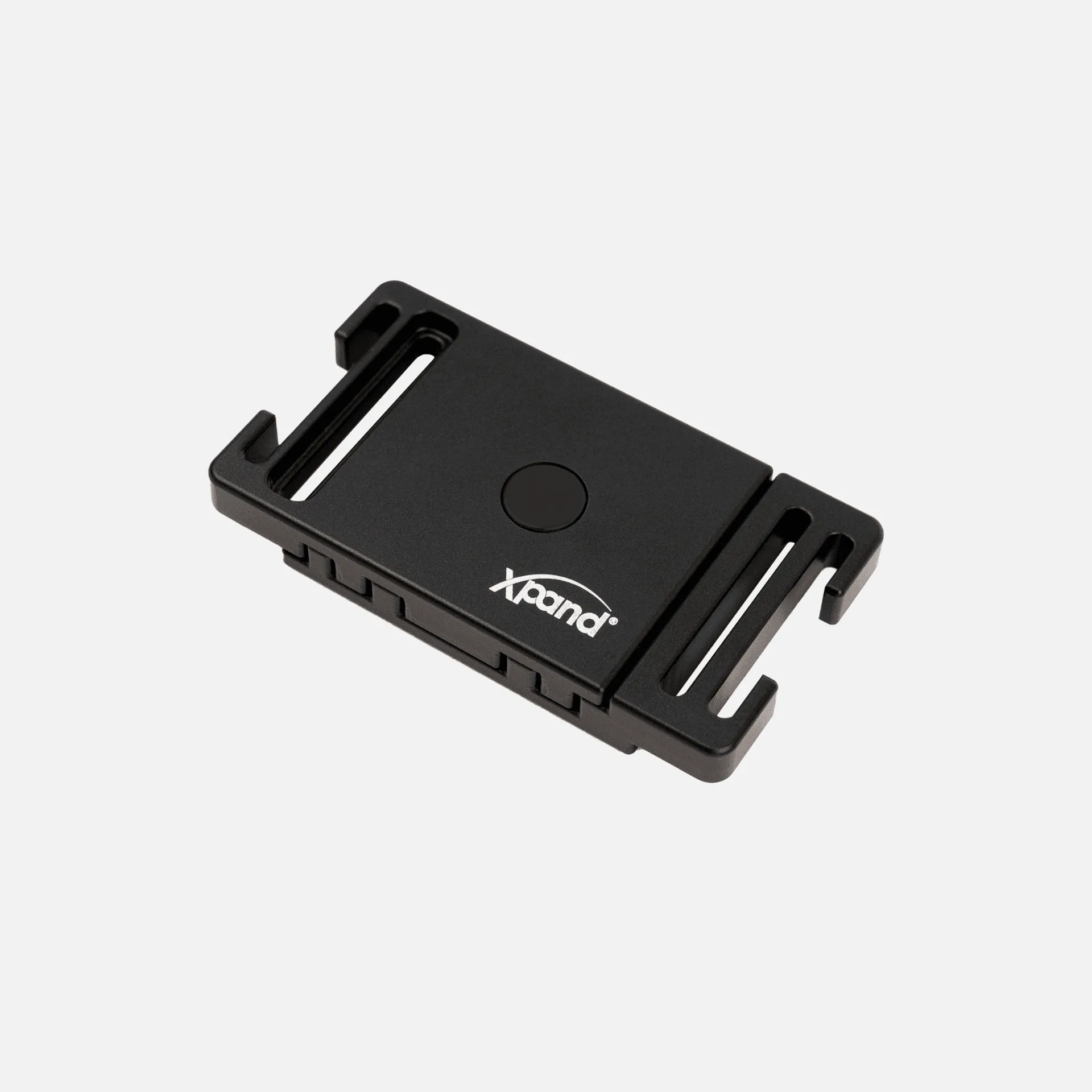
Traditional belts require punching holes, which can limit adjustability and cause wear over time. Adjustable belts, like those that use a ratchet system or a strap-and-buckle design, offer infinite micro-adjustments for a truly custom fit. This is especially beneficial for active individuals who experience waist fluctuations due to movement, hydration, or clothing layers. The Explorer Belt Strap features a sleek, durable design that pairs perfectly with both casual and athletic wear. For those who love to coordinate their belt with their sneakers, adjustable belts also make swapping buckles easy—our Aluminum Explorer Buckle is a stylish upgrade that complements any strap.
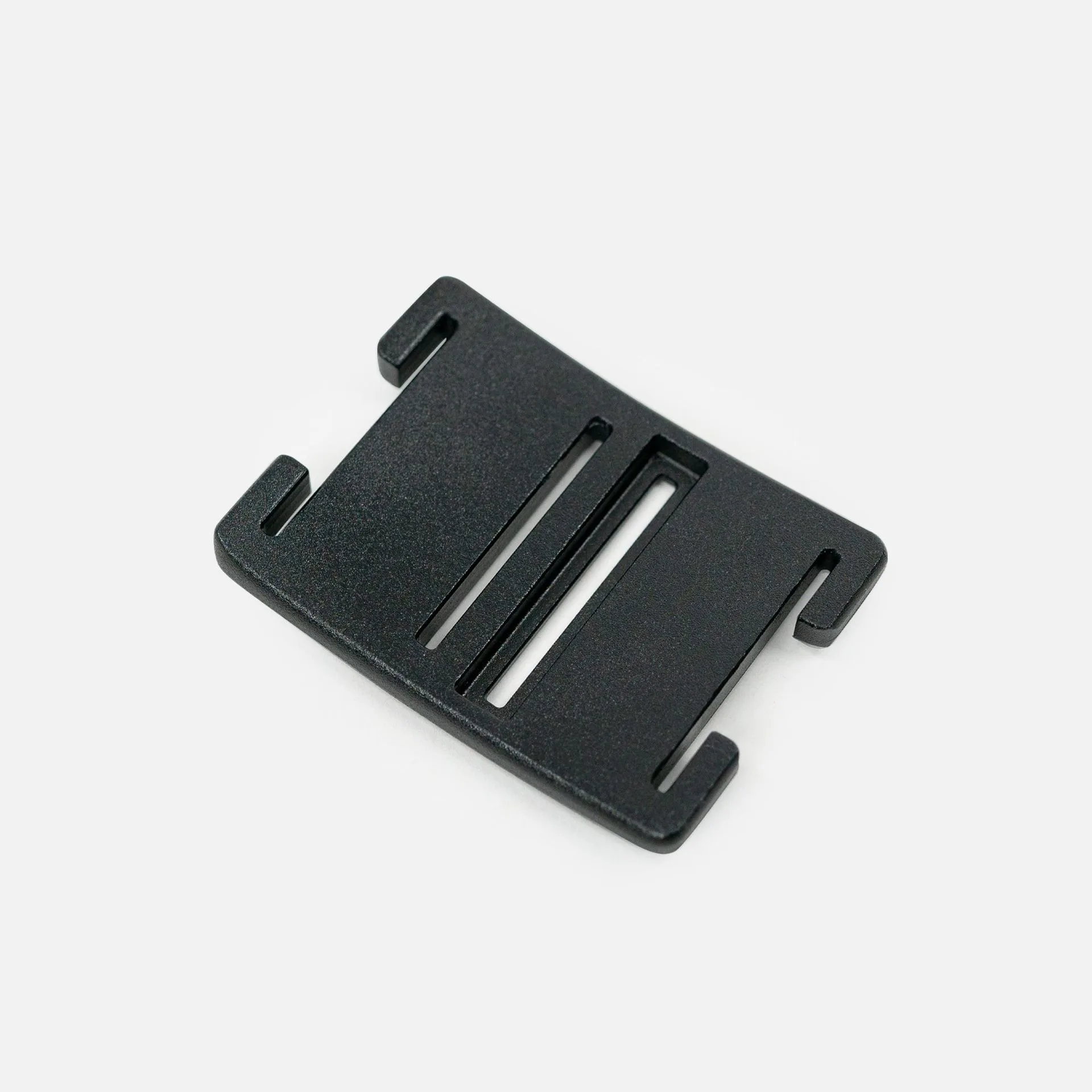
Aluminum Explorer Buckle
How to Pair Your Belt with Sneakers for a Modern Streetwear Look
Belt-and-sneaker coordination is a growing trend in streetwear fashion. The key is to match the belt's material, color, or hardware with elements in your shoes. For example, a black leather belt with a silver buckle pairs well with sneakers that have silver eyelets or accents. A canvas or nylon belt works great with sporty sneakers. If your sneakers feature a no-tie lacing system—like the Original No Tie Lacing System—a minimalist belt without a bulky buckle keeps the silhouette clean. Remember, the belt should complement, not compete with, your footwear.
Common Belt Sizing Mistakes to Avoid
- Measuring over thick clothing: Always measure over the pants you intend to wear, but not over a bulky jacket or sweater.
- Using the wrong hole: The middle hole should be your standard fit. If you always use the first or last hole, your belt size is off.
- Ignoring belt width: Belt width matters for fit through belt loops. Most dress belts are 1–1.5 inches wide; casual belts can be wider.
- Forgetting to account for buckle style: Some buckles add length, so measure from the buckle's inside edge (as described above).
Belt Care and Maintenance
Once you have the perfect fit, taking care of your belt will ensure it lasts. For leather belts, wipe them clean with a damp cloth and condition them every few months. For fabric or nylon belts, machine wash on gentle cycle or hand wash with mild soap. Avoid soaking the buckle—remove it if possible. For our adjustable belt straps, simply detach the buckle and wash the strap separately. This keeps your accessories looking fresh and ready to pair with your favorite sneakers.
Frequently Asked Questions About Belt Sizing
What if I am between belt sizes?
Always size up. You can add an extra hole with a leather punch, but you cannot lengthen a belt. Alternatively, consider an adjustable belt that offers infinite adjustability without holes.
Should my belt size match my pant size?
Not necessarily. Pant sizes often include the waistband, but belts are measured from the buckle to the middle hole. As a rule, add 2–3 inches to your pant waist size to find your belt size. For example, a size 32 pant usually requires a 34 or 36 belt.
How tight should my belt be?
You should be able to slide one finger comfortably between the belt and your waist. If you need to pull the belt tight enough to leave marks, it is too tight. If you can fit two or more fingers, it is too loose.
Can I use an adjustable belt with any pants?
Yes, adjustable belts work with any pants that have belt loops, from jeans to dress trousers. They are especially convenient for active wear because they allow quick adjustments without unbuckling.
Final Thoughts: Get the Perfect Belt Fit Today
Belt sizing does not have to be complicated. By following this guide and using the charts provided, you can confidently choose a belt that fits comfortably and looks great with your entire wardrobe—especially your sneakers. Whether you prefer a classic leather belt or a modern adjustable strap like the Explorer Belt Strap, the right size makes all the difference. Pair it with a matching Aluminum Explorer Buckle for a cohesive, stylish finish that turns heads.
Ready to upgrade your belt game? Explore our collection of belt straps and buckles at Xpand Laces. Start with the Explorer Belt Strap and discover how easy it is to achieve a perfect fit every time.