When your little one starts exploring solid foods and snacks, having the right containers can make mealtime easier and less messy. Baby snack containers and food pouches are designed to keep portions handy, prevent spills, and preserve freshness. But with so many options on the market, it can be overwhelming to pick the ones that are safe, durable, and practical for your daily routine.
This guide will walk you through the key features to look for when buying baby snack containers and food pouches. We’ll cover materials, size, portability, ease of cleaning, and how to match a container to your child’s age and eating habits. By the end, you’ll feel confident choosing a solution that fits your family’s needs without overspending.
Why Dedicated Snack Containers Matter for Babies and Toddlers
Babies and toddlers are naturally curious and messy eaters. Using regular adult containers often leads to spills, crushed snacks, or hard-to-open lids that frustrate both you and your child. Dedicated baby snack containers are designed with small hands in mind: they have easy-grip shapes, secure lids, and portion-controlled sizes that help reduce waste. Many also feature compartments to separate different foods, which is great for picky eaters or for packing a balanced snack on the go.
Another advantage is hygiene. Many baby snack containers are made from silicone or BPA-free plastic that can be sterilized or washed in the dishwasher. This is especially important when you’re packing perishable items like yogurt or fruit puree. Choosing the right container also supports self-feeding skills—your child can learn to open and close a lid, scoop out food, or drink from a pouch without constant help.
- Look for containers with two-piece lids or spouts that are easy for small fingers to manipulate.
Key Materials: Silicone, Plastic, and Stainless Steel
Silicone is a top choice for baby snack containers because it is soft, flexible, and naturally non-toxic. Silicone containers are lightweight, collapsible for storage, and won’t break if dropped. They are also microwave-safe and dishwasher-safe, making reheating and cleaning simple. However, silicone can sometimes retain odors from strong foods like garlic or curry, so regular cleaning with baking soda helps keep them fresh.
BPA-free plastic containers are widely available and often more affordable. They come in many shapes and sizes, and many are clear so you can see the contents. The trade-off is that plastic can scratch over time, which may harbor bacteria. Stainless steel containers are extremely durable and keep food cool or warm longer, but they are heavier and usually not microwave-safe. For most parents, a mix of silicone and BPA-free plastic offers the best balance of safety, convenience, and cost.
- Check that any plastic container is labeled BPA-free, phthalate-free, and preferably top-rack dishwasher safe.
Portability and Leak-Proof Design
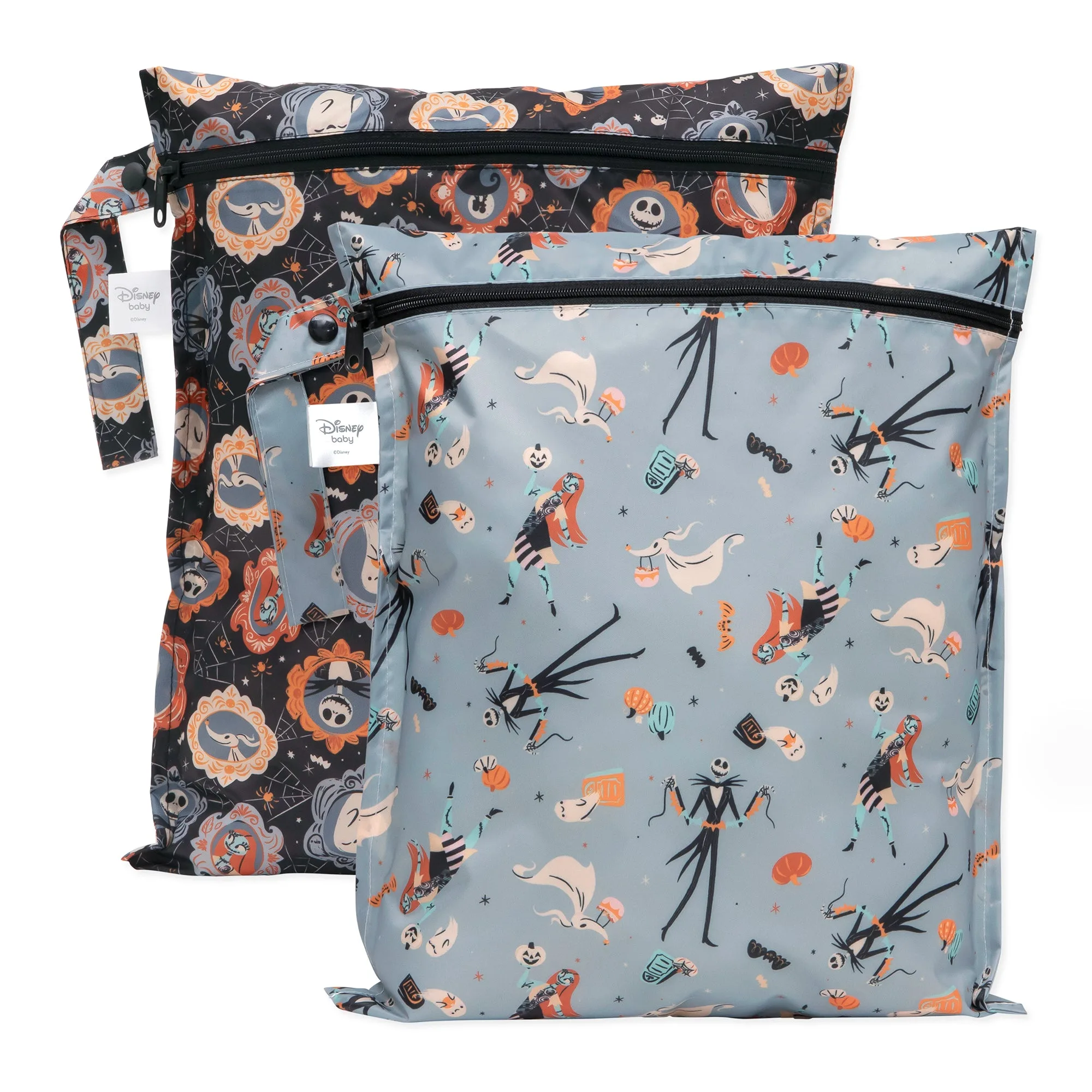
If you’re often on the go, portability is a major factor. Look for containers that are compact, lightweight, and fit easily into a diaper bag or stroller pocket. Leak-proof lids are essential for wet snacks like applesauce, yogurt, or smoothies. Many containers now feature silicone seals or snap-lock mechanisms that prevent leaks even when tossed sideways. Reusable food pouches are another portable option: they let you fill your own purees or yogurt, and they often have wide openings for easy filling and cleaning.
Consider how many compartments you need. Single-compartment containers work well for one snack, while divided containers let you pack crackers, cheese, and fruit together without mixing. For toddlers who are learning to eat independently, a small container with a screw-top lid or a pop-up spout can reduce mess. Remember that very small parts or loose lids can be a choking hazard, so always choose age-appropriate designs.
- Test the lid seal by filling the container with water and turning it upside down before your first outing.
Size, Portion Control, and Age Suitability
Baby snack containers come in sizes ranging from 2 ounces to 8 ounces or more. For babies just starting solids (around 6 months), small 2-4 ounce containers are ideal for single servings of puree or puffs. As your child grows, larger 6-8 ounce containers work well for full snacks or meals. Portion control is built into many designs: some containers have graduated markings, while others are shaped to hold a specific amount. This helps you avoid overfeeding and reduces food waste.
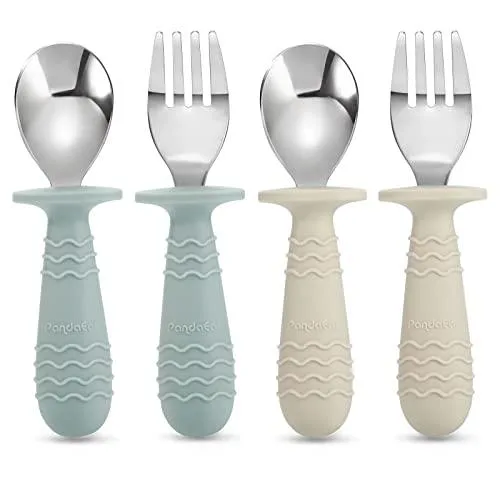
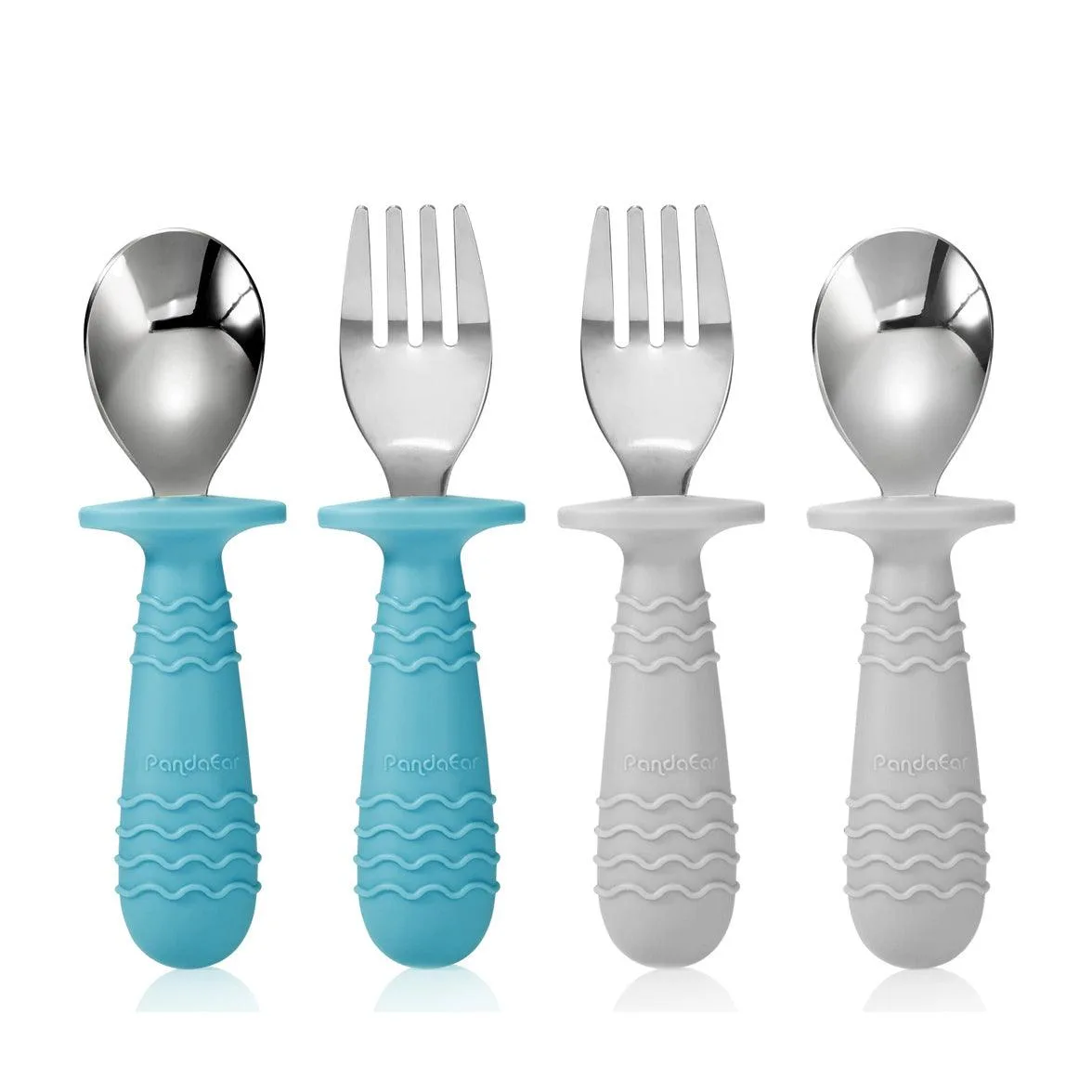
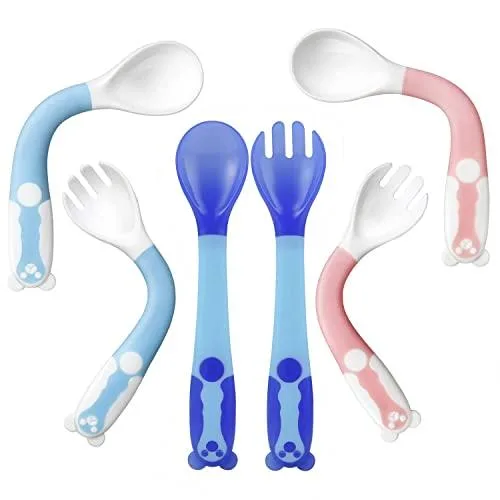
For toddlers who are more active, look for containers with handles or textured grips that make them easy to hold. Some containers are designed to fit into cup holders in strollers or car seats, which is a convenient feature for long trips. Remember that your child’s appetite will vary, so having a few different sizes on hand lets you adapt to their needs. Products like the Toddler Utensils, 6 Pack can complement snack containers by giving your child the tools to scoop soft foods independently.
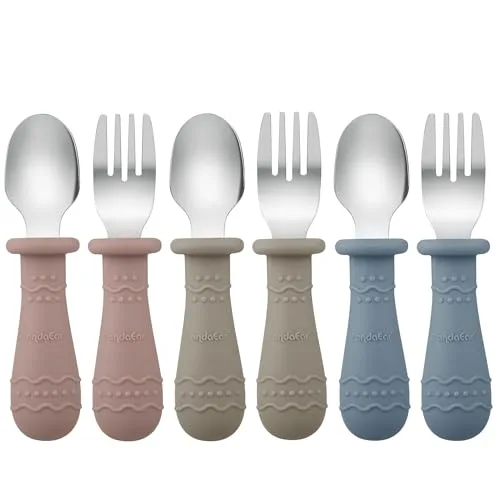
Toddler Utensils, 6 Pack
- Start with a set of 2-3 small containers and a reusable pouch to test what works best for your routine.
Cleaning and Maintenance Tips
Easy cleaning is a must for any baby product. Most silicone and plastic containers are dishwasher-safe, but check the manufacturer’s instructions. Hand washing with warm soapy water is fine for delicate items. Pay special attention to lids and seals, where food can get trapped. For reusable pouches, use a small bottle brush to clean the inside, and let them dry completely before storing to prevent mold. Avoid using abrasive scrubbers that can scratch plastic or silicone.
If you notice stains or lingering smells, soak containers in a mixture of baking soda and water for 15 minutes, then wash as usual. Silicone can be boiled for a few minutes to sanitize it. Replace any container that shows cracks, warping, or a broken seal, as these can compromise safety and leak protection. With proper care, a good set of snack containers can last through multiple stages of your child’s eating journey.
- Store containers with lids off or loosely attached to allow air circulation and prevent odors.
Top Features to Look For in a Baby Snack Container
When shopping, keep these features in mind: leak-proof design, BPA-free and food-grade materials, easy-open lids for little hands, dishwasher and microwave safety, and a size that fits your child’s portion needs. Some containers come with built-in dividers or removable inserts for versatility. Others have a wide mouth that makes filling and eating easy. For pouches, look for a resealable cap and a wide base that stands upright for storage.
If you plan to use the containers for both dry and wet snacks, ensure the lid seals tightly. For babies who are teething, silicone containers are gentle on gums. For older toddlers who are more independent, containers with a spout or straw can be fun and reduce spills. Remember that no single container does everything, so a small collection of two or three different types will cover most situations.
- Consider a set like the https://terracradle.shop/products/silicone-bibs-3-pack-120881https://terracradle.shop/products/silicone-bibs-3-pack-120882Silicone Bibs (3 Pack) to pair with your snack containers for a complete mess-management system.
Choosing the right baby snack containers and food pouches comes down to understanding your child’s age, eating habits, and your daily routine. Focus on safe materials like silicone or BPA-free plastic, look for leak-proof and portable designs, and prioritize easy cleaning. With a few well-chosen containers, you’ll make snack time simpler, less messy, and more enjoyable for both you and your little one.