A bathroom soap dispenser is one of those small details that can either elevate your daily routine or become a constant source of minor frustration. Whether you're aiming for a minimalist aesthetic or simply want something that doesn't drip or clog, choosing the right dispenser matters more than you might think. This guide will walk you through the key factors—size, material, and style—so you can pick a dispenser that works as well as it looks.
We'll also touch on how a soap dispenser fits into the bigger picture of your bathroom's design, especially if you're curating a set of minimalist bathroom accessories. By the end, you'll know exactly what to look for and how to avoid common pitfalls.
Size Matters: Matching the Dispenser to Your Counter Space and Usage
The first decision is size. A large dispenser might look elegant on a spacious vanity, but on a cramped counter it can feel overwhelming and get in the way. Measure the area where you plan to place the dispenser, including height if it will sit under a cabinet. Also think about how often you refill: a bigger container means fewer refills, which is great for a busy household, but if you like to switch scents or formulations frequently, a smaller size gives you more flexibility.
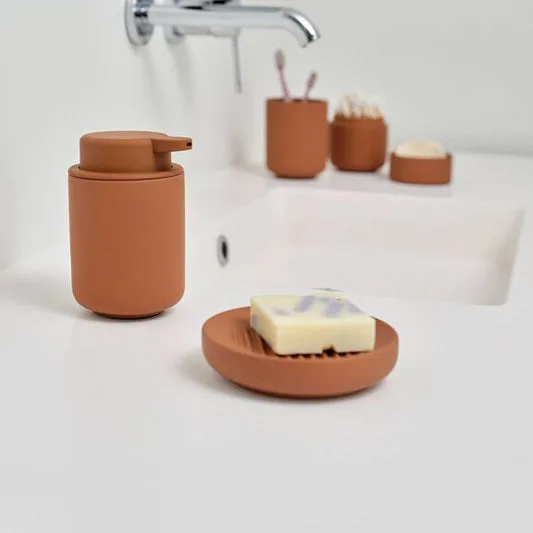
For a typical bathroom counter, a dispenser holding around 300–400 ml strikes a good balance between capacity and footprint. If you have a double vanity or a powder room with minimal counter space, consider a slimmer, taller design. The https://marketkind.shop/products/ume-soap-dispenser-118464https://marketkind.shop/products/ume-soap-dispenser-118465https://marketkind.shop/products/ume-soap-dispenser-118466https://marketkind.shop/products/ume-soap-dispenser-118467Ume Soap Dispenser is a popular choice because its compact cylindrical shape fits neatly beside the sink without dominating the area. Its 350 ml capacity is enough for a month of daily use in a single-person bathroom, and the pump is designed to dispense just the right amount of soap.
- Measure your counter depth and height clearance before buying.
- For a guest bathroom, a smaller dispenser (200–300 ml) is often sufficient and less likely to gather dust.
Material Choices: Ceramic, Glass, or Plastic?
The material of your soap dispenser affects its durability, appearance, and how it interacts with the soap itself. Plastic is lightweight and inexpensive, but it can look cheap and may degrade over time, especially with essential oils or antibacterial soaps. Glass offers a clean, modern look and is chemically inert, but it can break if knocked over. Ceramic sits somewhere in between: it feels substantial, resists scratches, and comes in a wide range of glazes and finishes.
A ceramic soap dispenser is often the best choice for a bathroom because it's easy to clean, doesn't react with soap ingredients, and adds a tactile, premium feel. The Ume Soap Dispenser, for instance, is made from high-quality ceramic with a matte finish that resists fingerprints and water spots. It's also heavy enough to stay put when you pump, which is a small but meaningful detail. If you prefer a transparent look to see when you're running low, glass is your best bet, but be prepared to handle it with care.
- Ceramic and glass are easier to keep clean than plastic, which can develop a cloudy film over time.
- Check if the pump mechanism is metal or plastic—metal pumps last longer and feel more satisfying to use.
Style and Coordination: Creating a Cohesive Bathroom Look
Your soap dispenser doesn't exist in isolation. It sits alongside your toothbrush mug, soap dish, and other countertop accessories. For a harmonious look, choose a dispenser that matches or complements the finish of your other items. If you're drawn to a minimalist aesthetic, look for clean lines, neutral colors, and matte textures. A dispenser with a brushed metal pump can tie in with chrome or matte black faucets.
Consider the Ume Toothbrush Mug as a companion piece to your soap dispenser—both are part of the Ume collection and share the same matte ceramic finish and soft curves. This kind of coordination creates a unified, intentional look without being matchy-matchy. Similarly, the Nova Soap Dish can hold a bar of soap nearby if you offer guests a choice. The key is to pick a style that feels calm and uncluttered, which is the essence of minimalist bathroom accessories.
- Stick to one or two materials (e.g., ceramic + metal) to keep the countertop from looking busy.
- If you have a dark vanity, a white or light gray dispenser will stand out; on a light counter, a darker or pastel shade adds contrast.
Pump Quality and Refill Convenience
A beautiful dispenser is useless if the pump jams or drips. Look for a pump with a sturdy spring and a tight seal. Metal pumps generally outperform plastic ones, and a pump that twists to lock can prevent leaks during travel or if you take the dispenser to the kitchen. Also consider how easy it is to refill: a wide mouth or a removable pump mechanism makes cleaning and refilling much less messy.
The Ume Soap Dispenser features a reliable pump that delivers a consistent amount of liquid soap without clogging. Its wide opening lets you refill directly from a bulk soap bottle or even pour in homemade soap without a funnel. If you prefer to buy refills in larger containers, this convenience saves time and reduces plastic waste. For a truly seamless experience, pair it with a matching Ume Step Trash Can nearby for easy disposal of empty bottles.
- Test the pump action in the store if possible—it should feel smooth and not too stiff.
- Avoid dispensers with narrow necks that are hard to clean; soap residue can build up and breed bacteria.
Choosing the right bathroom soap dispenser comes down to balancing size, material, and style with your daily habits. A well-made ceramic dispenser like the Ume Soap Dispenser offers durability, easy cleaning, and a timeless look that fits into any minimalist bathroom. Pair it with coordinating accessories from the same collection, and you'll have a countertop that feels both functional and thoughtfully designed.