Cube shelves are a versatile storage solution for kids' rooms, playrooms, and learning spaces. They combine open display with hidden organization, making it easy for children to access toys, books, and art supplies while keeping the room tidy. But with so many options—different materials, sizes, and configurations—choosing the right cube shelf can feel overwhelming.
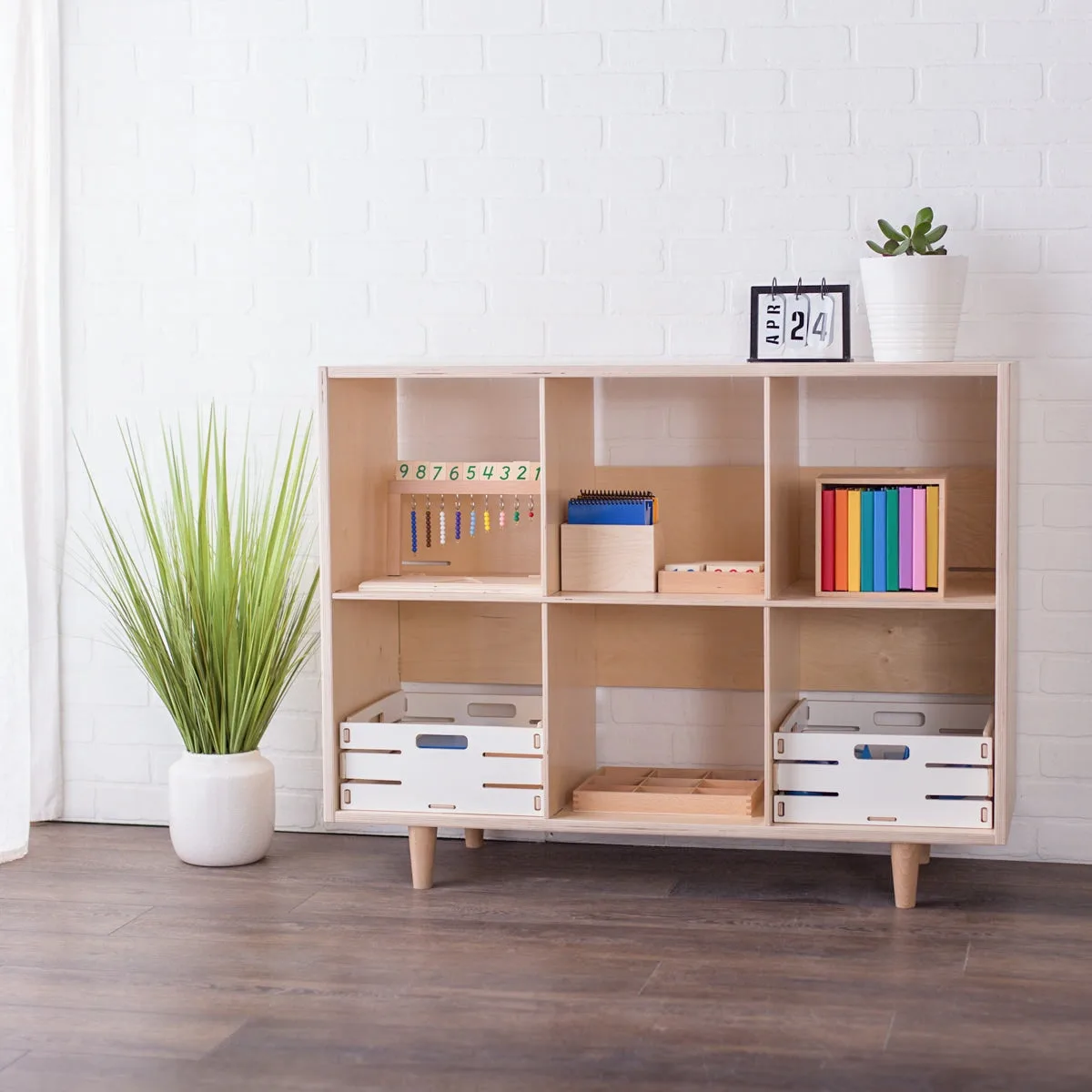
Cube shelves
This guide walks you through everything you need to know: from safety and durability to size and style. Whether you're setting up a Montessori-inspired playroom or just need practical storage for your child's growing collection, you'll find clear advice to make an informed purchase.
Why Cube Shelves Work So Well for Kids
Cube shelves are popular in kids' spaces because they offer a low, open design that encourages independence. Toddlers and preschoolers can easily see and reach items stored in lower cubes, which supports self-directed play and cleanup. The grid structure also helps you categorize toys—blocks in one bin, art supplies in another—making it simple for children to put things back where they belong.
Another advantage is flexibility. You can use cube shelves with fabric bins, woven baskets, or without any inserts for displaying books and treasures. As your child grows, the same shelf can transition from a toy organizer to a bookcase or even a room divider. Look for shelves made of sturdy materials like solid pine or birch plywood that can withstand years of use.
- Low height (typically 30-40 inches) allows kids to access items safely without climbing.
Key Factors to Consider When Buying Cube Shelves
Safety comes first. Choose a cube shelf that includes a wall-anchoring kit, especially if it's taller than 30 inches. Check that the shelf is stable and doesn't wobble when bumped. For younger children, avoid shelves with sharp corners or choose models with rounded edges.
Material matters for durability and health. Solid wood (like birch or pine) is strong and can be sanded and repainted if needed. Engineered wood such as MDF is more affordable but may not hold up as well to moisture or heavy use. If you prefer a natural look, consider shelves finished with non-toxic, water-based paints or stains.
Size and configuration should match your space and needs. A 2x2 cube shelf (four cubes) is great for a small play area, while a 3x3 or 2x4 provides more storage for larger rooms. Measure the area where you plan to place the shelf, including clearance for opening bins or baskets. Also consider the depth—deeper cubes (15-16 inches) can hold larger toys, while shallower cubes (12-13 inches) work well for books.
- Always anchor tall shelves to the wall, even if they feel stable on their own.
Cube Shelves vs. Other Kids' Storage Options
Cube shelves differ from traditional bookcases in their modular, grid-like design. Unlike standard shelves with fixed heights, cube shelves let you mix bins, baskets, and open display in each compartment. This makes them more adaptable for storing a variety of items—from chunky blocks to picture books.
Compared to toy chests or bins, cube shelves offer better visibility and organization. Children can see what's available without digging through a pile. However, cube shelves do take up more floor space than a tall, narrow bookcase. If your room is very small, a 2x2 cube shelf might be a better fit than a larger configuration.
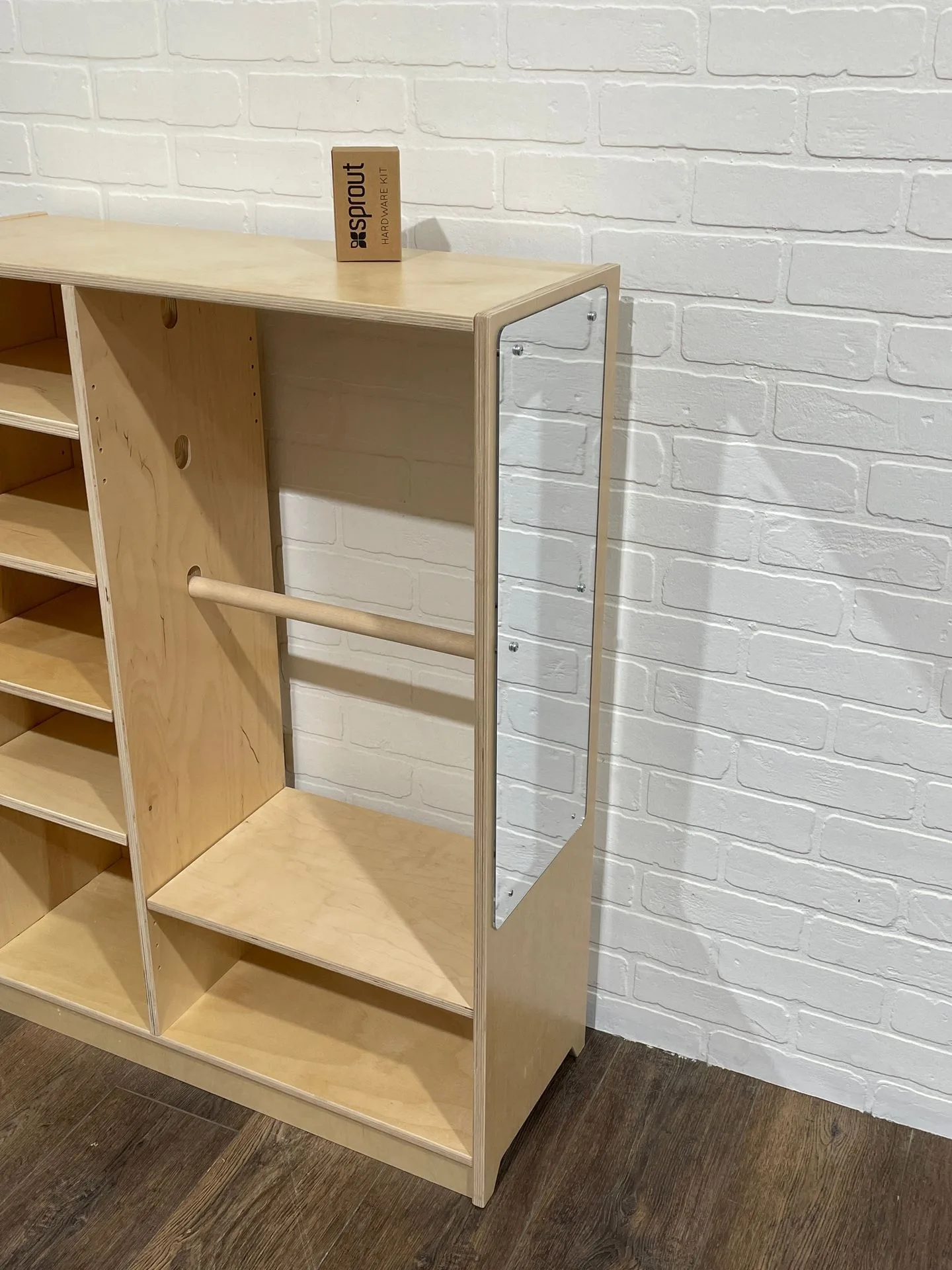
For Montessori-inspired spaces, cube shelves are often preferred because they allow for orderly display of materials. Pair them with a few storage cubes or baskets to keep smaller items contained. The Sprout Kids collection includes options like the Cube Shelf and the Value-Grade Montessori Shelving, which are designed with child-friendly proportions and natural finishes.
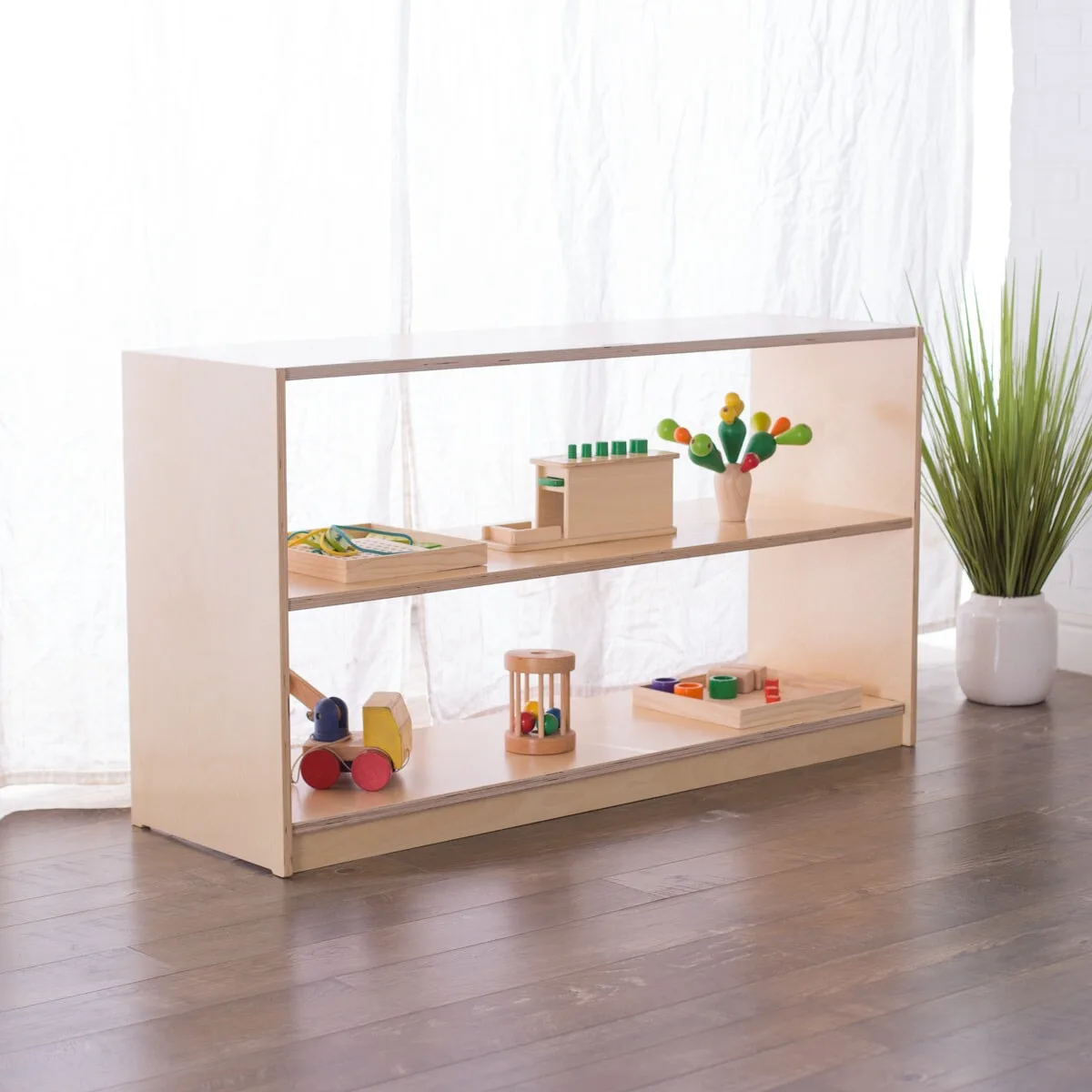
Value-Grade Montessori Shelving
- Use cube shelves with a mix of open cubes and bins to reduce visual clutter while keeping items accessible.
Styling Tips for Playroom and Bedroom Cube Shelves
Keep the bottom cubes open for toys your child uses daily, and reserve higher cubes for less frequently used items or decorative objects. Use labeled bins or baskets to group similar items—like art supplies, building blocks, or puzzles. This helps children learn to sort and return items to the right spot.
For a cohesive look, choose bins in neutral colors or soft pastels that complement the room. You can also use cube shelves to display books with covers facing out, which encourages reading. Add a small plant or a framed photo on top to personalize the space.
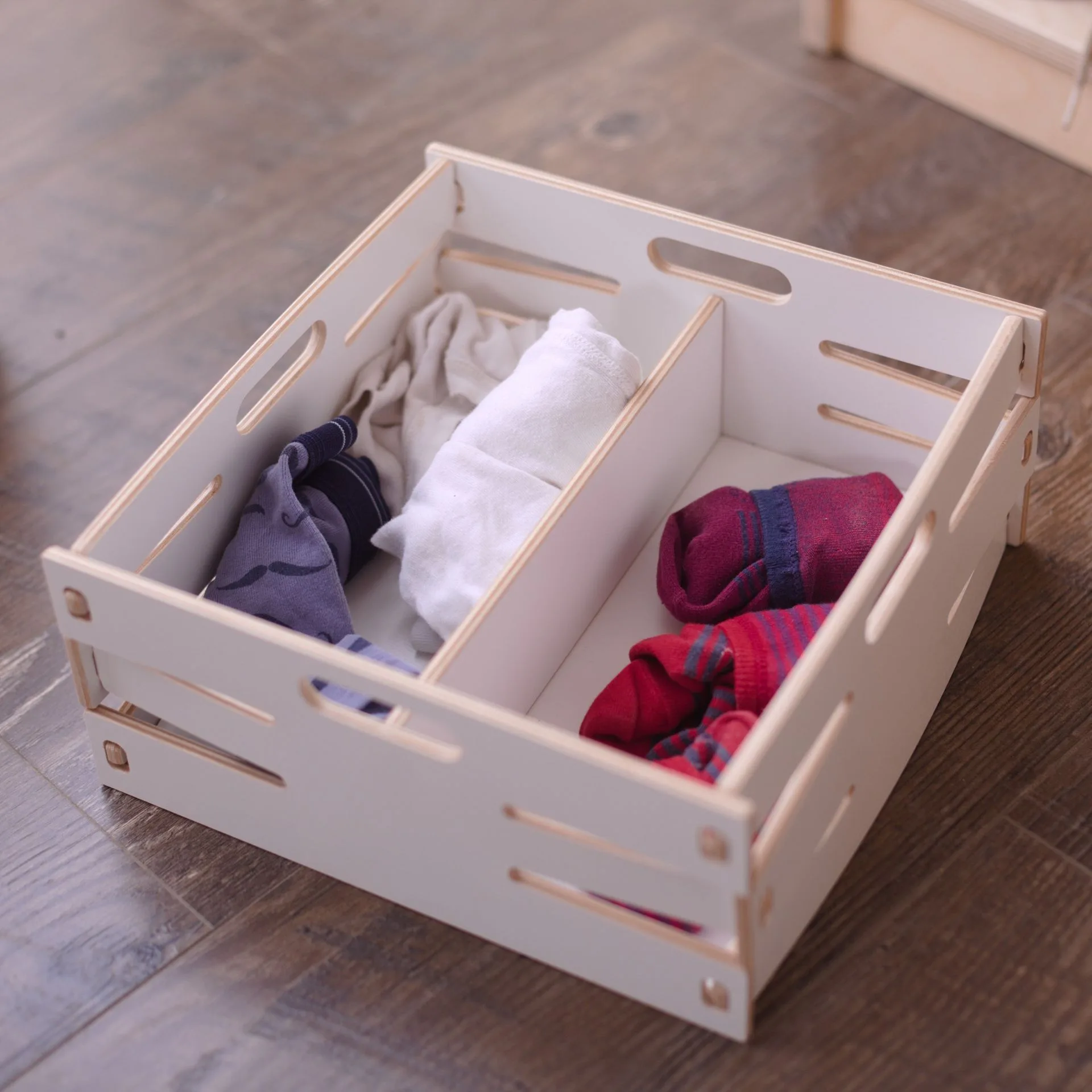
If you're using the shelf in a shared room, consider assigning each child their own set of cubes. This teaches responsibility and reduces arguments over toys. The Coat Cubby and other modular pieces from Sprout Kids can be combined with cube shelves to create a complete organizational system.
- Rotate toys seasonally: store off-season items in bins on higher cubes to keep the shelf fresh and engaging.
Top Cube Shelf Recommendations from Sprout Kids
Sprout Kids offers several cube shelf options that balance durability, safety, and style. The Cube Shelf is a classic choice, available in natural birch or painted finishes, with a sturdy build that can hold heavy books and bins. It comes in multiple sizes, including a 2x2 and 3x3 configuration.
For a more budget-friendly option, the Value-Grade Montessori Shelving provides the same open concept at a lower price point. It's made from solid pine and finished with non-toxic materials, making it a great choice for families who want quality without the premium cost. Both shelves include wall-anchoring hardware for safety.
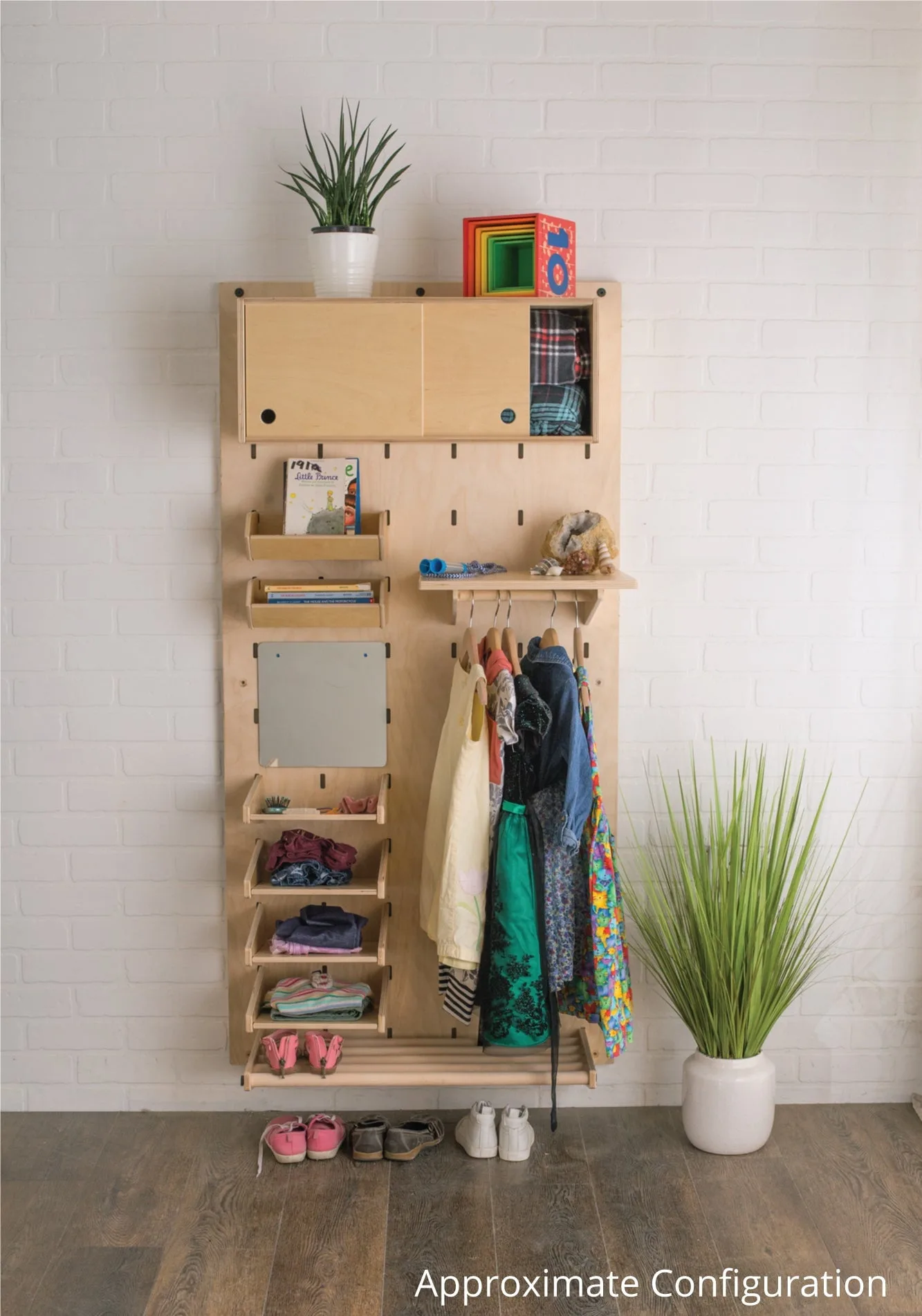
If you need a multi-functional piece, consider the MakerWall Cabinet with Sliding Doors. While not a traditional cube shelf, its modular design allows you to customize storage with cubes, shelves, and bins. This is ideal for playrooms that double as homework spaces, as it can store both toys and school supplies.
- Measure your cube openings before buying bins to ensure a snug fit—standard 13-inch cubes fit most 13-inch cube baskets.
Cube shelves are a smart, long-lasting investment for any kids' space. By focusing on safety, material, size, and styling, you can find the perfect cube shelf that grows with your child and keeps their room organized. Whether you choose a simple 2x2 or a larger configuration, the right cube shelf will make daily cleanup easier and encourage independent play.