The https://wildernessworks.shop/products/us-army-p-38-can-opener-99173US Army P-38 can opener is one of the most iconic and practical pieces of WWII field gear. Small enough to fit on a keychain and simple enough to use without instructions, this little tool opened millions of C-ration cans from Normandy to the Pacific. Today, it remains a staple for reenactors, collectors, and outdoor enthusiasts who value authentic field gear.
But not every P-38 you find online is the real deal. Reproductions flood the market, and knowing the difference between an original WWII-issue opener and a modern copy can save you money and improve the authenticity of your impression. This guide covers what to look for, how to test functionality, and how to choose the best P-38 for your needs.
What Is a P-38 Can Opener?
The P-38 is a small, stamped steel can opener issued to U.S. soldiers from WWII through the Vietnam era. Its name comes from the 38 punctures it takes to open a standard C-ration can. The tool features a short cutting blade, a pivot point, and a small hook that grips the can rim. Despite its simple design, it is remarkably effective and durable.
Original WWII P-38s were typically stamped with a manufacturer code and sometimes a date. Common markings include "US" along with a two-letter code like "AC" (American Can Company) or "J" (J.W. Speaker). The steel was usually parkerized or left with a plain gray finish. Later versions may have a black oxide coating, but the WWII-era examples are generally uncoated or lightly parkerized.
- Look for crisp stampings — worn or shallow markings may indicate reproduction or heavy wear.
- Original P-38s are slightly thinner than many modern reproductions; check thickness with calipers if possible.
Original vs. Reproduction P-38: Key Differences
The most reliable way to distinguish an original WWII P-38 from a reproduction is the finish and stamping. Original openers have a matte gray parkerized finish or bare steel that may show light surface rust. Reproductions often have a shiny zinc or chrome plating, which never appeared on issue openers. Also, original stampings are deep and uniform, while reproductions may have laser-etched or shallow markings.
Another clue is the pivot rivet. Original P-38s use a small, flat rivet that is nearly flush with the steel. Many reproductions use a domed rivet or a screw, which is incorrect. The cutting edge on an original is sharp but not razor-fine; it was designed to cut through tin, not slice fingers. If the blade feels overly sharp or brittle, it may be a modern copy made from inferior steel.
- Carry a known original P-38 as a reference when shopping at militaria shows or online.
- Avoid any P-38 with a bright, reflective finish — it's almost certainly a reproduction.
How to Use a P-38 in the Field
Using a P-38 is straightforward once you get the hang of it. First, flip the small cutting blade up until it locks at a 90-degree angle. Place the hook under the rim of the can, then press the blade through the lid. Rock the opener forward and backward while moving it around the can's perimeter. After about 38 punctures, the lid will lift off cleanly.
The P-38 works best with standard C-ration cans or modern tins of similar thickness. It struggles with thicker cans like those used for some soups or pet food. Always wash the opener after use, especially if you've been opening acidic foods like tomatoes. A quick rinse and dry will prevent rust and keep the tool ready for the next meal.
- Attach your P-38 to a dog tag chain or key ring so it's always handy.
- Practice on an empty can before using it on your actual rations.
Choosing the Right P-38 for Your Impression
For a WWII reenactment impression, an original P-38 is the gold standard. It adds authenticity to your kit and is a great conversation piece. You can find originals at militaria shows, online auctions, or through specialist dealers. Prices range from $5 to $15 for a single opener, depending on condition and rarity of the manufacturer mark.
If you plan to use the opener regularly for camping or hiking, a reproduction may be more practical. Many modern reproductions are made from stainless steel, which resists rust better than original carbon steel. However, they lack the historical markings and finish. For a balance of authenticity and utility, consider carrying an original for display and a modern copy for actual field use.
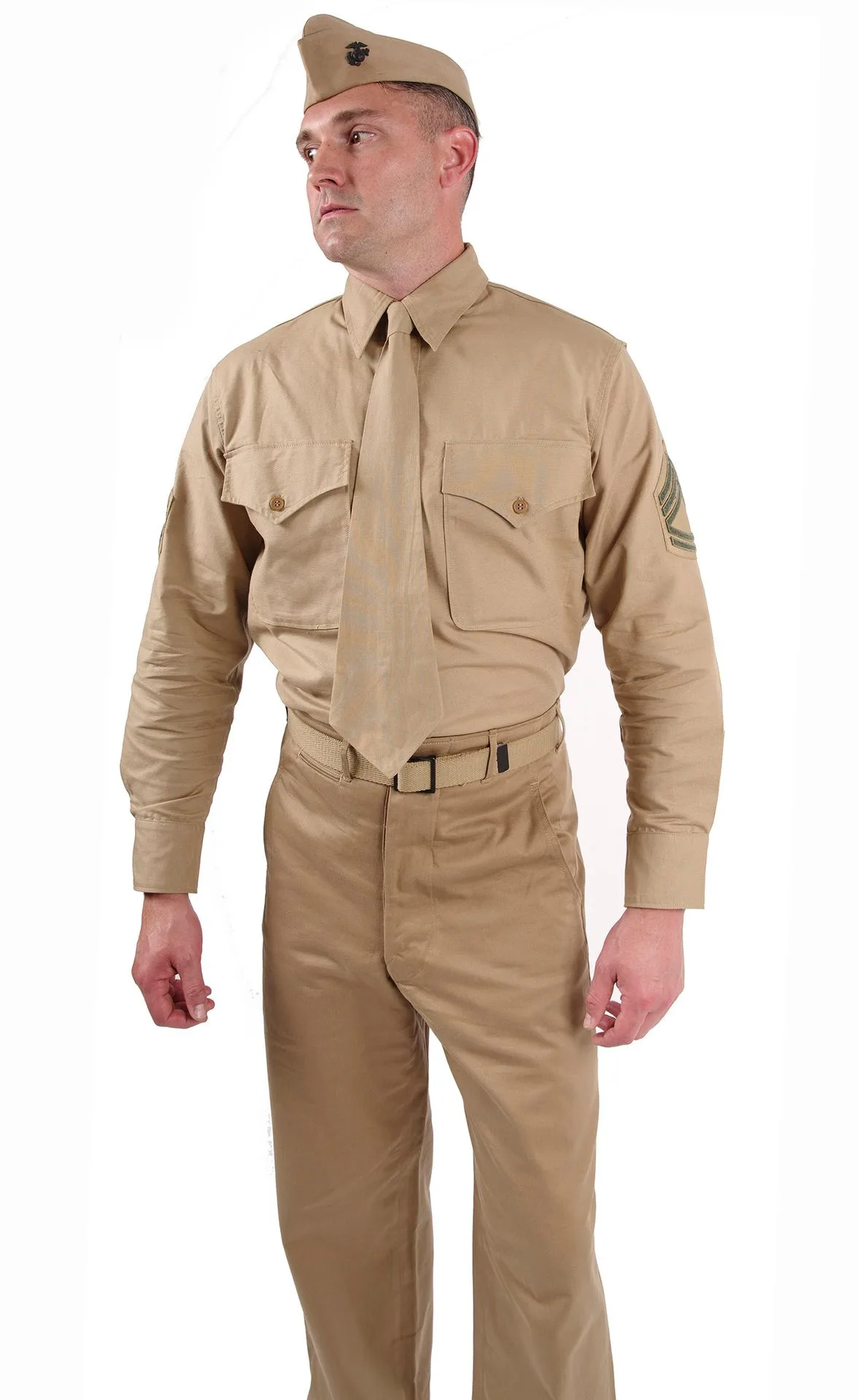
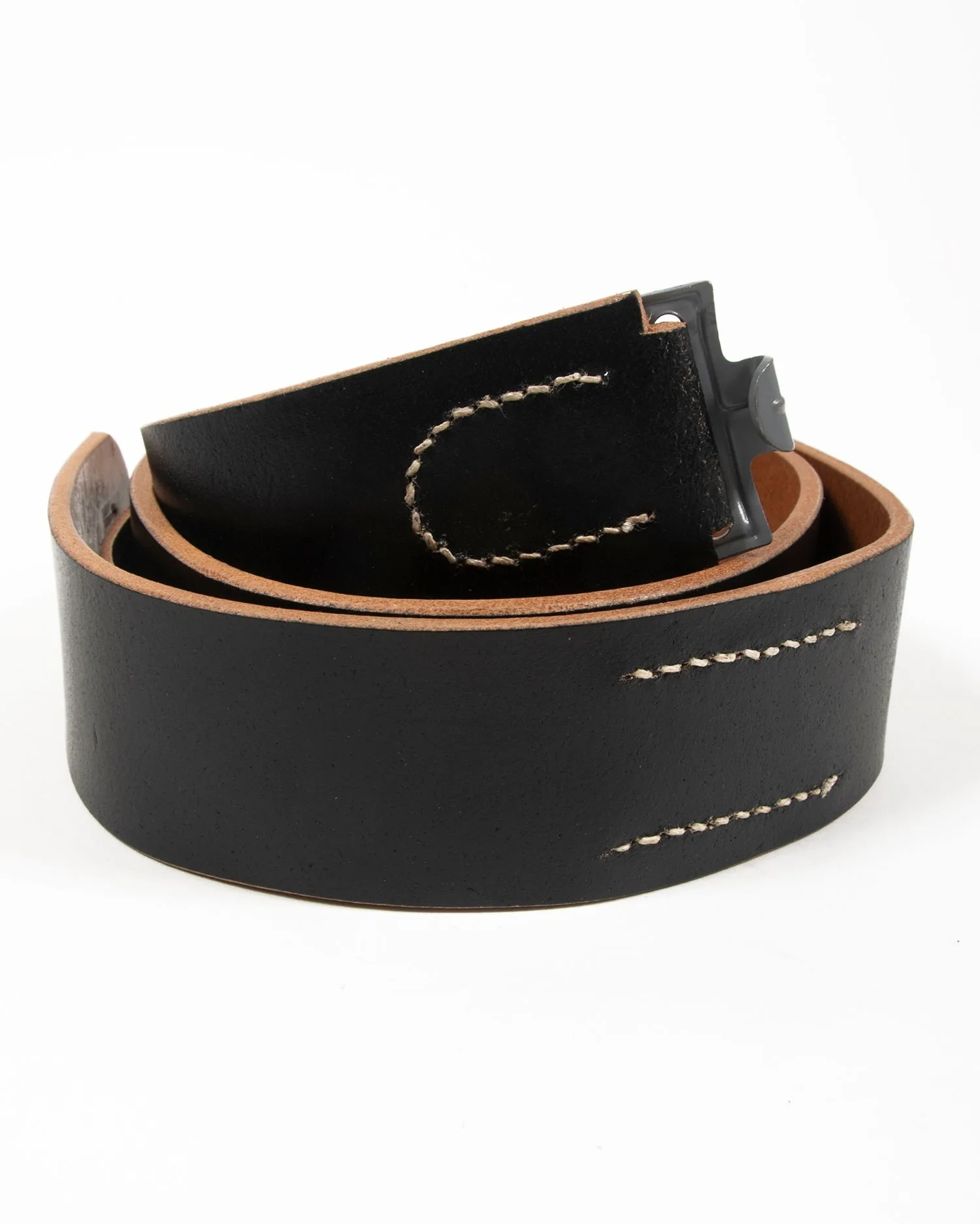
The US Army P-38 can opener is a small item that carries big history. Whether you choose an original or a reproduction, knowing what you're buying ensures you get the right tool for your impression. Pair it with other essential field gear like the Standard EM Black Belt or a https://wildernessworks.shop/products/marine-khaki-shirt-99259Marine Khaki Shirt for a complete, accurate look.
- Check the manufacturer code — common WWII codes include AC, J, and US.
- If buying online, ask for clear photos of the stamping and the pivot rivet.
The P-38 can opener is a tiny but essential piece of WWII field gear that every reenactor and collector should understand. By learning to spot authentic examples, using the tool correctly, and choosing the right version for your needs, you add both history and function to your kit. Whether you're building a full impression or just want a reliable ration opener, the P-38 delivers simplicity and durability that has stood the test of time.