As a new parent, you want to give your baby the best nutrition without spending hours in the kitchen every day. That is where baby food freezer trays come in. These simple tools let you prepare large batches of purees, store them in portion-sized cubes, and thaw only what you need for each meal. This method saves time, reduces food waste, and ensures your baby always has a healthy, homemade option on hand.
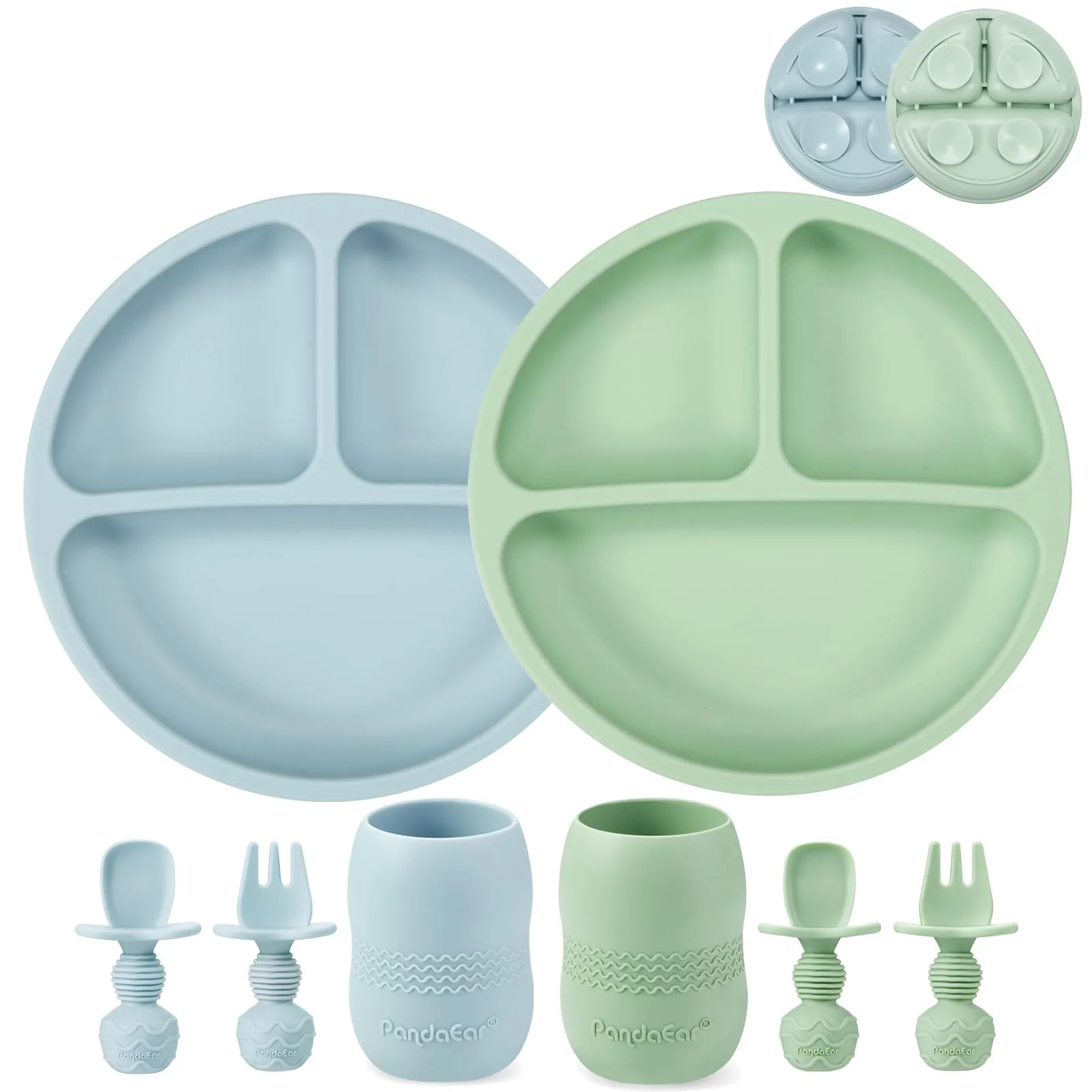
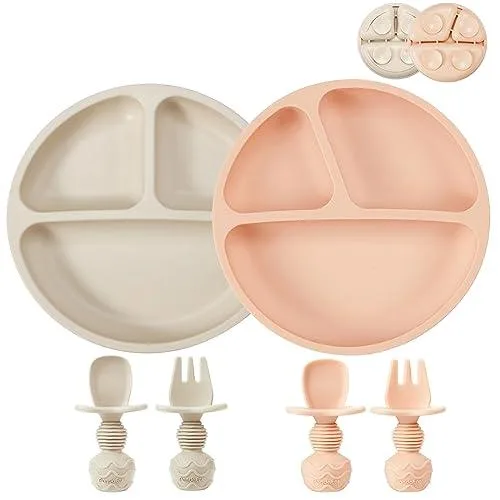
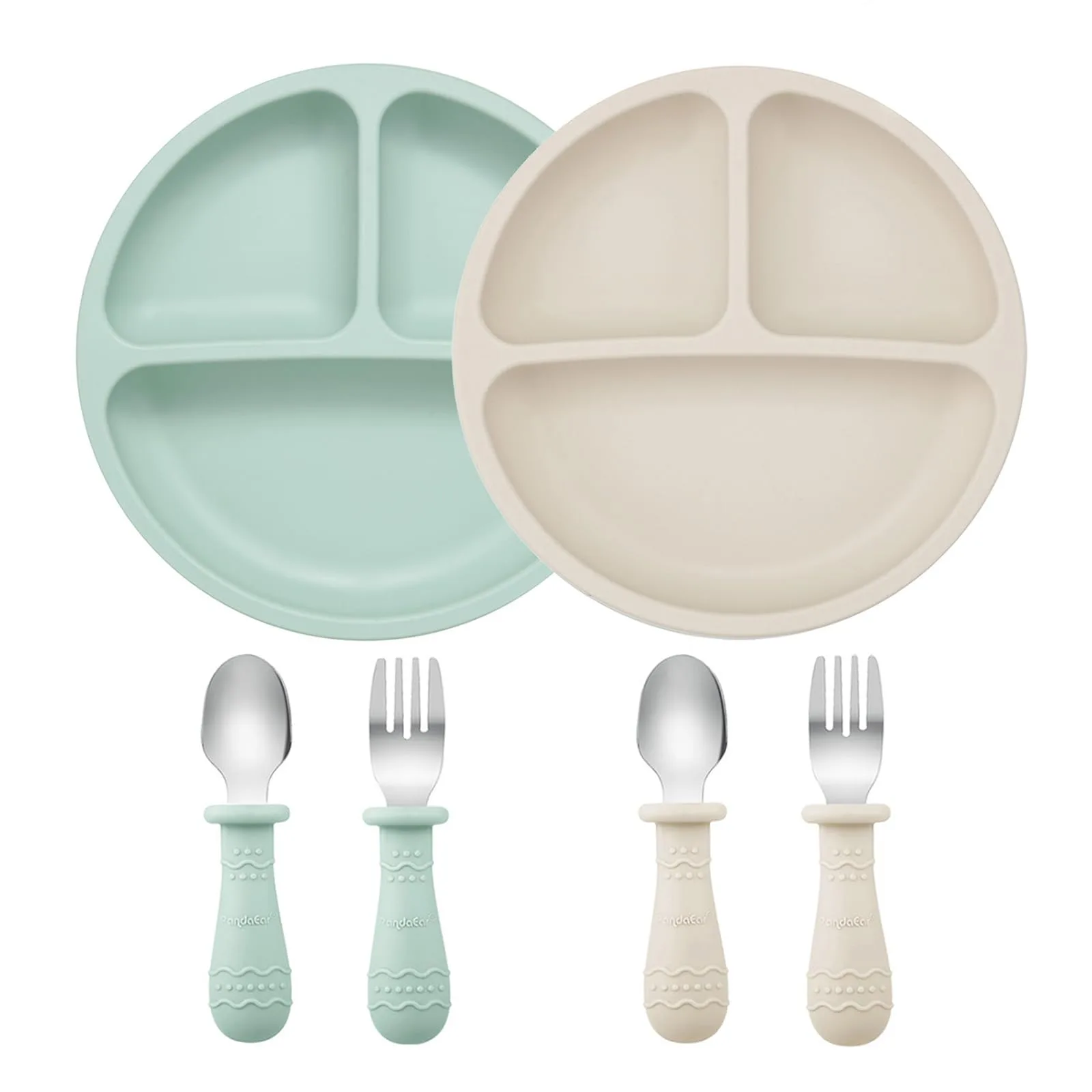
In this guide, we will walk you through everything you need to know about baby food freezer trays: how to choose the right ones, how to batch cook safely, and how to store and thaw baby food for maximum freshness. We will also highlight a few PandaEar products that make meal prep even easier, such as the https://terracradle.shop/products/feeding-set-2-pack-120912https://terracradle.shop/products/feeding-set-120851https://terracradle.shop/products/feeding-set-120896Feeding Set (2 Pack) and the Silicone Bento Box (Pink).
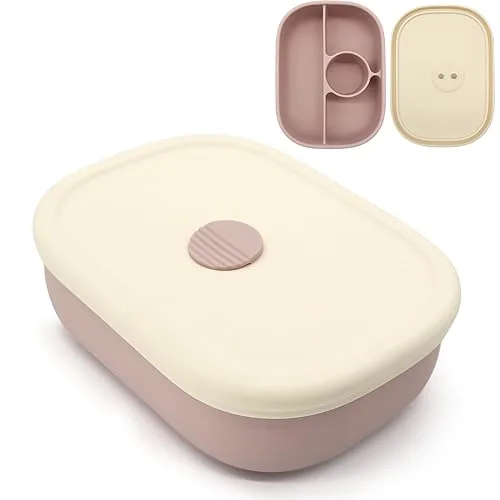
Silicone Bento Box (Pink)
Why Use Baby Food Freezer Trays?
Baby food freezer trays are specially designed containers that allow you to freeze purees in individual portions. Unlike regular ice cube trays, these trays are made from food-grade silicone or BPA-free plastic, making them safe for freezing and reheating. The small compartments typically hold one to two ounces each, which is the perfect serving size for a baby just starting solids.
Batch cooking with freezer trays offers several advantages. First, it saves time: you can spend one afternoon a week preparing a variety of purees and have meals ready for the entire week. Second, it reduces food waste because you only thaw what you need. Third, it gives you control over ingredients, allowing you to avoid added sugars, preservatives, and artificial flavors found in many store-bought baby foods.
- Portion control: each cube is a perfect single serving for your baby.
- Variety: prepare several different purees at once and mix them later for new flavors.
- Convenience: pop out a cube in the morning and thaw it by lunchtime.
How to Choose the Best Baby Food Freezer Trays
When selecting freezer trays for baby food, look for trays made from 100% food-grade silicone. Silicone is flexible, non-toxic, and easy to release frozen cubes. It also withstands temperature changes from freezer to microwave without cracking. Avoid trays with small parts or lids that could become choking hazards. A tray with a tight-fitting lid is ideal because it prevents freezer burn and keeps odors from other foods away from your baby's meals.
Another feature to consider is the size of the compartments. Trays with one-ounce cavities are great for younger babies who eat small amounts, while two-ounce compartments work well for older infants. Some trays come with a pouring spout or a soft cover for easy stacking. If you plan to store purees for longer than a month, look for trays that are also freezer-safe for up to three months.
- Material: 100% food-grade silicone is the safest and most durable.
- Lid: a tight-fitting lid protects purees from freezer burn.
- Portion size: choose 1-ounce or 2-ounce compartments based on your baby's age and appetite.
Step-by-Step Guide to Batch Cooking Baby Food
Batch cooking baby food is simple once you have the right tools. Start by selecting fresh fruits and vegetables that are in season. Wash, peel, and chop them into small pieces. Steam or roast the produce until tender, then puree in a blender or food processor until smooth. For thicker purees, add a little water, breast milk, or formula to reach the desired consistency.
Let the puree cool completely before pouring it into your freezer trays. Fill each compartment to the top, but leave a small gap to allow for expansion during freezing. Place the tray in the freezer and leave it undisturbed for at least four hours or until the cubes are solid. Once frozen, pop the cubes out and transfer them to a labeled freezer bag or airtight container for long-term storage.
- Choose seasonal produce for maximum flavor and nutrition.
- Cool puree completely before freezing to prevent ice crystals.
- Label each bag with the date and type of puree for easy identification.
Storage and Thawing Tips for Baby Food
Proper storage is key to maintaining the quality and safety of homemade baby food. Frozen purees can be stored for up to three months in a standard freezer, but they are best used within one month for optimal taste and nutrient retention. Always use airtight containers or freezer bags to prevent freezer burn and absorption of odors from other foods.
When it is time to serve, thaw a cube in the refrigerator overnight, or place it in a sealed container and submerge it in warm water for a quick thaw. You can also microwave the cube on low power for 10 to 15 seconds, but be sure to stir thoroughly and test the temperature before feeding. Never refreeze a thawed cube, and discard any uneaten portion after a meal to prevent bacterial growth.
- Thaw in the refrigerator for 8-12 hours or in warm water for 10-15 minutes.
- Do not microwave in plastic containers unless they are labeled microwave-safe.
- Use thawed puree within 24 hours and do not refreeze.
Recommended PandaEar Products for Baby Meal Prep
For parents who want to keep their baby's feeding area safe and clean, the Child Safety Proofing Kit 62 Pcs Set offers cabinet locks, corner guards, and outlet covers to protect curious little explorers. While not directly related to food storage, a baby-proofed kitchen makes meal prep safer and more relaxing for you.
Batch cooking baby food using freezer trays is a game-changer for busy parents. It saves time, reduces waste, and gives you peace of mind knowing exactly what your baby is eating. Start with a few simple recipes, invest in quality freezer trays, and pair them with PandaEar products like the Feeding Set (2 Pack) to streamline your routine. Your baby will enjoy fresh, homemade meals, and you will enjoy more free time. Explore the full collection of baby feeding essentials at PandaEar to find everything you need for happy, healthy mealtimes.