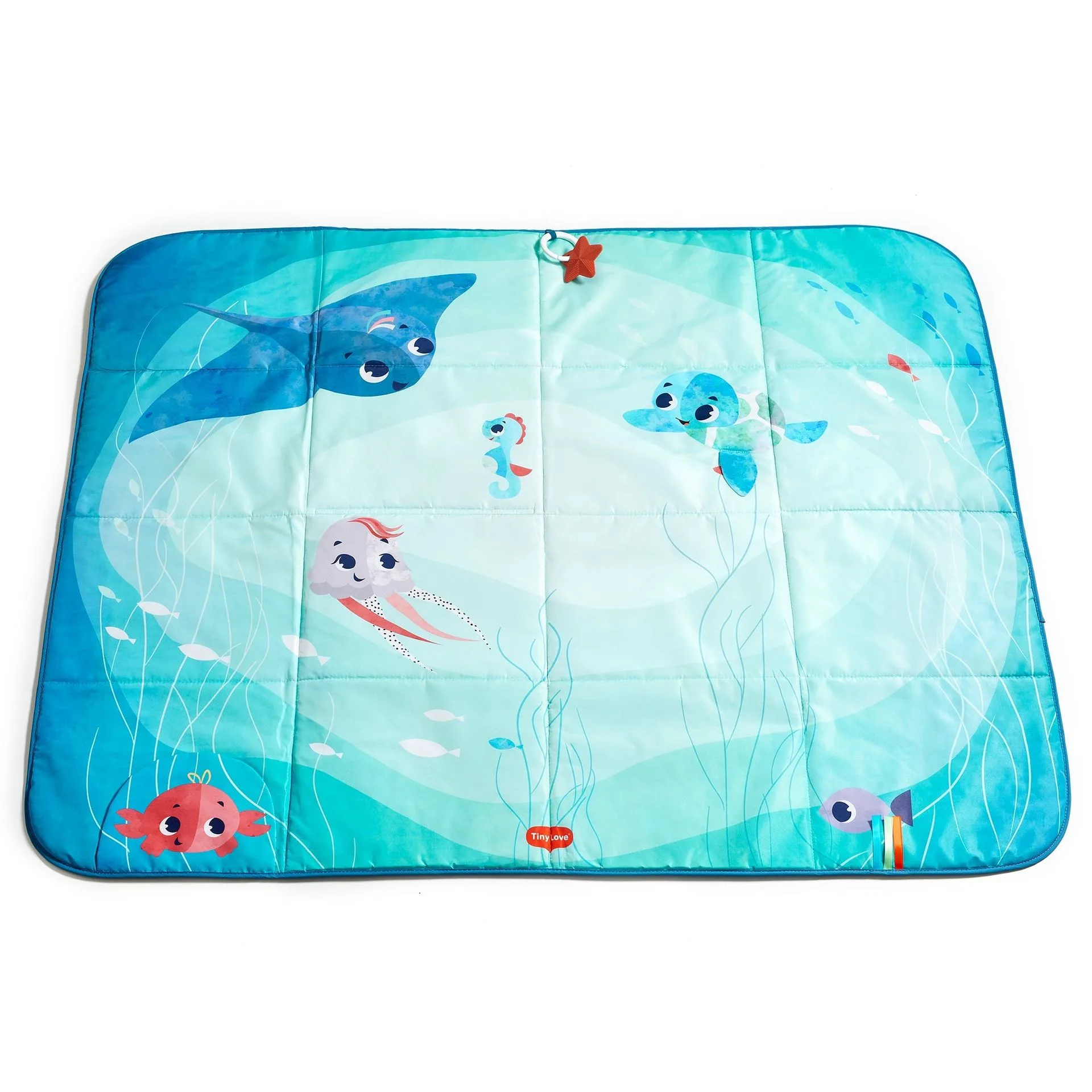
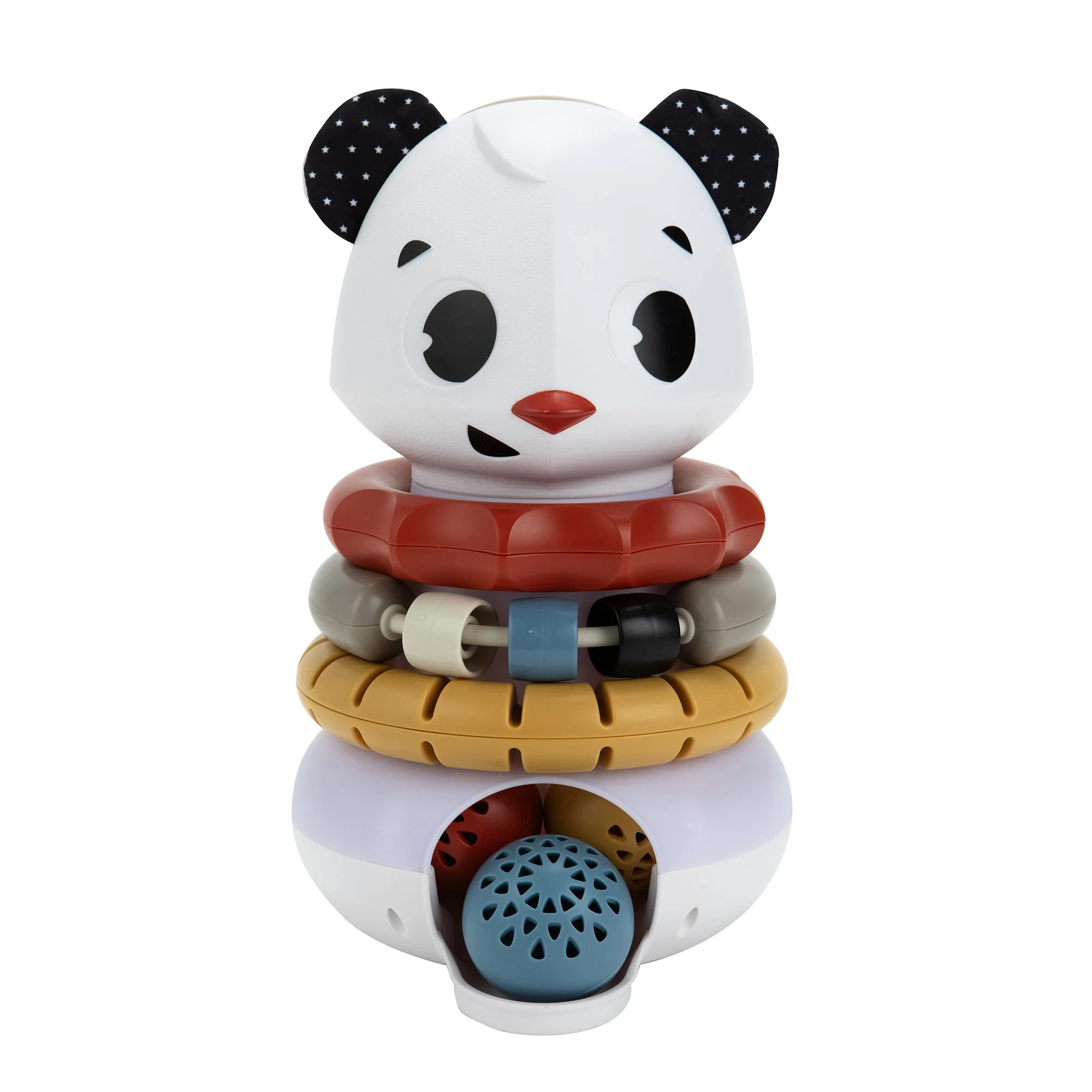
Baby gyminis are versatile developmental toys designed to grow with your child from the newborn stage through active tummy time play. Unlike flat play mats, gyminis feature an overhead arch or canopy with dangling toys that encourage reaching, batting, and visual tracking. This guide explains how a developmental gymini supports key milestones and helps you choose the best gymini for your baby's needs.
Whether you're looking for a newborn gymini to stimulate early senses or a tummy time gymini to build strength, understanding the features and benefits will make your decision easier. We'll cover what to look for, how to use a gymini at each stage, and how it compares to other play mats.
What Is a Baby Gymini and How Does It Differ from a Play Mat?
A baby gymini is a structured play mat with an overhead arch that holds toys, mirrors, or other sensory elements. The arch is designed to be within your baby's line of sight and reach, promoting visual tracking, hand-eye coordination, and motor skills. In contrast, a standard play mat is a flat surface without an overhead component, which limits opportunities for reaching and batting. The gymini vs playmat debate often comes down to the stage of development: gyminis are more engaging for newborns and early tummy time, while flat mats work well for older babies who roll and crawl.
Gyminis typically come with detachable toys that can be repositioned or swapped out. Some models, like the Tiny Bugs Developmental Gymini, offer multiple hanging toys with different textures and sounds. Others, such as the Magical Tales Black & White Gymini, are designed with high-contrast patterns to stimulate a newborn's developing vision. The overhead arch also helps create a defined play space that can be easily moved from room to room.
- Look for a gymini with adjustable arch positions so you can raise or lower toys as your baby grows.
How a Developmental Gymini Supports Milestones from Birth
From birth, a newborn gymini provides essential visual stimulation. Newborns see best at a distance of 8–12 inches, which is the typical height of a gymini arch. High-contrast patterns and gentle movement help develop visual tracking and focus. As your baby grows, the dangling toys encourage reaching and batting, which strengthens arm and hand muscles. By 2–3 months, many babies begin to swipe at toys, a precursor to grasping. A gymini with varied textures and sounds also supports tactile and auditory development.
Around 3–4 months, tummy time becomes crucial for building neck, shoulder, and back strength. A tummy time gymini can be used by placing your baby on the mat under the arch. The toys provide a motivating focal point, encouraging your baby to lift their head and push up. Some gyminis, like the Tiny Mariners Developmental Gymini, include a soft mirror or crinkle elements that add interest during tummy time. Using a gymini consistently can help babies reach the milestone of lifting their head 45 degrees and eventually supporting themselves on their forearms.
- For newborns, start with a black-and-white gymini to maximize visual engagement.
Choosing the Best Gymini for Milestones: Key Features to Consider
When selecting a gymini, consider the types of toys and their developmental benefits. Look for a mix of high-contrast patterns, mirrors, rattles, and crinkle fabrics. The best gymini for milestones will have toys that can be repositioned to encourage reaching across the midline, which supports coordination. Also check the arch stability: a sturdy arch won't collapse when your baby bats at the toys. Portability is another factor—some gyminis fold flat for easy storage or travel.
Age range matters. A newborn gymini should focus on visual and auditory stimulation, while a gymini for older babies (3–6 months) should include toys that are easy to grasp and chew. Many gyminis, such as the Tiny Bugs Developmental Gymini, are designed for use from birth and include detachable toys that can be used separately during car rides or stroller walks. The Tiny Bugs Spiral Stroller Activity Toy, for example, is a standalone toy that complements gymini play by providing on-the-go stimulation.
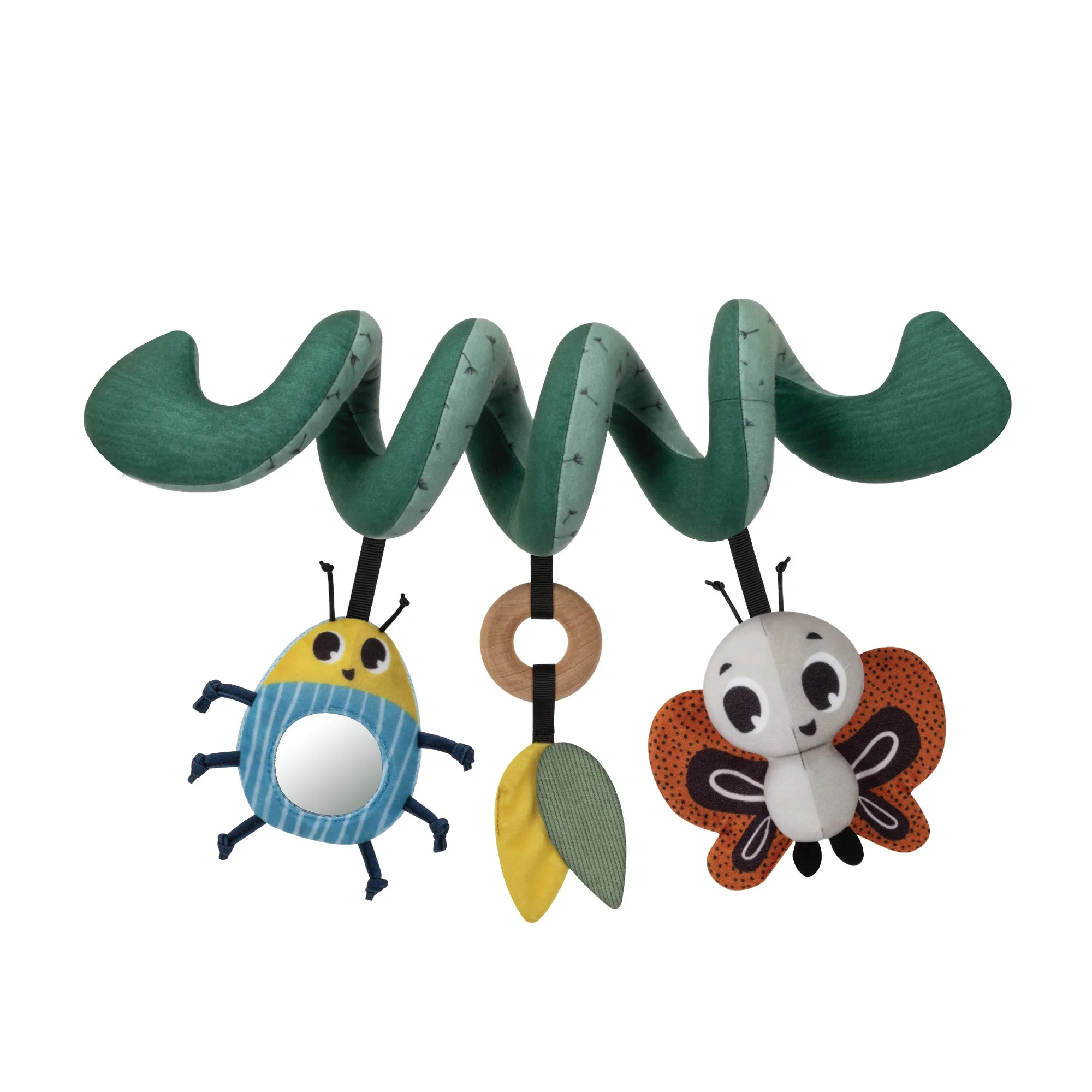
Tiny Bugs Spiral Stroller Activity Toy
- Check if the gymini has machine-washable mat and toys for easy cleaning.
Practical Tips for Using a Gymini at Different Stages
For newborns (0–2 months): Place your baby on their back under the arch so they can see the dangling toys. Move toys slowly to encourage visual tracking. Keep sessions short (5–10 minutes) to avoid overstimulation. For tummy time (3–5 months): Position your baby on their tummy with the arch in front. Prop their chest with a small rolled towel if needed. The toys will motivate them to lift their head. As your baby becomes more active (6+ months), you can remove the arch and use the mat alone for rolling practice or supervised play.
Rotate toys regularly to maintain interest. Many gyminis come with multiple attachment points, so you can swap in new toys from other sets. For example, you might add the Meadow Days Take Along Mobile to the gymini arch for a change of scenery. Always supervise your baby during play, and remove the gymini once your baby can sit up unassisted to prevent tipping.
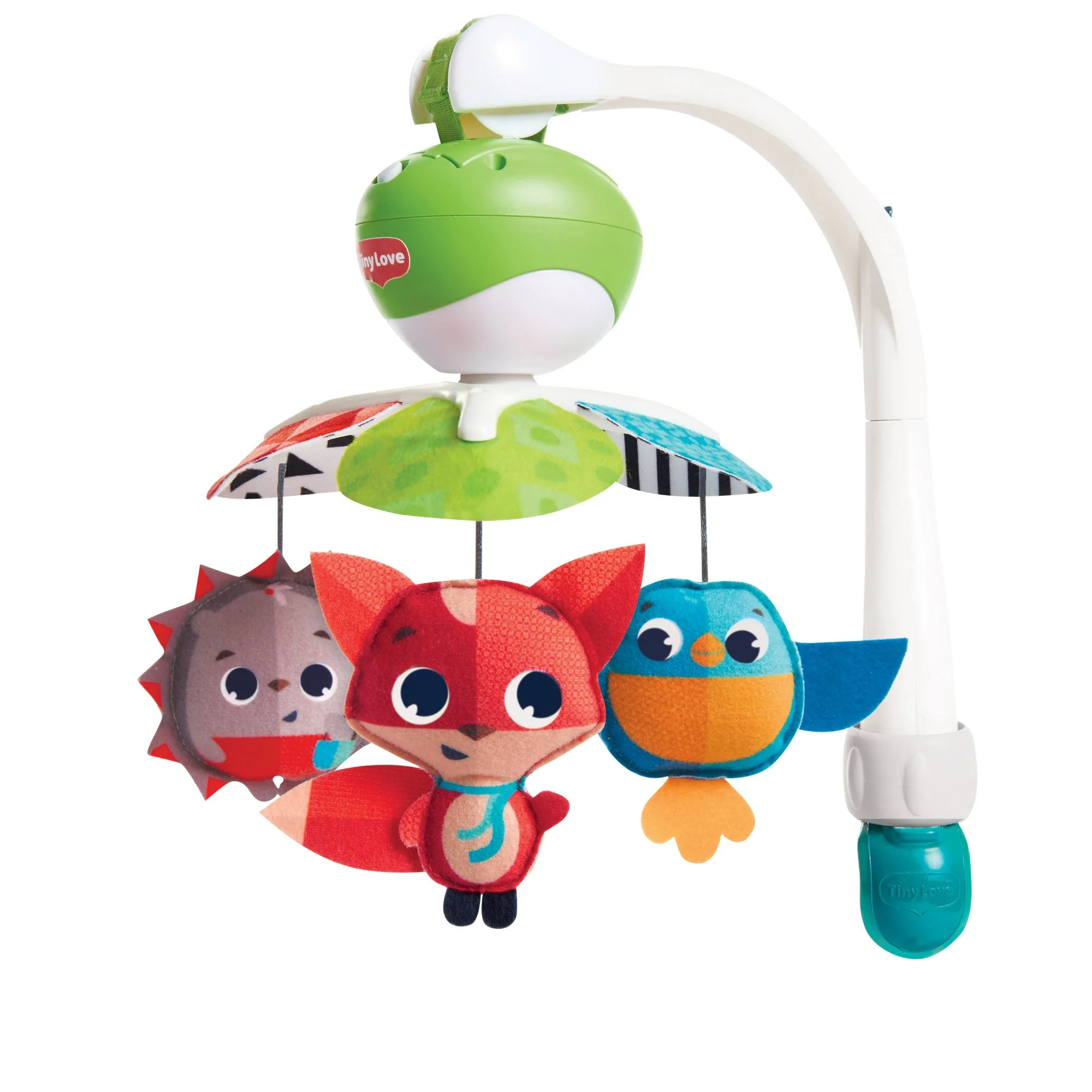
Meadow Days Take Along Mobile
- Hang a low-contrast toy during tummy time to encourage your baby to push up higher.
A baby gymini is a valuable investment for supporting developmental milestones from birth through tummy time. By choosing a developmental gymini with age-appropriate features and using it strategically, you can give your baby a head start on motor skills, sensory exploration, and visual tracking. Whether you opt for a high-contrast newborn gymini or a versatile model like the Tiny Bugs Developmental Gymini, the key is to match the toy to your baby's current stage and always follow safety guidelines.