Baby-led weaning (BLW) is a popular approach to introducing solid foods that allows your little one to take the lead. Instead of spoon-feeding purees, you offer soft, graspable pieces of food and let your baby explore, chew, and self-feed. This method encourages independence, develops fine motor skills, and can make mealtimes more enjoyable for the whole family.
If you're considering BLW for your baby, you likely have questions about which first foods are safe, what tools you'll need, and how to set up for success. This comprehensive guide covers everything from the best starter foods to essential baby feeding tools that make the transition smoother. We'll also highlight a few must-have products from Mushie that can support your BLW journey.
What Is Baby-Led Weaning and When to Start?
Baby-led weaning is an approach where babies feed themselves from the very beginning of solids, typically starting around 6 months of age. At this point, most babies can sit upright with minimal support, have lost the tongue-thrust reflex, and show interest in food. BLW skips the puree stage entirely, offering finger-sized pieces of soft, cooked vegetables, fruits, and other safe foods.
The key principle is trust: you provide the food, and your baby decides what and how much to eat. This method can help babies learn to regulate their own appetite and develop healthy eating habits. It also exposes them to a variety of textures and flavors early on, which may reduce picky eating later. Always consult your pediatrician before starting solids, especially if your baby was born prematurely or has special needs.
- Signs of readiness: sits well with minimal support, reaches for food, puts objects to mouth, can swallow food (not just push it out).
- Always supervise your baby during meals and avoid hard, round, or sticky foods that pose a choking hazard.
Best First Foods for Baby-Led Weaning
When starting BLW, choose foods that are soft, easy to grip, and large enough for your baby to hold in their fist with a bit sticking out. Great options include steamed broccoli florets, soft carrot sticks, avocado slices, banana halves (with a bit of peel left on for grip), and well-cooked sweet potato wedges. As your baby develops their pincer grasp (around 8-9 months), you can offer smaller pieces.
Introduce one new food at a time and watch for any allergic reactions. Common allergens like eggs, peanuts, and fish can be introduced early, but offer them in textures that are safe for BLW—for example, a strip of well-cooked omelet or a thin spread of peanut butter on a toast finger. Always keep the food soft enough to squish between your thumb and forefinger.
- Soft-cooked vegetables: carrot, zucchini, sweet potato, pumpkin.
- Fruits: ripe pear, mango, melon, banana (firm but soft).
- Proteins: well-cooked chicken strips, flaked fish, mashed beans.
- Grains: toast fingers, soft pasta, oatmeal (thick enough to stick to a pre-loaded spoon).
Essential Baby Feeding Tools for BLW Success
Having the right tools can make baby-led weaning easier and less messy. One of the most important items is a good set of spoons that are safe for self-feeding. The Silicone Toddler Starter Spoons from Mushie are designed with a soft, flexible tip that is gentle on gums and easy for little hands to grip. They are the perfect size for babies learning to scoop and bring food to their mouth.
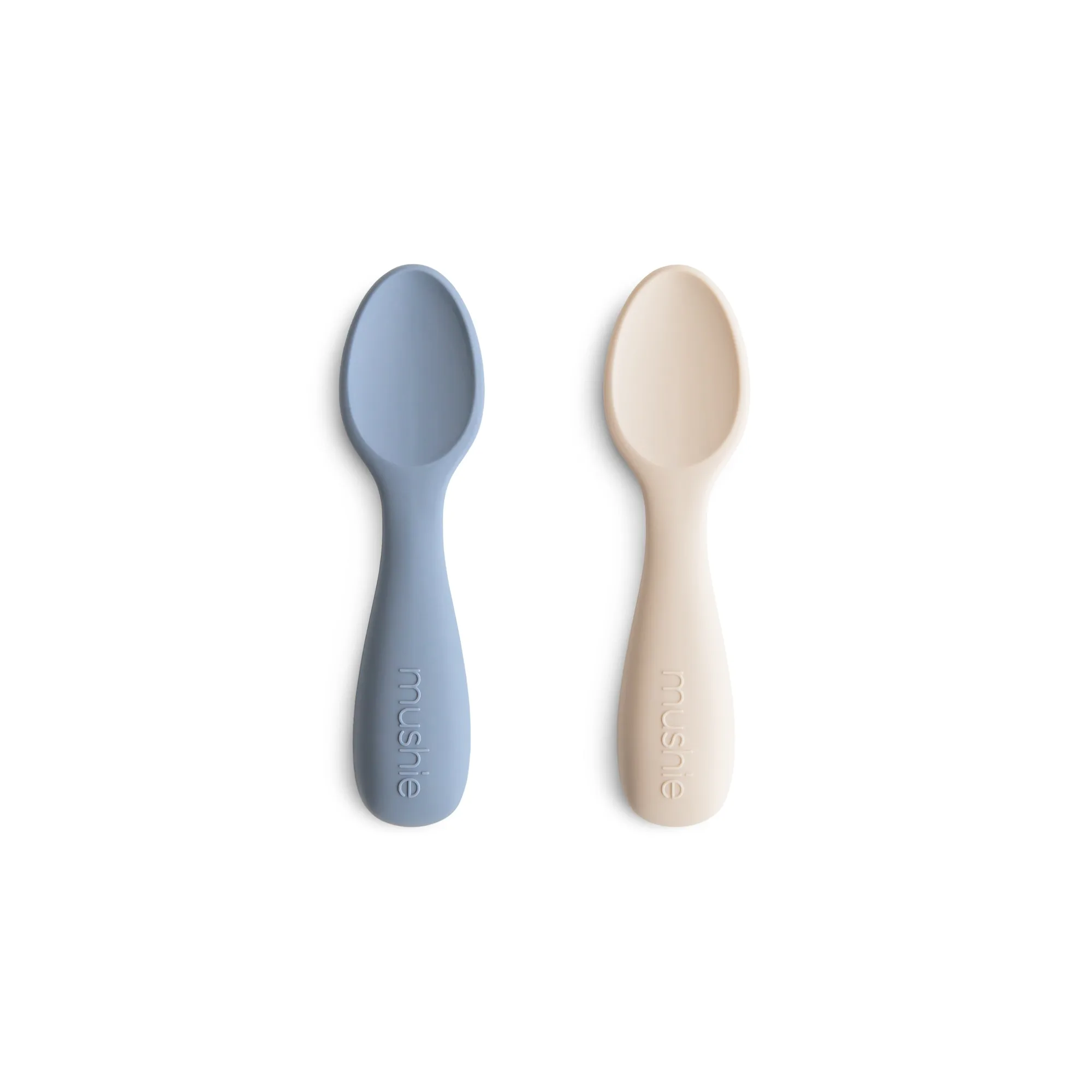
Silicone Toddler Starter Spoons
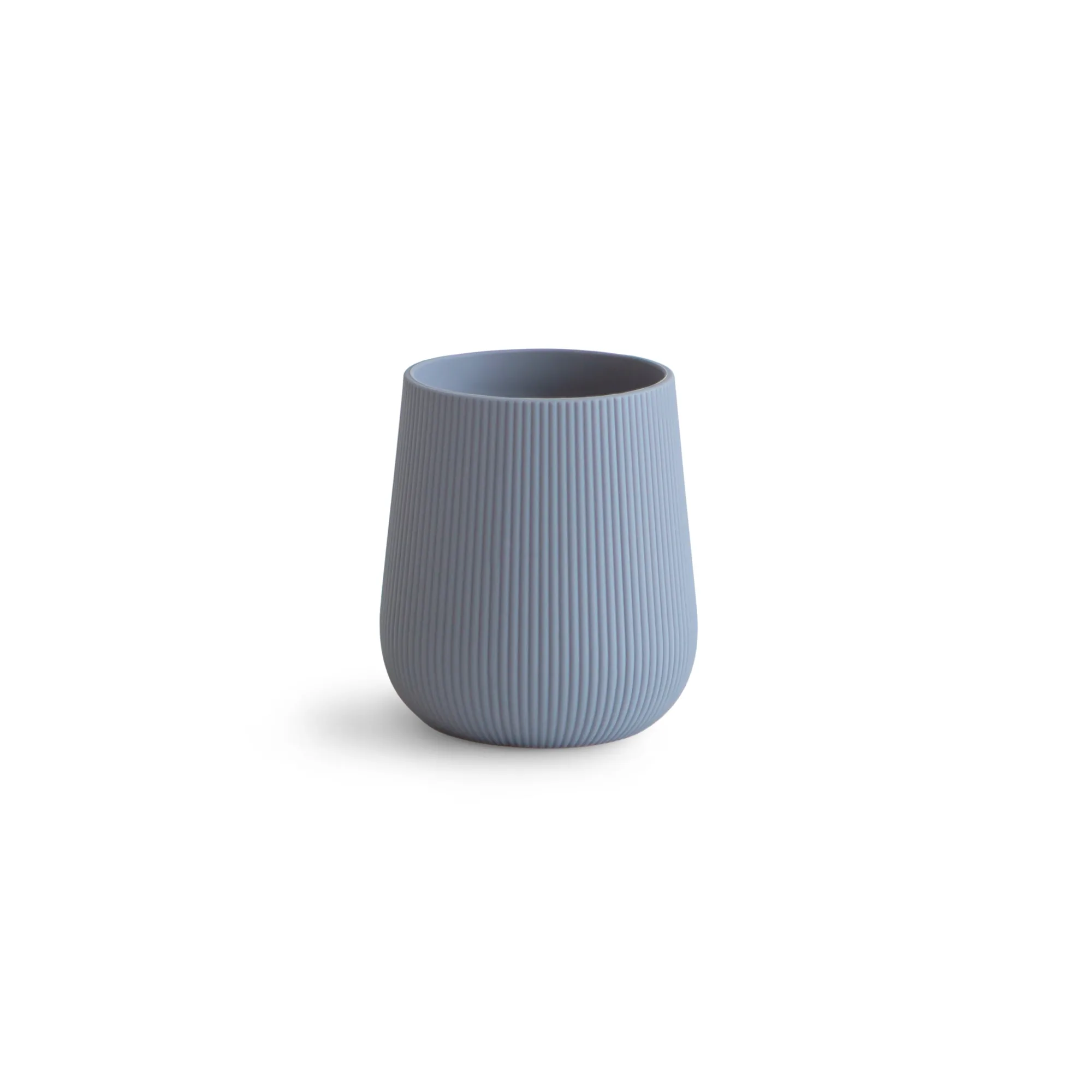
Another handy tool is a set of silicone bottle handles that can be attached to cups or bottles, helping your baby practice holding and drinking independently. These handles are made from food-grade silicone, are easy to clean, and fit most standard bottles. They encourage your baby to develop their grip and hand-eye coordination during mealtime.
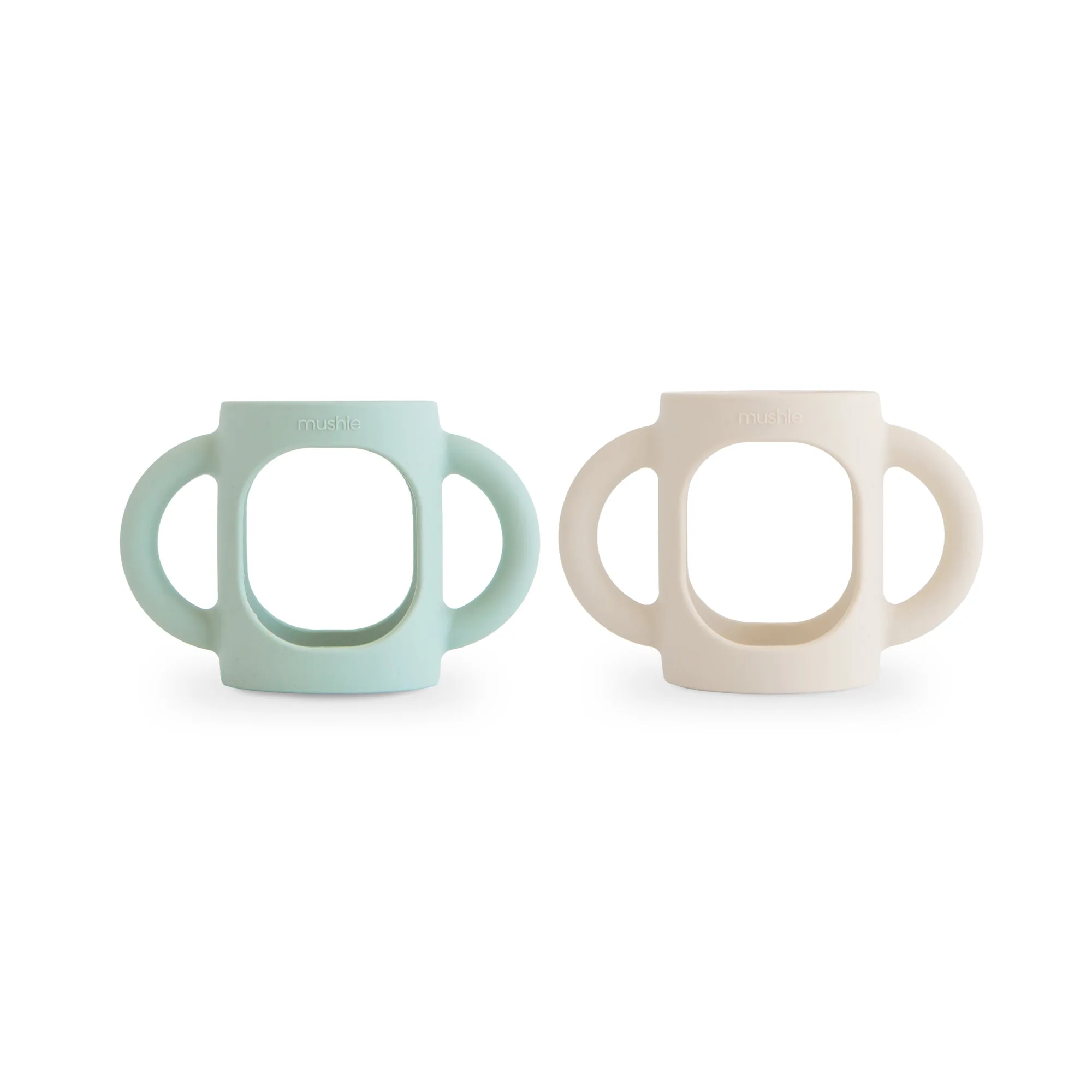
silicone bottle handles
- Look for utensils with short, chunky handles that are easy to grasp.
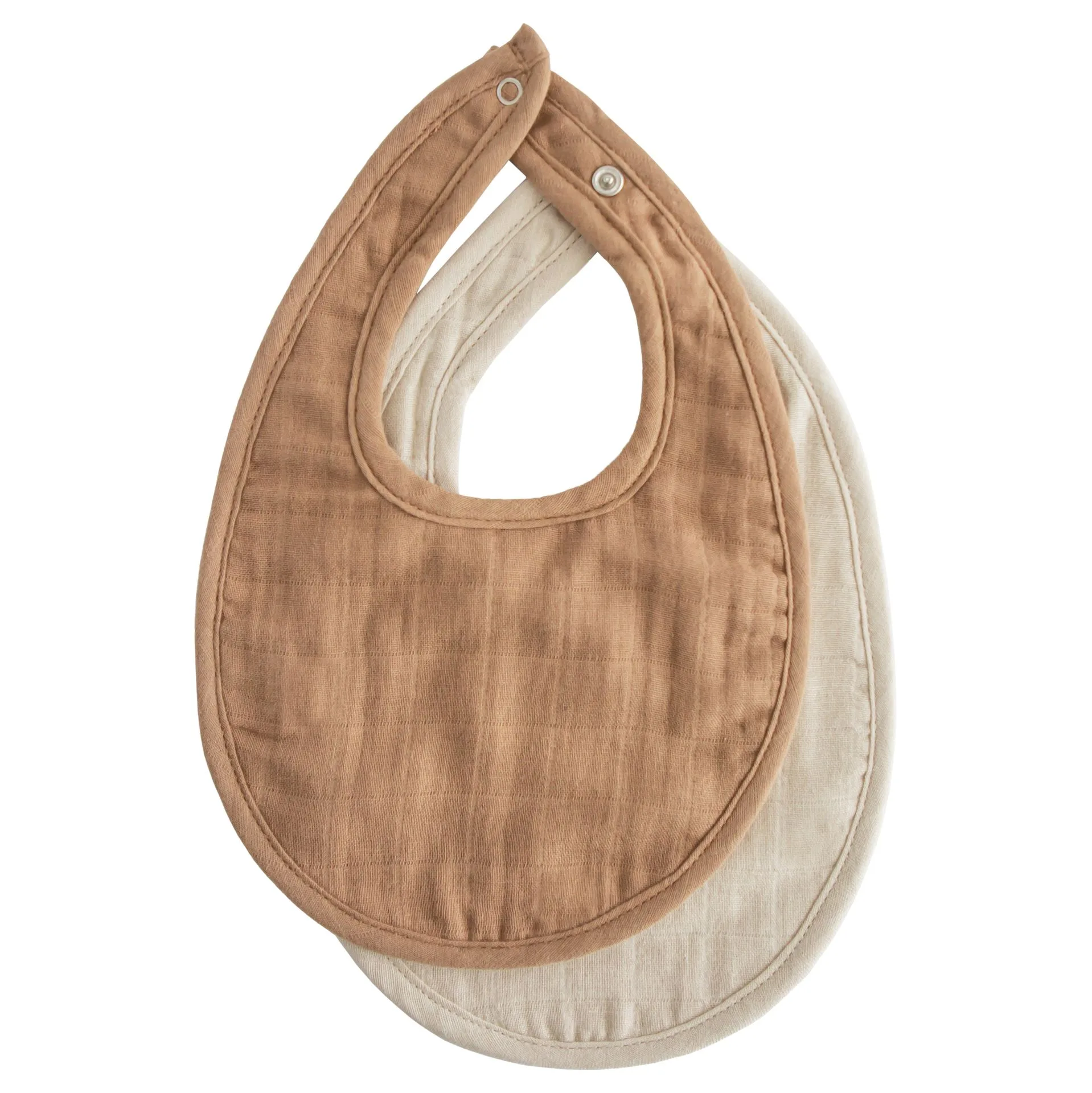
- Silicone bibs with a pocket catch most spills and are easy to wipe clean.
- Suction bowls or plates help prevent tipping and keep food within reach.
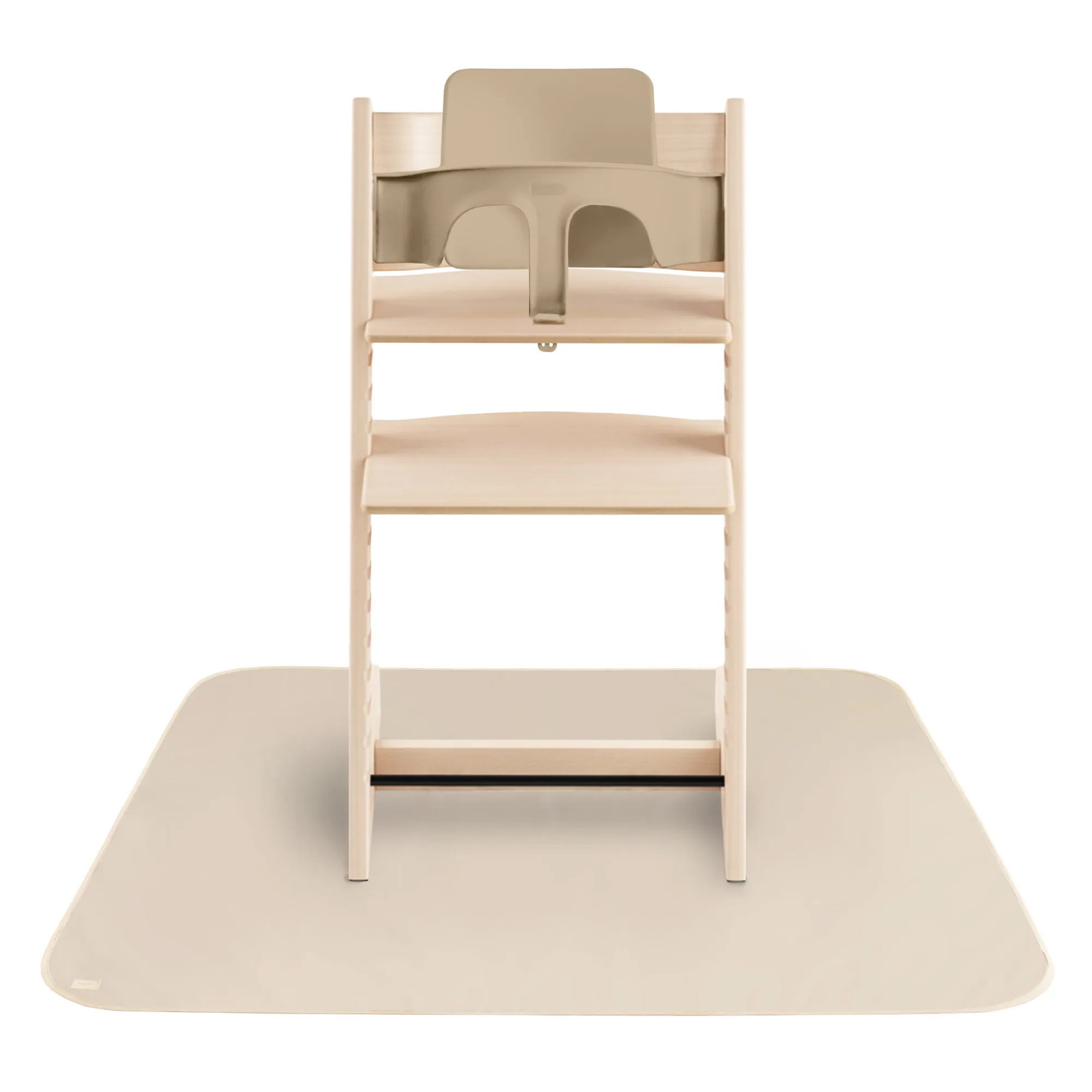
- A splat mat under the high chair makes cleanup much faster.
How to Create a Positive Mealtime Environment
Mealtime should be a calm, positive experience for both you and your baby. Sit together at the table, offer the same foods you're eating (prepared safely), and let your baby explore at their own pace. Avoid pressuring them to eat—trust that they will eat when they're hungry. It's normal for babies to play with food, mash it, and even drop it on the floor. This is all part of learning.
To make cleanup easier, consider using a bib with a crumb catcher and placing a washable mat under the high chair. Keep a damp cloth nearby for quick wipe-ups. Remember that BLW is a journey, not a race. Some babies take to it immediately, while others need more time. Stay patient, offer variety, and celebrate small victories like successfully bringing a piece of food to the mouth.
- Offer food when your baby is alert and not overtired.
- Let your baby touch and explore food—it's a sensory experience.
- Avoid distractions like TV or toys during meals.
- Model eating the same foods to encourage imitation.
Safety Tips Every BLW Parent Should Know
Safety is the top priority when starting baby-led weaning. Always supervise your baby while they are eating, and learn the difference between gagging and choking. Gagging is a normal reflex that helps babies learn to move food to the back of their mouth—it sounds dramatic but is usually harmless. Choking is silent, so stay vigilant. Cut foods into safe shapes: avoid round, coin-shaped pieces and instead offer long, finger-shaped strips.
Never leave your baby alone with food, and ensure they are sitting upright in a high chair with their feet supported. Avoid high-risk foods like whole grapes, cherry tomatoes, nuts, hard candy, and large chunks of raw apple or carrot. If you're ever unsure about a food's safety, steam or roast it until it's very soft. Taking a child CPR course is also a great idea for extra peace of mind.
- Always cut grapes and cherry tomatoes lengthwise into quarters.
- Cook vegetables until they are easily mashed between your fingers.
- Remove any hard pits, seeds, or tough skins from fruits.
- Keep a first-aid kit and choking rescue device handy.
Tracking Milestones and Celebrating Progress
Baby-led weaning is full of exciting firsts: the first time your baby picks up a piece of food, the first successful bite, and the first time they use a spoon. Capturing these moments can be a wonderful way to celebrate your baby's growth and development. Mushie's Milestone Cards are a beautiful and practical way to document each stage, from first foods to first steps. Simply place the card next to your baby during a meal or playtime and snap a photo.
These cards are designed with minimalist, gender-neutral artwork that looks great in photos and can be used for years to come. They cover key milestones from birth to 12 months and beyond. Using them during BLW can help you track which foods your baby has tried, their reactions, and their progress with self-feeding. It's a keepsake you'll treasure forever.
- Take weekly photos with milestone cards to see how your baby grows.
- Write down new foods your baby tries and any reactions.
- Share your BLW journey with friends and family for support and encouragement.
Baby-led weaning is a rewarding approach that lets your baby explore food at their own pace. With the right tools, a safe environment, and plenty of patience, you'll set the stage for a lifetime of healthy eating habits. Start your BLW adventure with Mushie's thoughtfully designed products, like the Silicone Toddler Starter Spoons, which make self-feeding easier and more enjoyable for your little one.