As a new parent, you have a lot on your plate—feeding, sleeping, diapering, and soothing. But there's one area that often gets overlooked until a problem arises: your baby's oral health. The truth is that caring for your little one's mouth should begin even before the first tooth appears. Establishing a gentle, consistent oral care routine from birth not only prevents cavities and gum disease but also sets the stage for a lifetime of healthy smiles.
In this comprehensive guide, we'll walk you through every stage of baby oral care—from cleaning gums with a soft cloth to choosing the perfect toddler toothbrush. You'll learn what products are safe, when to start using fluoride toothpaste, and how to make brushing fun for your child. Let's dive into the world of baby teeth and discover how you can keep those tiny pearly whites in top shape.
Why Baby Oral Care Matters from Day One
Even before your baby's first tooth erupts—usually around six months—their mouth is home to bacteria. If left unchecked, these bacteria can form a sticky film called plaque, which may lead to early childhood caries (tooth decay) once teeth appear. Additionally, establishing a cleaning routine early helps your baby become accustomed to having their mouth touched, making future toothbrushing sessions much easier.
Another important reason to start early is to prevent gum inflammation. Gently wiping your baby's gums after feedings removes milk residue and reduces the risk of oral thrush or gum irritation. This simple habit also gives you a chance to inspect your baby's mouth for any signs of teething or infection.
- Start cleaning gums within the first few days after birth using a clean, damp washcloth or a silicone finger brush.
- Aim to clean gums at least twice a day—especially after the last feeding at night.
- Never put your baby to bed with a bottle of milk, formula, or juice, as this can lead to "bottle rot" (severe tooth decay).
The First Tooth: When It Arrives and How to Care for It
Most babies get their first tooth between 4 and 7 months, though some may start as early as 3 months or as late as 12 months. The lower front teeth (central incisors) are usually the first to appear. When that tiny white tip breaks through the gum, it's time to upgrade your oral care routine.
Once the first tooth emerges, switch from a damp cloth to a soft-bristled infant toothbrush. Use a tiny smear (about the size of a grain of rice) of fluoride-free or low-fluoride toothpaste designed for babies. Gently brush the tooth and the surrounding gumline in small circles. Do this twice a day—morning and night. Remember, at this stage, you're not just cleaning the tooth; you're also massaging the gums and getting your baby used to the sensation of brushing.
- Choose a toothbrush with a small head and extra-soft bristles to avoid irritating sensitive gums.
- Use only a rice-grain-sized amount of toothpaste until your child can spit reliably (usually around age 3).
- Replace the toothbrush every 3–4 months or sooner if the bristles become frayed.
Teething Troubles: Soothing Sore Gums Safely
Teething can be a challenging time for both baby and parent. Common signs include excessive drooling, irritability, chewing on objects, swollen gums, and disrupted sleep. While you can't stop the teeth from coming in, you can help ease your baby's discomfort with safe, effective remedies.
Cold teething rings, chilled (not frozen) washcloths, and silicone teethers are excellent for numbing sore gums. You can also gently massage your baby's gums with a clean finger or a silicone gum brush. If your baby seems particularly uncomfortable, talk to your pediatrician about age-appropriate pain relievers. Avoid teething gels that contain benzocaine or lidocaine for infants under 2 years, as they can cause serious side effects.
- Offer a chilled teether or a damp washcloth placed in the refrigerator for 30 minutes before use.
- Never freeze teethers or washcloths, as extreme cold can damage delicate gum tissue.
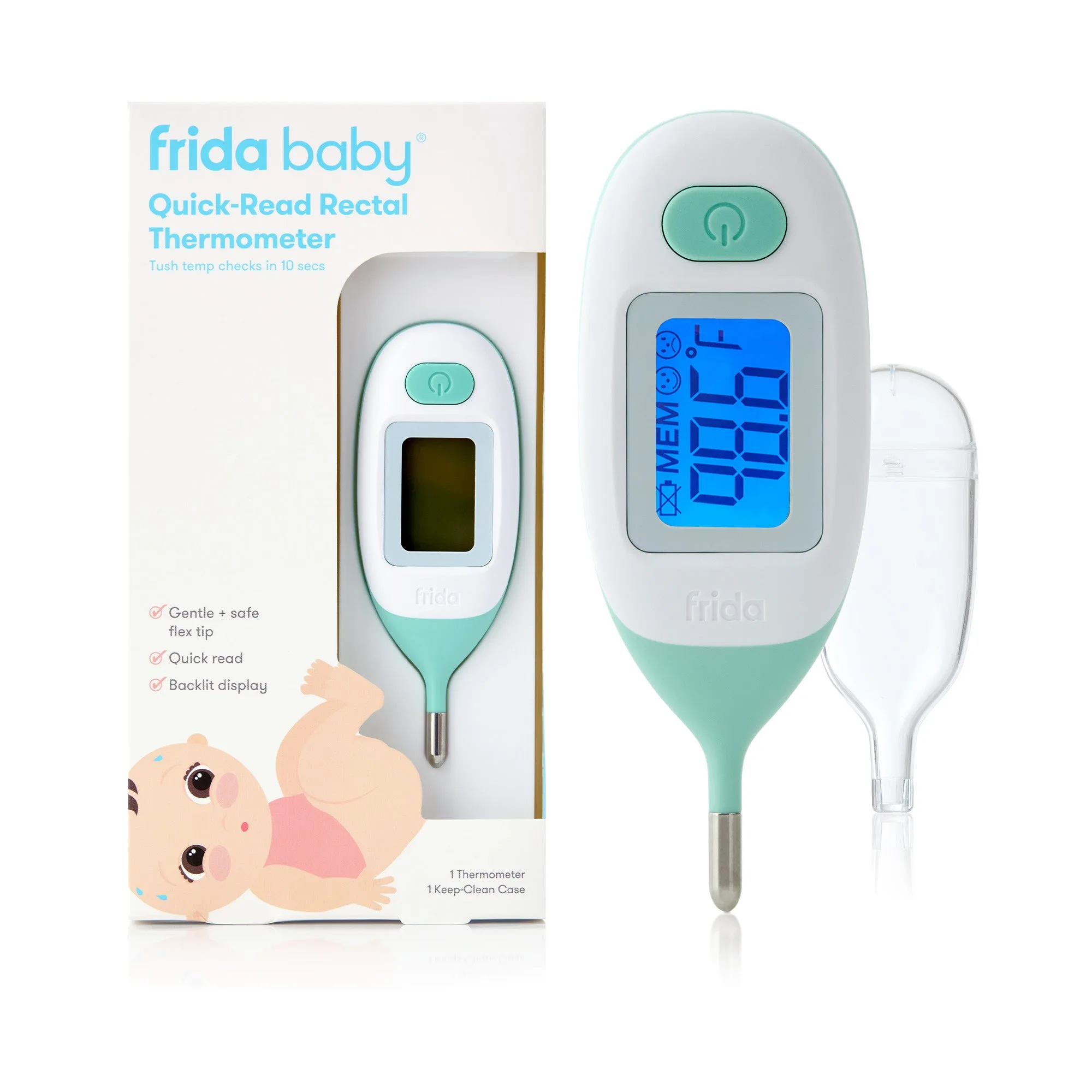
- Keep an eye on your baby's temperature—a mild fever can accompany teething, but a high fever may indicate illness.
Choosing the Right Toothbrush for Your Baby or Toddler
Selecting the right toothbrush is crucial for effective cleaning and comfort. For infants (0–12 months), look for a toothbrush with a very small head, extra-soft bristles, and a long handle that you can grip easily. Silicone finger brushes are also popular for gum massage and first-teeth cleaning because they allow you to feel exactly where you're brushing.
As your child grows into a toddler (12–36 months), you can transition to a toddler toothbrush with a slightly larger head and a handle designed for little hands. Some toothbrushes come with fun characters or lights to make brushing more engaging. The key is to choose a brush that your child enjoys using, as this encourages cooperation. Always supervise brushing to ensure your child doesn't chew on the bristles or poke themselves in the eye.
- Look for toothbrushes with the ADA Seal of Acceptance or similar certification from reputable health organizations.
- Replace your child's toothbrush after they've been sick to avoid reintroducing germs.
- Consider an electric toothbrush for toddlers who resist manual brushing—the vibration can be soothing and effective.
Toothpaste: When to Start and What to Use
For babies under 18 months, plain water on the toothbrush is sufficient if you're brushing thoroughly. However, many pediatric dentists recommend using a tiny smear of fluoride-free toothpaste to help your child get used to the taste and texture. Once your child turns 18 months, you can switch to a low-fluoride toothpaste (around 500 ppm fluoride) to help prevent cavities.
From age 3 onward, you can use a pea-sized amount of standard fluoride toothpaste (1,000–1,500 ppm). Teach your child to spit out the excess toothpaste after brushing, but don't rinse with water—this allows the fluoride to stay on the teeth longer for maximum protection. If your child is at high risk for cavities, your dentist may recommend a higher-fluoride toothpaste earlier.
- Always supervise brushing to ensure your child doesn't swallow large amounts of toothpaste.
- If your child dislikes the taste of toothpaste, try different flavors like strawberry, bubblegum, or mild mint.
- Store toothpaste out of reach of children to prevent accidental ingestion.
Building a Fun and Consistent Brushing Routine
Making oral care a positive experience is key to long-term success. Start by brushing your own teeth in front of your baby—they love to imitate! Sing a toothbrushing song, use a timer or a fun app, and let your child hold their own toothbrush (even if you need to do the actual cleaning afterward). Reward cooperation with praise, stickers, or a small non-food treat.
Consistency matters more than perfection. Aim to brush twice a day for two minutes each session. If your child resists, try a different approach: let them brush a stuffed animal's teeth first, or use a toothbrush with their favorite cartoon character. Remember, you're building a habit that will protect their teeth for years to come.
- Set a specific time for brushing—right after breakfast and before bed—to create a predictable routine.
- Use a toothbrushing chart to track progress and celebrate milestones.
- Don't get discouraged by occasional tantrums; stay calm and gently continue the routine.
Essential Products for Baby Oral Care
Having the right tools on hand makes oral care easier and more effective. Beyond a good toothbrush and toothpaste, consider adding a few extra items to your baby care arsenal. A soft silicone gum brush or finger toothbrush is perfect for the pre-tooth stage. For teething relief, look for BPA-free silicone teethers that can be chilled. A small, soft washcloth also works wonders for wiping gums and cleaning the first few teeth.
When your baby is ready for their first toothbrush, choose one with a built-in handle guard to prevent over-insertion. For travel, a toothbrush case keeps the brush clean and protected. And don't forget to replace toothbrushes regularly—every 3 to 4 months or after illness. With the right products, you'll be set up for success from the very first smile.
- Silicone finger brushes are gentle on gums and allow precise cleaning.
- BPA-free teethers with textured surfaces can also help clean teeth while soothing sore gums.
- A toothbrush timer (or a simple hourglass) helps ensure two minutes of brushing.
Caring for your baby's teeth and gums doesn't have to be overwhelming. By starting early, using the right tools, and making brushing a fun part of your daily routine, you're giving your child the foundation for a lifetime of healthy smiles. Explore our collection of baby-friendly oral care products to find everything you need for your little one's dental journey.