Building a dishware set from scratch—or expanding an existing one—can feel overwhelming with so many shapes, sizes, and materials available. Whether you're furnishing your first apartment or upgrading your everyday table, knowing the essential pieces and how they work together makes the process simpler and more enjoyable.
This guide walks you through the key components of a complete dishware set, offers practical advice on choosing materials and quantities, and highlights a few standout pieces that can anchor your collection. By the end, you'll have a clear plan for assembling a dinnerware set that suits your cooking style, entertaining habits, and personal taste.
Start with the Dinner Plate: The Foundation of Your Set
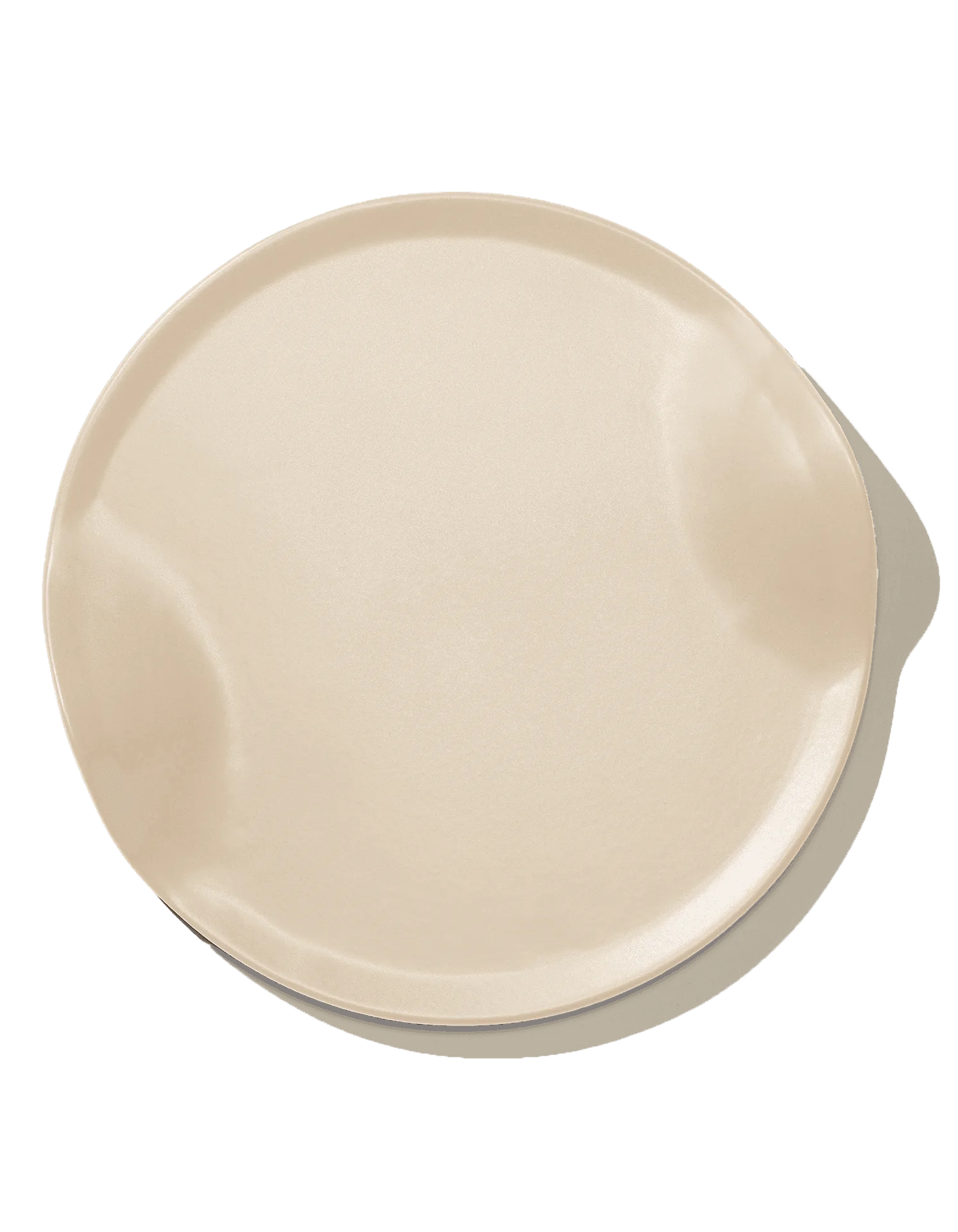
Dinner plates are the workhorses of any dishware set. They need to be durable enough for daily use, comfortable to hold, and visually pleasing on the table. Standard dinner plates measure 10 to 11 inches across, which is large enough for a main course without overwhelming the table setting. When building your set, plan for at least four to six dinner plates, depending on your household size and how often you host guests.
Material choice matters here. Ceramic plates, like The Goun Plate, offer a timeless look and good heat retention. Porcelain is lighter and more chip-resistant, while stoneware provides a rustic, durable feel. Consider how the plate's rim—or lack thereof—affects both aesthetics and practicality. A wide rim gives you a natural grip, while a coupe shape (no rim) feels more modern and can make portions look larger.
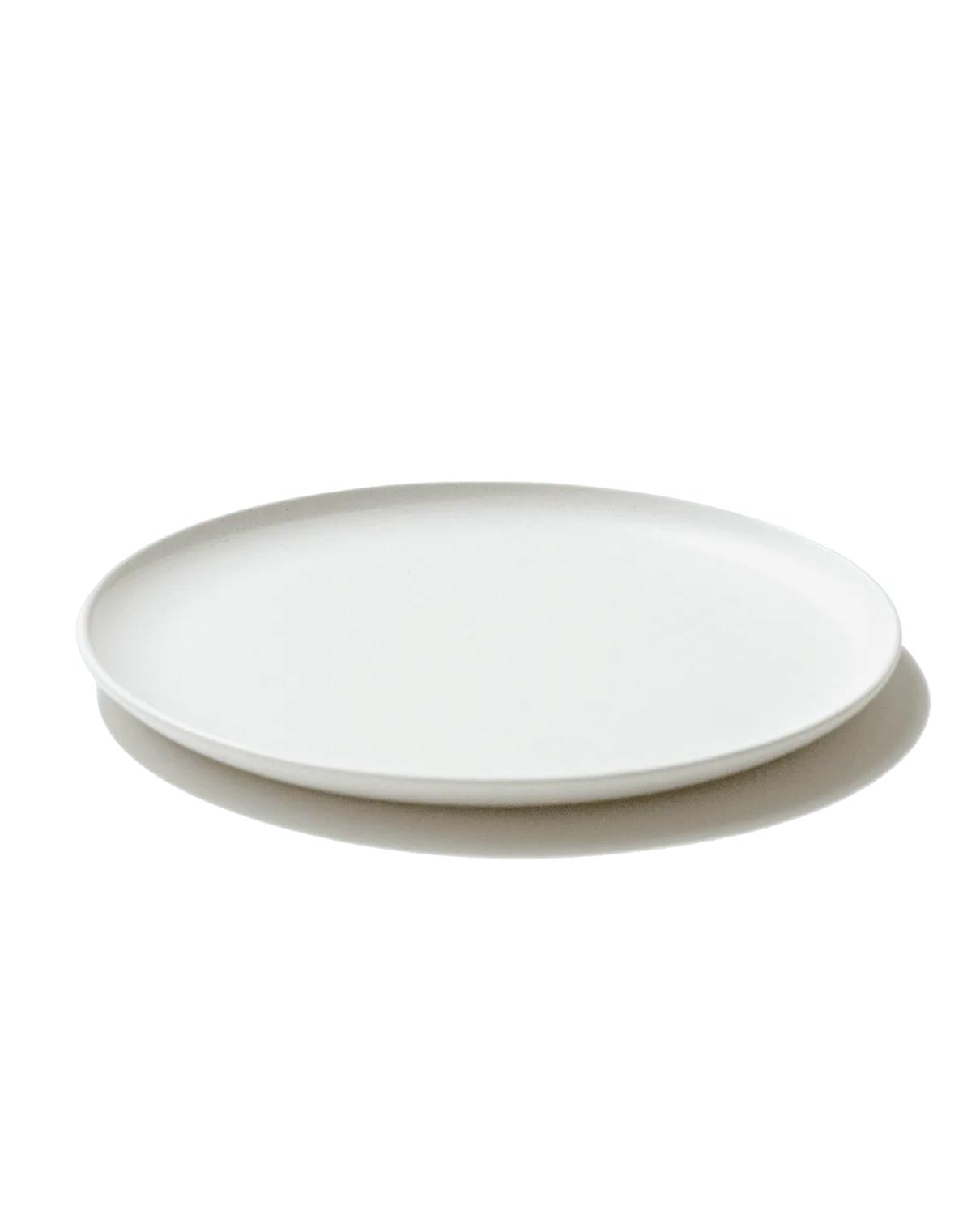
The Goun Plate
- Buy at least one extra dinner plate per place setting to account for breakage.
Add Salad Plates and Bowls for Versatility
Salad plates (8 to 9 inches) are perfect for appetizers, desserts, and smaller meals. They also double as bread plates or side dishes. Bowls come in two main sizes: cereal bowls (6 to 7 inches) for breakfast or soup, and larger pasta or salad bowls (8 to 9 inches) for heartier servings. A good rule is to have as many bowls as dinner plates, plus a few extra for mixing or prep work.
When selecting bowls, think about depth and stability. Shallow bowls are great for pasta or grain bowls, while deeper ones hold soups and stews without spilling. Look for a footed base or a flat bottom to prevent tipping. The Cloud Cup, while technically a mug, shows how thoughtful ceramic design can elevate everyday drinking vessels—a similar philosophy applies to your bowl selection.
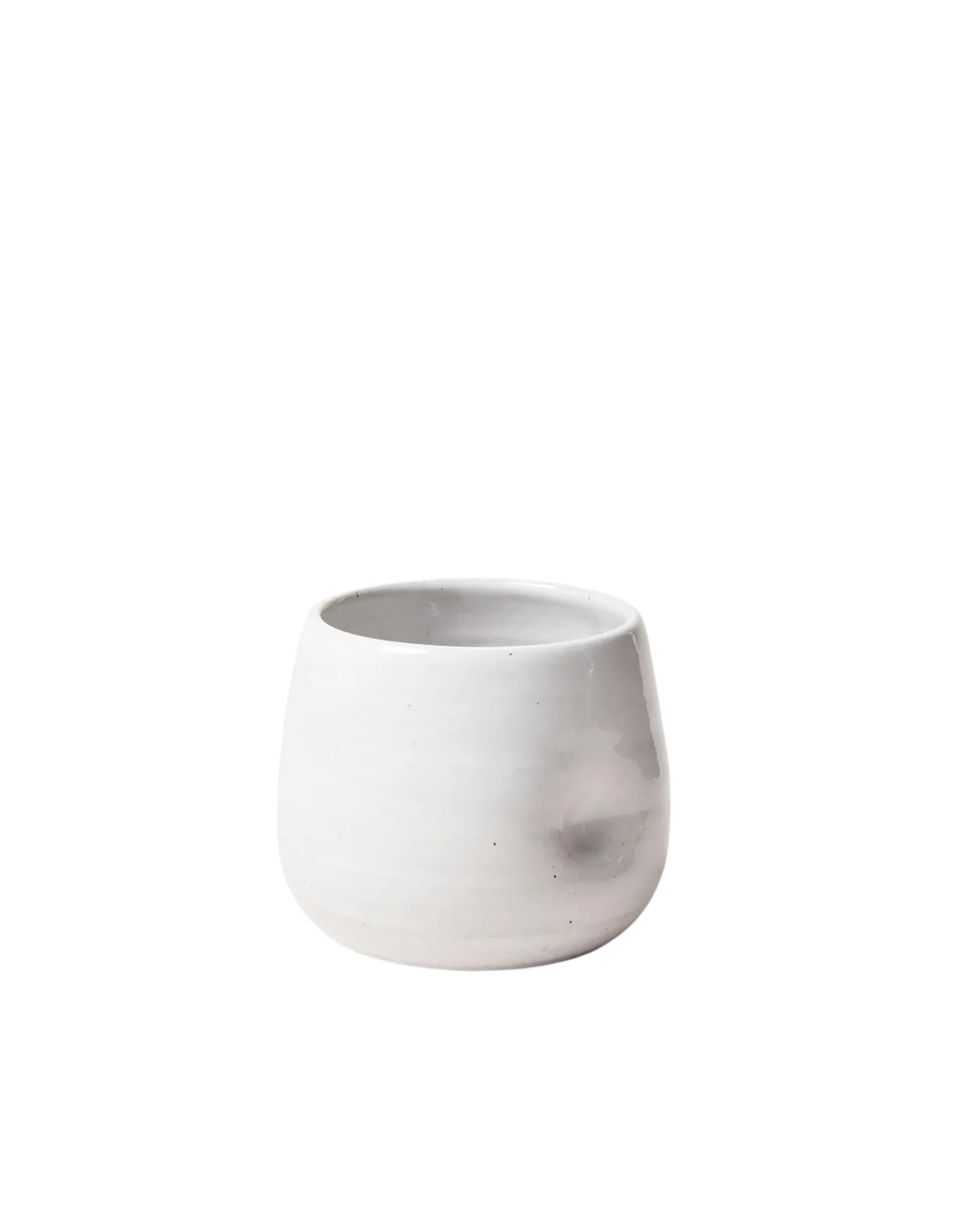
Cloud Cup
- If you entertain often, consider nesting bowls that save cabinet space.
Don't Forget Serving Pieces and Accents
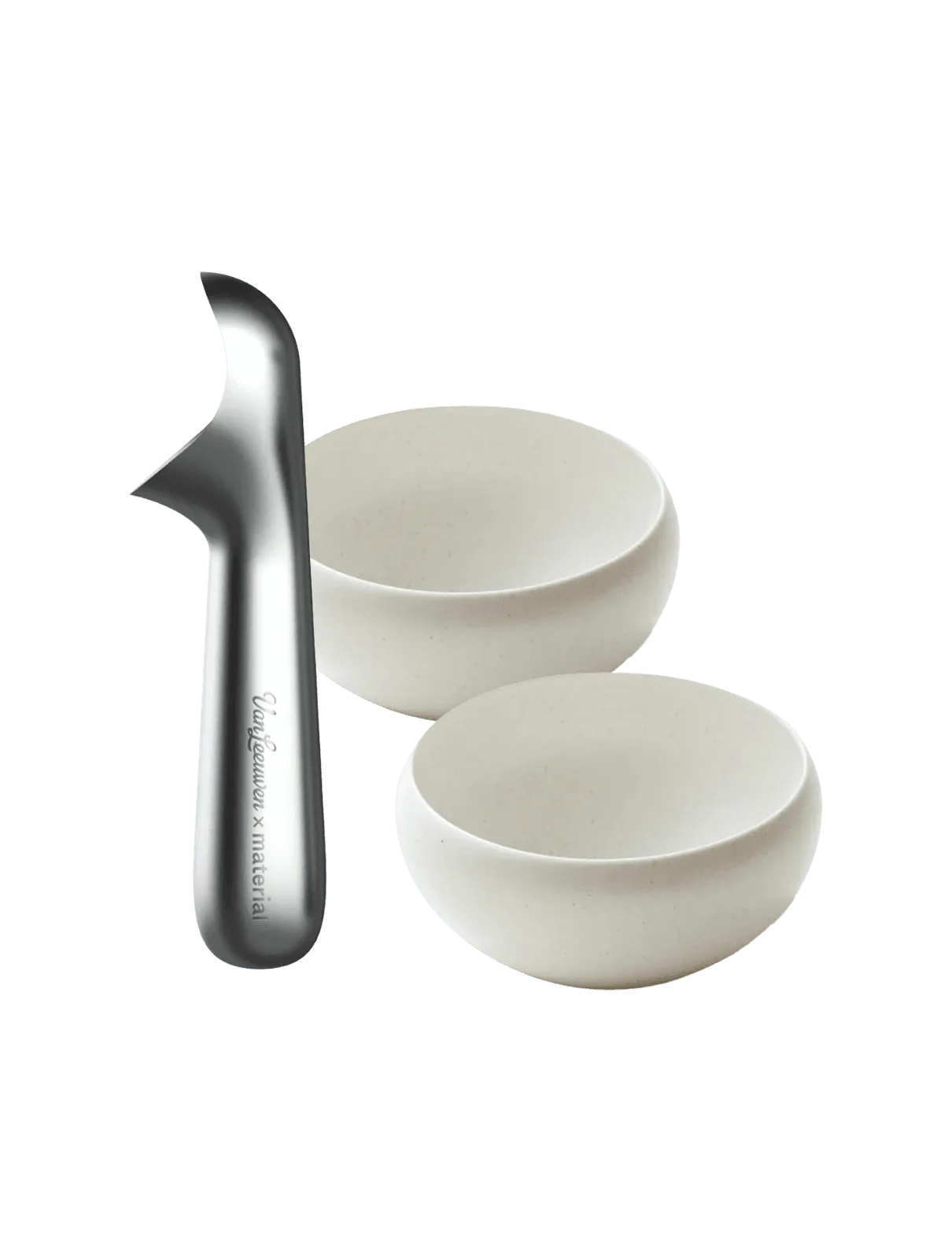
Serving platters, gravy boats, and small bowls for condiments or olives complete a dinnerware collection. Even if you don't use them daily, having a few key serving pieces makes hosting easier and more elegant. A large platter works for roasts, while a set of small bowls is ideal for dips or nuts. These pieces don't need to match your dinnerware exactly—coordinating shapes or a complementary glaze color often looks more curated.
Accents like coasters and trivets protect your table and add personality. The Artisan Felt Coasters - Set of 4 and the Artisan Felt Pom Pom Trivet are practical examples that blend function with style. They're also easy to mix and match with any dishware set, giving you flexibility as your collection grows.
- Choose serving pieces that stack or nest to save space when not in use.
How Many Pieces Do You Really Need?
A complete dishware set typically includes dinner plates, salad plates, bowls, and mugs or cups. For a household of two, a set of four place settings (16 pieces) is a good start. For families or frequent entertainers, six to eight place settings (24 to 32 pieces) are more practical. You can always add more later, so don't feel pressured to buy everything at once.
Consider your storage space as well. Deep cabinets can handle larger stacks, while shallow shelves might limit plate diameter or bowl height. Measure your shelves before buying. Also think about dishwasher and microwave compatibility—most modern ceramics are safe, but always check the manufacturer's recommendations.
- Start with a 4-piece place setting per person, then add serving pieces as needed.
Mix and Match vs. Matching Sets: Pros and Cons
A matching set offers instant cohesion and often comes at a lower per-piece price. It's a no-fuss choice if you prefer a uniform look. However, if a piece breaks, replacing it exactly can be difficult years later. Mixing and matching allows for more personality and flexibility—you can swap out individual pieces as your taste evolves or as you find unique additions.
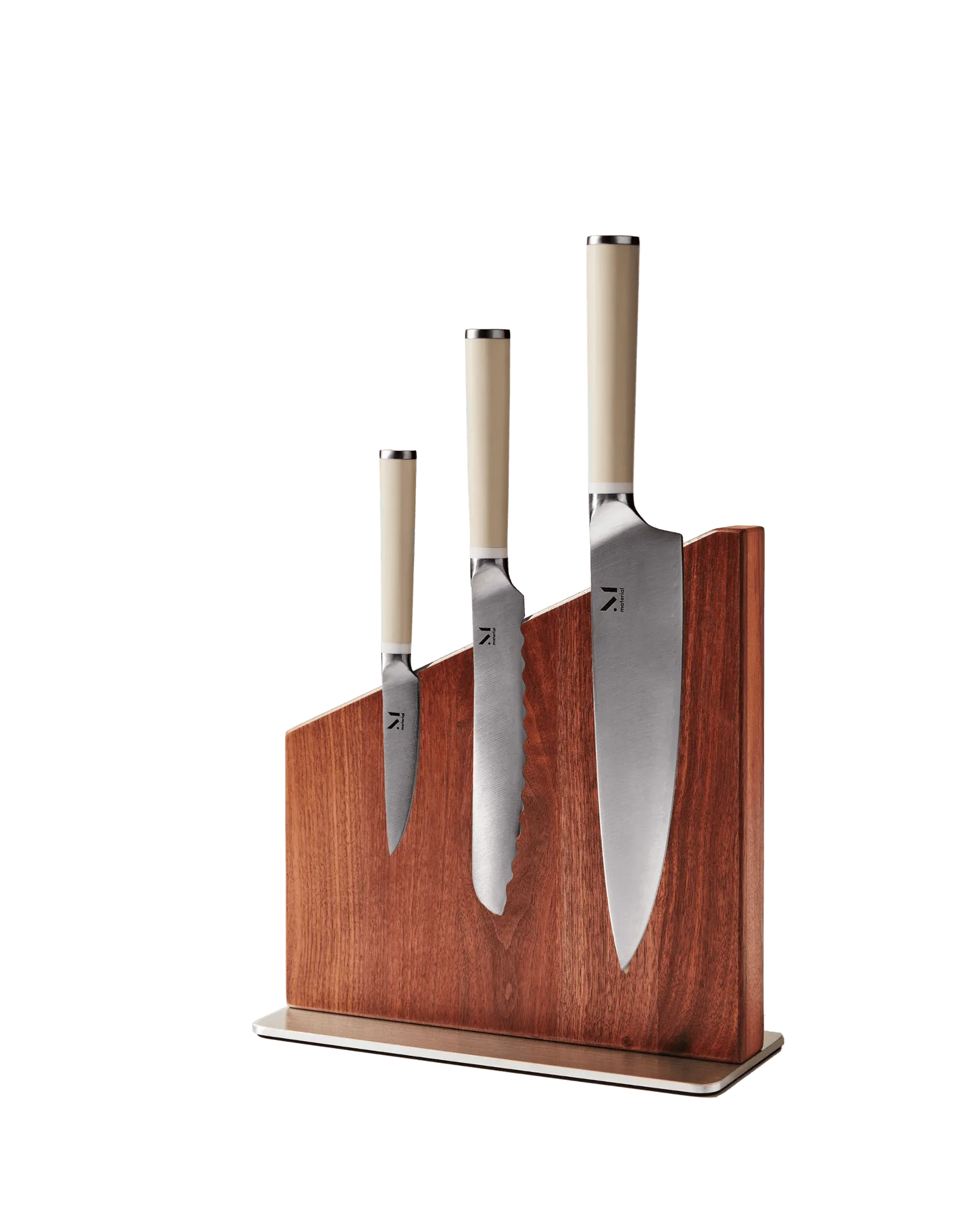
If you go the mix-and-match route, choose a unifying element like a color palette (all white, or neutrals like beige and gray) or a material (all ceramic). This creates a collected-over-time look that still feels intentional. The Clean Cook Set, while a cookware set, demonstrates how a cohesive design language can tie different pieces together—apply that same thinking to your dishware.
- Stick to two or three complementary colors or finishes to avoid a chaotic look.
Building a dishware set is a personal journey that balances practicality, style, and budget. Start with the essentials—dinner plates, salad plates, and bowls—then layer in serving pieces and accents as you go. Whether you choose a complete matching set or curate your own mix, the goal is to create a collection you'll enjoy using every day. With the tips in this guide, you're ready to assemble a dinnerware collection that works for your home and reflects your taste.