Building a well-rounded knife collection is one of the most rewarding investments you can make for your kitchen. Whether you are a home cook who loves weekend meal prep or an aspiring chef, having the right blade for each task transforms cooking from a chore into a joy. A sharp, well-balanced knife not only speeds up prep work but also improves safety and precision.
In this guide, we will walk through the essential knives every kitchen needs, explain their specific uses, and offer tips on selecting quality blades that will last for years. By the end, you will know exactly which knives to add to your collection and how to care for them.
The Foundation: Chef Knife – Your Daily Workhorse
Every knife collection begins with a versatile chef knife. This 8- to 10-inch blade is designed for chopping, slicing, dicing, and mincing everything from vegetables to boneless meats. Its curved edge allows for a rocking motion that makes quick work of herbs and garlic. A good chef knife should feel balanced in your hand, with a comfortable handle that provides a secure grip even when wet.
When selecting a chef knife, look for high-carbon stainless steel for durability and edge retention. The weight should be substantial enough to power through dense ingredients but not so heavy that it tires your wrist. Brands that offer full-tang construction (the blade extends through the handle) tend to be more stable and longer-lasting. This knife will likely be the most-used tool in your collection, so invest in quality.
- Ideal for 90% of daily cutting tasks: onions, carrots, bell peppers, boneless chicken, and herbs.
- Choose an 8-inch blade for most home kitchens; 10-inch for larger hands or heavy-duty prep.
- Look for a bolster that provides a safe finger guard and helps with balance.
The Precision Tool: Paring Knife for Detail Work
A paring knife is the second essential blade in any knife collection. With a blade length of 3 to 4 inches, it excels at intricate tasks that require control and finesse. Use it for peeling fruits and vegetables, coring apples, deveining shrimp, or trimming the silverskin from meat. Its small size allows you to hold the ingredient directly in your hand while cutting, giving you maximum precision.
When choosing a paring knife, consider the blade shape. A straight-edge paring knife is perfect for peeling and slicing, while a curved or sheep’s foot blade (similar to a mini chef knife) offers better control for intricate cuts. A high-quality paring knife should feel like an extension of your hand. Stainless steel is preferred for easy maintenance, and a comfortable ergonomic handle is essential for extended use.
- Great for garnishes, trimming, and any task where a larger knife feels clumsy.
- Pair your paring knife with a chef knife to cover almost all basic kitchen cutting needs.
- Consider buying two: one straight-edge and one curved blade for versatility.
The Serrated Specialist: Bread Knife for Crusty Loaves and More
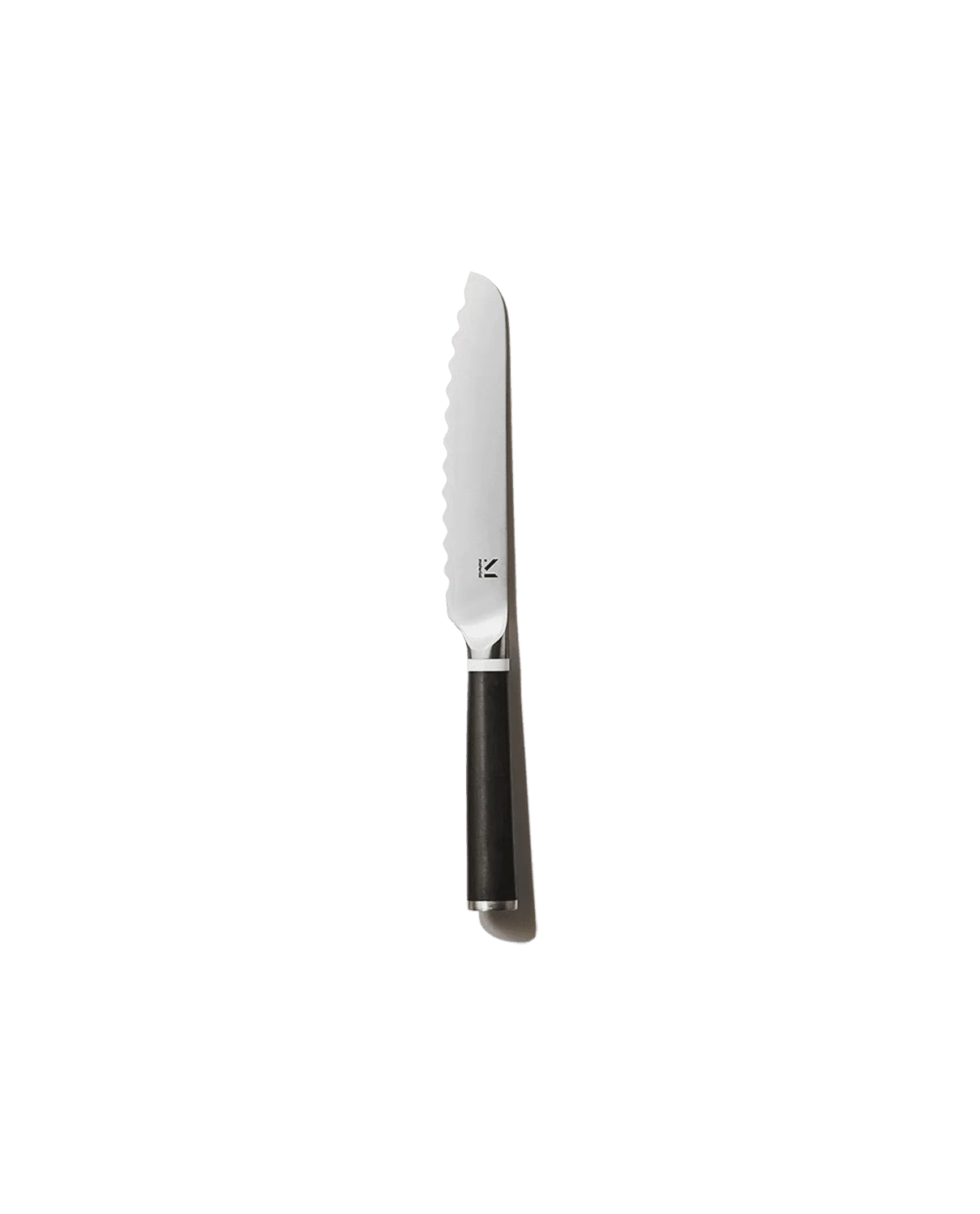
A bread knife is a must-have for anyone who bakes or enjoys crusty artisan bread. Its long, serrated blade saws through hard crusts without crushing the soft interior. But this knife is not just for bread—it also excels at slicing tomatoes, citrus fruits, and delicate cakes without tearing or squashing them. The serrations grip the surface and cut cleanly through tough skins.
Look for a bread knife with a blade length of 8 to 10 inches and deep, pointed serrations. A scalloped edge (wavy serrations) tends to slice more smoothly, while a straight serrated edge provides more aggressive cutting power. A comfortable, non-slip handle is important because you will often use a bread knife with a sawing motion that can cause your hand to fatigue. This knife is a low-maintenance addition to your collection because serrations rarely need sharpening.
- Use it for bread, bagels, tomatoes, melons, and layered cakes.
- A 10-inch blade is ideal for large loaves; 8-inch works well for smaller kitchens.
- Store serrated knives separately to protect the teeth from dulling against other blades.
The Flexible All-Rounder: Boning Knife for Meat and Poultry
If you frequently cook with bone-in meats or whole poultry, a boning knife is a game-changer. This narrow, flexible blade is designed to separate meat from bone cleanly and efficiently. Its thin profile allows you to navigate around joints and cartilage, reducing waste and producing beautiful fillets. Boning knives come in two main styles: stiff blades for beef and pork, and flexible blades for chicken and fish.
A 5- to 6-inch boning knife is the most versatile length. Look for a blade made from high-carbon stainless steel that holds a sharp edge and resists corrosion. The handle should be ergonomic and slip-resistant, as boning often involves greasy hands. With practice, a boning knife can elevate your butchery skills and save money by allowing you to buy whole cuts of meat.
- Essential for deboning chicken thighs, trimming fat, and filleting fish.
- A flexible blade is better for poultry and fish; a stiff blade is better for beef and pork.
- Keep the blade extremely sharp for safe, precise cuts near bones.
The Versatile Middle Ground: Utility Knife for Everyday Tasks
A utility knife sits between a chef knife and a paring knife in size, typically with a 4- to 6-inch blade. It is perfect for tasks that are too large for a paring knife but too small for a chef knife. Use it for slicing sandwiches, cutting cheese, trimming vegetables, or portioning small fruits. Many home cooks find a utility knife indispensable for quick, everyday cuts without pulling out a larger blade.
When choosing a utility knife, consider a blade shape that matches your most common tasks. A straight edge is versatile, while a slightly curved edge can mimic a mini chef knife. Lightweight and nimble, a utility knife is often the first knife you grab for lunch prep or snacks. It also makes an excellent travel knife for picnics or camping.
- Great for slicing apples, cucumbers, and small cheeses.
- A 5-inch blade offers the best balance of control and cutting power.
- Consider a utility knife with a Granton edge (scalloped) to reduce sticking on moist foods.
Building Your Collection: Where to Start and How to Expand
You do not need to buy every knife at once. A smart approach is to start with three core knives: a chef knife, a paring knife, and a bread knife. This trio covers the vast majority of kitchen tasks. Once you master these, add a boning knife if you work with meat, and a utility knife for everyday convenience. Over time, you can expand into specialty blades like a santoku, nakiri, or cleaver.
Quality matters more than quantity. A single high-end knife from a reputable maker will outperform and outlast a set of cheap blades. Look for knives that feel balanced in your hand and have a blade that holds an edge well. Also invest in a good sharpening system—whether a whetstone, honing rod, or electric sharpener—to maintain your collection. Proper storage, such as a magnetic strip or knife block, protects the edges and keeps your knives accessible.
- Start with chef knife, paring knife, and bread knife for a versatile foundation.
- Add a boning knife and utility knife as your cooking skills and needs grow.
- Always store knives in a block, on a magnetic strip, or in sheaths to prevent damage.
Building a thoughtful knife collection is an investment in your cooking confidence and efficiency. By starting with the essential blades—chef, paring, bread, boning, and utility—you equip yourself for nearly any recipe. Remember that sharpening and proper storage are just as important as the knives themselves. Explore our selection of premium kitchen knives to find the perfect tools for your culinary journey.